
If you want a powerful pressure washer for cleaning driveways, patios, vehicles, siding, and outdoor equipment, Simpson is a brand worth considering.
I would put Simpson pressure washers on my shortlist because the lineup includes gas-powered machines for demanding jobs and electric models for lighter cleaning.
However, the right choice depends on your water pressure needs, budget, maintenance preferences, and how often you plan to use it.
Before buying, I would compare the machine’s pressure rating, water flow, engine or motor, and accessories to make sure it suits your cleaning routine.
My First Experience With Simpson Pressure Washers
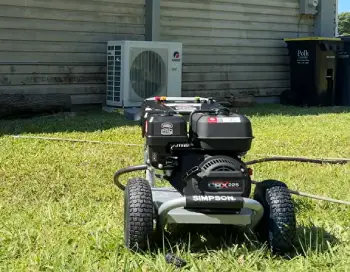
When I evaluate a pressure washer, I look beyond the advertised PSI number.
A machine might promise impressive pressure, but what really matters is how effectively it removes dirt, how comfortable it is to operate, and whether it can handle repeated use without becoming a maintenance headache.
Simpson pressure washers are particularly interesting because the brand offers different types of machines for homeowners, serious DIY users, and people who need equipment for demanding outdoor cleaning.
Many of its gas-powered models are designed for jobs where portability and strong cleaning performance matter more than quiet operation. Electric options, where available, appeal to people who prefer simpler setup and less routine engine maintenance.
Concrete is one of the first surfaces I consider when assessing a pressure washer. Driveways collect tire marks, mud, dust, algae, and other stubborn deposits that a regular garden hose often cannot remove effectively.
A suitable Simpson gas pressure washer can make this work considerably easier. The combination of pressure and water flow helps loosen embedded grime, especially when you use the correct nozzle or a compatible surface-cleaning attachment.
I would not expect every stain to disappear instantly, though. Oil stains, old discoloration, and deeply embedded marks may require a suitable cleaner and additional treatment. Moving the spray wand evenly also matters because holding it too close to one spot can leave visible cleaning marks or damage softer surfaces.
For cars, motorcycles, lawn equipment, and patio furniture, I would focus on control rather than maximum power. A powerful pressure washer can be useful, but excessive pressure or an unsuitable nozzle can damage paint, trim, decals, wood finishes, and delicate components.
With a Simpson machine, I would begin with a wider spray pattern and a safe distance from the surface. I would also use a suitable vehicle detergent when needed instead of relying on pressure alone.
This is where the choice between gas and electric becomes important. A gas-powered model may be convenient when cleaning several outdoor areas far from an electrical outlet, while an electric machine can be more practical for quick jobs around the garage.
Pros Of Simpson Pressure Washers
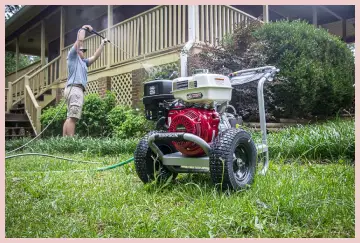
- Strong Cleaning Performance for Outdoor Jobs
One of the biggest advantages of suitable Simpson gas pressure washers is their ability to tackle demanding outdoor cleaning.
Concrete, brick walkways, heavily soiled equipment, and some exterior surfaces can require more cleaning power than a basic garden hose provides.
The combination of pressure and water flow helps loosen dirt efficiently, particularly when paired with the correct nozzle and cleaning solution.
Instead of spending hours scrubbing a large area manually, you can use a systematic spray pattern to cover the surface more quickly.
However, more pressure is not automatically better. For delicate materials, a lower-pressure setting or wider spray pattern may be the safer choice.
- A Range of Options for Different Needs
I appreciate that a brand offering multiple configurations gives buyers more room to choose according to their budgets and cleaning habits.
A homeowner who occasionally washes outdoor furniture does not necessarily need a heavy-duty gas machine. Someone who cleans a long driveway, workshop equipment, and large patio areas may benefit from a more powerful model.
Simpson’s range includes different gas-powered configurations, with specifications, engines, pumps, and accessories varying between products. This variety makes it important to compare individual models rather than choosing based on the brand name alone.
- Freedom From Electrical Cords
For gas-powered models, not having to plug into an electrical outlet can be a practical advantage. You can move around a large yard or clean an area far from your house without arranging an extension cord.
That flexibility is especially useful for properties with detached garages, long driveways, outdoor storage areas, or equipment kept away from the main building.
You still need an adequate water supply, and a gas machine is not completely unrestricted. Fuel availability, noise limits, exhaust, and the weight of the equipment remain practical considerations.
- Useful for Repeated Cleaning Tasks
If you regularly maintain outdoor spaces, a suitable pressure washer can become a valuable piece of household equipment. It can help with seasonal patio cleaning, preparing compatible surfaces for refinishing, removing loose dirt from garden tools, and maintaining exterior hardscaping.
I would find the purchase easier to justify if I planned several cleaning jobs throughout the year rather than using the machine only once.
That said, frequency of use alone does not justify buying the most powerful option. Match the machine to the toughest job you realistically expect to perform, while ensuring it can also handle your routine tasks safely.
Cons Of Simpson Pressure Washers
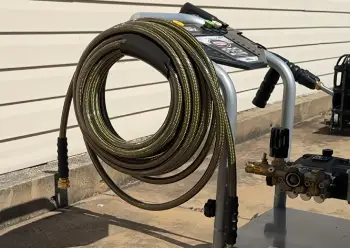
- Gas Models Require More Maintenance
Gas-powered pressure washers need more attention than most electric models.
Depending on the engine and pump, maintenance may include checking oil levels, changing oil at specified intervals, inspecting filters, maintaining fuel quality, and following the manufacturer’s storage instructions.
If you prefer equipment that you can switch on occasionally without thinking about engine upkeep, a gas-powered model may not be your best fit.
- Noise and Exhaust
Gas engines produce noise and exhaust, which can be inconvenient in densely populated neighborhoods. You must operate gas-powered equipment outdoors, away from enclosed spaces, because engine exhaust can cause fatal carbon monoxide poisoning.
I would also check local noise restrictions if I expected to use the machine early in the morning or near neighbors.
- Weight and Storage Requirements
Some gas-powered models are bulky and heavy compared with compact electric pressure washers. Wheels help with movement on suitable surfaces, but lifting a machine into a vehicle or carrying it up stairs can still be difficult.
Storage is another concern. You need enough room for the unit, hose, wand, accessories, and any required maintenance supplies. Gasoline-powered equipment also needs appropriate fuel storage and winterization where relevant.
- Pump and Engine Problems Can Occur
Like other pressure washers, Simpson units can experience starting problems, fluctuating pressure, leaks, overheating, or pump issues. These symptoms do not automatically mean the entire machine has failed.
Restricted water flow, clogged filters, trapped air, damaged seals, worn components, or poor storage practices can contribute to performance problems. Engine trouble can also result from stale fuel, incorrect oil levels, or neglected maintenance.
Repairs may become expensive if a major component fails outside the warranty period. Before buying, I would review the warranty terms, replacement-part availability, and the cost of servicing the particular model.
- Maximum Power Is Not Suitable for Every Surface
A powerful pressure washer can damage wood, painted surfaces, vehicle finishes, window seals, and other vulnerable materials when used incorrectly.
You need to select the correct nozzle, keep a safe distance, and test an inconspicuous area first. Some jobs require a gentler electric machine or a garden hose rather than a high-powered gas washer.
Maintenance For Simpson Pressure Washers
- Check the Water Supply Before Starting
I would always confirm that the water supply can meet the machine’s required flow rate before starting the engine or motor. A pressure washer needs an adequate, uninterrupted supply of water to operate properly.
Connect the garden hose securely, inspect it for kinks, and make sure the water is flowing freely. With the water turned on, follow the manufacturer’s priming instructions and release trapped air from the system before starting the machine.
Never run a pressure washer without the required water supply. Insufficient water can cause overheating and damage the pump, potentially resulting in expensive repairs.
If the machine produces inconsistent pressure, check the supply hose, inlet filter, and connections before assuming that the pump has failed.
- Inspect Hoses, Fittings, and Spray Tips
Before each use, I would examine the high-pressure hose for cuts, bulges, abrasions, or leaks. I would also check the connections, spray wand, trigger mechanism, and fittings for visible damage.
A damaged high-pressure hose should be replaced with a suitable component rather than patched with tape or an improvised repair. High-pressure water can penetrate skin and cause serious injuries.
Spray tips also need attention. Dirt or mineral deposits can obstruct the opening and interfere with the spray pattern. Use the manufacturer’s recommended cleaning method and the appropriate nozzle-cleaning tool.
Never inspect a nozzle by placing your fingers in front of it. Before disconnecting or cleaning any component, shut down the equipment, isolate the water supply as instructed, and release pressure safely.
- Follow the Engine Oil and Fuel Requirements
For gas-powered Simpson models, engine care is essential. Check the oil level before use and follow the engine manufacturer’s schedule for oil changes and filter maintenance.
Use only the oil grade and fuel type specified for your particular engine. Requirements can vary, so I would not assume that every Simpson model uses identical fluids or service intervals.
Fuel left in the system for extended periods can deteriorate and contribute to starting problems or clogged fuel components. Follow the manual’s recommendations for fuel stabilizer, draining, and storage.
Never refuel a hot engine. Switch it off, allow it to cool as directed, and keep fuel away from flames, sparks, and other ignition sources.
Electric models have different maintenance requirements, so there is no reason to apply gas-engine servicing procedures to a machine that does not have an engine.
- Protect the Pump From Air and Overheating
The pump is central to a pressure washer’s performance, so I would take its care seriously.
Before starting, confirm that water is flowing through the system and that any required priming procedure has been completed. Do not leave a running pressure washer circulating water unnecessarily for long periods. Follow the manufacturer’s guidance for bypass operation and thermal protection.
If you need to pause during a job, use the shutdown procedure specified in the manual. Avoid assuming that releasing the trigger allows the machine to run indefinitely without risk.
Pump oil requirements also vary by model. Some pumps are designed as maintenance-free or sealed units, while others have specified lubrication requirements. Check the manual rather than adding oil to a pump that is not designed for user servicing.
- Clean the Machine After Every Use
When I finish cleaning, I would turn off the machine and follow the correct shutdown procedure before disconnecting the hoses.
Remove detergent from the system according to the manufacturer’s instructions, rinse dirt from the exterior, and wipe down the frame and accessible surfaces. Keep water away from electrical connections and components that should not be exposed to it.
Inspect the hose and spray wand again, then store the accessories neatly. Avoid dragging the high-pressure hose over sharp edges or leaving it twisted tightly around the frame.
Small habits like these help you spot damage early and prevent unnecessary wear.
Comparison Of Simpson Pressure Washers With Other Brands
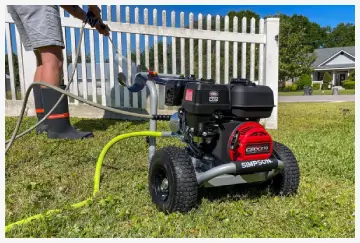
- Simpson vs. Ryobi Pressure Washers
Ryobi is worth considering if you want a pressure washer for ordinary household cleaning, particularly when a compact electric model fits your needs.
Electric units can be convenient for washing outdoor furniture, bicycles, small patios, and vehicles.
Simpson stands out for buyers looking at gas-powered machines for larger or more demanding cleaning jobs.
Depending on the models being compared, a Simpson gas unit may offer higher pressure and water flow than a basic electric Ryobi model.
However, that difference does not mean Simpson is automatically the better purchase. If you rarely clean large concrete areas and prefer a quieter machine with less engine maintenance, Ryobi may be the more sensible choice.
I would compare the specific PSI and GPM ratings, accessories, warranty coverage, and overall price before deciding.
- Simpson vs. DeWalt Pressure Washers
DeWalt is another option for people who want equipment for property maintenance, workshop cleaning, or demanding outdoor jobs. Both brands offer pressure washers in configurations intended for different users, and the precise specifications depend on the model.
When comparing two gas-powered machines, I would pay close attention to the engine, pump design, operating pressure, water flow, frame, and availability of replacement components.
I would not assume that a DeWalt-branded machine is automatically more durable or that a Simpson machine is always more powerful. The equipment’s actual specifications and serviceability matter more than the name printed on the frame.
If you expect frequent use, I would also compare warranty exclusions and the availability of authorized service.
- Simpson vs. Kärcher Pressure Washers
Kärcher is worth considering if your main priorities are convenient residential cleaning and access to electric pressure-washer options. Its lineup includes machines intended for different household applications, although capabilities vary by model.
For quick cleaning around a garage, rinsing outdoor furniture, or washing a small patio, an electric Kärcher may offer the convenience you want without the added upkeep of a gas engine.
Simpson may be a better fit when you specifically need a gas-powered machine for more demanding outdoor work. However, a high-quality electric machine can be entirely sufficient for many homeowners.
I would make the decision based on your toughest regular cleaning task, not on the assumption that gas power is always necessary.
- Simpson vs. Generac Pressure Washers
Generac is another brand to consider when shopping for gas-powered pressure washers. If you are comparing machines from Simpson and Generac, focus on the specifications of similarly capable models.
Look at operating PSI, GPM, engine requirements, pump design, included accessories, and warranty terms. Consider whether local repair services can obtain the parts you may need.
For me, serviceability would be a major factor. A pressure washer that performs well but is difficult to repair may be less attractive than a comparable machine with accessible replacement parts and dependable service support.
Neither brand should be declared the winner without knowing the exact models and intended workload.
- Simpson vs. Electric Pressure Washer Brands Overall
The broader comparison is between gas-powered cleaning equipment and electric convenience.
Gas models can be useful when you need mobility around large outdoor areas and substantial cleaning capability. Electric machines often appeal to people who want easier startup, less routine maintenance, and lower noise.
The right choice depends on how you plan to use the machine. For an occasional patio wash, an electric unit may be more practical. For extensive concrete cleaning or repeated work across a large property, a suitable gas-powered Simpson model could make more sense.
I would calculate the total ownership cost, including fuel or electricity, accessories, storage, and maintenance. That gives you a more realistic picture than the purchase price alone.
Also Read: Is Waterblitz Pressure Washer Worth It?
Frequently Asked Questions (FAQ)
Simpson may be better for demanding gas-powered cleaning, while Ryobi can be a practical choice for routine household jobs, especially with electric models.
Common issues include difficulty starting, fluctuating pressure, water leaks, clogged nozzles, and pump problems. Maintenance and troubleshooting depend on the model.
Neither is universally better. Compare similar models based on pressure, water flow, durability, accessories, warranty, and service availability.
Reliability depends on the specific model, maintenance, and availability of replacement parts. Simpson, Ryobi, DeWalt, and Kärcher are all worth considering for different needs.
Final Verdict
I would consider a Simpson pressure washer if I needed capable equipment for driveways, concrete, outdoor equipment, and other demanding cleaning jobs.
Its gas-powered models are particularly appealing when mobility and cleaning performance matter.
However, I would compare the exact specifications, maintenance requirements, warranty, and total ownership cost before buying.
If you mainly clean small household items, an electric alternative may offer better convenience. Choose Simpson when its performance matches your workload, not simply because it advertises high pressure.
Recent Posts
● Interactive 5-Zone Interior & Exterior Paint Blueprint Paint Coverage Calculator: Gallons, Primer, Square Footage & Cost Tap any architectural surface zone on the blueprint...
If you want smooth, shiny hair without spending a fortune on a premium styling tool, the Ella Bella hair dryer may be worth considering.In these Ella Bella hair dryer reviews, I’ll look...