
If you want cleaner-tasting water without constantly buying bottled water, I think SimPure is a water filtration option worth considering.
I like it because the brand offers several types of filtration systems for different household needs, from countertop units to reverse osmosis systems.
If your priority is improving water quality, reducing unwanted tastes and odors, and having filtered water readily available, I would recommend considering SimPure.
Just make sure you choose the right model for your water source and filtration needs.
My First Experience With SimPure Water Filters
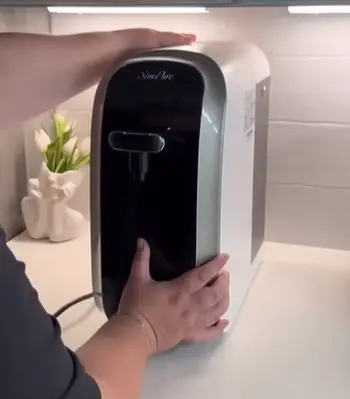
When I first started looking at SimPure water filters, I noticed that the brand wasn’t limited to one type of filtration system.
That immediately made me pay attention because everyone’s water situation is different.
Some people simply want better-tasting drinking water, while others are concerned about dissolved contaminants and want a more advanced purification process.
I found SimPure interesting because its product range covers several filtration approaches, including countertop filtration, under-sink systems, pitcher-style options, and reverse osmosis systems.
My first impression was that the basic idea is straightforward: instead of relying on bottled water, you install or use a filtration system and get treated water whenever you need it.
What I noticed most was the difference in taste. Depending on the quality of your incoming water, filtered water can taste noticeably cleaner and fresher. I particularly appreciate this when drinking plain water because unpleasant chlorine-like tastes can make me drink less throughout the day.
The convenience also matters. Once the system is installed and operating properly, I don’t have to think about carrying cases of bottled water or storing multiple plastic bottles around the house.
However, I wouldn’t treat every SimPure model as interchangeable. That’s one thing I think you should understand before buying. A simple filtration system isn’t designed to perform exactly like a reverse osmosis system. If you’re dealing with specific contaminants or have concerns about your water source, the filtration technology matters much more than the brand name alone.
Installation can also vary. Some models are designed to be relatively simple, while an under-sink or reverse osmosis setup may require more attention to connections, tubing, drainage, and available space.
Overall, my experience with the SimPure concept has been positive because it combines convenience with improved water taste and filtration. But I would still choose the model based on what I actually need rather than simply buying the most advanced-looking option.
Pros Of SimPure Water Filters
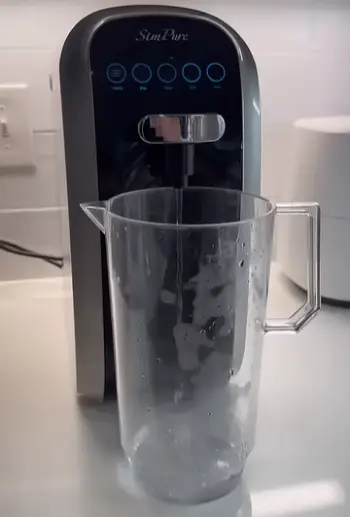
- Multiple Filtration Options
One of the biggest advantages I see with SimPure is the variety of systems available.
You aren’t locked into one filtration method. Depending on your household requirements, you can look at a simpler filter or choose a more advanced purification system.
I appreciate that flexibility because a single solution doesn’t work for every home. Someone living alone may have completely different requirements from a family of five.
- Improved Taste and Odor
For me, one of the easiest benefits to notice from a water filter is taste.
Even when tap water meets regulatory standards, it can sometimes have an unpleasant taste or smell. Chlorine, minerals, and other characteristics of local water can affect the drinking experience.
A properly selected SimPure filter can improve the taste and odor, making plain water more enjoyable.
That may sound like a small benefit, but it can make a practical difference. If your water tastes better, you’re more likely to keep a bottle beside you and drink it throughout the day.
- Convenient Access to Filtered Water
I prefer having filtered water available whenever I need it rather than constantly purchasing bottled water.
Once the system is set up and maintained correctly, you can simply fill your glass, bottle, or container.
That convenience becomes especially noticeable when you have a family. Instead of repeatedly buying bottled water, you can produce filtered water at home.
- Options for Different Living Situations
SimPure’s different product formats can suit different households.
A countertop system may work well if you don’t want permanent installation. An under-sink system can be more suitable if you want filtered water integrated into your kitchen. A reverse osmosis system may appeal to people looking for more extensive reduction of dissolved contaminants.
I like having those choices because I can match the filtration system to my kitchen, budget, and water concerns.
- Potential Reduction in Bottled Water Use
If you currently buy a lot of bottled water, installing a home filtration system can reduce your dependence on disposable bottles.
I see this as both a convenience benefit and a practical household change. You don’t have to store as many bottles, carry them from the store, or worry about running out unexpectedly.
The actual savings depend on the system price, replacement filters, water usage, and what you were previously spending on bottled water.
- Compact Options
Some SimPure systems are designed with space limitations in mind.
That’s important because not everyone has a huge kitchen with plenty of countertop or under-sink space.
Before buying, I would measure the area where you intend to install the system. A product can look compact online but feel much larger once you put it beside your sink or other appliances.
- Useful for Everyday Drinking and Cooking
I don’t think filtered water should be limited to drinking.
I can also use it for making coffee, tea, soups, cooking grains, and other foods where water quality affects the final result.
If your tap water has a noticeable mineral taste, filtered water can make beverages taste cleaner.
Cons Of Simpure Water Filters
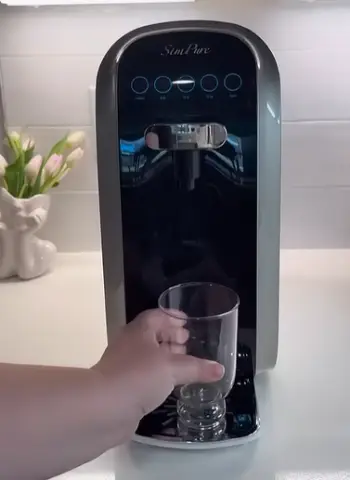
- Filter Replacement Is Part of Ownership
The biggest thing I wouldn’t ignore is filter replacement.
No water filter remains effective forever. The filtration media eventually becomes exhausted, and some filters can become less effective when they are overdue for replacement.
That means you need to budget for replacement filters and remember to change them according to the manufacturer’s recommendations and your actual water usage.
- Installation Can Vary by Model
Some systems are easier to set up than others.
A basic countertop model can be relatively straightforward, while an under-sink or reverse osmosis system may require more installation work.
If you’re not comfortable connecting plumbing components, you may want professional assistance.
- Reverse Osmosis Can Produce Wastewater
If you choose a reverse osmosis model, remember that RO systems generally produce wastewater as part of the filtration process.
The amount varies by system and operating conditions, but it’s something I would consider before installation.
You should also make sure you have an appropriate drain connection and enough space for the components.
- Not Every Model Removes Every Contaminant
This is probably the most important limitation.
I wouldn’t assume that because a product is called a water purifier or water filter, it automatically removes every possible contaminant.
Different filtration technologies target different substances.
If you’re worried about lead, fluoride, PFAS, microorganisms, pesticides, heavy metals, or another specific contaminant, check the exact capabilities of the model you’re considering and compare them with your water test results.
Maintenance For SimPure Water Filter
- Replace Filters on Schedule
The simplest maintenance rule is also the one people forget most often.
Replace the filter when required.
I wouldn’t wait until the water tastes strange before thinking about replacement. A filter can become less effective without giving you an obvious warning.
Keep track of when you installed the filter so you have a clear reference point.
- Clean the System Regularly
External surfaces, water reservoirs, pitchers, dispensers, and removable components should be cleaned regularly.
I prefer using a gentle cleaning approach rather than harsh chemicals that could damage components or leave unwanted residues.
Always follow the cleaning instructions for your particular model.
- Check Connections
For systems connected to plumbing, occasionally inspect tubing and connections.
Look for dripping water, loose fittings, unusual moisture, or changes in water flow.
A small leak can become a much bigger inconvenience if it goes unnoticed under a sink.
- Watch the Water Flow
A noticeable decrease in water flow can be a sign that the filter needs attention.
It doesn’t automatically mean the filter is exhausted because low pressure, clogged components, or other issues can also cause slow filtration.
Still, I wouldn’t ignore a sudden change.
- Clean Reservoirs and Storage Areas
If your system includes a water tank or reservoir, don’t overlook it during cleaning.
Standing water and neglected containers aren’t something I want in a drinking-water system.
Empty and clean the reservoir according to the product instructions, particularly if you haven’t used the system for an extended period.
- Flush New Filters Properly
When you install a replacement filter, don’t immediately assume the first water produced is ready for normal use.
Many filtration systems require an initial flushing process to remove manufacturing residues or carbon fines.
I always recommend following the specific flushing instructions rather than guessing.
- Don’t Let the System Sit Unused for Too Long
If you’re leaving home for an extended period, take appropriate steps for your specific filtration system.
Depending on the design, this may involve emptying the reservoir, shutting off the water supply, or replacing the filter when you return.
The exact procedure depends on the model.
- Pay Attention to Unusual Taste or Smell
A change in taste or odor shouldn’t automatically be ignored.
Sometimes it’s simply a filter that needs replacement. Other times, it could indicate another issue with the water source or filtration system.
If something suddenly seems wrong, stop and investigate rather than assuming the system will correct itself.
- SimPure Countertop Water Filters
Countertop filtration is one of the most convenient choices for people who don’t want permanent plumbing modifications.
I particularly like this category for renters or anyone who wants a relatively flexible setup.
The main advantage is accessibility. You can keep the system near your kitchen sink and produce filtered water without taking up cabinet space.
The trade-off is countertop space. If your kitchen is already crowded with appliances, you need to consider whether the system will become an inconvenience.
For someone who wants simplicity without committing to an under-sink installation, this type of SimPure system can be appealing.
- SimPure Reverse Osmosis Systems
Reverse osmosis is a different proposition.
Instead of simply improving taste, an RO system uses a membrane-based process to reduce many dissolved substances.
This makes RO attractive when your primary concern goes beyond taste and odor.
However, I would also expect more components, more maintenance, and a more involved installation compared with a basic filter.
I wouldn’t automatically choose RO just because it sounds more advanced. If your water needs don’t justify it, a simpler filtration system may be more practical.
Comparison Of Simpure Water Filter With Other Brand
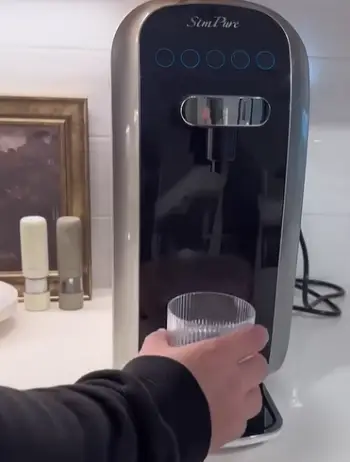
- SimPure vs Brita
Brita is strongly associated with everyday pitcher and faucet filtration, making it a familiar option for people who want simple filtered water.
SimPure has a broader selection of filtration formats, including more advanced systems.
For me, the difference comes down to what I need. If I want something simple that fits easily into an everyday drinking routine, a basic pitcher-style approach can be convenient.
If I want a countertop purification system or a reverse osmosis setup, SimPure offers options that go beyond the typical pitcher format.
- SimPure vs PUR
PUR also focuses heavily on accessible household water filtration, particularly pitcher and faucet-based solutions.
SimPure stands out to me when I look at the broader range of filtration equipment.
The important point is that neither brand should be judged only by its name. I would compare the exact filter technology, certified contaminant claims where applicable, capacity, replacement costs, installation requirements, and expected maintenance.
That approach gives me a more realistic picture than simply asking which brand sounds better.
- SimPure vs Aquasana
Aquasana is another established name in home water filtration.
Compared with SimPure, the product ranges overlap in some areas but can differ significantly depending on the specific model.
I would look closely at filtration stages, installation style, replacement filter availability, operating costs, and the contaminants each system is designed to reduce.
If you’re comparing these two brands, don’t stop at the initial purchase price. A system that costs less initially may have different long-term filter expenses.
- SimPure vs Waterdrop
Waterdrop offers a wide selection of household filtration products, including countertop, under-sink, and reverse osmosis systems.
This makes the comparison with SimPure particularly relevant because both brands have options for people looking beyond basic pitcher filtration.
When I compare them, I focus on the exact model rather than the brand alone.
Look at filtration performance, water production speed, filter lifespan, replacement cost, installation requirements, storage capacity, and wastewater considerations for RO systems.
Those details tell me much more than a product’s appearance or marketing claims.
Is SimPure Worth It?
I think SimPure can be worth considering if you want convenient home filtration and choose a system that actually matches your water needs.
The biggest mistake would be choosing a filter without first understanding your water.
If you’re mainly trying to improve taste and odor, you may not need the complexity of reverse osmosis. If you’re concerned about dissolved contaminants, a more advanced system could make more sense.
I also like the fact that SimPure gives consumers multiple formats to choose from.
The downside is that more options can make the decision confusing. That’s why I recommend identifying your priorities first.
Think about your water source, available space, household size, desired filtration level, maintenance tolerance, and replacement-filter budget.
Once you know those things, selecting a suitable model becomes much easier.
Also Read: Is Mila Air Purifier Worth It?
Frequently Asked Questions (FAQ)
SimPure is a water filtration brand associated with manufacturing and operations in China, while its products are sold to consumers in multiple markets.
Some SimPure filtration systems can reduce or remove certain particulate contaminants, potentially including microplastics, depending on the specific filtration technology and model.
There isn’t one universally most effective brand. The right choice depends on the contaminants you need to reduce and the filtration technology used by the specific model.
Filter life varies by model, filter type, water quality, and usage. Always follow the replacement interval specified for your particular system.
Final Verdict
After considering the filtration options, convenience, maintenance requirements, and different system designs, I think SimPure is worth considering if you want filtered water at home without relying heavily on bottled water.
I especially like the range of choices because you can select a simpler or more advanced system based on your needs.
If you know what contaminants concern you and choose the appropriate model, SimPure can be a practical addition to your kitchen.
I would recommend it to buyers who are prepared to maintain their filter regularly rather than treating it as a completely maintenance-free appliance.
Recent Posts
I spent months comparing budget options against established names after my last set of tires wore out sooner than expected.My goal here is to share what I learned from putting Dextero and...
AquaTru Carafe Vs. Classic: Which Is Actually Fits Your Kitchen?
I decided to write this comparison after months of testing both the AquaTru Carafe and the Classic in my own kitchen. Tracking covered daily use.Taste stayed consistent. Refill frequency...