
If you want a hair dryer brush that can quickly dry and style your hair at the same time, the SKIMI hair dryer brush may look appealing at first glance.
However, after considering its overall design, styling performance, convenience, and reported customer feedback, I would not recommend buying it.
While the concept is useful and some users may enjoy the results, the negative experiences reported by customers raise enough concerns for me to suggest looking at more established alternatives before spending your money.
My First Experience With The SKIMI Hair Dryer Brush
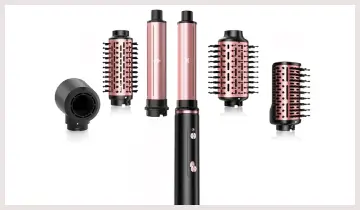
The first thing I noticed about the SKIMI hair dryer brush was how familiar the concept felt. Instead of using a traditional blow dryer in one hand and a round brush in the other, the idea is to combine both functions into a single styling tool.
For someone like me who prefers a quicker morning routine, that sounds extremely convenient.
I have always liked the idea of reducing the number of tools sitting around my bathroom.
When my hair is wet, I don’t particularly enjoy standing there holding a dryer while trying to control a separate brush. A dryer brush solves that problem by allowing me to move the tool through my hair while directing warm air around the strands.
At first, the SKIMI design seemed practical. The brush-style shape gives me something to grip while styling, and the combination of airflow and heated brushing is intended to help transform damp hair into a smoother, more finished style.
It is particularly appealing when I want volume around the roots or a softer shape through the lengths.
However, convenience is only one part of the equation.
When I evaluate a styling tool, I want to know whether it actually delivers consistent results without creating additional problems. A dryer brush needs to produce useful airflow, distribute heat reasonably well, feel comfortable during extended use, and leave the hair looking better rather than simply getting it dry.
That is where my opinion of SKIMI becomes more cautious.
The results can depend heavily on hair type, moisture level, section size, and styling technique. If I work with smaller sections and avoid starting with soaking-wet hair, the styling process can be easier to manage.
On the other hand, if I expect the brush to take very wet hair and immediately produce a polished salon-style finish, I can easily end up disappointed.
I also think expectations matter enormously with products like this. A dryer brush is not automatically a professional blowout machine simply because it combines drying and brushing. The performance still depends on the motor, airflow, heat distribution, brush construction, and overall engineering.
Another factor that caught my attention was customer feedback. While there are people who appear to enjoy the convenience, negative reviews are difficult for me to ignore. Complaints involving performance, durability, consistency, and overall satisfaction can change the value proposition considerably.
That matters because a hair styling tool is something I expect to use repeatedly. If I’m paying for convenience, I don’t want that convenience to disappear because the tool becomes unreliable or doesn’t perform consistently.
I also pay attention to how a dryer brush handles different hair textures. Someone with fine, naturally straight hair may have a completely different experience from someone with thick, coarse, curly, or highly textured hair. A tool that works well for one person may feel underpowered to another.
For my own routine, I would treat the SKIMI brush more as a convenience styling device than as a replacement for every other hair tool. It can potentially help with drying, smoothing, shaping, and adding volume, but I wouldn’t expect it to eliminate the need for other styling equipment.
My biggest takeaway is simple: the concept is attractive, but the reported customer dissatisfaction makes me hesitant to spend money on it when there are other dryer brushes available.
That doesn’t mean every SKIMI user will have a poor experience. It simply means I wouldn’t make it my first choice based on the overall picture.
Pros Of The SKIMI Hair Dryer Brush
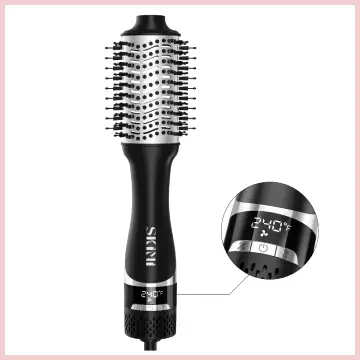
- Convenient Two-in-One Styling
The strongest advantage of a product like SKIMI is convenience. I don’t have to coordinate a separate dryer and brush throughout the entire process.
For someone who styles their hair frequently, that can make a noticeable difference.
I can start with towel-dried hair, divide it into sections, and work through each section using the brush. The process feels more straightforward than holding two separate tools.
This is particularly useful when I’m getting ready quickly and don’t want a complicated routine.
- Helps Reduce Styling Steps
I appreciate anything that simplifies my routine without requiring me to sacrifice too much appearance.
A traditional blowout can involve several stages: rough drying, sectioning, brushing, directing airflow, and finishing. A dryer brush combines some of those steps.
That means you can potentially get from damp hair to a more polished appearance with fewer tools.
For busy mornings, that convenience can be valuable.
- Can Add Volume
A dryer brush can be useful for people who want more body at the roots or fuller-looking lengths.
When I lift the brush slightly while drying a section, I can encourage the hair to sit away from the scalp. This can create a more voluminous appearance than simply drying the hair downward.
The result will depend heavily on hair type, but the technique itself is useful.
- Useful for Smoothing Hair
The brushing action can help organize the hair while warm air dries it.
If my hair looks fluffy or uneven after air-drying, working through the strands with a dryer brush can help create a smoother finish.
Again, I wouldn’t expect perfectly straight results from every hair type, but the combination of brushing and airflow can make the hair appear more controlled.
- Easier Than Managing Two Tools
This is one of those benefits that sounds small until you actually try it.
Holding a dryer in one hand and a brush in another can require coordination. With a dryer brush, the brush itself becomes the main styling tool.
For beginners, that may feel much more manageable.
- Potentially Useful for Everyday Styling
I don’t think dryer brushes are only for special occasions. They can be useful for everyday grooming when you want your hair to look more finished without spending a long time styling it.
The SKIMI brush fits that general concept.
My concern isn’t really the basic idea. My concern is whether this particular product consistently delivers enough performance and durability to justify choosing it over better-established alternatives.
Cons Of The SKIMI Hair Dryer Brush
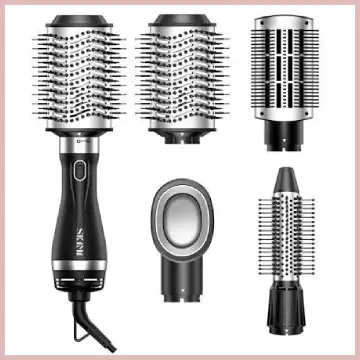
- Mixed Customer Experiences
The biggest concern for me is the reported negative customer feedback.
When a product receives complaints from buyers, I pay attention to recurring patterns rather than dismissing every negative review as an isolated case.
Issues involving inconsistent performance, durability, or satisfaction can be particularly important with an electrical styling tool.
Even if some customers have positive experiences, recurring negative feedback makes me cautious.
- Performance May Not Meet Expectations
A dryer brush can look impressive in promotional demonstrations, but real-world results can be different.
Thick or particularly wet hair can require more drying power than a compact styling brush provides.
If you’re expecting fast drying and a professional finish at the same time, you may find the performance less impressive than anticipated.
- Results Depend on Hair Type
This isn’t necessarily unique to SKIMI, but it is worth mentioning.
Fine hair may respond quickly to a dryer brush, while thick or coarse hair may take considerably longer.
Curly and textured hair can also require different techniques and attachments.
So, if your hair needs substantial heat and airflow to become manageable, I would be particularly careful about choosing a less established dryer brush.
- Durability Concerns
I place durability high on my list because a styling appliance isn’t something I want to replace every few months.
When customer reports raise questions about longevity, that affects the overall value for me.
A lower initial price doesn’t necessarily mean better value if the tool doesn’t hold up to regular use.
- Not a Complete Replacement for Every Styling Tool
I wouldn’t buy the SKIMI brush expecting it to replace a professional blow dryer, curling iron, flat iron, and round brush simultaneously.
It is designed around convenience.
If you need highly specific styling control, another tool may still be necessary.
- Heat Requires Care
Like any heated hair appliance, a dryer brush can cause excessive dryness or damage if I repeatedly use high heat or keep the brush stationary on one section for too long.
This isn’t necessarily a flaw unique to SKIMI, but it is an important consideration.
Maintenance Tips For The SKIMI Hair Dryer Brush
- Clean the Brush Regularly
The simplest maintenance habit is also one of the most important.
Hair, styling products, oils, and dust can collect around the bristles and airflow openings.
I make it a habit to remove loose hair after the tool has completely cooled down. If buildup is allowed to accumulate, airflow can become restricted and the brush can become harder to use.
I wouldn’t wait until the brush looks dirty before cleaning it.
- Keep Air Vents Clear
Airflow is essential to a dryer brush.
If the intake or ventilation areas become blocked by hair or dust, the appliance may have to work harder to move air.
I check the ventilation areas regularly and gently remove visible debris.
I avoid poking objects deeply into the appliance because that can damage internal components.
- Allow the Brush to Cool
After styling, I don’t immediately throw the brush into a drawer or bag.
I let it cool completely first.
This helps prevent heat from being trapped around other objects and makes storage safer.
It also gives me an opportunity to clean away any loose hair before putting the appliance away.
- Don’t Use It on Soaking-Wet Hair
Starting with extremely wet hair can make the process unnecessarily demanding.
I prefer towel-drying first and removing excess moisture before using a dryer brush.
This can make styling faster and reduces the amount of time the appliance needs to operate.
It also makes it easier to shape the hair instead of simply trying to dry it.
- Use Heat Protection
Whenever I use heated styling equipment, I consider heat protection an essential part of the routine.
A suitable heat-protective product can help reduce the impact of repeated thermal styling.
I apply it according to the product instructions and avoid saturating my hair immediately before using a heated appliance.
- Don’t Hold the Brush in One Place
Movement matters.
If I leave a heated brush sitting on one section for too long, the concentrated heat can stress the hair.
Instead, I keep the brush moving through the section and use controlled passes.
That approach gives me more even styling and helps prevent excessive heat exposure.
- Store It Carefully
I don’t wrap the cord tightly around the appliance.
Instead, I loosely arrange the cord and store the brush somewhere dry and clean.
Bathrooms can become humid, so I prefer a storage location away from direct water exposure.
- Watch for Changes in Performance
One maintenance habit I recommend is paying attention to how the tool behaves over time.
If airflow suddenly becomes weaker, the appliance becomes unusually hot, produces an unusual smell, or behaves inconsistently, I stop using it until the issue can be addressed safely.
An electrical styling appliance isn’t something I would continue using if it shows obvious signs of malfunction.
Comparison Of SKIMI Hair Dryer Brush Other Brands
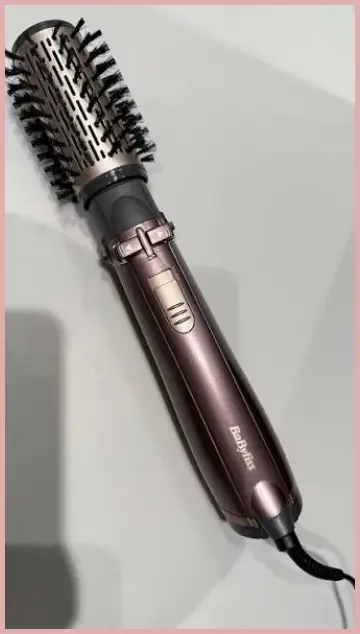
- SKIMI Compared With Established Hair Styling Brands
When I compare SKIMI with more established hair-tool brands, the biggest difference for me is confidence.
Established manufacturers often have a longer history of producing styling appliances and a broader range of models.
That doesn’t automatically mean every established product is perfect, but it gives me more information to consider when choosing a tool.
With SKIMI, the mixed customer feedback makes me more cautious.
- SKIMI Compared With Traditional Blow Dryers
A traditional blow dryer gives me more control over airflow direction.
I can pair it with different brushes depending on the style I’m creating.
That takes more coordination, but it can also provide greater flexibility.
The SKIMI-style dryer brush is simpler because the brush and dryer are combined.
So the choice comes down partly to convenience versus flexibility.
- SKIMI Compared With Premium Dryer Brushes
Premium dryer brushes often focus heavily on airflow management, temperature control, ergonomic design, brush construction, and hair protection features.
A more expensive tool isn’t automatically better, but higher-priced models may offer more refinement.
If I’m going to use a dryer brush several times a week, those details matter to me.
The SKIMI option may appear attractive when looking at price or basic functionality, but I would consider the long-term ownership experience before making a decision.
Who Might Consider a Hair Dryer Brush?
If you want to simplify your morning routine, a dryer brush can make sense.
I particularly understand the appeal for people who want smoother hair, additional volume, or a quick everyday blowout without handling multiple tools.
It can also be useful for people who struggle with coordinating a round brush and conventional dryer.
However, I would be more cautious if you have very thick hair, need extremely fast drying, or regularly create complicated hairstyles.
In those situations, a powerful conventional dryer combined with dedicated styling tools may give you greater control.
Is SKIMI Worth Buying?
This is where I would personally hesitate.
The basic concept is useful. A dryer brush can absolutely make everyday hair styling easier, and the SKIMI design aims to provide that convenience.
But convenience alone isn’t enough for me.
When I consider the reported negative customer experiences alongside the questions about consistency and long-term satisfaction, I don’t think the potential benefits clearly outweigh the concerns.
If I were shopping today, I would compare several alternatives before choosing SKIMI.
I would look at established manufacturers, warranty coverage, customer feedback, temperature controls, airflow, brush design, and replacement options.
Most importantly, I would avoid making a purchase based solely on attractive product claims.
A hair tool should work reliably because I expect to use it repeatedly.
Also Read: Is Laifen Hair Dryer Worth It?
Frequently Asked Questions (FAQ)
There isn’t one universally highest-rated hair dryer brush for every person. Ratings vary according to hair type, styling needs, price, and customer experience. I would compare verified customer feedback, heat settings, airflow, brush design, warranty coverage, and suitability for your hair before choosing one.
Customer experiences appear mixed. Some users appreciate the convenience of combining drying and brushing, while negative feedback raises concerns about performance, reliability, and overall satisfaction. Because of those concerns, I would research alternatives carefully before purchasing.
The right choice depends on your hair type and styling goals. If you have fine hair, you may prioritize gentle heat and temperature control. If your hair is thick, strong airflow may matter more. I would also consider durability, ergonomics, brush construction, and customer feedback rather than focusing on one feature.
Yes, hair dryer brushes can work very well when used correctly. They combine airflow, heat, and brushing to dry and shape hair simultaneously. Results depend on hair type, moisture level, technique, and the quality of the appliance. They are especially useful for creating smoother, fuller everyday styles.
Final Verdict
After considering the convenience, styling concept, potential benefits, and reported customer complaints, I would not recommend the SKIMI hair dryer brush as my first choice.
While the two-in-one design can make styling easier, recurring negative customer experiences make me cautious about its reliability and overall value.
If you’re shopping for a dryer brush, I would spend more time comparing established alternatives, paying particular attention to durability, heat control, airflow, warranty support, and long-term customer satisfaction.
For me, those factors matter more than simply getting a convenient-looking styling tool at an attractive price.
Recent Posts
I spent months comparing budget options against established names after my last set of tires wore out sooner than expected.My goal here is to share what I learned from putting Dextero and...
AquaTru Carafe Vs. Classic: Which Is Actually Fits Your Kitchen?
I decided to write this comparison after months of testing both the AquaTru Carafe and the Classic in my own kitchen. Tracking covered daily use.Taste stayed consistent. Refill frequency...