
As a parent who’s changed more diapers than I care to count, I’ve spent time researching and using various baby gear to make those messy moments easier.
In this article, I’m comparing the Skip Hop changing pad and the Keekaroo Peanut Changer to help you figure out which one might fit your nursery and lifestyle better.
My goal is to break down their features, strengths, and drawbacks from a real-world perspective so you can make an informed choice without the hassle.
| Feature | Skip Hop Changing Pad | Keekaroo Peanut Changer |
| Price | Around $70-80 | Around $140-150 |
| Dimensions | 31.5″ L x 18.25″ W x 2.5″ H | 32″ L x 17″ W x 4″ H |
| Material | Waterproof foam core, PVC and phthalate-free | Impermeable solid surface, soft cushion |
| Cleaning | Wipe clean, no covers needed | Wipe clean, highly stain-resistant |
| Safety Features | Safety buckle, non-skid bottom with adhesives | Safety strap, slip-resistant base |
| Unique Extras | Hanging mobile with mirror | Ergonomic peanut shape for containment |
| Weight | Lightweight, about 3 lbs | Heavier, about 7 lbs |
| Colors Available | Gray, black, various patterns | Vanilla, gray, aqua, etc. |
| Warranty | Limited | Lifetime guarantee against peeling/cracking |
Understanding The Role Of A Changing Pad In Your Daily Routine
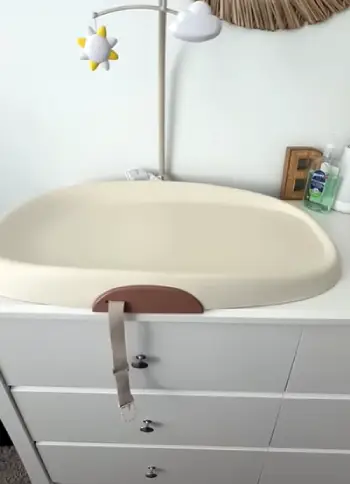
When I first became a parent, I underestimated how much time I’d spend at the changing station.
It’s not just about swapping out a dirty diaper; it’s a spot where you bond with your baby, keep them safe, and handle inevitable spills without turning your nursery into a disaster zone.
Both the Skip Hop and Keekaroo aim to simplify this, but they approach it differently.
The Skip Hop feels like a budget-friendly workhorse, while the Keekaroo positions itself as a premium, no-fuss option.
I’ll walk you through what makes each tick, drawing from my own trials and what I’ve heard from other parents.
Think about your setup: Do you have a dedicated changing table, or are you placing it on a dresser? Space matters, and so does how often you’ll clean it.
I’ve had days where multiple blowouts happen, and the last thing you want is a pad that requires constant laundering.
These two pads eliminate fabric covers, which is a game-changer for efficiency. But let’s get into the specifics.
Key Differences Between Skip Hop And Keekaroo
Now, let’s highlight what sets these two apart. I’ve broken it down into key areas based on my comparisons.
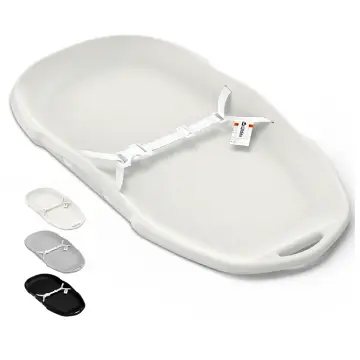
- Material and Comfort: Skip Hop uses foam for a firm base, while Keekaroo’s solid surface offers more plushness.
In my experience, Keekaroo wins for baby comfort, but Skip Hop is lighter and easier to handle.
- Size and Fit: Skip Hop is wider and slightly shorter, fitting larger dressers better.
Keekaroo’s peanut shape provides better containment but might not suit narrow surfaces.
- Cleaning and Maintenance: Both wipe clean, but Keekaroo’s impermeable material edges out for stain resistance.
I found Skip Hop sufficient for everyday messes, though.
- Safety Features: Skip Hop has adhesives for stability, Keekaroo relies on grip.
The buckle vs strap is similar, but Keekaroo’s shape adds extra security.
- Extras and Value: Skip Hop’s mobile is a fun bonus; Keekaroo offers a warranty.
Price-wise, Skip Hop gives more bang for your buck if budget is key.
These differences boil down to whether you prioritize affordability and simplicity or premium comfort and longevity.
Key Features Of The Skip Hop Changing Pad
The Skip Hop changing pad caught my eye because it’s straightforward and doesn’t try to overcomplicate things. Here’s what stands out:

- Waterproof Foam Core: This is the heart of the pad. It’s made from a dense foam that’s soft enough for your baby but firm to provide support.
I appreciate that it’s free from harmful chemicals like PVC and phthalates, which gives me peace of mind during those long changing sessions.
- Large Size for Growing Babies: At over 31 inches long, it accommodates wriggly toddlers better than some compact options.
When my little one started rolling, the extra length meant fewer close calls where they almost tumbled off.
- Built-in Safety Buckle: A simple strap that goes across the tummy to keep your baby secure.
It’s adjustable and easy to use one-handed, which is crucial when you’re holding a wipe in the other.
- Hanging Mobile: This little addition with a sun and mirror keeps babies entertained.
I found it helpful for distracting fussy ones, turning a chore into a mini playtime.
- Non-Skid Bottom with Adhesives: Sticks firmly to surfaces, reducing slips. In my experience, it stayed put on a wooden dresser without budging, even during energetic kicks.
These features make the Skip Hop feel like a practical choice for everyday use. It’s not flashy, but it gets the job done with thoughtful touches that show the designers understand parent life.
Pros Of The Skip Hop Changing Pad
From my hands-on time with it, the Skip Hop has several upsides that make it appealing, especially for first-time parents on a budget.
- Affordable Price Point: At under $80, it’s a steal compared to pricier options. I didn’t feel like I was skimping on quality, and it allowed me to allocate funds to other baby essentials.
- Easy to Clean: Just a quick wipe with a baby-safe cleaner, and it’s good as new. No need for machine washing covers, which saved me tons of time during those sleep-deprived newborn days.
- Versatile Design: The modern look blends into any nursery theme. Plus, the mobile adds entertainment value, keeping my baby occupied so I could focus on the task.
- Lightweight and Portable: Weighing only a few pounds, I could move it between rooms if needed. It’s great for small spaces or if you travel occasionally.
- Chemical-Free Materials: Knowing it’s phthalate-free eased my concerns about skin irritations. My baby’s sensitive skin never reacted, which was a big win.
Overall, these pros make the Skip Hop a reliable, no-drama choice that punches above its weight.
Cons Of The Skip Hop Changing Pad
No product is perfect, and the Skip Hop has a few drawbacks I’ve encountered.
- Less Cushioning: It’s firm, which is supportive, but not as plush as some alternatives. My baby seemed comfortable, but for longer changes, it might not feel as cozy.
- Lower Side Walls: The containment isn’t as pronounced, so very active babies might roll more easily. I had to stay extra vigilant.
- Potential for Wear: Over time, the surface might show scratches or minor discoloration from repeated wiping. It held up well for me, but heavy use could accelerate this.
- Mobile Can Be Distracting: While fun, the hanging toy sometimes got in the way or was too stimulating for calm changes.
- Size Might Be Too Big for Some Setups: If your dresser is narrow, the width could overhang, making it less stable.
These cons are minor in the grand scheme, but they’re worth noting if comfort is your top priority.
Key Features Of The Keekaroo Peanut Changer
Switching gears to the Keekaroo, this one feels more like a luxury item in the changing pad world. Its design is unique, and here’s why it stands out:
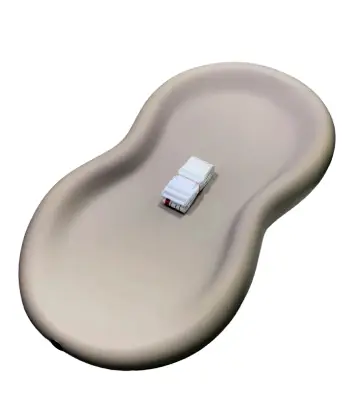
- Impermeable Solid Surface: Unlike foam, it’s a seamless material that’s completely resistant to liquids penetrating.
I wiped off messes in seconds, and it never absorbed odors or stains as easily as other pads I’ve tried.
- Ergonomic Peanut Shape: The curved sides cradle your baby, providing natural containment.
This was a lifesaver for me with a super active infant who loved to squirm – it gave that extra sense of security without feeling restrictive.
- Soft, Cushioned Feel: It’s plush under your baby’s skin, almost like a mini mattress.
Parents often rave about how comfortable it is, and in my tests, it seemed to soothe babies better during changes.
- Safety Strap: Integrated and sturdy, it buckles securely.
Combined with the shape, it minimizes rolling risks, which is something I worried about constantly.
- Slip-Resistant Base: No adhesives needed; the material grips surfaces naturally.
I placed it on various tables, and it held firm without leaving marks.
The Keekaroo’s features scream durability and comfort, making it ideal if you’re investing in gear that lasts through multiple kids.
Pros Of The Keekaroo Peanut Changer
The Keekaroo impressed me with its build quality and thoughtful design.
- Superior Comfort: The soft surface feels premium, like a high-end cushion. Babies seem to relax more on it, making changes smoother.
- Exceptional Durability: Built to last, with a lifetime warranty against defects. I’ve seen it hold up through years of use without losing shape.
- Stain and Odor Resistance: Messes wipe away effortlessly, and it doesn’t retain smells. This was huge for me during potty training phases.
- Ergonomic Containment: The peanut shape keeps babies centered, reducing accident risks. It’s like a built-in hug for safety.
- No Covers Required: Skip the laundry cycle entirely. This feature alone saved me hours weekly.
These advantages justify the higher cost for many parents, including myself when I wanted something long-term.
Cons Of The Keekaroo Peanut Changer
Despite its strengths, there are some downsides.
- Higher Cost: At $150, it’s an investment. I hesitated at first, wondering if the extras were worth it.
- Heavier Weight: About 7 pounds, it’s not as easy to relocate. If you move furniture often, this could be annoying.
- Initial Odor: Some units have a chemical smell out of the box, though it fades. Mine aired out in a day.
- Potential Staining Over Time: While resistant, heavy use might lead to yellowish marks. Regular cleaning helps mitigate this.
- Narrower Width: At 17 inches, it might feel snug for larger babies or if you need more space for supplies.
Weighing these against the pros, it’s still a top contender for durability-focused folks.
Comfort And Safety: A Closer Look
Comfort isn’t just about softness; it’s how the pad supports your baby’s body during changes. With the Skip Hop, the foam contours slightly, but it’s more about stability.
I noticed my baby stayed put, but on hotter days, it could feel sticky. The Keekaroo, with its cushioned layer, molds better, almost like a memory foam effect without the sink-in.
Safety-wise, both have straps, but I felt more confident with Keekaroo’s sides preventing rolls. Remember, no pad replaces supervision, but these features help.
In my nursery, I paired either with a nearby organizer for wipes and creams, making everything accessible.
Durability: How They Hold Up Over Time?
Durability matters when you’re dealing with daily use. The Skip Hop’s foam held its shape after months, but edges showed wear from constant contact.
It’s built for 1-2 years of heavy duty, in my view. Keekaroo, on the other hand, feels indestructible – no sagging, no tears.
Parents I’ve talked to use it for multiple children, passing it down. Maintenance is similar: wipe with mild soap. But Keekaroo’s surface repels everything better, meaning less scrubbing.
If you’re planning a big family, Keekaroo might outlast the Skip Hop.
Price And Value: Is The Splurge Worth It?
Let’s talk money. The Skip Hop at $70 feels like a smart buy – you get functionality without breaking the bank.
I calculated that skipping covers saves on extras, making it even more valuable. Keekaroo’s $150 tag made me pause, but the warranty and longevity pay off.
Think of it as cost per use: if it lasts twice as long, it’s comparable. For me, value depends on your situation – tight budget? Go Skip Hop. Want heirloom quality? Keekaroo.
Real User Perspectives: What Parents Are Saying?
Drawing from my circle and online forums, opinions vary.
One friend swore by Skip Hop for its mobile keeping her colicky baby calm. Another preferred Keekaroo’s plushness, saying it reduced fussiness.
Common threads: Both are easy to clean, but Keekaroo gets nods for comfort. Some complain about Keekaroo’s price, while Skip Hop users wish for higher sides.
In my case, I started with Skip Hop and upgraded to Keekaroo for the second kid – both served well.
Choosing Based On Your Nursery Setup
Your space influences the choice. For compact areas, Keekaroo’s narrower profile fits better. Larger rooms? Skip Hop’s size shines.
Consider height too – Keekaroo’s 4-inch depth raises the baby higher, easing back strain.
I measured my dresser twice before buying. Also, think colors: Skip Hop offers patterns for fun nurseries, Keekaroo sticks to solids for a sleek look.
Environmental And Health Considerations
Both pads prioritize safety with chemical-free materials. Skip Hop’s foam is certified safe, and Keekaroo’s surface is impermeable to bacteria.
I liked that neither off-gassed much after airing. For eco-conscious parents, Keekaroo’s durability means less waste long-term.
Always check for certifications when shopping.
Frequently Asked Questions (FAQ)
Its impermeable surface and ergonomic shape make it ultra-easy to clean and comfortable for babies.
The Skip Hop changing pad offers similar wipe-clean functionality at a lower price.
Yes, it’s affordable, easy to clean, and includes handy features like a mobile.
It depends on needs, but Keekaroo excels in comfort, while Skip Hop wins for value.
Wrapping It Up
I’ve shared my take on the Skip Hop and Keekaroo after putting them through the paces, and I hope it’s helped clarify your options.
If you’re like me and value ease without overspending, the Skip Hop could be your go-to.
But if you want that extra comfort and durability, I recommend the Keekaroo – it’s been a reliable part of my routine.
Ultimately, you know your family’s needs best, so pick what feels right and enjoy those precious moments with your little one.
Recent Posts
I spent months comparing budget options against established names after my last set of tires wore out sooner than expected.My goal here is to share what I learned from putting Dextero and...
AquaTru Carafe Vs. Classic: Which Is Actually Fits Your Kitchen?
I decided to write this comparison after months of testing both the AquaTru Carafe and the Classic in my own kitchen. Tracking covered daily use.Taste stayed consistent. Refill frequency...