
You know how it is – you’re tossing and turning at night, waking up with a sore jaw or headaches, and your dentist mentions teeth grinding.
That’s when I first thought about grabbing a SleepRight dental guard. It seemed like an easy fix, no boiling needed, and available at stores like Walmart or CVS.
But after digging into it, trying one out, and seeing all those mixed reviews online, I’m here to tell you: don’t rush to buy this.
There are better options out there that won’t leave you frustrated. Let me share my experience and break it down so you can decide for yourself.
My Personal Experience With The Sleepright Dental Guard
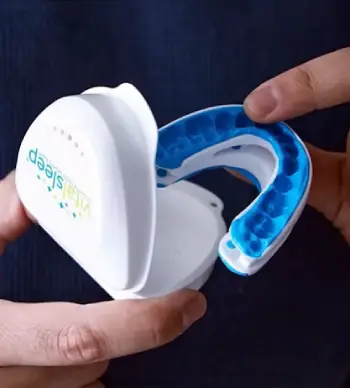
I remember the night I decided to give the SleepRight dental guard a shot.
I’d been dealing with bruxism – that’s the fancy term for grinding your teeth while you sleep – for months.
My dentist had pointed out some wear on my molars during a routine checkup, and she suggested a night guard to protect them.
But custom ones from the dentist can cost hundreds of dollars, so I figured an over-the-counter option like SleepRight would be a smart, affordable start.
I picked up the Ultra-Comfort model from a local pharmacy for about $20. The packaging promised no-boil fitting, which sounded perfect because who wants to mess with hot water at bedtime?
When I opened the box, it looked simple enough: a flexible guard with bite pads and a stability band. The instructions said to adjust the band to fit your bite, and it was supposed to mold to your teeth over time.
I tried it on right away, and at first, it felt okay – not too bulky, and the material was soft-ish. But as I lay down that first night, things went south quickly.
The guard kept shifting around in my mouth. I’d wake up every couple of hours with it half-dislodged, poking into my gums or cheeks.
It was like trying to sleep with a poorly fitted retainer from my teenage braces days. By morning, my jaw felt more achy than before, and I had this weird pressure on my front teeth that lingered all day.
I gave it a few more nights, thinking maybe I needed to adjust the band better. SleepRight claims their “self-adjust technology” makes it comfy, but for me, it never quite settled in.
The bite pads are meant to cushion the grinding, but they felt too thick, making my mouth feel propped open unnaturally.
I ended up clenching even harder, I think, because my brain was registering this foreign object. One morning, I noticed a small irritation on my inner lip – nothing major, but enough to make me question if this was helping or hurting.
I scoured online forums and review sites like Amazon and Walmart, and I wasn’t alone. Plenty of people complained about the same issues: it doesn’t stay put, causes soreness, and for some, even worsened their TMJ symptoms.
Over the next week, I experimented with different models. I tried the Dura-Comfort version, hoping the “durable” part meant better stability.
It was a bit sturdier, with a warranty that promised it lasts longer than competitors, but the fit was still off. My teeth are a bit crowded, and the guard didn’t accommodate that well.
I’d fall asleep fine, but by 3 a.m., it’d be floating around, and I’d spit it out unconsciously. Sleep quality tanked – I was more tired than ever, and the grinding didn’t seem to stop.
My partner even noticed I was snoring more, which isn’t typical for me.
Eventually, after about two weeks, I tossed it in a drawer and went back to nothing, which wasn’t ideal but better than the discomfort.
Pros Of The Sleepright Dental Guard
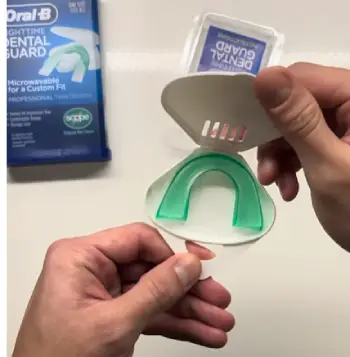
- No-boil, ready-to-wear design
You just open it, make minor tweaks to the band or wings if needed, and it’s in your mouth.
No messing with hot water, microwaves, or risking a bad mold like with boil-and-bite guards.
I loved skipping that step—super quick for impatient nights.
- Affordable price point
Usually $15–$30, way cheaper than dentist customs ($200+).
Great if you’re testing the waters or on a tight budget.
Some models even have a 45-day money-back guarantee or 2-year durability warranty from the company, which feels like decent backup.
- Safe, non-toxic materials
BPA-free, no silicone, latex, phthalates, or harmful stuff.
They’ve got a strong FDA safety record with no major issues over years.
That gave me reassurance—no weird chemical taste or worries about leaching overnight.
- Low-profile and less gum interference
Models like Ultra-Comfort have minimal material, especially on the upper sides, so it doesn’t dig into sensitive gums as much.
For people with small mouths or gum sensitivity, this makes it feel less bulky than full-coverage guards.
- Adjustable bite pads
The pads swivel and shift to match your bite angle, and some have four positions or stability wings for a semi-custom feel.
When it fits right, users say it distributes grinding pressure better and stays put via cheek/lip/gum retention.
Cons Of The Sleepright Dental Guard
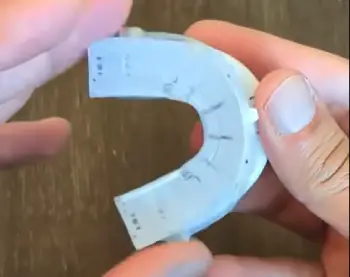
- Fit issues are super common
It’s “self-adjusting” in theory, but many (including me) find it slips, shifts, or falls out during the night.
Relies on gum/cheek/lip retention instead of teeth molding—great if that works for you, but frustrating if you move a lot or have a smaller/crowded mouth.
- Can cause more discomfort than relief
Thick/rigid bite pads sometimes prop the jaw open weirdly, leading to TMJ soreness, jaw fatigue, headaches, or gum irritation from edges/wings.
Some wake up with red spots or more clenching because the brain fights the odd object.
- Doesn’t always protect effectively
For moderate to heavy grinders, pads can wear unevenly or flatten quicker than advertised.
Users report grinding continues, no real symptom reduction, or even worse damage if it doesn’t stay aligned properly.
- Stability problems, especially side-sleeping
Without full teeth coverage, it pops out easily. Complaints about it lodging in cheeks, causing gagging, or just not staying secure—worse for active sleepers.
- Hygiene and cleaning quirks
Crevices around pads, wings, and band trap saliva/bacteria, leading to odors or buildup if you’re not meticulous. Harder to deep-clean than smoother designs.
Maintenance Tips For The Sleepright Dental Guard
- Rinse it immediately after use every morning
As soon as you take it out, rinse under cool running water or with mouthwash. This gets rid of saliva, plaque, and debris right away before they harden.
I found doing this quick step prevents most buildup and keeps it fresher longer.
- Brush gently for a deeper clean
Use a soft toothbrush and regular (non-abrasive) toothpaste or mild soap to scrub all surfaces, especially around the bite pads, stability wings/band, and any crevices.
Be gentle—the material can scratch or wear if you’re too rough.
Avoid harsh cleaners, bleach, or anything abrasive that could damage the plastic or pads.
- Never use hot water
Stick to cool or lukewarm water only.
Hot water can warp the thermal-sensitive band or soften the bite pads, messing up the fit permanently.
I learned that the hard way early on—avoid microwaving, boiling, or soaking in hot anything.
- Dry it completely before storing
Pat it dry with a clean towel, then let it air-dry fully.
Moisture left behind leads to bacteria, mold, or bad odors.
Once dry, pop it back into the included storage case to keep dust and pet chewing at bay—pets love these things, so store it out of reach.
- Do a weekly deep clean if needed
For extra freshness, soak it in a denture cleaner solution (like Efferdent or similar) or a mild white vinegar/water mix (equal parts) for 15–30 minutes once a week.
Rinse super well afterward—no lingering taste. This helps kill germs without harsh chemicals.
- Check and reshape as necessary
Every couple of weeks, inspect the stability band/wings for bends or wear.
If it’s slightly out of shape, gently adjust it back with your fingers at room temperature (no heat). Don’t force it—over-bending can cause cracks.
Also watch the bite pads; if they’re thinning or uneven from grinding, it’s time to replace.
- Store smartly
Keep the case in a cool, dry spot away from direct sunlight, heat sources, or pets. The provided case is perfect—ventilated enough to avoid moisture buildup but protective.
Comparing Sleepright Dental Guard To Other Brand
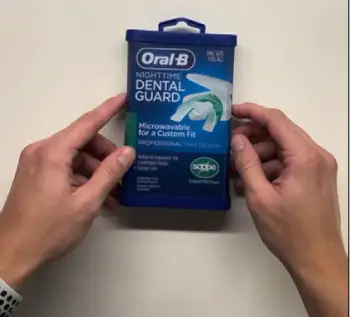
- SleepRight Dental Guard Vs. Oral-B Nighttime Dental Guard
Oral-B is a boil-and-bite type (you soften it in hot water and mold it), while SleepRight skips that step entirely—no boiling, no risk of melting it wrong.
Oral-B often wins on fit and stability; users say it stays put better all night and feels more secure once molded.
It’s similarly priced ($15–$25), but reviews give Oral-B higher averages (around 4.2–4.5 stars) for comfort and less jaw soreness.
If you don’t mind the extra 5-minute molding process, Oral-B usually edges out SleepRight for moderate grinders—fewer complaints about it popping out or causing cheek irritation.
- SleepRight Dental Guard Vs. DenTek
Both are affordable OTC options ($15–$30), but DenTek is boil-and-bite with a dual-layer design for better shock absorption.
DenTek gets praised for being thicker and more durable, especially for heavier clenching, and it covers more teeth evenly.
SleepRight’s no-boil ease is a plus if you’re lazy like I was, but DenTek users report less slippage and better protection against enamel wear.
In head-to-heads, DenTek often scores higher for long-term use (lasts 6+ months for many), while SleepRight can feel bulkier or less stable. If your grinding is moderate, DenTek might feel more reliable overall.
- SleepRight Dental Guard Vs. SOVA Aero or 3D Night Guard
SOVA is a remoldable boil-and-bite (super thin at 1.6–2.4mm, perforated for breathing), and it’s frequently called one of the most comfortable OTC guards out there.
Unlike SleepRight’s bite-pad focus (which only protects molars and relies on gum/cheek retention), SOVA covers all teeth fully and feels “like nothing’s there.”
Users switch from SleepRight to SOVA and rave about better airflow, less bulk, and actual all-night wear without shifting.
SOVA costs a bit more ($20–$40) but comes with a 120-day durability warranty—if you chew through it, they replace it. For comfort and breathing ease, SOVA blows SleepRight away for most people.
Also Read: Is Sova Aero Night Guard Worth It?
Frequently Asked Questions (FAQ)
From my experience and scanning reviews, it’s hit or miss. For light grinders, it might provide basic protection with its no-boil design and adjustable pads. But many complain about poor fit, slippage, and jaw pain, making it not ideal for moderate to severe cases. Overall, it’s not the best choice out there.
Absolutely, if you can afford them. Dentist-fitted guards are custom-made to your bite, offering superior comfort, durability, and effectiveness compared to OTC options like SleepRight. They prevent long-term tooth damage and TMJ issues better, though they cost $300-700. For chronic grinders, the investment pays off in better sleep and health.
It depends on the cause of your snoring. Mouth guards that advance the jaw (MADs) can help with mild sleep apnea or tongue-based snoring by keeping airways open. However, basic grinding guards like SleepRight aren’t designed for snoring and might not help – some users even report increased snoring. Consult a doctor for proper diagnosis.
Comfort varies, but custom-fitted guards from dentists or services like Chomper Labs top the list for their precise fit and thin material. Among OTC, SOVA or DenTek often win for slimness and softness. SleepRight aims for comfort but falls short for many due to bulkiness and shifting – go for boil-and-bite if you want something moldable.
Wrapping This Up
My journey with the SleepRight dental guard was eye-opening but ultimately disappointing.
What started as a hopeful solution for my nighttime grinding turned into nights of discomfort and frustration.
While it has some perks like ease of use and low cost, the poor fit, irritation, and lack of real protection make it hard to endorse.
If you’re considering it, weigh the cons heavily – many users, including me, found it ineffective and even counterproductive.
Instead, chat with your dentist about alternatives that truly fit your needs. Better sleep is out there, but SleepRight isn’t the path for most. Save your money and your sanity.
Recent Posts
● Interactive 5-Zone Interior & Exterior Paint Blueprint Paint Coverage Calculator: Gallons, Primer, Square Footage & Cost Tap any architectural surface zone on the blueprint...
If you want smooth, shiny hair without spending a fortune on a premium styling tool, the Ella Bella hair dryer may be worth considering.In these Ella Bella hair dryer reviews, I’ll look...