
If you want cookware that combines traditional craftsmanship with dependable cooking performance, the Smithey Dutch oven deserves a closer look.
I appreciate the appeal of heavy-duty cast iron that can move from stovetop searing to slow oven cooking without sacrificing heat retention.
Smithey cookware targets buyers who value durability, thoughtful design, and a premium finish.
Although it costs more than many everyday alternatives, I would recommend considering it if you cook regularly and want a long-lasting Dutch oven that can become a staple in your kitchen.
My First Experience With The Smithey Dutch Oven

When I evaluate a premium Dutch oven, I look beyond its appearance. I want to know whether it distributes heat effectively, handles different cooking methods, feels manageable during everyday use, and justifies its price.
These are the qualities that make the Smithey Dutch oven an interesting option for home cooks who appreciate traditional cast iron.
Smithey Ironware is known for its carefully finished cast-iron cookware, particularly its smooth cooking surfaces and classic appearance.
Its Dutch oven offerings appeal to people who enjoy cooking from scratch, whether that means preparing a hearty beef stew, simmering tomato sauce, braising chicken, or baking bread.
The first thing I notice about premium cast iron is its substantial construction. A well-made Dutch oven should feel sturdy, with a lid that fits securely and handles that provide a practical grip.
Smithey’s traditional design has an appealing, old-fashioned character that looks equally comfortable on a modern stovetop or a farmhouse kitchen shelf.
However, I would not judge the cookware by its looks alone. A heavy pot needs to feel stable when filled with ingredients, and its handles must be practical when wearing oven mitts. Because cast iron retains heat, I also want a lid that helps maintain a consistent cooking environment.
One important consideration is that Smithey’s exact product specifications depend on the model. Before buying, I would check the capacity, weight, lid design, cooking-surface finish, and compatibility with my stove.
Pros Of The Smithey Dutch Oven
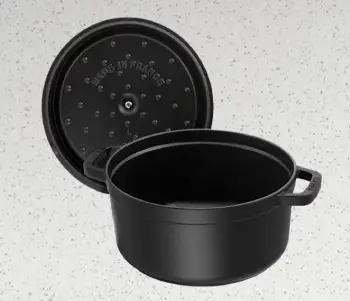
- Excellent Heat Retention
Heat retention is one of cast iron’s strongest advantages.
When I cook a large batch of stew or braise a tough cut of meat, I want the pot to maintain a reasonably steady temperature rather than cool dramatically whenever I add ingredients.
A heavy Dutch oven helps with that goal. Once properly preheated, it can support steady simmering and slow cooking.
This does not mean cast iron distributes heat perfectly across every part of the pot. The burner, pot dimensions, cooking temperature, and preheating method all influence the result.
I would still stir occasionally and avoid assuming that a thick pot eliminates every hot spot.
For dishes that benefit from gentle, consistent cooking, the material is a meaningful advantage.
- Long-Term Durability
I prefer kitchen equipment that can serve me for years instead of needing frequent replacement. Traditional cast iron is appealing because the material is robust and does not depend on a delicate synthetic nonstick coating.
A properly maintained pot can handle regular cooking, although it is not indestructible. Sudden temperature changes, dropping the cookware, or striking it against a hard surface can cause damage.
With reasonable handling, a cast-iron Dutch oven can become a long-term household staple. That durability makes the initial investment easier to understand, especially for someone who cooks several times a week.
- Attractive, Timeless Design
Cookware does not need to look beautiful to work well, but I understand why appearance matters to many buyers.
Smithey’s traditional styling appeals to people who enjoy classic kitchen equipment. The pot can look appropriate on an open shelf, beside a wooden cutting board, or on the table when serving a family meal.
For me, the appeal is strongest when the appearance accompanies practical performance. I would not pay a premium for looks alone, but I would appreciate a product that is both useful and attractive.
- Versatility for Home Cooking
A quality Dutch oven can handle many recipes that would otherwise require separate pots and pans.
I can imagine using one for Sunday pot roast, weekday lentil soup, slow-cooked chili, and weekend bread baking. This versatility makes it especially useful in kitchens where storage space is limited.
The pot’s suitability for a particular recipe depends on its capacity and dimensions. A smaller model may be perfect for meals for two but inconvenient for a large family. I would choose the size based on the portions I usually prepare rather than buying the largest option automatically.
- Suitable for Slow Cooking and Braising
Braising involves browning ingredients before cooking them slowly with a modest amount of liquid. A Dutch oven is particularly well suited to this technique because it can support both stages.
I like this style of cooking because it turns tougher cuts of meat into tender meals and gives aromatics, herbs, and cooking liquids time to develop flavor.
A heavy lid also helps limit moisture loss, although the exact result depends on how tightly it fits and whether the recipe calls for covered or uncovered cooking.
- A Repairable Approach to Cookware Ownership
Cast iron has a practical advantage over cookware whose performance depends on a thin nonstick coating. Depending on the finish and the type of damage, seasoning problems can often be corrected through cleaning and reseasoning.
That does not mean every defect is repairable. Cracks, severe warping, or structural damage may make a pot unsafe to use.
Still, ordinary maintenance is relatively straightforward. For people who enjoy caring for their kitchen tools, that can be more satisfying than replacing a worn coating.
Cons Of The Smithey Dutch Oven
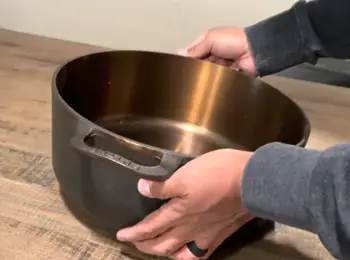
- Premium Pricing
The most obvious concern is cost. Smithey is positioned as a premium cast-iron brand, so its products may be considerably more expensive than basic cast iron from mass-market manufacturers.
That price difference does not necessarily translate into proportionally better meals. A more affordable Dutch oven can also retain heat, braise meat, and prepare soups effectively.
I would pay extra for Smithey only if I valued its particular construction, finish, design, or ownership experience enough to justify the difference.
- Heavy Weight
Cast iron is naturally heavy, and the weight increases when the pot is filled with food.
This can become inconvenient when transferring a bubbling stew from the oven, draining excess liquid, or washing the pot in a small sink.
If lifting heavy cookware is uncomfortable for you, I would compare the actual product weights before making a decision. A smaller pot or a lighter enameled alternative may be more practical.
- Slower Temperature Adjustments
Cast iron retains heat exceptionally well, but that same property means it does not cool down quickly when you reduce the burner.
If I turn the heat too high at the beginning, the pot may remain hotter than I want even after lowering the setting. Delicate sauces and foods that scorch easily require patience.
I would use moderate heat, preheat gradually, and allow the cookware time to respond to adjustments.
- Maintenance Requirements
Bare cast iron needs more attention than many modern coated pots. Depending on the finish, I may need to dry it promptly and apply a thin layer of cooking oil to help protect the surface.
I would also avoid leaving food or water in the pot for extended periods.
If the particular Smithey model has an enameled interior or another special finish, its maintenance requirements may differ. Buyers should follow the instructions for the exact model rather than assuming every cast-iron product is cared for identically.
- Not Ideal for Every Recipe
A Dutch oven is versatile, but it is not the best choice for every kitchen task.
For quick weeknight meals, a lightweight stainless-steel saucepan may be easier to handle. For delicate foods requiring rapid temperature changes, a different pan may offer better control.
Likewise, the large size of some Dutch ovens can be inconvenient for small portions.
I would view the Smithey Dutch oven as a specialist in slow cooking, braising, and heat retention rather than a replacement for every pot in my kitchen.
Maintenance For The Smithey Dutch Oven
- Identify the Exact Finish Before Cleaning
My first step would be to establish whether the Dutch oven has a bare cast-iron cooking surface, an enameled interior, or another finish.
This distinction matters because bare cast iron generally benefits from seasoning, while enameled cookware has different care requirements.
I would read the manufacturer’s care instructions before applying oil, using abrasive cleaning tools, or attempting to restore the surface.
The goal is to protect the finish without introducing unnecessary maintenance steps.
- Clean the Pot After Every Use
Once the cookware has cooled enough to handle safely, I would clean it with warm water and an appropriate amount of dish soap.
For ordinary food residue, a soft sponge or nonabrasive brush is usually a sensible starting point. If ingredients have stuck to the bottom, I would add a little water and gently loosen the residue rather than scraping aggressively.
I would avoid pouring cold water into an extremely hot pot. Sudden temperature changes can stress cast iron or damage certain finishes.
I would also avoid leaving the pot soaking for long periods, especially if it has an uncoated cast-iron surface.
- Dry Bare Cast Iron Thoroughly
Moisture management is particularly important for bare cast iron.
After washing, I would dry the pot with a clean towel. If the manufacturer’s instructions permit it, I could place it over low heat briefly to evaporate remaining moisture.
I would never put a wet pot away and assume that the surface will dry completely on its own.
Persistent moisture can encourage rust, particularly around edges, handles, and other areas where water collects.
For enameled cookware, I would follow the specific drying and cleaning guidance provided for that finish.
- Maintain the Seasoning When Needed
Seasoning is a protective layer created by bonding very thin layers of oil to bare cast iron through heating.
If my Smithey model requires seasoning, I would apply a very thin film of suitable cooking oil to the clean, dry surface when needed. Excess oil can become sticky, so I would wipe away any visible surplus.
If the surface starts looking dry or develops minor rust, I would consult the manufacturer’s restoration instructions before reseasoning.
I would not automatically season an enameled interior, because enamel does not require the same treatment as bare cast iron.
- Preheat Gradually
I would avoid turning the burner to maximum immediately. Instead, I would begin with low or medium heat and increase it gradually as needed.
This approach helps the cookware heat more evenly and reduces the risk of overheating a bare cast-iron cooking surface.
When searing meat, I would allow the pot to warm before adding the food and use an appropriate amount of cooking oil.
For slow-cooked recipes, steady heat is generally more useful than aggressive heat. A gentle simmer is often all that is required once the ingredients have come to temperature.
- Protect the Pot From Thermal Shock
Thermal shock occurs when cookware experiences an abrupt temperature change.
For example, moving an extremely hot Dutch oven directly onto a cold, wet surface or pouring cold liquid into it may create unnecessary stress.
I would use a heat-resistant trivet and allow the pot to cool gradually before washing it.
This precaution is especially important when handling enameled cast iron, because sudden temperature changes can contribute to damage in the enamel coating.
- Use Appropriate Utensils
I would select utensils according to the cooking surface.
Wooden, silicone, or other suitable utensils can help protect delicate finishes and reduce unnecessary scratching. With bare cast iron, metal utensils may be acceptable in some situations, but I would still avoid forceful scraping that could damage the surface or create rough marks.
I would also avoid dropping utensils into the pot or striking the rim against hard objects.
Small habits like these help preserve both appearance and functionality.
Comparison Of Smithey Dutch Oven With Other Brands

- Smithey vs. Le Creuset
Le Creuset is particularly well known for enameled cast-iron Dutch ovens, while Smithey is associated with traditional cast-iron cookware and a strong emphasis on craftsmanship.
The distinction matters because bare cast iron and enameled cast iron offer different ownership experiences.
An enameled Dutch oven generally does not require seasoning and is convenient for recipes involving acidic ingredients, such as tomato sauces and wine-based braises. Its smooth interior is also relatively straightforward to clean.
Bare cast iron can be appealing to cooks who appreciate traditional cookware and are comfortable maintaining its surface. However, prolonged cooking with acidic ingredients may be less suitable for some seasoned surfaces.
I would choose Le Creuset if I prioritized an enameled cooking surface and straightforward everyday maintenance. I would consider Smithey if its specific model, finish, and traditional design better matched my cooking habits.
Neither brand is automatically superior for every household.
- Smithey vs. Lodge
Lodge is a familiar option for buyers who want practical cast iron at a more accessible price.
Its Dutch ovens and other cast-iron cookware can provide the heat retention and durability that make this material useful. For many home cooks, Lodge delivers the essential cooking experience without requiring a premium investment.
Smithey’s appeal is more closely connected to its premium presentation, finish, and craftsmanship.
If I wanted a dependable Dutch oven for regular family meals while keeping costs down, I would seriously consider Lodge. If I valued a more refined finish and the overall experience of owning premium cookware, I would compare the particular Smithey model against it.
For straightforward cooking performance, the less expensive option may be entirely sufficient.
- Smithey vs. Staub
Staub is another major name in enameled cast-iron cookware. Its Dutch ovens are designed for slow cooking, braising, and other recipes that benefit from steady heat.
The main comparison is not simply which pot retains heat better. Both brands use cast iron, so the more useful questions concern the cooking surface, lid design, dimensions, finish, price, and care requirements.
I would lean toward Staub if I wanted an enameled pot and preferred its specific design features. I would consider Smithey if its traditional cast-iron approach and finish better suited my preferences.
For either brand, I would confirm the exact model’s oven-temperature limits and cleaning requirements before purchasing.
- Smithey vs. Cuisinart
Cuisinart offers cookware across several price points, including Dutch ovens that appeal to buyers seeking practical performance without paying exclusively for premium craftsmanship.
Depending on the model, a Cuisinart Dutch oven may offer an enameled surface and a more accessible price.
Smithey may be more attractive to someone who values traditional cast iron and the brand’s particular finishing approach.
I would compare capacity, empty weight, lid fit, oven compatibility, and warranty terms before making a decision. A pot that is easier to handle and clean may deliver more everyday value than one that simply looks more impressive.
- Smithey vs. Victoria
Victoria is another brand associated with traditional cast-iron cookware.
For buyers who appreciate bare cast iron, comparing Victoria and Smithey can help clarify whether premium finishing and design justify a higher price.
Both options should be evaluated according to the specific product rather than the brand name alone. I would look at the interior finish, overall dimensions, handle design, lid construction, and maintenance requirements.
If I were buying cookware primarily for utility, I would lean toward whichever model met my needs at the lower total cost. If craftsmanship and presentation were major priorities, I would give Smithey more consideration.
Is The Smithey Dutch Oven Worth Buying?
For me, the decision comes down to how I cook and what I value in cookware.
If I regularly prepare stews, braises, soups, roasts, and other meals that benefit from steady heat, a quality Dutch oven is a sensible investment. Cast iron is durable, versatile, and well suited to these cooking methods.
Smithey becomes particularly interesting if I appreciate its craftsmanship and traditional appearance enough to pay a premium.
However, I would not assume that the price automatically guarantees better cooking results than every alternative. Lodge, Le Creuset, Staub, and other established brands offer different combinations of materials, finishes, and prices.
Before buying, I would confirm the model’s capacity, weight, finish, stove compatibility, oven-temperature limits, and warranty. These practical details matter more than marketing claims.
My recommendation is to consider Smithey if you cook frequently, enjoy caring for traditional cookware, and want a premium pot that can serve you for years. If affordability or low-maintenance cleaning matters more, a less expensive or enameled alternative may be the smarter choice.
Also Read: Is Intellicook Air Fryer Worth It?
Frequently Asked Questions (FAQ)
Not necessarily. Smithey appeals to fans of traditional cast iron and craftsmanship, while Le Creuset is known for enameled cookware that’s convenient to maintain. The better choice depends on your preferences.
They may be worth it if you value their finish, craftsmanship, durability, and design. Budget-conscious cooks can often find excellent everyday performance from less expensive cast-iron brands.
Smithey targets the premium end of the market, while Lodge offers more affordable cast-iron cookware. Your choice depends on your budget, preferred finish, and priorities.
Yes, depending on your needs. Staub, Smithey, and Lodge may be better choices for particular buyers based on cooking style, maintenance preferences, design, and budget.
Wrapping Up
I would recommend the Smithey Dutch oven to home cooks who appreciate traditional cast iron, attractive craftsmanship, and long-term durability.
Its heat retention and versatility make it a compelling option for slow-cooked meals, braising, and everyday comfort food.
However, its premium price, substantial weight, and potential maintenance requirements deserve consideration.
If those trade-offs fit your kitchen habits, Smithey is worth exploring. If affordability or easy cleaning matters more, compare it with Lodge, Le Creuset, and Staub before making your final purchase.
Recent Posts
If you want an affordable laptop for gaming, everyday work, and entertainment, Nimo gaming laptops may catch your attention.They often appeal to budget-conscious buyers who want capable hardware...
Alien Seal Spray Vs. Flex Seal: Which Rubber Sealant Actually Holds Up?
I’ve spent years fixing leaks around my house. From dripping gutters to stubborn roof cracks I tested both Alien Seal Spray and Flex Seal Spray side by side on real projects.My goal here is to...