
I spent months researching, testing samples in my own kitchen, and talking to fabricators before choosing between soapstone and quartz for my remodel.
My goal here is simple: help you weigh the real-world performance, look, upkeep, and cost of soapstone countertops versus quartz so you can pick the surface that fits how you actually cook, clean, and live.
I will walk you through the differences, the strengths, the drawbacks, and the questions I had to answer myself.
| Feature | Soapstone | Quartz |
| Material Type | Natural stone (talc-rich metamorphic) | Engineered stone (quartz + resin) |
| Hardness | Softer (scratches more easily) | Harder (highly scratch-resistant) |
| Porosity | Non-porous once oiled | Non-porous |
| Heat Resistance | Excellent (direct pots safe) | Good (avoid extreme sudden heat) |
| Maintenance | Regular mineral oil application | Minimal (soap and water) |
| Appearance Over Time | Develops soft patina and darkens | Stays consistent |
| Cost Range (installed) | Mid to high | Mid to high |
| Best For | Heat-heavy cooking, natural aesthetic | Busy households, low-maintenance preference |
Key Differences Between Soapstone And Quartz
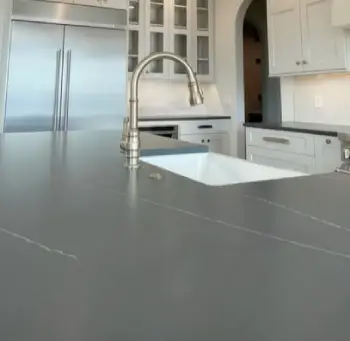
- Origin and composition: Soapstone comes straight from the earth as a natural metamorphic rock high in talc, which gives it that signature soft, almost silky feel under your hand.
Quartz is man-made, blending roughly 90 percent ground natural quartz crystals with polymer resins and pigments.
When I ran my fingers across both slabs at the stone yard, the difference was immediate—soapstone felt cool and velvety, while quartz felt denser and more uniform.
- Surface hardness and daily wear: Soapstone sits lower on the Mohs hardness scale, so knives can leave faint marks and pots can create slight indentations over years of use.
Quartz resists scratching far better. In my own kitchen tests, a dropped cast-iron skillet left a small ding in the soapstone sample but barely marked the quartz.
That softness is also why soapstone can be sanded smooth again if needed.
- Heat behavior: Soapstone shrugs off hot pans straight from the stove or oven without a trivet.
I watched a fabricator place a red-hot skillet on a soapstone sample with zero damage.
Quartz handles normal cooking heat well but can suffer from thermal shock if you move a blazing pan directly onto a cold section of counter, sometimes causing resin discoloration or cracks in extreme cases.
- Porosity and staining: Properly oiled soapstone becomes effectively non-porous and resists most liquids.
Untreated or poorly maintained soapstone can absorb oils and darken unevenly.
Quartz is non-porous right out of the factory, so wine, coffee, or tomato sauce wipe up without fear of permanent stains.
- Visual evolution: Soapstone changes. Fresh slabs often look lighter and more matte; after months of oiling and use they deepen into richer grays, greens, or blacks and develop a gentle sheen people call a patina.
Quartz stays exactly the same color and pattern you selected on day one. Some homeowners love the living quality of soapstone; others prefer the predictable finish of quartz.
- Repair options: Minor scratches on soapstone can often be sanded out with fine sandpaper and re-oiled.
Deep chips may need professional attention.
Quartz repairs usually involve epoxy fillers matched to the color, which can be less seamless on highly patterned slabs.
Key Features Of Soapstone Countertops
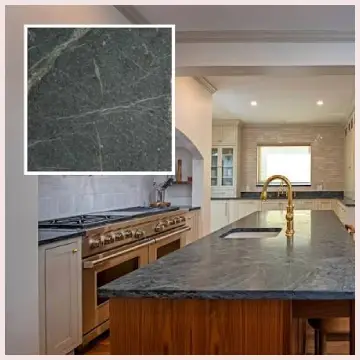
- Natural heat tolerance: You can set a Dutch oven or cookie sheet straight from a 450-degree oven onto soapstone without worry.
This feature alone sold me for the cooking zone of my kitchen.
- Soft, tactile surface: The high talc content creates a unique hand-feel that many people describe as warm and inviting rather than cold and hard like granite or quartz.
- Chemical resistance: Soapstone holds up well against acids and bases found in everyday kitchen use.
Lemon juice or vinegar will not etch it the way they can damage marble.
- Color range and veining: Most soapstone arrives in muted grays, charcoal, soft greens, and occasional blues with subtle veining.
The look is understated and works with both traditional and modern cabinets.
- Workability: Fabricators can cut and shape soapstone more easily than harder stones, which sometimes means more flexible edge profiles and sink cutouts.
- Aging process: With regular mineral oil or wax, the surface darkens and develops character.
Many owners enjoy watching this transformation over the first year.
Pros Of Soapstone Countertops
- Outstanding heat performance: Direct contact with hot cookware causes no damage. This removes the constant need for trivets in high-use areas and lets you work faster during busy meal prep.
- Forgiving soft surface: Small scratches and dings become part of the lived-in look rather than permanent eyesores. Sanding and re-oiling restore a smoother finish when desired.
- Natural, low-gloss aesthetic: The matte to soft sheen finish avoids the high-shine plastic look some engineered surfaces can have. It pairs especially well with wood cabinets and open shelving.
- Resistance to chemicals: Everyday kitchen acids and cleaners rarely affect the stone itself. You can wipe up spills without racing to neutralize them.
- Potential for custom shaping: Because the material is softer, complex curves or integrated drain boards are sometimes easier and less expensive to achieve than with harder stones.
- Timeless, quiet presence: Soapstone does not shout for attention. It provides a calm backdrop that lets other design elements shine.
Cons Of Soapstone Countertops
- Requires ongoing oiling: Most fabricators recommend mineral oil every few weeks at first, then less often as the stone saturates. Skipping this step leaves the surface lighter and more vulnerable to stains. The process is simple but becomes part of your routine.
- Softness leads to marks: Knives, metal utensils, and even heavy appliances can leave visible scratches or small pits. While many people accept this as character, perfectionists may find it frustrating.
- Color shift over time: The darkening process is not fully predictable. A slab that looks medium gray in the showroom can become nearly black after a year of oiling and use. Some buyers love the change; others wish it had stayed lighter.
- Limited color and pattern options: Compared with quartz, the palette is narrower. Bold whites, pure blacks, or dramatic marble-look patterns are not available in natural soapstone.
- Weight and structural considerations: Like other natural stones, soapstone is heavy. Cabinets and support structures must be sturdy enough to handle the load, especially for large islands.
- Higher skill needed for installation: Not every fabricator works regularly with soapstone. Finding an experienced installer matters more than with more common materials.
Key Features Of Quartz Countertops
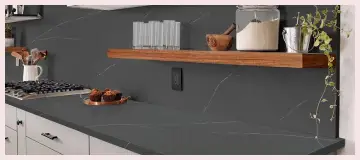
- Engineered consistency: Every slab of a given color and pattern looks nearly identical.
You can order extra material years later and match it closely.
- High scratch and impact resistance: The hardness of the quartz crystals makes the surface tough against daily abuse from knives, pots, and kids’ projects.
- Non-porous factory finish: No sealing is required. Liquids sit on the surface until wiped away, which simplifies cleanup after messy cooking or baking.
- Wide design range: Manufacturers produce everything from pure white and solid black to intricate marble veining, concrete looks, and even metallic accents.
Matching your exact vision is easier.
- Stain resistance: Common kitchen spills—coffee, red wine, olive oil, turmeric—rarely leave lasting marks when cleaned promptly.
- Predictable performance: Once installed, the counter looks and behaves the same year after year with minimal intervention.
Pros Of Quartz Countertops
- Low daily maintenance: Soap and water or a mild cleaner handle almost everything. No oiling schedule, no sealing calendar. For busy households this is a major relief.
- Superior durability against scratches: You can prepare food directly on the surface more confidently than with softer stones. Accidental knife slips leave fewer marks.
- Consistent appearance: The color and pattern you choose stay true. There is no gradual darkening or development of patina to surprise you later.
- Broad aesthetic flexibility: Whether you want a bright, airy kitchen or a dramatic dark statement, quartz offers options that natural soapstone simply cannot match.
- Hygienic surface: Because it does not absorb liquids, bacteria have fewer places to hide. This appeals to families with young children or anyone focused on kitchen cleanliness.
- Warranty protection: Most major brands back their products with lengthy warranties against manufacturing defects, giving extra peace of mind.
Cons Of Quartz Countertops
- Heat sensitivity: Although quartz handles moderate heat, extreme or sudden temperature changes can damage the resin binders. Direct placement of very hot pans is riskier than with soapstone.
- Potential for resin issues: Over many years, the polymer component can yellow slightly under intense UV light or develop small cracks if the slab experiences structural movement.
- Heavier environmental footprint in production: The manufacturing process involves mining, grinding, and chemical resins. Some buyers prefer the simpler extraction story of natural stone.
- Less “alive” surface: The engineered nature means the counter never develops the soft character that soapstone gains with age. It remains static.
- Cost can climb quickly: High-end patterns that mimic rare marble or exotic stone often carry premium pricing similar to or higher than soapstone.
- Difficult seamless repairs: When damage does occur, matching the exact pattern and sheen of a filled repair can be challenging on busy designs.
Real Kitchen Performance: What I Noticed After Months Of Use?
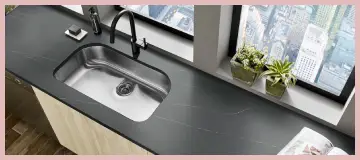
I installed soapstone on the main cooking run and a quartz island for comparison.
The soapstone handled everything I threw at it—hot cast iron, boiling pasta water, and even a brief experiment with a pizza stone pulled from a 500-degree oven.
The surface stayed cool to the touch most of the time and never showed heat marks.
The quartz island looked pristine after heavy baking sessions and kids’ craft projects, but I still reached for trivets out of habit whenever something came off the stove.
Cleaning routines diverged. On soapstone I wiped, then every couple of weeks I applied a thin coat of food-grade mineral oil, let it sit, and buffed.
The process took five minutes and left a soft luster. On quartz I simply sprayed and wiped. Both stayed clean, but the quartz required less thought.
Light scratches appeared on the soapstone near the cutting area within the first few months.
I sanded one deeper mark with 220-grit paper, re-oiled, and the spot blended in. The quartz showed almost no marks even after I intentionally tested a sharp chef’s knife on a sample edge.
Aesthetically, guests reacted differently. Some ran their hands over the soapstone and commented on how soft and natural it felt.
Others preferred the crisp, modern look of the quartz and asked where I bought it. Neither surface felt out of place; they simply served different moods.
Cost Considerations Beyond The Price Tag
Installed prices for both materials overlap in the mid-to-high range depending on thickness, edge profile, and region. Soapstone often starts a bit lower for basic slabs but can rise with rare colors or complex fabrication.
Quartz pricing spreads wider because of the huge variety of patterns. Factor in the long-term cost of oil for soapstone versus the near-zero upkeep cost of quartz.
Also consider the value of your time. If you dislike any recurring maintenance, quartz saves mental energy.
If you enjoy the ritual of caring for a natural surface, soapstone’s oiling becomes part of the experience rather than a chore.
Which Material Fits Different Lifestyles?
If you cook with high heat daily, value a natural look that softens over time, and do not mind a simple oiling routine, soapstone rewards you with performance and character.
If your kitchen sees heavy family traffic, you prefer surfaces that stay exactly as installed, and you want the broadest design choices, quartz delivers reliability and ease.
Many homeowners mix both: soapstone near the range and quartz on the island or perimeter.
That hybrid approach let me enjoy the best traits of each without forcing one material to do every job.
Frequently Asked Questions (FAQ)
Neither is universally better. Quartz wins for low maintenance and scratch resistance. Soapstone wins for heat tolerance and natural aging. Choose based on how you cook and clean.
They scratch more easily, need periodic oiling, and darken over time in ways that are not fully predictable. Color options are more limited than engineered surfaces.
Basic soapstone can cost less than premium quartz patterns, but overall installed prices often fall in a similar range. Final cost depends on slab quality, fabrication complexity, and local labor rates.
Soapstone offers superior heat resistance and a softer feel, while granite provides greater hardness and a wider variety of dramatic patterns. Soapstone requires oiling; most granite needs occasional sealing.
Final Thoughts
After months of daily use I still reach for the soapstone section when I pull something blazing hot from the oven, and I appreciate how the surface has deepened into a rich, quiet gray that feels more like furniture than a manufactured product.
At the same time, the quartz island remains spotless with almost no effort, which matters on hectic weeknights.
You will make the right choice when you match the material to your actual habits rather than to a trend or a single feature.
Test samples in your own light, ask fabricators about their experience with each, and picture yourself five years from now either oiling a living stone or wiping a surface that never changes.
That honest assessment will guide you better than any single recommendation.
Recent Posts
● Interactive 5-Zone Interior & Exterior Paint Blueprint Paint Coverage Calculator: Gallons, Primer, Square Footage & Cost Tap any architectural surface zone on the blueprint...
If you want smooth, shiny hair without spending a fortune on a premium styling tool, the Ella Bella hair dryer may be worth considering.In these Ella Bella hair dryer reviews, I’ll look...