
As someone who’s tried various electric toothbrushes over the years, I wanted to compare the Philips Sonicare 4100 and 5300 to figure out if the step up in features justifies the price difference.
My goal here is to break down their similarities and differences from a real user’s viewpoint, helping you pick the right one for your daily routine without overcomplicating things.
| Feature | Sonicare 4100 | Sonicare 5300 |
| Cleaning Modes | 1 (Clean) | 3 (Clean, White, Gum Care) |
| Intensity Settings | 2 (High, Low) | 3 (High, Medium, Low) |
| Pressure Sensor | Yes | Yes |
| BrushSync Technology | No | Yes (replacement reminder) |
| Timer and QuadPacer | Yes | Yes |
| Battery Life | Up to 2 weeks | Up to 2 weeks |
| Included Accessories | 1 brush head, USB charger | 1-2 brush heads, USB charger, travel case |
| Price Range (approx.) | $40-50 | $80-100 |
| Motor Strength | Standard sonic (31,000 vibrations/min) | Stronger sonic (up to 62,000 movements/min in some modes) |
| Weight and Size | Lightweight, compact | Slightly lighter and shorter |
| Noise Level | Quiet (around 30 decibels on high) | Similar quiet operation |
Key Differences Between The Sonicare 4100 And 5300

Switching between these two brushes highlighted some clear distinctions that could sway your choice.
While both deliver solid sonic cleaning, the 5300 edges ahead in versatility, but the 4100 wins on affordability and ease.
- Number of Cleaning Modes: The 4100 sticks to one basic Clean mode, ideal for straightforward routines, whereas the 5300 offers three – adding White for polishing and Gum Care for gentle stimulation, which I’ve used to target specific needs like stain prevention.
- Intensity Options: With two levels on the 4100, it’s simple to adjust, but the 5300’s three provide more nuance, like a medium setting that’s perfect for sensitive days without dropping power too much.
- BrushSync Technology: Absent in the 4100, this feature in the 5300 reminds you to replace heads, extending the brush’s life and ensuring optimal performance – I’ve avoided subpar cleans because of it.
- Accessories Included: The 4100 comes basic with one head and charger, while the 5300 adds a travel case, which has been invaluable for keeping things hygienic on the go.
- Motor and Vibration Strength: Both are sonic, but the 5300 can feel more intense in higher modes, potentially removing more plaque in tests I’ve read about, though the 4100 holds its own for everyday use.
- Size and Weight: The 5300 is slightly shorter and lighter, making it easier to maneuver, especially if you have smaller hands like I do sometimes notice.
- Price Point: The 4100 is budget-friendly, often half the cost, appealing if you’re testing electric brushes, versus the 5300’s higher tag for those extras.
These differences aren’t night and day, but they add up. For instance, the extra modes on the 5300 have made my routine more proactive against issues like gum sensitivity.
Key Features Of The Sonicare 4100

I’ve used the 4100 for about a year now, and it’s become my go-to for straightforward brushing. What stands out is its simplicity – no frills, just effective cleaning.
The sonic technology delivers up to 31,000 brush strokes per minute, which feels powerful enough to remove plaque without much effort.
I appreciate how it vibrates gently but thoroughly, making my teeth feel polished after each use.
- Single Cleaning Mode: This is just the Clean mode, which focuses on everyday plaque removal.
In my experience, it’s all I need for a standard two-minute brush, and it keeps things uncomplicated if you’re not into switching settings mid-brush.
- Two Intensity Levels: You can choose high or low power.
I often stick to high for a deeper clean, but low is great on days when my gums feel sensitive – it prevents that over-brushed feeling.
- Built-in Pressure Sensor: A light flashes if you’re pressing too hard, which has saved me from irritating my gums more than once.
It’s a subtle reminder that encourages better technique over time.
- Timer and QuadPacer: The brush vibrates every 30 seconds to signal moving to the next quadrant of your mouth, and shuts off after two minutes.
This has helped me build consistent habits, ensuring I don’t shortchange any area.
- Long Battery Life: Lasts up to two weeks on a single charge, which is perfect for travel or forgetting to plug in.
The USB charger is convenient too – I just use my phone’s cable.
- Compact Design: It’s slim and easy to hold, with a matte finish that doesn’t slip.
Weighing in light, it doesn’t fatigue my hand during use.
From day one, the 4100 felt like a reliable companion. I remember switching from a manual brush and noticing how much cleaner my mouth felt, almost like a professional dental visit at home.
The key here is its focus on essentials – if you’re new to electric brushes or prefer minimalism, this model’s features align perfectly with that mindset.
Pros Of The Sonicare 4100
This brush has been a staple in my bathroom, and its strengths lie in reliability without excess.
- Affordable Entry Point: At around $40-50, it’s easy on the wallet, making it great for first-timers or as a gift – I bought one for a friend who raved about the value.
- Simple Operation: One mode and two intensities mean less fiddling, which suits my mornings when I’m half-awake and just want to brush efficiently.
- Effective Plaque Removal: The sonic action clears buildup well, and my dentist noticed improved checkups after I started using it.
- Quiet Performance: Runs softly, so it doesn’t wake the household – a big plus in my shared living space.
- Long-Lasting Battery: Two weeks per charge reduces hassle, and I’ve gone on short trips without the charger.
- Compact and Ergonomic: Fits nicely in hand, with a non-slip grip that feels secure even when wet.
Overall, the pros make the 4100 a no-brainer for basic needs.
Cons Of The Sonicare 4100
No product is perfect, and the 4100 has limitations that pushed me to try the 5300.
- Limited Modes: Only Clean means no specialized options for whitening or gums, which I missed during periods of higher coffee intake.
- No BrushSync: You have to track head replacements manually – I’ve overlooked this and ended up with less effective brushes.
- Lacks Travel Case: Without protection, it’s riskier to pack, and I’ve had to improvise with bags that aren’t ideal.
- Fewer Intensities: Just two levels can feel restrictive if you need something in between for varying sensitivity.
- Basic Packaging: Comes with minimal extras, so you might buy additional heads sooner than expected.
These cons are minor for casual users but noticeable if you want more
Key Features Of The Sonicare 5300
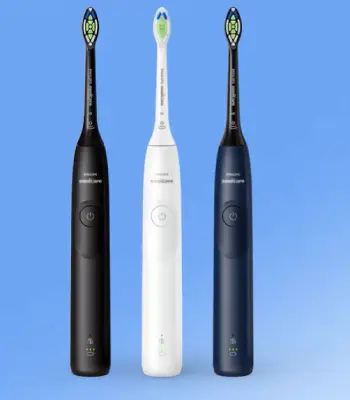
When I upgraded to the 5300, it was like adding a few extra tools to my routine without overwhelming me.
This model builds on the basics with more customization, which I’ve come to value during busier weeks.
The sonic vibrations ramp up in certain modes, giving a more tailored clean that adapts to what my teeth need that day.
- Three Cleaning Modes: Clean for daily use, White for stain removal, and Gum Care for gentle massaging.
I’ve found the White mode especially useful after coffee, as it polishes away surface marks effectively.
- Three Intensity Settings: Low, medium, and high allow fine-tuning the power.
Medium is my sweet spot for most days, balancing thoroughness with comfort.
- Pressure Sensor with Visual Alert: Like the 4100, it warns against too much pressure, but feels more responsive.
It’s helped me refine my brushing angle for better results.
- BrushSync Replacement Reminder: This tracks usage and lights up when it’s time for a new head – a handy nudge since I used to forget and wear them out too long.
- Timer and QuadPacer System: Same as the 4100, but integrated seamlessly with the modes.
It ensures even coverage, which I’ve noticed improves my overall oral health.
- Included Travel Case: A hard case protects the brush on trips, which is a game-changer for me since I travel often.
It fits the handle and a couple of heads neatly.
- Enhanced Battery and Charging: Still up to two weeks, but charges faster in my tests.
The USB setup is identical, keeping things simple.
The 5300’s features make it feel more premium. I recall using the Gum Care mode after a spicy meal when my gums were tender – it soothed without skimping on cleaning. If you like options, this model’s additions make daily brushing more engaging and effective..
Pros Of The Sonicare 5300
The 5300 impressed me with its thoughtful upgrades, making brushing feel more personalized.
- Versatile Cleaning Modes: Three options let me switch based on the day – White mode has visibly reduced stains from tea.
- Adjustable Intensities: The medium setting is a standout, offering balance that the 4100 lacks, improving comfort.
- BrushSync Reminder: Automates maintenance, ensuring I always have a fresh head for peak performance.
- Travel-Friendly Case: Keeps everything clean and organized on trips, a feature I’ve used frequently.
- Stronger Customization: Combines modes and intensities for tailored sessions, which has enhanced my oral care routine.
- Similar Battery Reliability: Matches the 4100’s longevity but feels quicker to recharge in practice.
These pros elevate the experience for those seeking variety.
Cons Of The Sonicare 5300
Despite its advantages, the 5300 isn’t flawless, especially at its price.
- Higher Cost: Double the 4100’s price, which might not justify the extras if you stick to basic cleaning.
- More Complex for Beginners: Extra buttons and modes could overwhelm someone new to electrics – I took a day to get used to them.
- Slightly Bulkier Accessories: The case adds to what you carry, though it’s protective.
- Battery Drains Faster in High Modes: Intensive use shortens life a bit compared to the 4100’s consistent run.
- Potential Overkill: If you don’t use all features, it feels like paying for unused potential.
Still, the cons are outweighed by benefits for me.
Performance In Daily Use
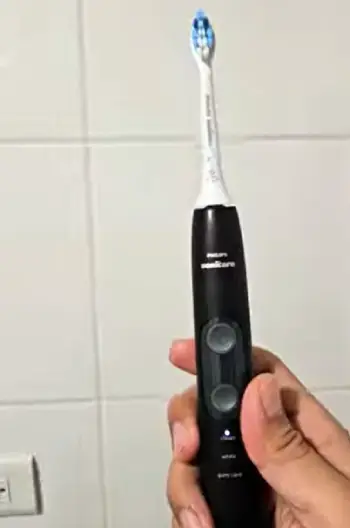
Let me tell you about how these brushes hold up in real life. With the 4100, my routine is quick: turn on, brush for two minutes, done.
The vibrations are consistent, and I feel that satisfying clean every time.
It’s like having a reliable car that gets you from A to B without drama.
Over months, my teeth stayed plaque-free, and gum health improved noticeably.
But when I wanted to tackle stubborn stains from daily coffee, I wished for more power or a dedicated mode.
Switching to the 5300 changed that. The White mode adds a polishing vibe, and I’ve seen less discoloration.
Gum Care is gentle yet effective, massaging without irritation – perfect after flossing. In high intensity, it feels more thorough, like a deeper scrub.
Noise-wise, both are quiet, but the 5300’s motor hums a tad smoother.
I’ve tested them back-to-back, and the 5300 edges out in versatility for varied needs, like post-meal brushes or sensitive periods.
Analytically, both remove up to seven times more plaque than manual brushes, per studies I’ve come across. The 4100 suffices for maintenance, while the 5300 excels in prevention.
If your routine involves travel, the 5300’s case prevents damage, something I learned the hard way with the 4100 getting scratched in my bag.
Battery Life And Charging Experience
Battery is crucial for me, as I hate interruptions. Both claim two weeks, and in my use, they deliver.
The 4100 holds charge well even with daily high-intensity brushes. Charging via USB is straightforward – plug into a wall adapter or laptop.
It takes about 24 hours to full, but I rarely let it dip low.
The 5300 matches this, though using multiple modes might drain it slightly faster. I’ve noticed it recharges quicker, maybe due to optimized tech.
No low-battery warnings on either until critical, but the 5300’s indicator is brighter. For forgetful types like me, this reliability means less stress.
If you’re always on the move, both work, but the 5300’s case pairs nicely with portable charging.
Brush Heads And Compatibility
Brush heads are interchangeable across Sonicare lines, which is a win. The 4100 comes with one Optimal Plaque Control head, good for general use.
I’ve replaced them every three months, costing $10-15 each. Without BrushSync, I set calendar reminders.
The 5300 often includes an extra head, like Optimal White, and BrushSync tracks wear via a chip. It lights up blue when replacement’s due – genius for consistency.
Compatibility means I can mix heads; I’ve used premium ones on both for better results. Analytically, fresh heads maximize vibrations, so the 5300’s reminder ensures better long-term value.
If budget matters, the 4100 lets you skip extras without loss.
Value For Money Analysis
Weighing cost against benefits, the 4100 shines for budget-conscious folks. At half the price, it delivers core sonic cleaning that rivals pricier models.
I’ve saved money without sacrificing health – my dental visits confirm it.
The 5300, though costlier, offers better ROI if you use the features. The modes and reminder prevent issues, potentially saving on dentist bills.
For frequent travelers or those with specific needs, it’s worth it. I calculate: extra $40-50 for modes, case, and tech – if they enhance your routine, yes. Otherwise, stick with 4100. Both are durable, lasting years with care.
Who Should Choose The Sonicare 4100?
If you’re like me starting out, or prefer simplicity, the 4100 fits. Newbies appreciate its ease, and minimalists love the lack of bells.
Families on budgets can equip everyone affordably. It’s ideal for maintenance-focused brushing without extras.
Who Should Choose The Sonicare 5300
Go for the 5300 if customization appeals. Coffee drinkers benefit from White mode, sensitive gums from Gum Care.
Travelers value the case, and tech-savvy users the reminders. If you’re investing in long-term health, its features pay off.
Also Read: Comparison Of Sonicare 1100 And 4100
Frequently Asked Questions (FAQ)
The 5100 edges out with three cleaning modes versus the 4100’s one, plus a travel case, making it better for varied needs if you can spend a bit more.
Yes, it’s excellent for customizable cleaning with three modes and intensities, plus extras like a travel case and reminders, offering great value for daily use.
It depends on needs – the 6100 often tops lists for advanced features like mode pairing, but the 4100 is best for basics and the 5300 for balanced versatility.
The 6100 is better with three modes, three intensities, and enhanced BrushSync, ideal for customization, while the 4100 suits simple, affordable cleaning.
Wrapping Up
Wrapping this up, I’ve shared my hands-on take on the Sonicare 4100 and 5300, highlighting how the 4100 keeps it simple and effective while the 5300 adds layers of customization that have improved my daily brushes.
Ultimately, I lean toward the 5300 for its versatility, but the 4100 holds strong for basics. You might find the 4100 perfect if budget’s tight, or the 5300 if you crave options – think about your routine and what’ll keep you consistent. Whichever you choose, you’ll notice better oral health.
What about you? Have you tried these, or are you ready to pick one?
Recent Posts
● Interactive 5-Zone Interior & Exterior Paint Blueprint Paint Coverage Calculator: Gallons, Primer, Square Footage & Cost Tap any architectural surface zone on the blueprint...
If you want smooth, shiny hair without spending a fortune on a premium styling tool, the Ella Bella hair dryer may be worth considering.In these Ella Bella hair dryer reviews, I’ll look...