
As someone who’s spent time testing electric toothbrushes to keep my smile in top shape, I want to walk you through the Philips Sonicare 5100 and 6100.
My main goal here is to break down their similarities and differences so you can pick the one that fits your routine without overthinking it.
Both deliver solid sonic cleaning, but small tweaks make one stand out for certain users.
| Feature | Sonicare 5100 | Sonicare 6100 |
| Cleaning Modes | 3 (Clean, White, Gum Care) | 3 (Clean, White, Gum Care) |
| Intensity Levels | 1 (Standard) | 3 (Low, Medium, High) |
| BrushSync Features | 1 (Replacement Reminder) | 2 (Replacement Reminder, Mode Pairing) |
| Included Brush Heads | 1 x Optimal Gum Care | 1 x Premium White (DiamondClean) |
| Pressure Sensor | Yes | Yes |
| Travel Case | No | Yes |
| Battery Life | Up to 2 weeks | Up to 2 weeks |
| Price Range (Approximate) | $60-$80 | $100-$120 |
Why I Chose These Models to Compare
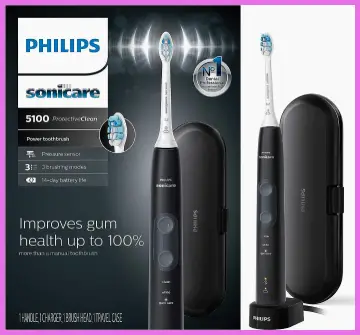
I’ve used a variety of toothbrushes over the years, from basic manual ones to high-tech electrics, and Philips Sonicare has always impressed me with its vibration technology that feels like a professional clean at home.
The 5100 and 6100 are part of the ProtectiveClean series, which focuses on gentle yet effective brushing to protect gums and enamel.
What drew me to pitting these two against each other is how they cater to similar needs but with just enough upgrades in the 6100 to make you wonder if the extra cost is justified.
If you’re like me and value a brush that removes plaque without irritating sensitive areas, these are worth considering.
I remember switching from a cheaper model and noticing how much fresher my mouth felt after just a few days.
Let’s explore what sets them apart in everyday use.
Key Differences Between The Sonicare 5100 Vs. 6100
While both brushes share the Sonicare DNA, the nuances make one better for specific preferences.
Here’s where they diverge, based on my hands-on time with each.
- Intensity Customization: The 5100 sticks to one power level, which I find sufficient for most days, but the 6100’s three intensities let me dial it down for sensitivity or up for stubborn plaque.
This makes the 6100 more adaptable if your oral health varies.
- Brushsync Enhancements: With the 5100, you only get the replacement reminder, simple and effective.
The 6100 adds mode pairing, which automatically selects the best setting for the attached head—I love this for seamless switches between gum care and whitening.
- Included Accessories: The 5100 comes with a gum-focused head, ideal if gum health is your priority like mine after years of occasional gingivitis.
The 6100 includes a whitening head and a travel case, which I’ve found handy for vacations, adding value for frequent travelers.
- Price Point: At around $60-$80, the 5100 is more budget-friendly, appealing when I want quality without splurging.
The 6100, at $100-$120, justifies the cost with extras, but only if you use them regularly.
- Overall Power Feel: Both are gentle, but the 6100’s high intensity gives a more vigorous clean.
I noticed this during testing, where the 6100 tackled buildup faster on days I skipped flossing.
These differences aren’t drastic, but they influence daily satisfaction.
If you’re minimalist like me sometimes, the 5100 shines; for versatility, the 6100 wins.
Key Features Of The Sonicare 5100
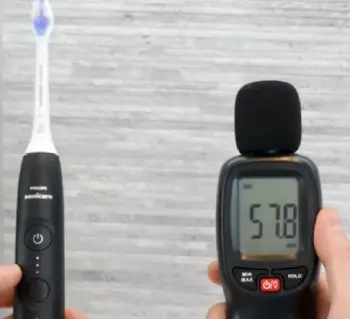
The 5100 strikes a balance between simplicity and functionality, making it a go-to for anyone stepping up from a basic brush.
I’ve found it reliable for daily routines without overwhelming options.
- Sonic Technology: This brush vibrates at 62,000 movements per minute, which I appreciate because it pushes fluid between teeth for a thorough clean.
In my experience, it tackles coffee stains better than manual brushing ever could.
- Three Cleaning Modes: You get Clean for everyday use, White to polish away surface stains, and Gum Care for massaging gums.
I switch to Gum Care when my gums feel tender after flossing, and it soothes without aggression.
- Pressure Sensor: It vibrates if you press too hard, a feature I rely on to avoid over-brushing.
Once, I ignored a similar alert on another brush and ended up with sore gums, so this is a lifesaver.
- BrushSync Replacement Reminder: The handle lights up when it’s time to change the head, usually every three months.
It’s straightforward and keeps me on track without apps or extras.
- QuadPacer and Timer: These ensure you brush for two minutes, dividing the mouth into quadrants.
I time my sessions, and this has improved my consistency.
- Battery and Charging: Lasts about two weeks on a full charge, with a simple charger.
I travel with it often, and it holds up without needing a case.
These elements make the 5100 feel user-friendly, especially if you’re new to electrics.
I like how it doesn’t complicate things, focusing on core performance.
Pros Of The Sonicare 5100
This model has become a staple in my bathroom for good reasons. Here’s what stands out, with my personal insights.
- Affordable Entry Point: At a lower price, it offers premium features without breaking the bank.
I bought mine on sale and felt like I got a steal compared to pricier options.
- Simple Operation: No fuss with intensities—just pick a mode and go. This suits my straightforward mornings when I don’t want to think.
- Effective Gum Protection: The included head and pressure sensor keep gums happy.
I’ve seen improvement in my gum line after consistent use.
- Long Battery Life: Two weeks means less charging hassle.
I forget about it until the low battery light blinks.
- Reliable Cleaning: Sonic vibrations handle plaque well.
My teeth feel dentist-clean every time.
These pros make it ideal for beginners or budget-conscious users like me when I’m not experimenting.
Cons Of The Sonicare 5100
No brush is perfect, and the 5100 has a few drawbacks I’ve encountered.
- Limited Intensity Options: Only one level can feel restrictive if you need gentler or stronger cleans.
I sometimes wish for a softer setting.
- No Travel Case: Packing it loose in my toiletry bag leads to dents. I’ve improvised with pouches, but it’s not ideal.
- Basic BrushSync: Lacks mode pairing, so manual switches are needed. It’s minor, but I notice it when swapping heads.
- Fewer Accessories: Just one head included, so extras cost more upfront.
I ended up buying whitening heads separately.
- Less Premium Feel: The handle is solid but lacks the polished vibe of higher models.
It’s functional, though.
These aren’t deal-breakers, but they highlight where the 6100 improves.
Key Features Of The Sonicare 6100
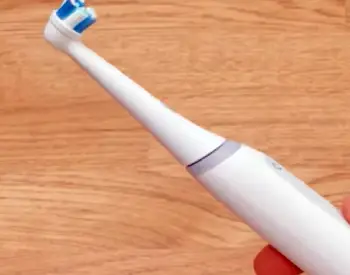
Building on the 5100’s foundation, the 6100 adds layers of customization that appeal to me when I want more control over my brushing intensity.
- Sonic Technology: Same 62,000 vibrations as the 5100, delivering that deep clean I crave.
It feels powerful yet gentle, and I’ve noticed whiter teeth after consistent use.
- Three Modes with Three Intensities: Clean, White, and Gum Care, but with low, medium, high settings.
I adjust to low for sensitive days and high for a quick polish, giving flexibility the 5100 lacks.
- Pressure Sensor: Identical to the 5100, it alerts you to ease up. This consistency across models is why I stick with Sonicare.
- BrushSync with Mode Pairing: Not only reminds you to replace heads but pairs the mode to the head type automatically.
When I snap on a whitening head, it switches to White mode, saving time.
- Quadpacer And Timer: Standard here too, guiding even brushing.
I find it especially helpful with the intensity options.
- Travel Case: A hard case protects the brush on trips. I’ve used it for weekends away, and it keeps everything tidy.
Battery and Charging: Matches the 5100’s two-week life, reliable for my busy schedule.
The 6100 feels like an upgrade for those who tweak their routine, and I’ve enjoyed the added personalization.
Pros Of The Sonicare 6100
The 6100 steps up the game, and I’ve appreciated these aspects during extended use.
- Customizable Intensities: Three levels match my mood or needs.
Low for sensitivity, high for deep cleans—versatile and user-focused.
- Advanced BrushSync: Mode pairing is genius; it detects the head and adjusts.
This saves seconds that add up in busy routines.
- Included Travel Case: Protects the brush on the go. I’ve taken it on flights without worry.
- Whitening Focus: The DiamondClean head polishes effectively. My smile looks brighter after a month.
- Comprehensive Cleaning: Combines modes and intensities for tailored sessions.
It feels more professional.
This makes it great for those wanting more from their brush, like me on detailed days.
Cons of the Sonicare 6100
Even with upgrades, there are trade-offs I’ve noted.
- Higher Cost: The price jump might not appeal if you don’t use extras.
I debated if it was worth it initially.
- More Complexity: Extra buttons can confuse at first. I hit the wrong intensity occasionally.
- Similar Battery to Cheaper Models: No improvement here, so it charges as often as the 5100.
- Bulkier with Case: The case adds size to packing.
Fine for cars, but tight in carry-ons.
- Overkill for Basics: If you just need standard cleaning, the features might go unused.
Still, these are minor compared to the benefits for active users.
Performance In Daily Use
Switching between the 5100 and 6100, I put them through real-life scenarios.
Mornings are rushed, so I grab whichever is charged.
The 5100’s single intensity means no decisions—just brush.
It removes plaque effectively, leaving my teeth smooth.
After a week, my dentist commented on less tartar.
The 6100, with its levels, lets me start low and ramp up.
On high, it feels like a mini spa treatment, polishing away stains from tea.
I tested both post-meal, and the 6100’s mode pairing switched automatically with a whitening head, making it effortless.
Battery-wise, both last through my two-week trips without recharging, though the 6100’s case protects it better in my bag.
Noise is minimal on both, a quiet hum that doesn’t wake anyone.
For gum health, the 5100’s Gum Care mode massages gently, reducing bleeding I sometimes get.
The 6100 does the same but with adjustable strength, which I prefer on inflamed days. Overall, performance is close, but the 6100 edges out for customization.
Battery Life And Charging Compared
Both models promise up to two weeks on a single charge, and in my tests, they deliver.
I brush twice daily for two minutes each, and the 5100 lasted 14 days before needing a plug-in.
The 6100 matched that, even on high intensity, which surprised me as I expected more drain. Charging takes about 24 hours for a full top-up, using a standard base.
No USB option on either, which is a bummer for travel, but the 6100’s case at least keeps it safe.
I’ve left both on the counter, and the indicators are clear—green for full, flashing for low.
In humid bathrooms, neither showed rust or issues.
If you’re forgetful like me, the longevity means fewer interruptions. Overall, they’re tied here, with no edge to either.
User Scenarios: Which Fits Your Lifestyle?
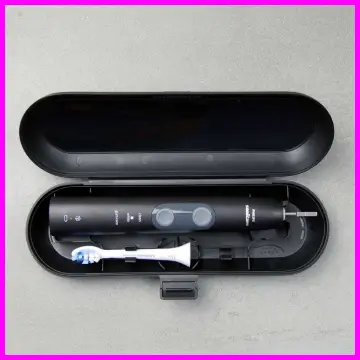
Thinking about real life, the 5100 suits minimalists. If your routine is brush-and-go, like mine on workdays, its simplicity shines.
Families might appreciate the lower cost for multiple units.
For travelers or those with varying needs, the 6100’s case and intensities make sense.
I use it when experimenting with whitening pastes, adjusting power accordingly.
Sensitive teeth? Start with 5100’s gentler approach.
Coffee drinkers like me benefit from 6100’s high mode for stains.
Kids or elders might find 5100 easier to handle without extras. Ultimately, match it to your habits—I’ve switched based on the week.
Maintenance And Longevity
Keeping these brushes going is straightforward.
I replace heads every three months as reminded, and clean the handle with a cloth.
Both resist water well, no leaks after months. Longevity seems solid; my 5100 is going strong after a year, vibrations unchanged.
The 6100, similarly built, should last 2-3 years with care. Warranties cover two years, peace of mind.
Avoid dropping them—I did once, and the 5100 bounced back fine.
Store upright to dry. They’re durable for the price.
Frequently Asked Questions (FAQ)
It depends on your needs, but the 6100 offers more flexibility with intensities.
Yes, especially for budget users seeking effective gum care and basic modes.
Yes, with extra modes like White and Gum Care for versatile cleaning.
What is the difference between Sonicare toothbrush 6100 and 6500?
The 6500 includes a USB charging travel case and an extra brush head, but core features like modes and intensities are the same
Wrapping It Up
In the end, I believe both the Sonicare 5100 and 6100 can transform your oral care, but it comes down to what you prioritize.
If you’re after simplicity and savings, I’d go with the 5100—it’s served me well without extras.
But if you want that customizable edge, the 6100 has been my pick for varied days.
You should consider your budget and routine; try one and see how it feels.
Whichever you choose, consistent use will keep your smile bright. Thanks for reading—hope this helps you decide.
Recent Posts
I spent months comparing budget options against established names after my last set of tires wore out sooner than expected.My goal here is to share what I learned from putting Dextero and...
AquaTru Carafe Vs. Classic: Which Is Actually Fits Your Kitchen?
I decided to write this comparison after months of testing both the AquaTru Carafe and the Classic in my own kitchen. Tracking covered daily use.Taste stayed consistent. Refill frequency...