
I have spent years experimenting with vibrant hair colors at home. I tested drugstore kits. I tested specialty formulas. I applied them on my own strands.
I applied them on friends. My main intent with this piece is to give you a clear side-by-side look at Splat and Manic Panic. You can decide which one fits your hair goals. You can decide which one fits your budget.
You can decide which one fits your tolerance for mess. You avoid wasting money. You avoid damaging your locks.
| Aspect | Splat | Manic Panic |
| Color Range | About 23 shades | 40+ shades across Classic and Amplified lines |
| Longevity | Claims 4-6 weeks. Strong on pre-lightened hair | Classic 4-6 weeks. Amplified up to 6-8 weeks |
| Formula Type | Semi-permanent. Kits often include bleach | Semi-permanent cream. No developer needed |
| Price Point | Kits often $10-15. More affordable overall | Jars around $14 for 4 oz. Higher per use sometimes |
| Application Ease | Can be messy. Stains heavily | Creamy. Smoother glide. Less transfer reported |
| Hair Feel After Use | Mixed. Some dryness from bleach kits | Conditioning base leaves hair softer |
| Best For | Budget full transformations | Color variety. Gentler feel |
| Bleed/Stain Risk | High. Especially first week | Moderate. Improves with proper rinsing |
My Real Experiences With Both Brands
I first reached for Splat. The complete kits sat next to the shampoo at my local store. They cost less than a movie ticket.
The promise of bleach plus color in one box felt efficient. Manic Panic entered my rotation later. I wanted more shade options.
I wanted something that did not leave my bathroom looking like a crime scene. Patterns emerged over multiple applications.
Patterns emerged on different hair lengths. Patterns emerged on different starting levels. Patterns go beyond marketing claims.
Both brands deliver bright unnatural colors. People chase these colors for festivals. People chase these colors for photos. People chase these colors for everyday self-expression. Neither requires a permanent commitment. The day-to-day reality of using them differs. Choosing wrong can leave you with faded results.
Choosing wrong can leave you with stained towels. Choosing wrong can leave you with hair that feels like straw.
Key Differences Between Splat And Manic Panic
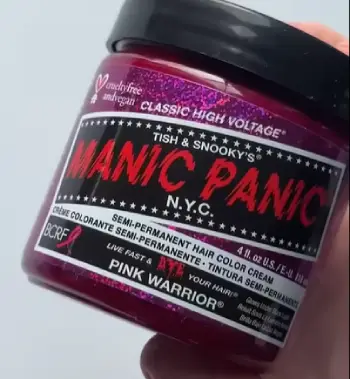
- Color selection and availability: Manic Panic offers a broader spectrum. It includes classic brights.
It includes pastels in some lines. It includes deeper tones. Splat keeps a tighter list. It focuses on high-impact neons.
It focuses on jewel shades. Exact matching to a specific inspiration photo favors Manic Panic. Manic Panic usually gives more room to experiment.
- Packaging and convenience: Splat kits frequently bundle bleach. They bundle color. They bundle gloves.
They bundle a conditioner. That all-in-one approach saves a trip. It helps when you start from dark hair.
Manic Panic sells mostly individual jars. You handle lightening separately if needed.
- Staining and cleanup: Splat earns its reputation for transferring. It transfers onto skin. It transfers onto clothing.
It transfers onto bathroom surfaces. Transfer happens more aggressively in the first several washes.
Manic Panic can bleed too. Reds bleed. Blues bleed. The creamy texture rinses cleaner for many users in my circle.
- Longevity under real-life washing: Both can hold for weeks on pre-lightened hair. Splat sometimes clings longer in certain shades.
Reds cling especially well. Manic Panic fades more evenly.
It fades more predictably. Some people prefer this when they plan to switch colors soon.
- Overall hair condition after repeated use: Manic Panic’s conditioning base tends to leave strands feeling softer.
Splat’s results vary more. The included lightener can be harsher.
It becomes harsher if left on too long. It becomes harsher if used too often.
Key Features Of Splat
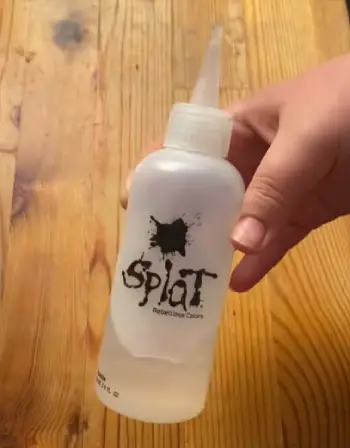
- Complete kits with lightener: These packages let you go from brown or black to vivid color in one session.
The included bleach works for many. Results depend heavily on starting level. Results depend heavily on processing time.
- Affordable pricing and wide retail presence: You can grab a kit at big-box stores. You need no special ordering
. That accessibility makes it easy to try a new shade on a whim.
- Ammonia-free and PPD-free color formulas in many products: The dye itself avoids some of the harshest chemicals.
Permanent dyes contain those chemicals. Conditioning ingredients like oils appear in the post-color treatment.
- Strong pigment payoff on lightened hair: The color shows up bold once the base is pale enough.
It shows up true to the swatch. It holds for a solid stretch of time.
Multiple formats including no-bleach options: Lines exist for people who already have light hair.
Lines exist for people who prefer temporary effects. Those effects wash out faster.
Pros Of Splat
- Budget-friendly full kits: One purchase covers lightening. It covers coloring for most head lengths. That value stands out. You calculate the cost of buying bleach and dye separately.
- Intense initial color result: The payoff looks striking right after rinsing on properly prepped hair. Certain shades maintain depth longer than expected.
- Easy to find in everyday stores: You need no hunt for specialty shops. You need no wait for shipping when inspiration hits.
- Variety of wash durations: Options exist for one-wash experiments. Options exist up to longer-lasting formulas. Flexibility matches how committed you feel.
- Inclusive of conditioners in kits: The post-color treatment helps offset some of the dryness. Bleaching can cause that dryness.
Cons Of Splat
- High risk of staining surfaces and fabrics: Towels pick up color. Pillowcases pick up color. Shower walls pick up color. This lasts for days or weeks. Proper protection becomes mandatory. It is no longer optional.
- Potential for uneven application: The thinner consistency in some formulas can run. It can leave patches. You must work quickly. You must section carefully.
- Bleach component can feel harsh: Over-processing leads to dryness. Frequent use of the included lightener leads to dryness. It leads to breakage for some hair types.
- Limited shade count compared with competitors: Finding the exact undertone you want sometimes requires creative mixing. You settle for close enough at other times.
- Bleed continues longer for many users: Water can run colored for multiple showers even after thorough rinsing. This complicates daily routines.
Key Features Of Manic Panic
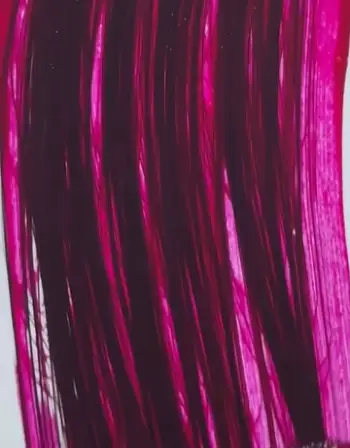
- Extensive shade library: The range covers almost any fantasy look. It goes from Electric Banana to Vampire’s Kiss.
Mixing jars is common. Mixing jars is encouraged.
- Creamy conditioning base: The texture spreads easily. It claims to condition while depositing color.
Many users notice softer hair after rinsing. Softness exceeds other semi-permanents.
- Different intensity levels: Classic High Voltage lasts a standard semi-permanent stretch.
Amplified versions pack more pigment. They provide longer wear.
- Vegan and cruelty-free since the beginning: The brand has decades of history in alternative beauty.
It maintains clear ethical positioning.
- Developer-free application: You open the jar. You apply straight to clean dry or damp hair.
No mixing means less room for measuring errors.
Pros Of Manic Panic
- Gentle feel on hair: The cream formula conditions during processing. Strands often feel better rather than worse after coloring.
- Huge range of true-to-swatch options: You want neon. You want pastel. You want deep jewel tones. The selection reduces the chance of settling.
- Predictable fade pattern: Color washes out gradually. It avoids sudden muddy stages in most cases. The transition to a new shade becomes smoother.
- Long brand history and consistent formulas: Decades of use mean plenty of real-user knowledge exists. Knowledge covers what each shade does on different bases.
- Easy mixing for custom colors: Combining jars produces unique results. No complicated chemistry is required.
Cons Of Manic Panic
- Higher cost when you need multiple jars or lightener: A full head of long hair adds up faster. A complete lightening-plus-color process adds up faster. Costs exceed a single Splat kit.
- Requires separate bleach purchase for dark hair: Extra step appears. Extra product appears. More planning is needed. Potential for mismatched lightening results increases.
- Some shades fade faster than advertised: Daily washing shortens the vibrant phase. Hard water shortens the vibrant phase. High porosity shortens the vibrant phase. Shortening is noticeable.
- Moderate bleeding still occurs: Reds transfer onto light fabrics. Certain blues transfer onto light fabrics. Transfer continues until the color stabilizes.
- Availability sometimes limited to specialty retailers or online: Impulse buys become harder. Your local drugstore may not stock the brand.
How Application And Maintenance Compare In Daily Life?
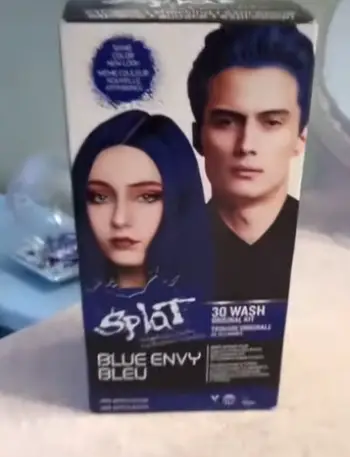
I treat the bathroom like a construction zone when I apply Splat. Plastic covers everything. Old towels become the only option. Gloves stay on longer than usual.
Processing times run around 45 minutes or more for the lightener stage. Rinsing takes patience.
The water stays colored for what feels like forever. I wash with cold water afterward. I use sulfate-free products. This stretches the life of the shade.
Manic Panic feels more relaxed. The cream sits where I put it. I can section hair. I can apply. I can leave it for 30 minutes.
Constant drip worries disappear. Rinsing still produces colored water at first. It clears sooner in my experience. Maintenance looks similar for both. Cold water helps. Color-safe shampoo helps.
Minimal heat helps. Occasional color-depositing conditioner helps. The difference shows up in how much the color transfers onto my pillowcase during the first week.
Hair health tips matter more than brand loyalty. Pre-lighten only as light as necessary. Use bond-building treatments between sessions.
Space out bleaching. Both dyes perform best on healthy porous hair. That hair has been properly prepared.
Damaged strands accept color unevenly. Overly processed strands accept color unevenly. They can break more easily under any chemical process.
Who Should Choose Which Brand?
Splat makes practical sense if you want an inexpensive one-box solution.
You do not mind heavy cleanup. It suits people who already lighten regularly. It suits people who treat vivid color as a temporary experiment.
It does not suit a long-term look. Budget-conscious beginners often start here. The barrier to entry stays low.
Manic Panic suits anyone who prioritizes hair feel. It prioritizes shade precision. It prioritizes a less chaotic process.
People with finer hair tend to prefer it. People with previously damaged hair tend to prefer it.
Those who already own lightener lean this way. Those who prefer to control the bleaching step separately lean this way. The larger color library helps. You have a very specific vision.
Neither brand works miracles on dark unbleached hair. Both need a pale base for true vibrancy.
Patch tests remain non-negotiable. Skin reactions happen with any dye. Individual results always vary. They vary with porosity. They vary with previous color history. They vary with aftercare habits.
Also Read: Is Splat Hair Dye Worth It?
Frequently Asked Questions(FAQ)
Not inherently. The included bleach can dry strands. It can weaken strands if overused. It can weaken strands if left on too long. The color itself is semi-permanent. It is less aggressive than permanent dyes.
Any brand that consistently receives reports of severe breakage deserves caution. Any brand that receives reports of allergic reactions deserves caution. Any brand that receives reports of permanent staining without warning labels deserves caution. Always research recent user experiences for your specific hair type.
Technically possible. Both are semi-permanent. Results can be unpredictable. Different bases may affect uptake. Different bases may affect fade rates. Strand tests come first.
It works well for vibrant results on a budget. You accept the mess. You protect your hair during lightening. Many people achieve the look they want. Careful application helps. Aftercare helps.
Final Thoughts
I have used both brands enough times. Neither is perfect. Neither is completely terrible. Splat delivers bold color.
It does not empty your wallet. It gives beginners a complete package. Manic Panic treats hair more kindly. It offers far more creative freedom with its shade range. Your decision comes down to what you value most right now. Lowest cost matters. Convenience matters. Gentler formulas matter. Wider options matter.
Test on a small section first. Protect your surfaces. Follow aftercare rules. You control the final result more than the brand name on the box. Start with the one that matches your current hair condition.
Start with the one that matches your lifestyle. Adjust based on how your strands actually respond. That practical approach has saved me more frustration than any single product ever could.
Recent Posts
I tried Meltoway Hair Dissolving Cream because I wanted a quick way to deal with unwanted body hair without reaching for a razor every few days. If you are looking for a convenient at-home...
If you’re considering a saffron-based supplement to support mood, appetite control, and everyday wellness, Happy Saffron Plus is worth considering.I like that it takes a familiar botanical...