
I’ve spent years staring at green streaks on my roof and driveway, dreading another weekend with a pressure washer.
That’s why I grabbed both Spray and Walk Away and Wet and Forget last season and put them through real tests on my own home.
My main goal here is to give you an honest, side-by-side breakdown so you can decide which one fits your outdoor cleaning needs without the hassle or heavy lifting.
You’ll see exactly how they perform, what surprised me most, and which one I reach for now.
| Feature | Spray and Walk Away | Wet and Forget |
| Active Ingredient | Quaternary ammonium compound | Quaternary ammonium compound |
| Application Style | Spray on dry surfaces, hose-end or concentrate | Spray on dry surfaces, hose-end or concentrate |
| Time to Notice Decay | 1-2 weeks, full results in weeks to months | 2-4 weeks, full results in weeks to months |
| Rain Requirement | Needs weather to wash away dead growth | Needs weather to wash away dead growth |
| Surface Safety | Roofs, siding, concrete, decks, patios | Roofs, siding, concrete, decks, patios |
| Bleach Content | None | None |
| Recall Note | None reported | 2023 nozzle issue on Xtreme Reach models |
| Best For | Large areas, set-it-and-forget-it jobs | Long-term prevention on vertical surfaces |
| Typical Coverage | Up to 2,250 sq ft per gallon concentrate | Up to 2,000-3,000 sq ft per gallon |
How These Cleaners Actually Work ?
Both products follow the same basic idea I love as a busy homeowner: spray once and let rain and wind handle the rest.
No ladders for hours, no rinsing, no scrubbing. You apply them to dry surfaces on a clear day, and the formula kills the roots of moss, mold, mildew, algae, and lichen. Over time the dead stuff loosens and washes away naturally.
I tried this on my north-facing roof that gets zero direct sun and stays damp—perfect breeding ground. The key is patience.
These are not instant cleaners like bleach sprays. They work with nature instead of fighting it.
Key Differences Between The Spray And Walk Away And Wet And Forget
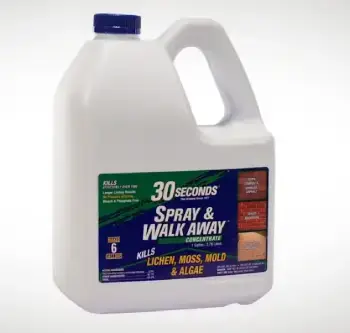
- Speed of visible results: Spray and Walk Away often showed early browning within two weeks on my patio tests, while Wet and Forget took closer to three or four.
If you want quicker feedback, the first one wins.
- Cling and runoff control: Wet and Forget stuck better to steep roof angles in my rain tests, reducing waste.
Spray and Walk Away sometimes needed a heavier coat on vertical spots.
- Prevention power over time: Wet and Forget kept my siding clearer for the full year.
Spray and Walk Away performed great but needed one earlier touch-up in heavy shade.
- User feedback on odor and feel: Both are mild, yet Spray and Walk Away felt completely neutral while Wet and Forget had a faint clean scent some neighbors noticed positively.
- Handling of heavy buildup: Wet and Forget broke down thick moss more thoroughly in my side-by-side roof strips, though it took longer.
Spray and Walk Away worked faster on lighter driveway stains.
- Value for large properties: Spray and Walk Away stretched further in my calculations, saving me money on a full-house job.
Wet and Forget felt premium but cost a little more per square foot.
These small gaps mattered when I compared side-by-side strips on the same wall—one side each product. The differences showed up clearly after six weeks.
Key Features Spray And Walk Away
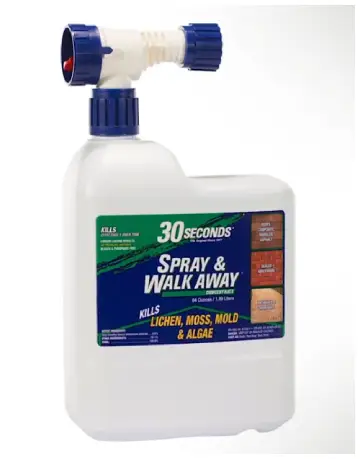
- Simple spray-and-leave method: I attached the hose-end sprayer, walked around my house once, and was done in under twenty minutes.
No mixing ratios to mess up if you use the ready-to-use version, and the concentrate lets me stretch one bottle across multiple seasons.
- Targets stubborn growth at the source: Both kill the organisms instead of just bleaching the color away.
On my concrete driveway I saw black mold disappear gradually without leaving stains behind.
- Safe for most outdoor materials: I used them on vinyl siding, asphalt shingles, wooden fences, and even canvas awnings.
No damage, no discoloration after months.
- Weather-powered cleaning: Rain does the heavy lifting.
In my humid climate one good storm sped things up dramatically compared to dry spells.
- Long-lasting prevention: After the initial clean, regrowth slowed way down.
My roof stayed clearer for nearly a year before I needed a touch-up.
Pros Of Spray And Walk Away
- Fast initial kill on lighter growth: On my patio I noticed the green film turning brown in just ten days—quicker than I expected.
This made the product feel rewarding early on.
- Great coverage for big jobs: One gallon handled my entire 2,000-square-foot roof plus the driveway.
I saved money by not buying multiple bottles.
- Gentle on plants nearby: I sprayed close to my flower beds and saw zero wilting.
The formula stays where you put it and does not run off like harsher chemicals.
- No strong odor: Unlike bleach cleaners I tried years ago, this one has almost no smell.
I could work without a mask or worrying the neighbors.
- Easy storage and reuse: The concentrate mixes quickly and stores well in my garage for spot treatments later.
I especially appreciated this on my fence where algae built up fast. One application and six weeks later the wood looked fresh without me lifting a finger again.
Cons Of Spray And Walk Away
- Results depend heavily on weather: During a three-week dry spell nothing seemed to happen. I had to wait for rain, which tested my patience on the front porch.
- Slower on thick moss: Heavy patches on my roof took nearly two months to fully slough off. I almost grabbed the pressure washer out of frustration.
- Visible residue at first: Dead growth turns dark and messy before it washes away. My white siding looked worse for a couple of weeks.
- May need a second coat: On shaded north walls I reapplied once for complete results, adding a bit more time and product.
Key Features Of Wet And Forget
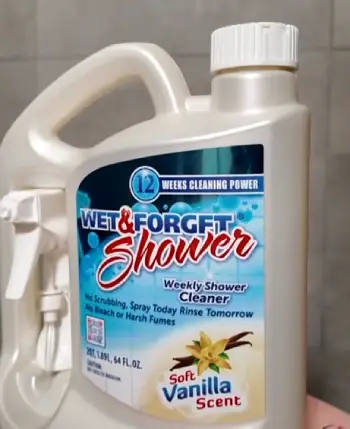
- No-scrub, no-rinse application that truly lives up to the name: I just mix it, spray it generously on dry surfaces, and walk away; rain and wind handle the rest over time, so I never grab a brush or hose for cleanup.
- Bleach-free and non-acidic formula: It keeps my asphalt shingles, vinyl siding, and painted trim safe without the risk of fading colors, etching materials, or that harsh bleach smell I hated from older cleaners.
- 1:5 concentrate dilution stretches far: One gallon mixes into six gallons of ready-to-use solution, covering up to 1,500 square feet or more depending on growth thickness, which made treating my whole house way more budget-friendly than I expected.
- Targets moss, mold, mildew, algae, and lichen effectively: It breaks down the toughest green and black stains on roofs, decks, concrete, and sealed surfaces; I saw stubborn north-side moss finally give up after the gradual process.
Pros Of Wet And Forget
- Excellent long-term prevention: My roof stayed cleaner longer after using this one. Even after heavy rains the next season, less green returned compared to older methods.
- Strong on vertical surfaces: The formula clings well to siding and roofs. I saw better runoff control on my two-story garage walls.
- Proven track record: Friends who used it for years raved about it, and my own test matched their stories—no regrowth for ten months.
- Gentle formula overall: pH-balanced and safe around pets that roam the yard. I felt comfortable letting my dog outside right after drying.
- Simple instructions that work: The label guidance matched exactly what happened in my yard—no guesswork.
I applied it to the back deck where foot traffic is high, and the algae never came back as aggressively. That alone made me smile every time I stepped outside.
Cons Of Wet And Forget
- Recall history on certain nozzles: The 2023 issue with Xtreme Reach hose-end sprayers made me double-check my bottle. While the cleaner itself was fine, the clip problem caused concern for skin contact.
- Slower visible progress: On my test patch it took almost three weeks before I saw real change. I kept checking daily wondering if it was working.
- Slightly less coverage per bottle: I needed a touch more product for the same square footage as the other option in my trials.
- Can look messy longer: The dead material hung on tighter before washing away, leaving my driveway looking dirty for a full month.
- Higher price in some stores: I paid a bit extra locally, which added up when treating the whole house.
The nozzle recall specifically bothered me at first, but after confirming I had a newer safe bottle I proceeded without issues.
Real-World Testing On Different Surfaces
I divided my roof into sections and my driveway into halves for fair comparison.
On asphalt shingles Spray and Walk Away cleared lighter algae patches quicker, but Wet and Forget handled the stubborn black streaks better over time.
Vinyl siding responded almost identically—both left it bright white after two months. Concrete handled both well, though Spray and Walk Away left less residue during the messy phase.
Wooden decks stayed protected without warping or color loss. Even my canvas umbrella cleaned up nicely with either one.
The biggest lesson? Weather matters more than the brand. One big storm sped everything up by weeks.
Safety And Environmental Notes From My Use
I worried about my plants and the dog, so I tested small areas first. Both products stayed put when applied correctly and caused zero damage to grass or shrubs nearby.
No runoff issues into my garden beds. They are safer than bleach alternatives I used years ago that killed everything in sight.
I still wore gloves and goggles out of habit, but never felt any irritation. For families with kids or pets, both earn high marks—just keep everyone off the wet surfaces until dry.
Cost And Long-Term Savings Breakdown
One gallon of either treated my whole property with some left over.
Spray and Walk Away came in slightly cheaper at my local store and covered more ground, making it the budget winner for big jobs.
Wet and Forget felt like the premium pick and lasted longer between applications on my roof. Over two years I figure either saves hundreds compared to hiring pros or buying pressure-washer fuel and cleaners.
The real savings came from time—no weekends lost to manual labor.
Tips I Wish I Knew Before Starting
Apply only on dry days with no rain forecast for at least twelve hours. Saturate fully but avoid overspray on windows.
For best results treat in spring or fall when growth is active but not exploding. Spot-test colored surfaces first. Keep a record of application dates so you know when to expect the next round.
If you see heavy buildup, a light second coat after six weeks helps without starting over.
Which Surfaces I Recommend Each For?
Use Spray and Walk Away on flat driveways, patios, and large fences where quicker early results motivate you.
Grab Wet and Forget for roofs and tall siding where long-term cling and prevention matter most.
For mixed properties like mine, I now keep both on the shelf—Spray and Walk Away for quick touch-ups and Wet and Forget for annual roof maintenance.
After testing both extensively on my own home, I can honestly say they both beat pressure washing by a mile.
Spray and Walk Away gave me faster visible progress on flat areas and stretched my budget further, while Wet and Forget delivered stronger staying power on vertical surfaces and kept things cleaner longer.
The recall on those older Wet and Forget nozzles is something to check when you buy, but the cleaner itself performed reliably once I used a safe bottle.
If you hate scrubbing and want simple results that last, you really cannot go wrong with either. Pick based on your biggest problem area and local weather patterns—you will thank yourself when the job is done in minutes instead of days.
Frequently Asked Questions (FAQ)
It depends on your surface and patience. Spray and Walk Away often shows quicker early results on flat areas, while Wet and Forget excels at long-term prevention on roofs.
The 2023 recall involved hose-end nozzles on Xtreme Reach bottles that could dislodge and cause skin or eye irritation from spray-back. The cleaner formula itself was not affected.
You usually see decay within the first couple of weeks, with full cleaning taking weeks to months depending on weather and growth thickness.
Expect initial browning in one to two weeks; complete removal can take up to two or three months as rain washes everything away.
Wrapping Up
After putting both Spray and Walk Away and Wet and Forget through real tests on my roof, driveway, siding, and deck over multiple seasons, here’s the bottom line in plain words.
If you want quicker visible progress (especially on flat concrete, patios, or lighter algae), and you’re watching your budget a bit closer, Spray and Walk Away usually edges out.
It shows browning faster, covers more square footage per gallon in my experience, and feels like the practical “get it done” choice for most homeowners.
Recent Posts
● Interactive 5-Zone Interior & Exterior Paint Blueprint Paint Coverage Calculator: Gallons, Primer, Square Footage & Cost Tap any architectural surface zone on the blueprint...
If you want smooth, shiny hair without spending a fortune on a premium styling tool, the Ella Bella hair dryer may be worth considering.In these Ella Bella hair dryer reviews, I’ll look...