
In my search for a reliable glass cleaner, Sprayway Glass Cleaner stands out for its foaming formula, easy application, and promise of a streak-free finish.
If you want cleaner windows, brighter mirrors, and spotless glass surfaces without spending a fortune, I think Sprayway is worth considering.
However, the results depend on the surface, cleaning technique, and amount of dirt you’re dealing with.
In this review, I’ll explain its benefits, drawbacks, maintenance tips, and how it compares with popular alternatives so you can decide whether it’s the right choice for your home or car.
My First Experience With Sprayway Glass Cleaner
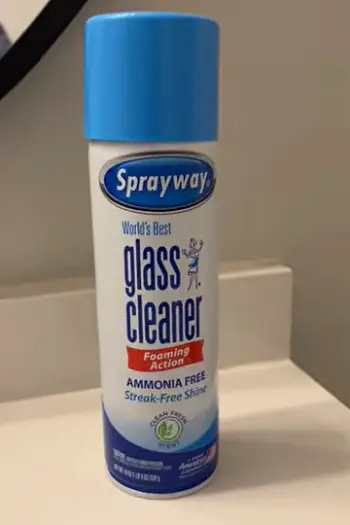
When I choose a glass cleaner, I want three things: quick cleaning, minimal streaks, and a finish that looks genuinely clear rather than hazy.
Sprayway Glass Cleaner attracts attention because its aerosol foam is designed to cling to surfaces instead of running down the glass immediately.
What I appreciate about a foaming glass cleaner is the control it offers during application. When cleaning a bathroom mirror or a glass tabletop, I don’t want liquid dripping onto the floor or collecting along the edges.
Sprayway’s foam can make the process feel more manageable, especially when I’m working on vertical surfaces.
I also like the idea of using one cleaner for several everyday tasks. Glass windows, mirrors, glass doors, and certain automotive glass surfaces can all benefit from a suitable glass-cleaning product.
Having a versatile cleaner available saves me from keeping several specialized products within easy reach.
However, I wouldn’t judge a glass cleaner solely by how shiny the surface looks immediately after wiping.
The real test is whether the glass remains clear when sunlight hits it. Fingerprints, dust, lint, and leftover cleaning residue can become surprisingly noticeable in bright light.
For that reason, I would pair Sprayway with a clean microfiber cloth rather than an old towel or paper product that leaves lint behind.
I would also avoid applying excessive foam. More product doesn’t necessarily mean better results; it can simply create more residue to remove.
Another consideration is the type of surface I’m cleaning. Ordinary glass and mirrors are different from tinted windows, coated glass, acrylic, and certain specialty finishes.
Before using an aerosol cleaner on an unfamiliar surface, I would check the product label and the surface manufacturer’s instructions.
Overall, Sprayway appears to be a practical option for people who want a convenient, ready-to-use glass cleaner.
Its foaming design is appealing, but I would still evaluate its performance based on the finish it leaves, the effort required to wipe it away, and whether it suits my particular cleaning needs.
What Is Sprayway Glass Cleaner?
Sprayway Glass Cleaner is a cleaning product commonly associated with aerosol foam application. It is designed to remove everyday marks and grime from suitable glass surfaces, including fingerprints, smudges, and other common household deposits.
Unlike a basic spray that immediately spreads into a thin liquid film, a foaming formula can remain on a vertical surface long enough for the cleaner to work. This feature can be helpful when cleaning windows, mirrors, glass doors, and similar areas.
The exact ingredients, approved surfaces, and safety instructions can vary by product formulation. Therefore, I would always read the label on the specific can rather than assume that every Sprayway product has identical properties.
Pros Of Sprayway Glass Cleaner
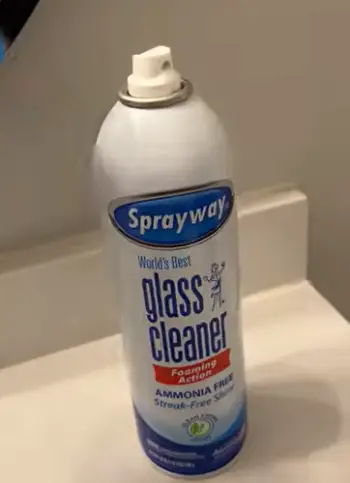
- Convenient Foam Application
One of the main advantages I see in Sprayway is its foam-based application.
When I’m cleaning a mirror or a vertical glass panel, a formula that clings to the surface can be easier to manage than one that runs downward immediately.
This can help me apply the product where it’s needed without creating unnecessary drips.
It is particularly useful for small cleaning jobs where I want to work quickly and avoid making a mess around the glass.
Still, the amount matters. A light, even application is generally easier to remove than a thick layer of foam.
- Potential for a Streak-Free Finish
Streaks are one of the most frustrating problems I encounter when cleaning glass. A surface may appear clean from one angle and show cloudy lines when viewed against sunlight.
Sprayway is marketed for glass cleaning, and achieving a clear finish is one of the main reasons shoppers consider it. When I use any glass cleaner, I look for a product that removes fingerprints and grime without leaving visible residue.
To get the best result, I would spray a modest amount, wipe the surface evenly, and finish with a dry section of microfiber cloth. The cloth and technique are important because even a good formula cannot compensate for dirty cleaning materials.
- Useful for Everyday Glass Cleaning
A versatile glass cleaner is convenient because glass appears throughout the home. Mirrors, windows, glass cabinets, shower doors, and tabletops often collect fingerprints and dust.
Having one suitable product for several compatible surfaces simplifies my cleaning routine. Instead of searching for a separate cleaner every time I notice a smudge, I can reach for the same product when the label permits its use.
However, not every transparent surface is ordinary glass. I would check the manufacturer’s guidance before using Sprayway on plastic panels, delicate coatings, or specialty finishes.
- Helps Remove Fingerprints and Smudges
Fingerprints can make otherwise clean glass look untidy. They are especially noticeable on bathroom mirrors, sliding doors, glass tables, and frequently touched windows.
A dedicated glass cleaner can help loosen the oils and grime responsible for these marks. I find that this type of cleaning works best when I address fingerprints before they accumulate into a larger layer of dirt.
For heavily soiled surfaces, I would remove loose dust first and use additional cleaning passes if necessary. Spraying more product over an already dirty cloth can simply redistribute the grime.
- Ready-to-Use Convenience
I appreciate products that don’t require complicated preparation. A ready-to-use aerosol cleaner eliminates the need to measure a concentrate or mix a cleaning solution before tackling a small job.
That convenience matters when I need to clean a bathroom mirror before guests arrive or remove fingerprints from a glass door during routine housekeeping.
The trade-off is that aerosol cans require appropriate storage and disposal. They should be handled according to the label, kept away from heat and flames, and never punctured or burned.
- Suitable for Multiple Cleaning Tasks
Sprayway may offer good practical value for households that clean several compatible glass surfaces. A single product can reduce the number of bottles I need to store and make routine cleaning more straightforward.
For example, I could use a suitable glass cleaner for mirrors in the morning and tackle fingerprints on a glass cabinet later in the day.
However, versatility should not be confused with universal compatibility. I would never assume that a product safe for ordinary glass is automatically safe for every screen, tinted window, plastic surface, or coated panel.
- Can Make Routine Cleaning Faster
The convenience of a spray-and-wipe product can help me maintain clean glass without turning every smudge into a major project.
Regular light cleaning is often easier than waiting until fingerprints, dust, and grime have accumulated. By keeping the necessary supplies nearby, I can deal with small marks before they become more noticeable.
I would still pay attention to ventilation and avoid spraying unnecessarily into the air. Following the label is essential, even when the cleaning task seems simple.
Cons Of Sprayway Glass Cleaner
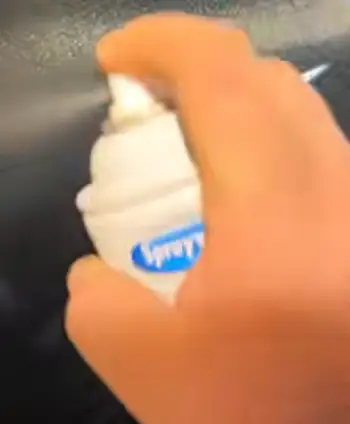
- Aerosol Packaging May Not Suit Everyone
Although an aerosol can is convenient, some people prefer trigger sprays or refillable bottles.
Aerosol packaging may feel less economical for certain users, particularly those who clean large areas frequently.
It also requires careful storage and handling. I would keep the can away from heat sources, open flames, and direct sunlight, and follow all disposal instructions.
- Results Depend on Cleaning Technique
No glass cleaner can guarantee a flawless finish under every condition. Dirty cloths, excessive product, and incomplete wiping can all produce streaks or haze.
If I apply too much foam, I may have to spend extra time removing the remaining residue. Using a fresh microfiber cloth and working in manageable sections helps reduce this problem.
- Not Every Surface Is Compatible
The biggest mistake would be assuming that all glass-like surfaces can be cleaned with the same formula.
Tinted automotive windows, delicate coatings, acrylic panels, electronic displays, and certain specialty glass products may require different cleaning methods. I would check both the cleaner’s label and the surface manufacturer’s instructions before applying it.
- Strong Odors May Be Unpleasant for Some Users
Some aerosol cleaning products have noticeable odors that certain people may find unpleasant. Individual sensitivity varies, and a scent that seems mild to one person may be irritating to another.
I would use the product in a well-ventilated area and stop using it if it causes discomfort. Anyone particularly sensitive to fragrances or cleaning fumes may prefer an alternative with a formulation that better suits their needs.
- Heavy Grime May Require Extra Work
A glass cleaner intended for everyday smudges may not remove every stubborn deposit in a single pass. Greasy buildup, dried spills, and mineral deposits can require additional cleaning or a product designed specifically for that problem.
I would avoid aggressive scrubbing or mixing cleaning chemicals to speed up the process. Instead, I would identify the type of residue and choose an appropriate, surface-safe cleaning method.
Maintenance Tips For Sprayway Glass Cleaner
Maintaining clean glass is about more than choosing a suitable product.
The condition of your cloths, the amount of cleaner you apply, and the way you store your supplies can all affect the results.
- Start by Removing Loose Dust
Before spraying cleaner onto a dusty window or mirror, I would remove loose particles with a clean microfiber cloth.
This simple step helps prevent dust from mixing with the cleaning solution and spreading across the surface. It also reduces the chance of dragging abrasive particles over the glass.
For windows with significant outdoor dirt, I would remove loose debris first and use an appropriate cleaning method for the level of contamination.
- Apply a Moderate Amount of Cleaner
More cleaner does not automatically mean a better finish. Applying excessive foam can make wiping more difficult and leave additional residue to remove.
I would follow the label’s application directions and work on one manageable section at a time. This approach helps me maintain control over the process instead of allowing the product to dry before I finish wiping.
For particularly small mirrors, a light application may be all that’s necessary.
- Clean Microfiber Cloth
I consider the cleaning cloth just as important as the cleaning solution. A cloth filled with lint, dust, or oily residue can undo much of the work.
I would keep separate microfiber cloths for glass cleaning and other household tasks. Cloths used for kitchen grease or furniture polish should not be used on mirrors because they may transfer residue.
After cleaning, I would wash the cloths according to their care instructions and avoid fabric softeners if they leave a film that affects absorbency.
- Wipe in Consistent Strokes
Random wiping can make it difficult to see which areas have already been cleaned. I prefer using overlapping strokes and checking the surface from different angles.
On a large window, I would divide the glass into sections and complete each section before moving to the next. This makes the process easier to manage and reduces the chance of leaving untouched patches.
A final pass with a dry part of the cloth can help remove remaining moisture and improve clarity.
- Avoid Cleaning in Direct Sunlight
When sunlight heats a window, cleaning products may dry more quickly than expected. That can make it harder to remove the formula evenly and may contribute to streaking.
Whenever practical, I would clean windows during a cooler part of the day or when they are shaded.
If direct sunlight cannot be avoided, I would work on smaller sections and follow the product directions carefully.
- Keep the Aerosol Can Properly Stored
Proper storage protects both the product and the people using it. I would keep the can in a cool, dry location away from heat, direct sunlight, and ignition sources.
I would also keep it out of children’s reach and follow the label’s instructions for handling and disposal.
I would never puncture an aerosol can, burn it, or leave it in a hot vehicle. Even when a cleaning product seems ordinary, its packaging can require specific precautions.
Comparison Of Sprayway Glass Cleaner With Other Brands
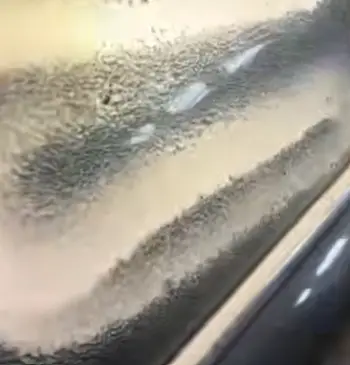
Choosing the right glass cleaner depends on your priorities. Some shoppers want a familiar household spray, while others prefer foam, fragrance-free formulas, or products designed for specialized surfaces.
- Sprayway vs. Windex
Windex is a widely recognized household glass-cleaning brand, while Sprayway is particularly associated with its aerosol foaming glass cleaner.
I would consider Sprayway when I prefer foam that stays on a vertical surface during application.
Windex may appeal more to people who like conventional trigger-spray cleaning or already use it for routine household tasks.
Neither brand automatically wins in every situation. The final result depends on the specific formulation, the surface being cleaned, and the wiping technique. I would compare the exact products rather than assume that every product under either brand has the same ingredients.
- Sprayway vs. Invisible Glass
Invisible Glass is another popular option, particularly among people who prioritize clear automotive glass and a clean finish.
I would compare the specific Invisible Glass formula with Sprayway based on its approved uses, application method, and performance on the surfaces I clean most often.
For someone who mainly cleans vehicle windows, a formula specifically suited to automotive glass may be worth considering. However, tinted windows and aftermarket films still require compatibility checks.
Sprayway may be more appealing to shoppers who want a foaming aerosol for a range of suitable glass surfaces.
- Sprayway vs. Zep Glass Cleaner
Zep offers glass-cleaning products that may appeal to people who handle frequent or larger cleaning jobs.
When comparing Zep with Sprayway, I would look at the packaging size, application style, intended use, and cost per use. A product sold in a larger container may be more practical for someone who cleans many windows, while an aerosol may be convenient for smaller household tasks.
I would not assume that a larger package automatically offers better value. The formula must work well for the surfaces being cleaned, and the product should be easy to use without excessive waste.
- Sprayway vs. Method Glass Cleaner
Method may appeal to shoppers who prefer household cleaning products with a different presentation, scent profile, or formulation approach.
Sprayway’s foaming aerosol application may be a better fit for people who want foam-based coverage. Method may be worth considering if its available formula, packaging, and ingredients better match your preferences.
I would compare the precise product labels rather than make assumptions about environmental benefits or surface compatibility based on brand image alone.
- Sprayway vs. Homemade Glass Cleaner
Some people prefer a homemade cleaning solution, often made with water and a suitable amount of vinegar, for basic glass-cleaning tasks.
The appeal is straightforward: you can prepare small amounts at home and avoid buying another packaged cleaner. However, homemade solutions may not perform identically to a formulated glass cleaner, especially on oily fingerprints or surfaces with existing residue.
Sprayway offers the convenience of a ready-to-use product. A homemade solution may suit someone who prefers a simple preparation method, provided it is appropriate for the surface being cleaned.
I would avoid vinegar on surfaces whose manufacturers prohibit acidic cleaners, and I would never mix homemade solutions with commercial cleaning products.
Frequently Asked Questions (FAQ)
Not necessarily. Sprayway’s foam may suit vertical glass, while Windex offers familiar spray options. The better choice depends on the specific formula and your cleaning needs.
It is designed to remove common glass smudges and grime. Results depend on the surface, application, and wiping technique.
There is no single best choice for everyone. Sprayway, Windex, and Invisible Glass are options worth comparing based on your intended use.
Do not assume every Sprayway product has identical ingredients. Check the label of the specific formulation you plan to buy.
Wrapping Up
After considering its foaming application, everyday cleaning uses, and potential drawbacks, I think Sprayway Glass Cleaner is worth considering if you want a convenient product for compatible glass surfaces.
I would choose it for routine mirror and window cleaning when easy application matters, while comparing alternatives if I need a specialized formula.
Use a clean microfiber cloth, follow the label, and check surface compatibility before spraying. If those priorities match yours, Sprayway could be a practical addition to your cleaning supplies.
Recent Posts
● Interactive 5-Zone Interior & Exterior Paint Blueprint Paint Coverage Calculator: Gallons, Primer, Square Footage & Cost Tap any architectural surface zone on the blueprint...
If you want smooth, shiny hair without spending a fortune on a premium styling tool, the Ella Bella hair dryer may be worth considering.In these Ella Bella hair dryer reviews, I’ll look...