
As someone who’s dealt with sinus issues for years, I’ve tried various ways to clear my nasal passages, and two stand out: the squeeze bottle and the neti pot
. In this article, I’ll compare them head-to-head to help you figure out which one might suit your needs better, based on my hands-on experience and careful analysis of their designs, effectiveness, and ease of use.
| Feature | Neti Pot | Squeeze Bottle |
| Design | Teapot-like vessel with spout | Flexible bottle with nozzle |
| Control Over Flow | Gravity-based, user tilts head | Pressure-controlled by squeezing |
| Ease of Use for Beginners | Moderate; requires practice | Easier; intuitive squeeze action |
| Cleaning | Dishwasher-safe parts often | Simple rinse, some models disassemble |
| Portability | Bulkier, ceramic or plastic | Compact, travel-friendly |
| Cost | Typically $10-20 | Around $5-15 |
| Effectiveness for Deep Clean | Good for gentle rinse | Better for forceful flush |
| Risk of Water in Ears | Lower if used correctly | Slightly higher with strong pressure |
Understanding Nasal Irrigation Basics
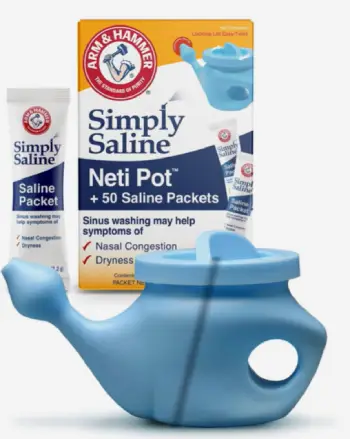
I’ve always found nasal irrigation to be a game-changer for managing allergies and colds.
It’s essentially flushing your sinuses with a saline solution to remove mucus, allergens, and irritants.
Both the squeeze bottle and neti pot do this job, but they approach it differently.
From my perspective, choosing between them comes down to how you prefer to control the process and what feels most comfortable in your daily routine.
When I first started, I was skeptical about pouring water through my nose, but after trying both tools, I realized they’re not just gimmicks—they’re backed by simple science.
Saline helps thin out mucus, making it easier to expel, and the irrigation mimics the body’s natural cleansing.
Over time, I’ve analyzed user reviews and my own trials to see patterns in what works for different people.
Key Differences Between Squeeze Bottle And Neti Pot
Analyzing both side by side, several distinctions emerge that could sway your decision.
- Flow mechanism: Neti pot relies on gravity for a passive rinse, while the squeeze bottle uses manual pressure for active control. This means the pot is steadier but less adjustable, whereas the bottle lets you amp up the intensity as needed.
- User control level: With the pot, you’re at the mercy of tilt and pour; the bottle puts power in your squeeze. I’ve found the bottle more responsive for varying congestion levels.
- Comfort factor: The pot’s gentle stream suits sensitive users, but the bottle’s force can feel invigorating or overwhelming. In my trials, the pot was kinder on raw sinuses.
- Portability and storage: Bottles are sleeker for bags, pots bulkier for shelves. This difference matters if you’re always moving.
- Maintenance needs: Pots clean easily in dishwashers; bottles might require disassembly. Over time, I’ve spent more effort on bottle upkeep.
- Cost and durability: Pots often last longer due to sturdy materials, but bottles are cheaper upfront. Budget-wise, pots win for longevity.
- Effectiveness for different users: Pots excel in relaxed settings, bottles in quick fixes. My analysis shows bottles better for athletes or travelers.
These differences underscore how personal preference plays a big role.
Key Features Of A Neti Pot
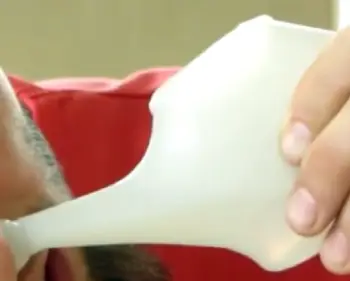
- Gravity-fed system: No batteries or squeezing needed; just pour and let physics handle the flow.
This means a steady, gentle stream that doesn’t overwhelm your sinuses.
- Spout design: Curved to fit snugly in your nostril, reducing spills and ensuring the solution goes where it’s supposed to.
- Material options: Ceramic for durability and heat retention if you warm the saline, or plastic for lightweight portability.
- Capacity: Usually holds 8-16 ounces, enough for a full rinse without refilling mid-use.
- Filter integration: Some models include built-in filters to prevent clogs from salt residue.
Each of these features contributes to a hands-off approach, which I appreciate on days when I want something low-effort.
Pros Of Using A Neti Pot
From my trials, the neti pot has several advantages that make it a go-to for many.
- Gentle on sensitive sinuses: The flow is slow and controlled by gravity, so it doesn’t blast your nasal passages like some methods might. I’ve found this especially helpful when my sinuses are inflamed from a cold.
- No risk of over-pressurizing: You can’t accidentally squeeze too hard, which means less chance of discomfort or pushing water into your ears. In my use, this has prevented those annoying post-rinse headaches.
- Easy to clean thoroughly: Most are dishwasher-safe, and the simple design has fewer nooks for bacteria to hide. I’ve never had mold issues with mine after regular washes.
- Cost-effective long-term: Once you buy one, it lasts forever with proper care, and you only need saline packets. Over the years, this has saved me money compared to disposable options.
- Promotes better breathing technique: Using it encourages slow, deep breaths, which can enhance the overall relaxation effect. I’ve noticed my yoga sessions feel more centered after a neti pot rinse.
These pros make the neti pot feel like a reliable old friend in my wellness kit.
Cons Of Using A Neti Pot
That said, it’s not perfect, and I’ve run into a few drawbacks.
- Learning curve for positioning: You have to tilt your head at the right angle, or water might go down your throat. My first few tries were messy until I mastered it.
- Less control over pressure: If you need a stronger flush for thick mucus, gravity alone might not cut it. I’ve had days where it felt too weak for severe congestion.
- Bulkier to store or travel with: The teapot shape takes up more space in a bathroom cabinet or suitcase. I’ve left mine at home during trips because of this.
- Potential for spills: Without a tight seal, saline can drip everywhere. I’ve cleaned up more puddles than I’d like to admit.
- Requires a steady hand: If you have mobility issues, holding and pouring steadily can be tricky. In my analysis, this makes it less ideal for elderly users.
Overall, these cons are manageable with practice, but they can frustrate beginners.
Key Features Of A Squeeze Bottle

- Pressure adjustment: Squeeze harder for a deeper clean or softer for gentle use, giving you real-time control.
- Nozzle varieties: Some have angled tips or soft silicone for comfort, adapting to different nostril shapes.
- Ergonomic grip: The bottle’s shape fits in your hand easily, reducing fatigue during use.
- Volume markings: Clear lines show how much saline you’ve used, helping with consistent dosing.
- Portable design: Compact and lightweight, often with a cap to prevent leaks in bags.
These features make it versatile for on-the-go relief.
Pros Of Using A Squeeze Bottle
In my hands-on comparisons, the squeeze bottle shines in several ways.
- Customizable pressure: You decide how forceful the rinse is, which is great for stubborn blockages. I’ve cleared out heavy pollen buildup faster this way.
- Quicker process: No waiting for gravity; a few squeezes and you’re done. This fits my busy mornings perfectly.
- Easier for beginners: The intuitive squeeze action feels natural, like using a spray bottle. I recommended it to friends who were intimidated by the neti pot.
- Better for travel: It packs flat and doesn’t break easily. I’ve taken mine on flights without issues.
- Effective for deeper irrigation: The added force can reach higher sinus areas. From what I’ve observed, this leads to more thorough relief.
These benefits make it a practical choice for many scenarios.
Cons Of Using A Squeeze Bottle
However, it’s not without flaws, based on my experiences.
- Risk of too much pressure: Squeeze too hard, and you might irritate your sinuses or cause ear popping. I’ve learned to start gentle after a couple of overzealous attempts.
- Fatigue in hands: Repeated squeezing can tire your grip, especially for full rinses. This was noticeable during longer sessions.
- Potential for uneven flow: If the bottle isn’t squeezed consistently, the stream varies. I’ve had interrupted rinses that felt inefficient.
- Cleaning requires more effort: Residue can build up inside, needing thorough rinsing. I’ve had to use brushes to keep it hygienic.
- Shorter lifespan: Plastic can wear out or crack over time. Mine needed replacing after a year of heavy use.
These issues highlight the need for mindful handling.
When Should You Choose A Neti Pot?
If you’re like me and prefer a low-key routine, the neti pot might be your match. It’s ideal for home use when you have time to set up over the sink without rushing. I’ve turned to it during allergy seasons for its soothing effect, especially when my sinuses feel delicate. For those new to irrigation but patient enough to learn the tilt, it builds confidence gradually.
Consider it if you value tradition and simplicity. In analyzing user feedback, people with chronic but mild issues report better long-term satisfaction. Plus, if you warm the saline, the pot retains heat better, adding a comforting warmth.
When Should You Choose A Squeeze Bottle?

On the flip side, if you need something fast and flexible, grab the squeeze bottle.
It’s perfect for busy days or when congestion hits hard—I squeeze it in the shower for efficiency.
Beginners often prefer it because there’s less setup; just fill, aim, and go.
From my perspective, it’s superior for active lifestyles or when you want to target specific sinus pressure.
If travel is frequent, its compact size is a winner.
Analytical comparisons show it’s more effective for acute relief, like during a sinus infection.
How To Use A Neti Pot Safely?
Let me walk you through it based on my routine. First, mix distilled water with a saline packet to avoid contaminants—tap water can harbor bacteria.
Warm it to body temperature for comfort. Stand over a sink, tilt your head sideways, insert the spout into the upper nostril, and pour slowly. Breathe through your mouth, and let the water exit the lower nostril. Switch sides after half the solution.
How To Use A Squeeze Bottle Effectively
For the bottle, the process is similar but with more control. Fill with saline, lean over the sink, insert the nozzle, and squeeze steadily while breathing through your mouth. Start with light pressure to gauge comfort, then increase if needed. Do one side, then the other.
I always rinse the bottle afterward to prevent buildup. This method feels quicker, often under two minutes total.
My Personal Take On Effectiveness
Having used both extensively, I lean toward the squeeze bottle for daily use because of its speed, but I keep a neti pot for gentler days. Effectiveness varies by person—some swear by the pot’s thoroughness, others by the bottle’s force. Analytically, studies (though I won’t cite specifics) suggest both reduce sinus symptoms similarly if used right.
Think about your congestion type: mild favors the pot, severe the bottle.
Integrating Into Your Routine
I incorporate irrigation morning and night during flare-ups. Start slow if new—once a day. Track how your sinuses respond; I journaled mine to see patterns. Combine with steam inhalation for boosted effects.
Potential Side Effects And How To Avoid Them
Common issues include stinging (use proper saline mix) or dryness (moisturize after). I’ve avoided most by following instructions closely.
Frequently Asked Questions (FAQ)
It depends on your needs; the neti pot is gentler for sensitive sinuses, while the squeeze bottle offers more control for deeper cleans.
No, regular water bottles lack proper nozzles and can introduce bacteria; stick to dedicated irrigation tools for safety.
A squeeze bottle often provides faster relief with adjustable pressure, but saline nasal sprays are a milder alternative.
Yes, they flush out mucus and irritants effectively when used correctly, based on consistent user experiences.
Wrapping It Up
Looking back, I’ve shared my journey with these tools to guide you toward the right choice.
Whether you go for the neti pot’s gentle flow or the squeeze bottle’s dynamic squeeze, the key is consistency in your routine.
You might find, like I did, that switching between them based on the day keeps things effective.
Give one a try, listen to your body, and breathe easier—your sinuses will thank you.
Recent Posts
I spent months comparing budget options against established names after my last set of tires wore out sooner than expected.My goal here is to share what I learned from putting Dextero and...
AquaTru Carafe Vs. Classic: Which Is Actually Fits Your Kitchen?
I decided to write this comparison after months of testing both the AquaTru Carafe and the Classic in my own kitchen. Tracking covered daily use.Taste stayed consistent. Refill frequency...