
I have spent countless hours in my home office switching between the Steelcase Amia and the Haworth Soji, searching for the chair that would truly support me through long workdays filled with writing, meetings, and creative tasks.
As someone who sits for eight to ten hours daily, I know how much the right chair affects focus, posture, and even overall energy levels by the end of the afternoon.
In this article, I share my personal experiences, honest observations, and detailed analysis of both chairs so you can make an informed choice that fits your body and work style.
I cover everything from initial impressions to long-term comfort, aiming to help you avoid common regrets when investing in ergonomic seating.
| Feature | Steelcase Amia | Haworth Soji |
| Price Range (approx.) | Higher (premium build) | More affordable (great value) |
| Lumbar Support | LiveLumbar (adaptive, flexible) | Patented height-adjustable lumbar |
| Seat Comfort | Thick foam cushion, adaptive bolstering | Waterfall edge, supportive mesh |
| Armrests | 4D adjustable | 4D options available |
| Recline/Tilt | Smooth tilt with good tension control | Intelligent synchro tilt, back lock |
| Adjustability | Seat depth, height, arms | Seat depth, height, lumbar height |
| Build & Durability | Excellent, 12-year warranty | Solid, 12-year warranty |
| Weight Capacity | Up to 400 lbs | Standard high-use durability |
| Best For | Users wanting cushioned support | Budget-conscious ergonomic seekers |
Key Differences Between The Steelcase Amia And Haworth Soji
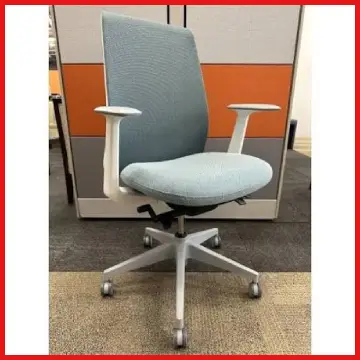
- Ergonomic Approach: The Steelcase Amia takes a more traditional cushioned path that cradles your body with foam and adaptive elements, creating a sense of being supported from multiple angles as you move.
In contrast, the Haworth Soji emphasizes breathable mesh and mechanical precision, encouraging active sitting where small shifts keep circulation going.
I found the Amia more forgiving for static postures, while the Soji rewarded frequent micro-adjustments during varied tasks.
- Price Positioning: The Amia sits at a higher price point, reflecting its refined materials and brand engineering, which I justified after feeling the quality difference.
The Soji offers strong performance at a noticeably lower cost, making it accessible without sacrificing core ergonomics.
This difference influenced my decision-making process heavily when considering long-term value versus upfront spend.
- Seat Experience: With the Amia, the thick high-density foam provides a plush landing that absorbs pressure effectively over hours.
The Soji features a firmer seat with a waterfall front edge that prevents leg numbness, which helped me during extended video calls.
I switched between them depending on whether I wanted softness or structured support on any given day.
- Back Support Style: Amia’s LiveLumbar system flexes dynamically with your spine’s natural movements, offering continuous but gentler guidance.
Soji’s lumbar support lets you adjust the height precisely to match your lower back curve, giving more targeted control that I appreciated when fine-tuning for specific discomfort spots.
- Aesthetic and Feel: The Amia projects a professional, substantial presence with its fabric options and solid frame, fitting seamlessly into both corporate and home environments.
The Soji has sleeker, lighter lines and a modern mesh aesthetic that feels contemporary and less bulky in smaller spaces.
- Recline Behavior: The Amia’s tilt mechanism delivers smooth, controlled movement with tension you can dial in easily.
Soji’s intelligent synchro tilt follows your body more intuitively, with lock positions that lock in focused or relaxed postures quickly. Both reduce strain, but they feel distinct in motion.
Key Features Of The Steelcase Amia
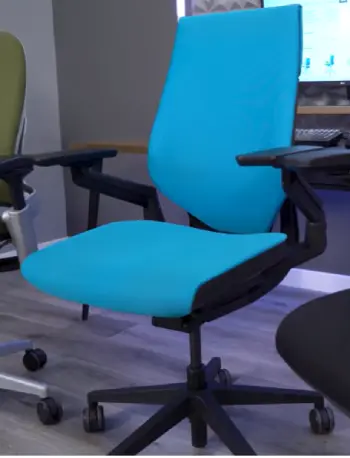
- LiveLumbar Technology: This feature impressed me most because it works invisibly inside the backrest, automatically adjusting to the curvature of your spine as you lean forward, backward, or twist.
Unlike fixed lumbar supports that require constant manual intervention, LiveLumbar provides ongoing energy return, helping maintain proper alignment throughout the day without me thinking about it.
During long research sessions, it prevented the usual lower back fatigue I experienced with lesser chairs.
- Adaptive Seat Padding: The seat cushion uses special bolstering that flexes at the edges when you shift positions or recline.
This design relieves pressure points behind the knees and thighs, which became crucial for me after previous chairs left me with tingling sensations.
The medium-firm feel strikes a balance—not too soft to sink into, yet supportive enough for all-day use.
- 4D Armrests: These arms adjust in four dimensions: up and down for height, side to side for width, forward and back for depth, and they pivot for angled support.
I use them constantly to keep my shoulders relaxed whether typing, using a mouse, or resting during calls.
The precision here stands out compared to basic arms on cheaper models.
- Adjustable Seat Depth: You can slide the seat pan forward or backward to accommodate different leg lengths.
For someone like me who is average height, this customization ensures thighs get full support without cutting off circulation, making a noticeable difference in comfort during marathon work blocks.
- Durable Build and Materials: Steelcase constructs the Amia with high-quality components that feel solid from the base up.
The mechanisms operate smoothly even after months of daily adjustments, and the overall frame supports up to 400 pounds reliably.
This robustness gives confidence that the chair will hold up through years of use.
Pros Of The Steelcase Amia
- The adaptive lumbar and cushioning combination delivers reliable lower back relief, reducing my end-of-day stiffness significantly compared to non-ergonomic options.
- Plush yet structured seat padding provides a comfortable “sink-in” feel that many users craving traditional cushioning will appreciate.
- Exceptional overall build quality and smooth mechanisms make it feel like a premium product built to last.
- Versatile 4D arms and seat depth adjustments suit a wide variety of body types and work positions.
- Strong warranty and brand reputation add peace of mind for long-term ownership.
- Effective pressure distribution helps maintain focus during extended sitting periods without frequent breaks.
Cons Of The Steelcase Amia
- The higher price can feel steep initially, especially when compared to capable alternatives in the same category.
- Lumbar support, while adaptive, may not provide enough intensity for people who prefer very firm or pronounced lower back push.
- Foam materials can retain heat more than mesh designs, becoming less ideal in warmer environments or during summer months.
- Backrest height might not fully accommodate very tall users, potentially leaving some upper back areas less supported.
- Recline range feels moderate rather than deeply relaxing for those who like significant backward tilt options.
- Weight and size make it less portable if you frequently rearrange your office space.
Key Features Of The Haworth Soji
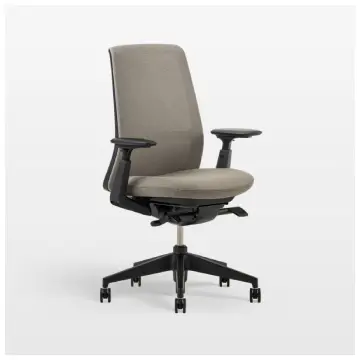
- Height-Adjustable Lumbar Support: The patented system allows precise vertical positioning to align perfectly with your lower spine’s natural curve.
I found this incredibly useful for dialing in support exactly where needed, especially after switching from chairs with only basic knobs. It promotes better posture without guesswork.
- Intelligent Synchro Tilt Mechanism: This feature coordinates the seat and back movement naturally as you lean, with options to lock the back in multiple positions.
It supports dynamic sitting that keeps muscles engaged lightly, reducing the risk of stiffness from prolonged static postures. The back lock proved handy for focused typing sessions.
- Waterfall Seat Edge: The front edge slopes downward gently, minimizing pressure on the backs of the thighs and improving blood flow.
This detail mattered a lot during my longer workdays, preventing that heavy-legged feeling I used to get.
- 4D Armrest Options: Available in multiple configurations, these arms offer flexible positioning similar to the Amia but with a slightly different feel that suits varied arm placements.
They help reduce shoulder and neck strain across different tasks.
- Breathable Mesh Back: The mesh material promotes excellent airflow, keeping my back cooler and drier even during intense work periods.
Combined with durable frame construction, it handles high-use environments effectively while maintaining a lightweight appearance.
Setting up the Soji took little time, and its responsive controls made daily tweaks effortless. The overall design encourages movement, which aligns well with modern recommendations for active office ergonomics.
Pros Of The Haworth Soji
- Exceptional value for the features offered, delivering strong ergonomic performance without the premium price tag.
- Highly customizable adjustments that accommodate different body sizes and sitting preferences effectively.
- Breathable mesh design excels at temperature regulation, making it comfortable across seasons.
- Supportive waterfall seat and tilt system promote better circulation and reduced fatigue over long hours.
- Modern, clean aesthetics fit well in contemporary home or professional offices.
- Reliable durability backed by a solid warranty, suitable for daily intensive use.
- Encourages natural posture shifts, helping users stay energized rather than drained.
Cons Of The Haworth Soji
- The seat cushion feels firmer initially, requiring some break-in time before reaching maximum comfort for foam-preferring users.
- Mesh back, while ventilated, may not provide the deep, enveloping support some people seek in cushioned models.
- Recline lock positions are functional but more limited than options on certain higher-end competitors.
- Armrests can occasionally produce minor noise or slight play during adjustments, though this did not affect performance.
- Less substantial “plush” sensation compared to heavily padded chairs, which might disappoint those wanting maximum softness.
- Availability of certain fabric or color options can be more restricted depending on retailer stock.
My Real-User Experience Switching Between Them
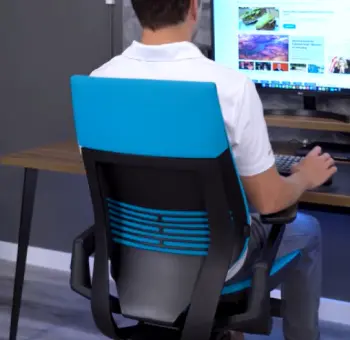
My journey started with the Steelcase Amia during a particularly demanding project phase.
Unboxing revealed thoughtful packaging and clear instructions.
After adjusting the LiveLumbar and arms, I immediately noticed reduced shoulder tension. The chair supported my posture through hours of writing without forcing me to readjust constantly.
However, during a heat wave, the foam seat made me feel warmer than ideal, prompting the switch.
Introducing the Haworth Soji brought a refreshing change. Its mesh back kept me cool, and the adjustable lumbar let me fine-tune support within minutes.
I loved using the synchro tilt while brainstorming—small rocks forward and back kept ideas flowing without discomfort.
Over months, I rotated between them: Amia for cooler days needing extra cushion, Soji for ventilation and value-driven confidence.
This back-and-forth testing highlighted how individual factors like body shape, room temperature, and task type influence the best choice.
Both chairs outperformed my old basic model dramatically, but the nuances helped me understand personal fit better.
Build Quality And Longevity
Steelcase builds the Amia with precision engineering that shows in every mechanism. Levers move with satisfying smoothness, and the base feels stable even when I shift quickly.
After extended use, nothing loosened or squeaked, reinforcing my trust in its multi-year durability. The materials resist everyday wear from clothing, pets, and occasional cleaning.
Haworth’s Soji impresses with efficient, modern construction. The mesh holds tension well without sagging, and plastic components feel high-grade rather than cheap.
Adjustments remain crisp over time, and the overall lighter weight makes repositioning easier in my multi-purpose room.
Both chairs earn high marks for standing up to real-life demands, but the Amia edges ahead in sheer heft and refinement.
Who Should Choose The Steelcase Amia?
Consider the Amia if you value deep cushioning and adaptive support that works with minimal effort.
It suits office workers, writers, or anyone spending most of the day in relatively static positions.
People of average to larger builds often find its proportions accommodating, and the premium feel justifies the cost for those prioritizing plush comfort long-term.
If heat is not a major concern in your space, its strengths shine brightly.
Who Should Choose The Haworth Soji?
The Soji appeals strongly to budget-aware users who still want excellent ergonomics and adjustability.
Remote workers, hybrid professionals, or those in warmer climates benefit from its ventilation and dynamic design.
It works well for people who change positions frequently or share spaces where easy customization matters. The balance of features and price makes it an approachable entry into quality seating.
Also Read: Is Tommy Bahama Beach Chair Worth It?
Frequently Asked Questions (FAQ)
It depends on priorities. Steelcase Amia offers more premium adaptive comfort while Haworth Soji excels in value and breathability.
Yes, it provides reliable ergonomics, solid adjustments, and comfort that performs well for daily office use.
It ranks highly for plush long-term comfort, build quality, and versatile support suitable for intensive desk work.
Yes, particularly the Soji model which balances quality features and performance effectively against its cost.
Wrapping Up
I lean toward the Amia for its premium plush comfort when I can invest more, but I recommend the Soji to most of you looking for excellent everyday ergonomics without stretching your budget.
Test what feels right for your body, pick one, and enjoy more productive, pain-free days at your desk. You deserve a chair that truly supports you.
Recent Posts
I tried Meltoway Hair Dissolving Cream because I wanted a quick way to deal with unwanted body hair without reaching for a razor every few days. If you are looking for a convenient at-home...
If you’re considering a saffron-based supplement to support mood, appetite control, and everyday wellness, Happy Saffron Plus is worth considering.I like that it takes a familiar botanical...