
If you are finally ready to stop guessing how your diet affects your energy levels and metabolic health, you should buy the Stelo Glucose Biosensor right now. I have spent years looking for a way to peek under the hood of my own physiology without needing a doctor’s note, and this device is the breakthrough we have all been waiting for.
Whether you are managing Type 2 diabetes without insulin or you are simply a health enthusiast, the immediate feedback loop this sensor provides is a mandatory step toward mastering your body’s unique responses to food and stress.
My Experience With Stelo Glucose Biosensor
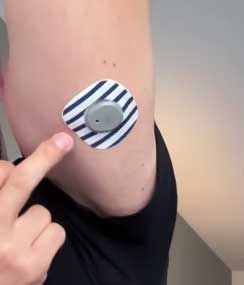
I will never forget the moment I pressed the applicator against the back of my arm and heard that distinct “click” signaling the start of my fifteen-day journey with the Stelo sensor.
For years, I had watched friends with Type 1 diabetes wear similar devices, always feeling a bit envious of the data they had at their fingertips, but the barrier of needing a prescription always kept me on the sidelines.
When I finally got my hands on the Stelo, the setup process was remarkably smooth, taking me less than five minutes from unboxing to the beginning of the thirty-minute warmup period.
As I sat there waiting for the app to sync, I felt a mix of excitement and slight apprehension about what my data would reveal about my morning habit of eating a “healthy” granola bowl.
The first few hours were a revelation because the graph was so much more than just a series of numbers; it was a living, breathing story of how my body was processing energy in real-time.
I noticed that my post-breakfast spike was much higher than I had anticipated, sending me into a sluggish “food coma” by eleven o’clock that I used to just blame on a lack of sleep.
Over the next two weeks, I treated my life like a scientific experiment, testing everything from the impact of a thirty-minute walk after dinner to the difference between a glass of wine and a craft beer on my overnight glucose levels.
I was surprised to find that while a bagel sent my levels soaring into the red zone, the exact same bagel paired with a bowl of high-fiber greens and some protein resulted in a much more manageable and steady curve. This wasn’t just data; it was a set of instructions on how to eat for my specific biology, which is something no generic diet book could ever provide.
The most profound shift happened in my mental relationship with food, as the “invisible” consequences of my choices became visible and undeniable on the glowing screen of my phone.
I stopped thinking about foods as “good” or “bad” and started thinking about them in terms of “glucose cost,” which allowed me to make much more informed decisions without the usual guilt. By the time I reached the end of the fifteen-day sensor life, I felt more in tune with my body’s signals than I had in a decade, making it very difficult to imagine going back to the dark ages of metabolic guesswork.
Also read: My Thoughts on Oxybio Breathing Trainer
Pros Of Stelo Glucose Biosensor
- Over The Counter Accessibility: You no longer have to jump through hoops or schedule expensive doctor appointments to get a high-quality continuous glucose monitor because you can purchase this biosensor directly from the website without any prescription or medical referral whatsoever.
- Extended Fifteen Day Wear: Unlike many prescription monitors that only last for ten days, this device offers a full fifteen days of continuous data, giving you more bang for your buck and reducing the frequency of sensor changes required to maintain your metabolic tracking.
- Superior Integration Capabilities: The companion app syncs flawlessly with major health platforms like Apple Health, allowing you to see how your blood sugar spikes correlate directly with your recorded workouts, sleep stages, and overall daily activity levels in one place.
- Painless Application Process: You will find the automatic applicator is incredibly well-designed, making the insertion process virtually painless and much less intimidating than traditional finger-stick tests, which is a massive win for those of us who are generally squeamish about needles.
- No Calibration Required: This sensor comes factory-calibrated and ready to go right out of the box, meaning you don’t have to waste time or blood performing manual checks to keep the device accurate throughout its entire two-week operational life cycle.
- Insightful Spike Detection: The software is specifically tuned to highlight significant glucose excursions after meals, providing you with helpful tips and context on how to “flatten the curve” through simple lifestyle changes like walking or changing your food order.
- Waterproof Performance Reliability: You can confidently shower, swim, or sweat during high-intensity training sessions without worrying about the sensor failing because the adhesive and the hardware are built to withstand total submersion and moisture for the duration of its use.
- FSA And HSA Eligibility: If you have a flexible spending account or health savings account, you can use those pre-tax dollars to cover the cost of your sensors, making the high-end technology much more affordable for the average budget-conscious consumer or athlete.
- Discrete Low Profile Design: The sensor is small enough to hide under a standard t-shirt sleeve, allowing you to track your health data throughout the day without drawing unnecessary attention to yourself or feeling like you are wearing a bulky medical device.
- Targeted Metabolic Education: Rather than just giving you raw numbers, the app provides a wealth of educational content that helps you understand the “why” behind your glucose fluctuations, empowering you to make lasting behavioral changes based on scientific facts.
Cons Of Stelo Glucose Biosensor
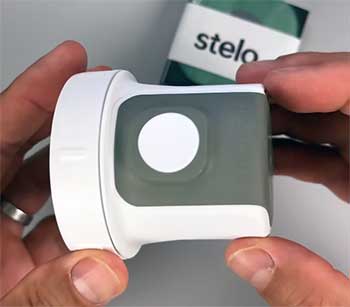
- Absence Of Real Time Alarms: One of the most significant drawbacks is the lack of audible alerts for dangerously low or high glucose levels, which means you cannot rely on this device for safety if you are prone to severe hypoglycemia.
- Significant Out Of Pocket Cost: Because this is an over-the-counter product, it is almost never covered by traditional health insurance plans, requiring you to pay the full price yourself, which can add up to hundreds of dollars over a year.
- Reported Accuracy Discrepancies: I have noticed and read many reports of the sensor being off by thirty to fifty points compared to a traditional finger-stick meter, which can be confusing and lead to incorrect assumptions about your actual metabolic state.
- Single Use Applicator Waste: Each sensor comes with a large plastic applicator that is immediately discarded after one use, creating a fair amount of environmental waste that can be off-putting for users who are trying to reduce their plastic footprint.
- Adhesive Skin Irritation: While the patch stays on well, the medical-grade adhesive can cause redness, itching, or even small blisters for those of us with sensitive skin, sometimes making it uncomfortable to wear for the full fifteen-day duration.
- Age And Condition Restrictions: This specific biosensor is currently only cleared for adults eighteen and older and is not intended for people on insulin or those with problematic hypoglycemia, which limits the user base significantly for those with medical needs.
- App Connectivity Glitches: There were several times during my testing where the sensor lost connection with my phone for no apparent reason, resulting in gaps in my data that were frustrating when I was trying to track a specific meal.
Maintenance Tips For Stelo Glucose Biosensor
- Pre Application Skin Preparation: You must thoroughly clean the back of your arm with an alcohol wipe and let it dry completely before applying the sensor to ensure that natural skin oils don’t prevent the adhesive from sticking.
- Avoid Tricep Muscle Placement: When you are choosing your spot, make sure to find a fatty area on the back of the arm rather than placing it directly over the muscle to minimize pain and ensure the sensor wire stays in place.
- Use Reinforcement Overpatches: If you are particularly active or live in a humid climate, I highly recommend using the included overpatch to provide an extra layer of security and prevent the sensor from peeling at the edges prematurely.
- Rotating Application Sites: You should always alternate between your left and right arms with each new sensor to give your skin a full fifteen days to breathe and recover, which effectively prevents the buildup of scar tissue or irritation.
- Adhesive Removal Strategy: To avoid ripping off layers of skin when the fifteen days are up, you can apply baby oil or a specialized adhesive remover for ten minutes to loosen the bond before gently peeling the sensor away.
- Regular App Syncing: Make sure to open the Stelo app at least once every few hours to ensure the Bluetooth connection remains active and your data is properly uploaded to the cloud for a continuous and gap-free graph.
- Proper Storage Environment: Keep your unused sensors in a cool, dry place within the recommended temperature range to prevent the chemical enzymes on the sensor wire from degrading, which can lead to wildly inaccurate readings or failure.
- Firm Applicator Pressure: When you are ready to apply the device, press the applicator firmly against your skin before pushing the button to ensure the needle penetrates deep enough for the sensor wire to seat correctly in the tissue.
- Initial Warmup Patience: Resist the urge to check your levels during the first thirty minutes after application because the system is performing internal checks and any premature data would likely be inaccurate as the sensor stabilizes in your body.
Also read: My Thoughts on Seurico Blood Glucose Meter
Comparison with Other Brands
Dexcom G7 Analysis
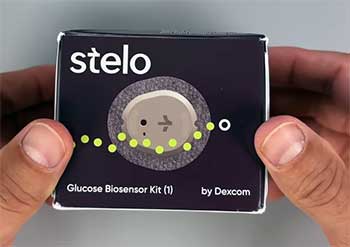
- Feature Comparison: The Dexcom G7 is essentially the “big brother” to the Stelo, offering the same physical hardware but with a much more robust software suite that includes real-time alerts for lows and highs, which is vital for safety.
- Accessibility Comparison: While the G7 requires a prescription and is often covered by insurance for those with diabetes, the Stelo is available to everyone without a doctor’s note, making it the superior choice for general wellness and biohacking.
Abbott Lingo Comparison
- Longevity And Wear Time: The Abbott Lingo is the direct competitor in the over-the-counter space, and while both offer great apps, I found the Stelo’s fifteen-day wear time to be a significant advantage over many of Abbott’s shorter-duration sensors.
- App Ecosystem Comparison: Abbott Lingo focuses heavily on “Lingo Counts” which gamifies your glucose, whereas Stelo takes a more analytical and scientific approach that I found much more useful for actually understanding the mechanics of my metabolism.
Freestyle Libre 3 Review
- Sensor Size Comparison: The Libre 3 is famously small, about the size of two stacked pennies, which makes it even more discrete than the Stelo, though it currently remains primarily a prescription device for those with diagnosed medical conditions.
- Data Refresh Frequency: Both devices provide continuous readings without the need for manual scanning, but I found the Stelo app to be slightly more intuitive for visualizing how exercise specifically impacts my glucose recovery compared to the Libre software.
Nutrisense And Levels Platforms
- Cost And Value Analysis: These platforms typically use Dexcom or Libre hardware but charge a high monthly fee for their specialized app coaching, making the Stelo a much more affordable “DIY” alternative for those who can interpret their own data.
- Data Depth Comparison: While Nutrisense offers human dietitians to look at your charts, Stelo provides enough automated insights and educational modules that most people will find they can achieve their health goals without the added monthly subscription cost.
Frequently Asked Questions (FAQ)
For anyone interested in metabolic health, it is absolutely worth it. The level of insight you gain into how specific foods and stressors affect your body is invaluable and can lead to permanent, healthy habit changes that far outweigh the monthly cost.
A one-time purchase of two sensors, which covers a thirty-day period, typically costs about $99 plus shipping. If you choose a monthly subscription model, the price usually drops to around $89, making it one of the most affordable ways to access CGM technology.
Each Stelo sensor is designed to be worn for up to 15 days, with a 12-hour grace period at the end to allow you time to swap it out. Most users find that the adhesive and the sensor remain functional for the full duration if applied correctly.
No, the Stelo Glucose Biosensor is the first FDA-cleared continuous glucose monitor that is available completely over-the-counter. You can order it directly from the manufacturer’s website and have it shipped to your home without any involvement from a doctor.
While they use the same hardware, the Stelo does not provide real-time alerts for low or high blood sugar, making it unsuitable for those on insulin. It also lasts 5 days longer than the G7 but lacks the insurance coverage and medical-grade safety features.
Conclusion
If you want to take control of your metabolic health without the red tape, you should buy the Stelo Glucose Biosensor as your primary tracking tool. It offers a unique window into your biology that was previously locked behind a doctor’s prescription, providing the data you need to thrive. While the out-of-pocket cost is real, the knowledge you gain about your body’s response to your lifestyle is a game-changer. Don’t wait for a diagnosis to start caring about your glucose; get your sensor today and start living your most energized life.
Recent Posts
● Interactive 5-Zone Interior & Exterior Paint Blueprint Paint Coverage Calculator: Gallons, Primer, Square Footage & Cost Tap any architectural surface zone on the blueprint...
If you want smooth, shiny hair without spending a fortune on a premium styling tool, the Ella Bella hair dryer may be worth considering.In these Ella Bella hair dryer reviews, I’ll look...