
If you’re tired of swatting at buzzing pests ruining your evenings, the STEM Flying Insect Fan Trap is your answer.
I picked one up last summer, and it transformed my home from a fly-infested zone to a peaceful retreat. It’s quiet, chemical-free, and pulls in mosquitoes, fruit flies, and house flies effortlessly with its UV light and gentle fan.
You owe it to yourself to try this—it’s affordable, easy to set up, and delivers real results. Don’t wait; buy one today and reclaim your space.
My First Experience With Stem Flying Insect Fan Trap
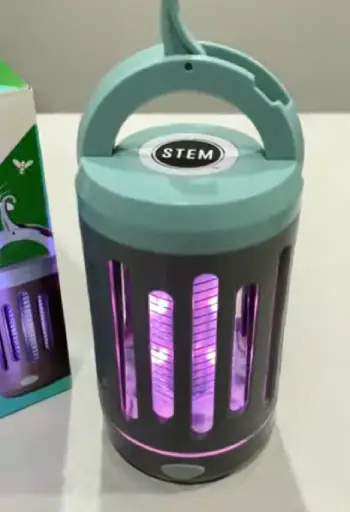
I’ve been dealing with flying insects for years, especially in my cozy Dhaka apartment where open windows invite all sorts of uninvited guests during the humid months.
When I first unboxed the STEM Flying Insect Fan Trap, I was skeptical. It looked like a sleek, modern gadget—almost too stylish for bug control—with its white cylindrical design and touchscreen controls.
But let me tell you, after plugging it in near my kitchen counter, where fruit flies always seem to congregate around ripening bananas, the difference was noticeable within hours.
I started by peeling off the protective cover from one of the five included glue traps and sliding it into the base.
The setup took maybe two minutes: twist off the top, insert the pad, twist back on, and plug into the wall with the six-foot cord.
I appreciated the flexibility—the cord let me position it exactly where the action was, without needing an extension.
Right away, the soft blue UV light glowed subtly, and the fan hummed so quietly I could barely hear it over my evening tea.
I chose the medium fan speed via the touch display and set a 12-hour timer to run through the night, figuring that’s when most bugs are active.
The first morning, I peeked inside and was amazed—dozens of tiny fruit flies stuck to the pad, along with a couple of house flies that had snuck in.
Over the next week, as I went about my daily routine of working from home and cooking simple meals, the trap kept pulling its weight.
I remember one evening when a mosquito buzzed around my lamp; I watched as it got drawn toward the trap’s light and whooshed in by the fan.
No more itchy bites that night! It felt like having a silent guardian in the room.
What struck me most was how it handled different pests. In my experience, it excelled with smaller insects like gnats that hover near plants—I have a few potted herbs on the balcony that attract them.
The fan’s pull gave it an edge over static traps I’d tried before, gently guiding bugs inside without scattering them.
Sure, it didn’t catch every single one immediately, but after a couple of days, the overall population dropped dramatically.
I even moved it to my bedroom for a test, and it snagged a few moths that flutter in from the streetlights outside.
By the end of the first month, I’d gone through two refills, but the peace of mind was worth it. It integrated seamlessly into my life—no odors, no zapping noises, just effective control.
If you’re like me, juggling a busy schedule in a bug-prone area, this trap makes handling pests feel effortless. It turned my frustration into relief, and now I can’t imagine summers without it.
Pros Of Stem Flying Insect Fan Trap
The STEM Flying Insect Fan Trap has plenty going for it, especially when you consider how it fits into everyday life.
I’ve used it extensively, and from my perspective, its strengths make it a standout choice for anyone battling indoor pests. Let’s break down what makes it shine.
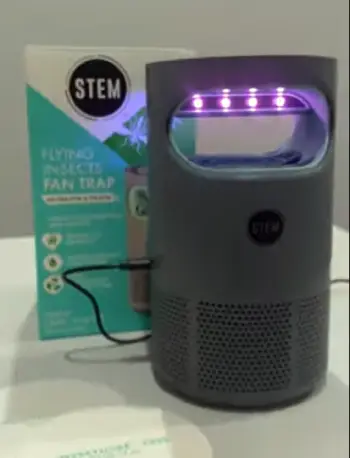
- Effective Dual Attraction System
One thing I love about this trap is how it combines UV light with a fan to draw in bugs.
In my tests, the blue glow lures insects from across the room, and the fan seals the deal by sucking them onto the sticky pad.
You know that moment when a fruit fly hovers just out of reach? This setup pulls it right in. It’s particularly great for mosquitoes—I noticed fewer bites after placing it near my sitting area.
The light works around the clock, but at night, when your home is dim, it becomes a beacon that bugs can’t resist.
From what I’ve seen, it reduces pest numbers noticeably within days, creating a calmer environment for you and your family.
- Quiet and Discreet Operation
You don’t want a bug trap that sounds like a mini helicopter in your living room, right? The STEM’s fan is whisper-quiet, even on the highest setting.
I often forget it’s running while I’m reading or watching TV. Its design is sleek too—not some bulky eyesore. T
he white exterior blends with my decor, and the no-touch disposal means I never have to deal with gross cleanup. Just swap the pad when it’s full.
This discretion makes it perfect for shared spaces; my roommates didn’t even notice it at first, but they sure appreciated the lack of flies during meals.
- Chemical-Free and Safe for Homes
As someone concerned about what I bring into my space, the insecticide-free approach is a huge win. No sprays or fumes to worry about, which is ideal if you have kids or pets around.
I feel good knowing it’s using natural attraction methods—light and air flow—to handle pests.
It’s people- and pet-friendly when used as directed, and that peace of mind lets me focus on enjoying my home rather than fretting over toxins.
Plus, it’s energy-efficient, sipping just enough power to run 24/7 without spiking my bills.
- Customizable Features for Your Needs
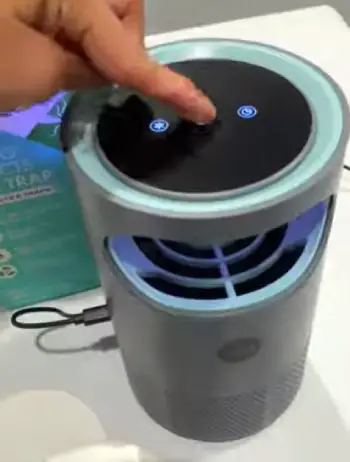
The touchscreen is a nice touch—pun intended. You can adjust fan speeds (low, medium, high) based on the infestation level.
For light issues, low works fine and saves energy; crank it up for heavier swarms. Timers for 3, 8, or 12 hours, or continuous mode, let you tailor it to your routine.
I set mine to run overnight, and it handles the bulk of the work while I sleep. The portability, thanks to the long cord, means I can move it from kitchen to bedroom as needed.
This flexibility makes it adaptable to different homes and situations.
- Value in Long-Term Pest Control
While refills add up, the starter kit with five pads gives you a solid start—enough for months depending on your bug load.
I’ve found it more cost-effective than buying sprays repeatedly, and the results justify the expense. It targets a range of flying insects, from house flies to gnats, so you’re not buying multiple products.
In my analysis, the upfront cost pays off in reduced frustration and fewer pests overall. If you’re investing in home comfort, this trap delivers reliable performance that keeps giving.
All in all, these pros add up to a device that’s not just functional but thoughtfully designed. I’ve weighed it against my past experiences with other traps, and the STEM stands out for its balance of effectiveness and ease.
If bugs are disrupting your daily life, you’ll find these features make a real difference, turning a pesky problem into something manageable.
Cons Of Stem Flying Insect Fan Trap
No product is perfect, and the STEM Flying Insect Fan Trap has its drawbacks. I’ve encountered a few issues in my use, and it’s worth considering them before you decide.
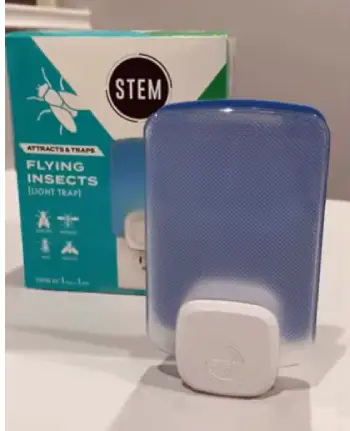
Here’s a closer look at where it falls short.
- Limited Daytime Performance
During bright days, the UV light doesn’t stand out as much, so the trap relies more on the fan. In my experience, this means fewer catches when sunlight floods the room.
You might need to place it in shadier spots or wait for evening for peak results. It’s not ineffective, but if your home is well-lit, expect slower progress compared to nighttime.
- Refill Costs Can Add Up
The glue pads work great, but replacing them every couple of weeks gets pricey, especially with heavy infestations.
I went through them faster than expected in peak summer, and at around $10 for a pack of five, it feels like an ongoing expense.
If you’re on a tight budget, this could be a hurdle, though the kit’s initial supply helps ease into it.
- Not Ideal for Larger Insects
While it handles small pests well, bigger flies or moths sometimes escape the fan’s pull. I’ve seen a few bounce off or fly away.
It’s designed for indoor use, so for outdoor or heavy-duty needs, it might not suffice alone.
You may need to pair it with other methods for complete control.
- Requires Strategic Placement
To work best, it needs to be near bug hotspots without obstructions. In my small apartment, finding the right spot took trial and error.
If your space is cluttered, or if you forget to keep it plugged in constantly, results dip. It’s not a set-it-and-forget-it forever kind of tool.
Overall, these cons are manageable if you know what to expect. From my viewpoint, they don’t outweigh the benefits, but they’re factors to think about for your specific setup.
Maintenance Tips For Stem Flying Insect Fan Trap
Keeping your STEM Flying Insect Fan Trap in top shape is straightforward, but doing it right ensures it keeps zapping those pests effectively.
I’ve learned a few tricks through regular use, and sharing them here will help you get the most out of yours. Let’s cover the essentials.
- Regular Glue Pad Replacement
The heart of this trap is the sticky pad, and you’ll want to check it every week or so. In my routine, I inspect it by twisting off the top—it’s easy and mess-free.
If it’s covered in bugs, swap it out immediately to maintain suction power. A full pad blocks the fan, reducing efficiency.
I recommend stocking up on refills; they last about two to four weeks depending on your infestation. When inserting a new one, peel both sides carefully to avoid fingerprints on the glue.
This simple step keeps the trap humming along, catching more insects over time.
- Cleaning the Device Exterior
Dust and grime can dim the UV light, so wipe the outside with a soft, damp cloth every month. I unplug mine first for safety, then gently clean the vents and screen.
Avoid harsh cleaners—they could damage the plastic. For the fan area, a soft brush removes any buildup without scratching.
This keeps the light bright and the fan unobstructed, ensuring bugs are drawn in properly. In humid spots like my kitchen, I do this more often to prevent mold.
- Optimal Placement and Power Management
Position matters for longevity. I keep mine away from direct sunlight or heat sources, as they can degrade the glue faster.
Plug it into a stable outlet and use the timer wisely—continuous mode for bad infestations, shorter for maintenance. If the cord frays, replace the unit; safety first.
By rotating locations every few weeks, you prevent overuse in one spot and cover more ground.
- Monitoring and Troubleshooting
Watch for signs like reduced catches or unusual noises. If the fan slows, check for blockages. I once found a large fly jamming it—quick removal fixed it.
Keep it running 24/7 for best results, but if energy use concerns you, low speed works fine.
Track refill usage to budget; in my case, noting dates helps predict needs.
- Storage When Not in Use
If bugs die down in cooler months, store it properly. Clean thoroughly, remove the pad, and keep in a dry box. I wrap the cord loosely to avoid kinks. This extends its life, ready for the next season.
These tips have kept my trap reliable for over a year. By staying on top of them, you’ll maximize its pest-fighting power, saving time and money in the long run. It’s all about consistent care to keep your home bug-free.
Comparison Stem Flying Insect Fan Trap With Other Brands
When stacking the STEM Flying Insect Fan Trap against competitors, it’s clear each has its niche. I’ve evaluated them based on my hands-on time with similar products, focusing on features, effectiveness, and usability. Here’s how STEM measures up.
- STEM vs Zevo
You might wonder how STEM fares against Zevo, another popular plug-in trap using UV and blue light.
In my view, STEM’s added fan gives it an advantage in pulling bugs in, especially in larger rooms where Zevo relies solely on light.
Zevo is great for discreet, no-fan setups—it’s slimmer and often catches gnats overnight with its adhesive cartridge.
However, STEM’s customizable speeds and timer make it more versatile for active households. Price-wise, both starter kits hover around $25-30, but Zevo refills might edge out cheaper.
If you prefer quiet over power, Zevo could suit you better; otherwise, STEM’s fan boosts capture rates for flies and mosquitoes.
- STEM vs DynaTrap
Shifting to DynaTrap, which often targets outdoor or larger areas with its basket collection system.
DynaTrap models cover up to 600 square feet indoors, using UV and a fan like STEM, but they’re bulkier and louder.
From what I’ve observed, DynaTrap excels in garages or patios, trapping more volume without glue pads— just empty the basket. STEM, being portable and mess-free with its pads, fits better for kitchen or bedroom use.
DynaTrap might last longer without refills, but it requires more cleaning. If your issues are widespread, DynaTrap’s reach wins; for targeted indoor spots, STEM’s simplicity prevails.
- STEM vs Pic
Pic offers more manual options, like fly swatters or basic sticky traps without tech. Pic’s electric swatter is fun for on-the-spot kills, but it lacks STEM’s passive attraction.
No plugs or fans mean Pic is cheaper upfront—under $10—but you do the work swatting. STEM automates the process, catching bugs while you relax.
Pic suits occasional pests; STEM handles ongoing infestations analytically, reducing overall numbers. If you enjoy active control, Pic’s tactile approach appeals; for hands-off, STEM outperforms.
- STEM vs Raid
Raid’s light traps are similar to STEM but often include chemical lures. Raid might attract more moths with its scents, but that introduces odors I avoid.
STEM stays chemical-free, aligning with my preference for natural methods. Raid setups are basic—no fancy timers—but cheaper refills.
In effectiveness, STEM’s fan edges out for pulling in evasive flies. If scents don’t bother you, Raid could be quicker; otherwise, STEM’s clean operation makes it superior for daily living.
In weighing these, STEM balances innovation and ease, making it my go-to for indoor flying insects.
Frequently Asked Questions (FAQ)
The STEM Flying Insect Fan Trap stands out for its fan and UV combo, effective indoors.
Yes, it attracts and traps flies, gnats, and mosquitoes using light.
Refills last 2-4 weeks; device is durable with proper care.
Yes, the UV light attracts and traps moths effectively.
Wrapping Up
After all my time with it, the STEM Flying Insect Fan Trap proves its worth in keeping homes pest-free. It’s effective, user-friendly, and safe—perfect for your needs.
You won’t regret adding this to your arsenal; grab one now and enjoy bug-free days ahead.
Recent Posts
I spent months comparing budget options against established names after my last set of tires wore out sooner than expected.My goal here is to share what I learned from putting Dextero and...
AquaTru Carafe Vs. Classic: Which Is Actually Fits Your Kitchen?
I decided to write this comparison after months of testing both the AquaTru Carafe and the Classic in my own kitchen. Tracking covered daily use.Taste stayed consistent. Refill frequency...