
I have spent plenty of time watching my little one push around on a balance bike, and the choice between the Strider Classic and the Strider Sport always comes up for parents like me. Both models help kids learn balance without pedals, but they differ in ways that affect daily use and long-term value. In this article I share my honest thoughts from real family experiences, weighing key features, pros and cons, and practical details so you can decide which one suits your child best. I aim to make the decision clearer without any hype.
I remember the first time I unboxed a balance bike for my toddler. The excitement mixed with questions about which version would last longer as my child grew. The Strider Classic offers a solid entry point with its simple steel frame and lightweight build that lets little legs push off the ground easily. Kids feel confident because both feet reach the pavement from the start. The foam tires roll smoothly on pavement and never need air, which saves parents constant checks.
Yet the Classic demands an Allen wrench for adjustments, and its seat maxes out sooner, limiting use as kids shoot up in height around age three.The Strider Sport builds on that foundation with thoughtful upgrades that make daily life easier. Tool-free clamps mean I can raise the seat or handlebars in seconds when my kid hits a growth spurt. The extra-long seat post and padded saddle keep comfort high for older toddlers up to five years old. Mini grips fit tiny hands better, giving better control during those wobbly first pushes.
A handlebar pad adds a layer of safety if little heads lean forward. Both bikes share the same low standover height and flat-free 12-inch wheels with sealed bearings, so rolling feels effortless either way.
A Brief Comparison Table
| Feature | Strider Classic | Strider Sport |
| Frame Material | Steel | Steel |
| Weight | Approximately 6.5 lbs | Approximately 6.7 lbs |
| Seat Height Range | 11-16 inches (up to about age 3) | 11-17 inches or more with XL post (up to age 5) |
| Handlebar Adjustment | Requires tools | Tool-free quick clamps |
| Seat Options | Mini plastic all-weather saddle | Mini padded seat plus optional XL padded seat post |
| Grips And Padding | Standard grips, no handlebar pad | Mini grips for small hands, handlebar pad |
| Footrests | Integrated on frame | Upgraded performance footrests |
| Assembly | Requires tools | No-tool assembly |
| Age Range | 18 months to 3 years | 18 months to 5 years |
| Tires | 12-inch foam rubber, flat-free | 12-inch foam rubber, flat-free |
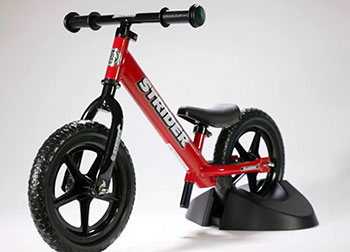
My Experience With Strider Classic
I first tried the Strider Classic when my youngest turned 20 months old and showed interest in anything with wheels. Unboxing took a few minutes with the included instructions, and I used a simple wrench to set the initial height.
From the first push in our driveway, my child grinned ear to ear while scooting along with both feet on the ground. The lightweight feel made it easy for them to turn and stop by dragging feet, building confidence quickly.
Over the next several months we used it almost daily at the local park. The foam tires handled light grass patches without issue, and the low seat let my toddler mount and dismount independently.
I appreciated how little maintenance the bike needed—just occasional wipes after muddy days. However, as my child approached three years and grew taller, the seat height started feeling limiting. Adjusting with tools each time became a small chore that interrupted play.
We eventually added the XL seat post, which helped extend use a bit longer. The basic saddle held up but lacked the plushness I saw on friends’ Sport models.
Still, the Classic taught solid balance skills that made the later transition to a pedal bike much smoother. My kid skipped training wheels entirely, which many parents say happens after starting on Strider.
The integrated footrests worked for short coasts, though my child rarely used them until later. Overall, the experience felt positive and practical for our needs at the time.
The bike survived countless drops and still looks decent today, ready for another sibling if needed. I would recommend the Classic to anyone testing the waters or working with a tighter budget who expects use mainly in the early toddler years.
Pros Of Strider Classic
- Lightweight Design Makes Handling Simple: The Classic weighs around 6.5 pounds, so even a small toddler can pick it up or maneuver it without much effort. I noticed my child could drag it back to the porch easily after playtime, building independence from the earliest rides. Parents appreciate carrying it on walks or trips because it never feels like dead weight.
- Affordable Entry Into Balance Riding: Priced lower than the Sport, the Classic lets families try the balance bike concept without a big investment. Many parents start here and upgrade later if needed. The steel frame holds up well to daily bumps and drops that toddlers deliver.
- Flat-Free Foam Tires Eliminate Worries: These 12-inch wheels never go flat and require zero maintenance beyond occasional cleaning. I stopped stressing about punctures during park visits or light trail rolls. The tires provide decent grip on smooth surfaces and roll quietly indoors too.
- Simple And Durable Construction: With fewer moving parts and integrated footrests, the Classic stands tough against rough play. The plastic mini saddle resists weather and stays grippy even after rain. Kids learn basic balance skills quickly because nothing distracts from pushing and gliding.
- Easy For Beginners To Master: The low seat height lets 18-month-olds place both feet flat on the ground right away. This confidence boost helps them progress faster to scooting and eventually coasting. Many families report their toddlers rode confidently within days.
- Compact Size For Storage And Travel: The small frame folds into car trunks or apartment corners without hassle. I packed ours for family vacations multiple times, and it never took much space. Siblings can share it comfortably in the early years.
- Proven Track Record For Motor Skill Development: Strider bikes encourage natural balance before pedaling, which many experts say leads to smoother transitions to two-wheelers later. The Classic delivers this benefit at a budget-friendly level that still feels premium in ride quality.
- Wide Color Options In Basic Models: Even the Classic comes in fun shades that appeal to young riders. My child picked their favorite color, making the bike feel personal and exciting every time we headed outside.
- Reliable For Everyday Park Use: On flat paths and sidewalks, the Classic performs consistently. The sealed cartridge bearings keep the wheels spinning smoothly month after month. I rarely heard squeaks or noticed drag even after heavy use.
Read More: Comparison of Sole Treadmill F80 And Sole Treadmill F85
Cons Of Strider Classic
- Limited Seat Height Adjustment Range: The standard seat only reaches about 16 inches, so many children outgrow it by age three. I had to watch my toddler’s legs start cramping as they grew taller, prompting an early upgrade or add-on purchase.
- Tool Required For Adjustments: Every time the handlebars or seat needed raising, I hunted for an Allen wrench. This became frustrating during quick growth spurts or when sharing between siblings of different sizes.
- Basic Grips And No Handlebar Pad: Standard grips can feel less secure in small hands during excited rides. Without a pad, forward leans sometimes led to minor bumps that a padded bar would have cushioned.
- Shorter Overall Usable Lifespan: Designed mainly for 18 months to three years, the Classic may sit unused sooner than expected. Families with rapidly growing kids often wish for the extended range right from the start.
- Harder Plastic Saddle Feels Less Comfortable: The all-weather mini seat works fine but lacks the padding of the Sport model. Longer rides sometimes left my child shifting around more than necessary.
- Footrests Are Basic Integrated Style: While functional, the frame-mounted footrests feel less refined than upgraded versions. Older toddlers occasionally struggled to rest their feet comfortably while coasting.
- Assembly Takes More Time And Effort: Needing tools for initial setup slows down the unboxing excitement. Some parents mentioned minor frustration aligning parts without quick clamps.
- Fewer Color Choices Compared To Sport: Limited palette means less excitement for kids who want specific shades. My toddler noticed the difference when friends had brighter Sport models.
Maintenance Tips For Strider Classic
- Wipe Down The Frame Regularly: After outdoor rides, a quick pass with a damp cloth removes dirt and prevents buildup on the steel frame. I made this part of our evening routine, keeping the bike looking fresh for months.
- Check Bolts Periodically For Tightness: Even though the Classic is simple, giving bolts a visual inspection every few weeks ensures nothing loosens from rough play. A basic wrench does the job if needed.
- Clean The Foam Tires With Mild Soap: Foam rubber picks up marks easily, but gentle cleaning keeps them rolling smoothly without damaging the material. Avoid harsh chemicals that could degrade the wheels.
- Store Indoors Or Under Cover When Possible: Protecting from constant rain or direct sun extends the life of grips and saddle. I kept ours in the garage, and it showed little wear over a year.
- Inspect Footrests For Wear: The integrated rests take plenty of foot pressure, so occasional checks prevent cracks. They hold up well but benefit from awareness.
- Lubricate Moving Parts Sparingly If Needed: The sealed bearings rarely need attention, but a tiny drop of bike lube on pivot points keeps adjustments smooth if tools are used often.
- Avoid Leaving In Extreme Heat: High temperatures can affect plastic components slightly, so shade storage helps maintain shape and color.
- Rotate Use If Multiple Kids Share: Alternating riders distributes wear evenly across the saddle and grips, maximizing the bike’s lifespan.
- Tighten Grips When They Loosen: Standard grips can shift over time; a quick push back into place keeps hands secure during rides.
- Clean Seat Thoroughly After Messy Days: The plastic saddle wipes clean easily, but thorough cleaning after mud play prevents staining.
My Experience With Strider Sport
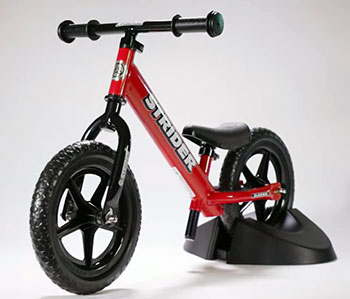
Switching to the Strider Sport for our second child felt like an upgrade in convenience right away.
No-tool assembly meant the bike was ready in minutes, and quick clamps let me adjust heights on the spot as growth spurts hit.
My toddler started at 18 months and continued riding comfortably past age four thanks to the extended seat post and padded saddle.
The mini grips gave better hand control during faster pushes, and the handlebar pad saved a few minor bumps when leaning into turns.
We took the Sport on family trips more often because tool-free tweaks made packing and setup effortless. The upgraded footrests saw actual use as my child learned to coast longer distances with feet up.
Maintenance stayed minimal, with the same flat-free tires performing reliably on pavement and occasional dirt paths.
The steel frame took the usual toddler abuse without complaint. I noticed my child stayed engaged longer on the Sport, partly because adjustments kept the fit perfect and comfort high.
Playdates showed clear differences—friends commented on how easily the Sport adapted compared to their fixed-height bikes. The extra features justified the higher price for us because the bike grew with the child instead of being outgrown quickly. By the time we moved to pedals, balance skills were rock solid, making the transition seamless.
The Sport became a daily favorite that encouraged more outdoor time. Its thoughtful details made parenting easier, from quick cleanups to spontaneous height changes. I genuinely appreciated the design that anticipated real family life rather than just basic riding.
Pros Of Strider Sport
- Tool-Free Adjustments Simplify Daily Use: Quick clamps let parents raise the seat or handlebars in seconds without hunting for tools. I adjusted on the fly during park visits when my child suddenly seemed too tall, keeping rides fun and frustration-free.
- Extended Age Range Up To Five Years: The XL seat post and taller adjustment options mean the Sport lasts through more growth stages. Families get longer value, often sharing between siblings spaced a couple years apart.
- Padded Seat And Mini Grips Enhance Comfort: The cushioned saddle reduces shifting on longer rides, while narrow grips fit small hands perfectly for better control. My toddler gripped confidently even during excited sprints.
- Handlebar Pad Adds Safety Margin: This small feature cushions accidental forward contact, giving parents peace of mind during learning phases when balance is still developing.
- Upgraded Performance Footrests Encourage Coasting: Built-in rests feel more natural for resting feet while gliding, helping kids practice balance at higher speeds. Many children progress faster to advanced skills.
- No-Tool Assembly Speeds Up Setup: Parents can have the bike ready immediately after unboxing, turning anticipation into instant playtime. This convenience matters when kids are eager to ride.
- Lightweight Steel Frame Remains Easy To Handle: At around 6.7 pounds, the Sport stays manageable for toddlers while offering durability that holds up to rough use over years.
- Flat-Free Tires Maintain Consistent Performance: The same maintenance-free 12-inch wheels deliver reliable rolling without air pressure worries, perfect for busy parents.
- Wide Range Of Vibrant Colors: More color choices make the bike exciting for kids, increasing ownership pride and willingness to ride regularly.
- Smooth Transition To Pedal Bikes Later: The balance foundation built on the Sport often leads to confident pedaling without training wheels. Many families report faster overall progress.
Cons Of Strider Sport
- Higher Price Point Than The Classic: The added features increase cost, which may stretch budgets for some families. I weighed this carefully but found the convenience worth it for our situation.
- Slightly Heavier Due To Extra Components: The additional seat post and clamps add a small amount of weight compared to the bare Classic, though it remains very light overall.
- Foam Tires Still Less Ideal For Rough Terrain: While fine on pavement, the wheels can feel draggy on very bumpy grass or trails compared to air-filled options on other bikes.
- May Feel Overbuilt For Very Short-Term Use: If your child will only ride for a year or less, some premium features go unused, making the Classic sufficient.
- Padded Seat Can Collect Dirt More Noticeably: Fabric elements require occasional deeper cleaning after especially muddy sessions, though still easier than many alternatives.
- More Parts Mean Slightly More To Inspect: Quick clamps and extra post add minor check points during regular maintenance, even if overall upkeep stays low.
- Limited Steering Adjustments Compared To Some Models: No built-in limiters mean parents must supervise turns closely in early stages.
- Color Availability Can Vary By Retailer: Popular shades sometimes sell out, requiring waits or alternative choices.
- Potential For Clamp Wear Over Many Years: Frequent adjustments in large families could loosen mechanisms eventually, though rare in normal use.
- Higher Initial Investment Requires Justification: Some parents question the extra cost until they experience the daily ease firsthand.
- These cons are relatively minor for most users. The Sport trades a bit of simplicity for significant convenience and longevity, which suited our family well.
- Maintenance Tips For Strider Sport
- Use Quick Clamps Correctly To Avoid Slippage: Learn the proper tightening technique for the adjustment levers so heights stay secure during active riding. I checked them before each longer outing.
- Wipe Padded Seat Regularly With Mild Cleaner: The cushion attracts more dust and marks than plastic versions, so gentle cleaning keeps it fresh and comfortable for sensitive skin.
- Inspect Mini Grips For Tightness Monthly: Small hands pull hard sometimes, so ensuring grips stay in place prevents slipping during enthusiastic play.
- Clean Handlebar Pad Periodically: The safety padding benefits from occasional wiping to remove hand sweat or dirt that builds up over time.
- Check Upgraded Footrests For Secure Attachment: These parts see direct foot pressure, so visual inspections ensure they remain firmly in place.
Comparison With Other Brands
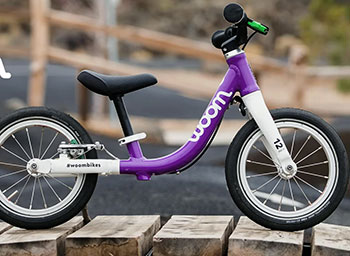
Strider Sport Balances Features And Price Better Than Many Premium Options: Against brands like Woom, the Sport offers similar lightness and adjustability at a noticeably lower cost. Woom adds brakes but limits height range in some models, while Strider prioritizes growth and simplicity.
Tool-Free Convenience Outshines Tool-Dependent Competitors: Several other balance bikes still require wrenches for adjustments, making the Sport stand out for busy parents who value speed and ease.
Extended Usability Competes Well With Convertible Models: While some bikes convert to pedal versions, the Sport’s long balance phase prepares kids effectively without added complexity or weight.
Foam Tires Provide Unique Maintenance Edge: Air-tire models from other brands demand regular pumping and repair kits. The Sport eliminates that chore entirely, appealing to parents tired of traditional bike hassles.
Lightweight Steel Construction Holds Up Like Higher-End Aluminum Frames: Though the Pro uses aluminum for even less weight, the Sport’s steel frame delivers durability that matches or exceeds many competitors in real-world toddler use.
Community And Resale Strength Surpasses Lesser-Known Brands: Strider’s widespread popularity means easier selling or handing down compared to obscure alternatives that lack the same recognition.
Safety Pad And Mini Grips Offer Practical Advantages: Not all brands include these child-specific details, giving the Sport an edge in comfort and minor protection during active play.
Versatile For Both Indoor And Outdoor Play: Some rough-terrain focused bikes sacrifice smoothness on pavement, whereas the Sport handles varied surfaces adequately for most families.
Value Proposition Remains Strong Against Luxury Alternatives: Higher-priced options add features like advanced brakes, but the Sport delivers core balance training effectively without inflating costs unnecessarily.
Proven Durability Matches Or Exceeds Market Averages: Years of positive reviews highlight how Strider bikes withstand drops and weather better than some plastic-heavy designs.
Adjustability Range Often Tops Basic Competitor Models: Many entry bikes max out early, while the Sport’s extended post keeps it relevant longer for growing children.
Color Variety Enhances Appeal Compared To Limited Palettes: The Sport’s selection helps match kids’ personalities, increasing excitement and usage frequency over plainer alternatives.
Minimalist Yet Functional Design Appeals Broadly: Parents who dislike overly complicated bikes appreciate the Sport’s focused approach that still includes key upgrades.
Strong Track Record For Skipping Training Wheels: Families report smoother transitions to pedal bikes after Sport use, a benefit shared with top competitors but achieved more affordably here.
Also Read: Comparison of Sennheiser Accentum And Sennheiser Accentum Plus
Frequently Asked Questions (FAQ)
The Sport adds tool-free adjustments, an extended seat post for longer use up to age five, a padded saddle, mini grips, a handlebar pad, and upgraded footrests, while the Classic requires tools and has a shorter height range.
The Pro features a lighter aluminum frame for reduced weight, while the Sport uses a steel frame; both share similar adjustments, seats, and tires, with the Pro aimed at those wanting maximum lightness.
A sports bike like the Strider Sport includes modern upgrades for comfort, adjustability, and extended growth, whereas a classic bike offers simpler, more basic construction focused on core function at a lower price.
Conclusion
I have used both the Strider Classic and Strider Sport with my own kids, and each serves different family needs well. You might prefer the Classic if you want an affordable way to introduce balance riding for a shorter period and do not mind using tools occasionally for adjustments. It delivers solid performance and teaches essential skills without extra cost.On the other hand, you will likely appreciate the Sport more if convenience, longer usability, and thoughtful comfort features matter to your daily routine.The tool-free design and extended range make it grow with your child more seamlessly, often justifying the higher price through years of reliable service.Ultimately, consider your child’s age, growth pace, and how much you value quick adjustments versus basic simplicity. Both models from Strider help kids gain confidence on two wheels effectively.I encourage you to think about your specific situation and choose the one that fits best—your little one will thank you with big smiles during those first independent rides. Whichever you pick, you are giving them a fun foundation for future cycling adventures.
Recent Posts
● Interactive 5-Zone Interior & Exterior Paint Blueprint Paint Coverage Calculator: Gallons, Primer, Square Footage & Cost Tap any architectural surface zone on the blueprint...
If you want smooth, shiny hair without spending a fortune on a premium styling tool, the Ella Bella hair dryer may be worth considering.In these Ella Bella hair dryer reviews, I’ll look...