
I would not recommend buying the Sully Shoulder Stabilizer based on the concerns raised in customer feedback.
Although the brace is designed to support the shoulder during activity and help limit unwanted movement, reports of poor fit, discomfort, durability concerns, and inconsistent satisfaction make me cautious.
If you need dependable shoulder support, I think you should compare several alternatives before spending your money on this one.
A shoulder stabilizer needs to feel secure without creating new discomfort, and that balance matters more than a long list of advertised features.
My First Experience With The Sully Shoulder Stabilizer
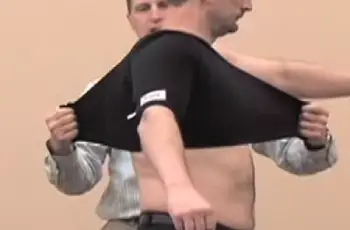
When I first looked at the Sully Shoulder Stabilizer, the basic idea made sense to me.
A shoulder brace is supposed to provide controlled support while still allowing enough movement for everyday activities or sports.
I have always viewed that balance as the most important part of any shoulder support product. If a brace is too loose, it does not feel useful. If it is too restrictive, wearing it can become frustrating very quickly.
The Sully design is intended to help stabilize the shoulder by wrapping around the upper body and shoulder area.
The concept is particularly appealing to people who participate in sports or activities where the shoulder repeatedly moves through different positions. For someone dealing with shoulder instability, the thought of having additional external support can be reassuring.
However, my evaluation becomes more cautious when I consider the customer experience surrounding the product.
A shoulder stabilizer is not something I would judge only by its construction or intended purpose.
I want to know how consistently it performs when someone actually wears it. Does it stay in position? Does it remain comfortable after several hours?
Can you adjust it without constantly stopping what you are doing? Does the material remain comfortable when you sweat? Those practical questions matter just as much as the brace’s basic stabilizing function.
One of the biggest issues I noticed from the available customer feedback is that satisfaction does not appear consistent.
Some users may find the support useful, but negative experiences involving fit and comfort are enough to make me hesitate. With a product worn directly against the body, inconsistent sizing can become a serious problem.
I also think shoulder braces require more precise fitting than many people realize. Your shoulder, chest, and upper arm all need to work together naturally.
A brace that feels fine for ten minutes may become uncomfortable after an hour of movement. If the straps shift, bunch up, or put pressure in the wrong place, you may spend more time adjusting the brace than concentrating on your activity.
That is not what I want from a stabilizer.
I also pay attention to how a product handles movement. The purpose of a shoulder stabilizer is not necessarily to freeze your shoulder completely. Instead, it should provide support while helping control excessive or unwanted movement. If the brace feels overly restrictive, you may naturally change how you move your arm. That can make ordinary tasks feel awkward.
Another concern for me is long-term value. Shoulder support products are often purchased because someone expects to use them repeatedly. If the brace is uncomfortable enough that you only wear it occasionally, the purchase becomes much less worthwhile. Even a technically well-designed brace is a poor investment if you dislike wearing it.
For that reason, my overall experience-based assessment is mixed at best. I can understand why someone might be interested in the Sully Shoulder Stabilizer, particularly if they want additional support during physical activity.
But when I weigh its intended benefits against the negative customer feedback, I would personally keep looking.
If I were shopping for a shoulder stabilizer today, I would compare sizing systems, adjustment options, material comfort, shoulder coverage, support level, and return policies before making a decision.
I would also consider whether I actually need a stabilizer for athletic activity, everyday support, or recovery because those needs can be very different.
Most importantly, I would not assume that a shoulder brace can solve the underlying problem. If you have recurring instability, significant pain, weakness, numbness, or a history of shoulder dislocation, professional evaluation is much more important than simply choosing a brace.
Pros Of The Sully Shoulder Stabilizer

- Purpose-Built Shoulder Support
The biggest positive is the product’s intended purpose. The Sully Shoulder Stabilizer is specifically designed around shoulder support rather than being a generic compression sleeve.
That matters because shoulder instability can involve movement patterns that ordinary compression products do not address. A dedicated stabilizer may provide a more targeted feeling of support.
- Adjustable Support
Adjustability is another useful feature in principle. Everyone’s body shape is different, and shoulder support needs to sit in a very specific position.
When you can adjust straps or fastening points, you have a better chance of finding a secure fit. You can also make small changes depending on the activity you’re performing.
However, adjustability only becomes a real advantage if the adjustment system remains secure and comfortable during movement.
- Useful For Active Users
A shoulder stabilizer can be particularly appealing to people involved in activities that place repeated demands on the shoulder.
Sports involving throwing, overhead movements, contact, or rapid arm movement may create situations where additional external support feels reassuring.
For me, this is one of the more understandable reasons someone might consider a product like this.
- Potential Movement Control
A stabilizer can provide physical feedback when your shoulder moves toward a position you are trying to control.
That can be useful because the brace may remind you to avoid certain movements. In that sense, the support can complement an appropriate rehabilitation or activity plan.
- Designed Around Mobility Rather Than Complete Immobilization
Another potential advantage is that a shoulder stabilizer can provide support without necessarily keeping the entire arm completely still.
That distinction is important. Many everyday activities require shoulder movement, so completely immobilizing the joint is not practical unless specifically prescribed for a medical reason.
- Can Increase Confidence
I also recognize the psychological benefit of wearing a support brace.
If you have previously experienced shoulder instability, you may feel nervous about certain movements. Having a properly fitted brace can sometimes make you feel more confident during activity.
That confidence can be valuable, although I would still be careful not to interpret confidence as proof that the shoulder is completely protected.
Cons Of The Sully Shoulder Stabilizer
- Inconsistent Customer Satisfaction
This is the biggest reason I would not recommend it.
When a wearable support product receives significant negative feedback, I take that seriously. Complaints about fit, comfort, usability, or durability can indicate that the product does not work equally well for different users.
A brace can look excellent on paper and still disappoint once you wear it.
- Fit Can Make Or Break The Experience
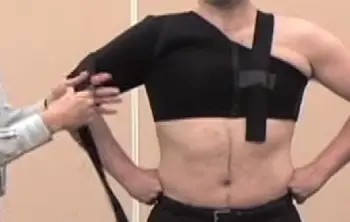
A shoulder stabilizer needs to sit correctly across your body. If it shifts during movement, the support may become less useful.
Poor fit can also create pressure points. Instead of thinking about your activity, you may constantly notice the brace.
That is a deal-breaker for me.
- Comfort Concerns
Comfort is not a luxury with a shoulder brace. It is essential.
If you need to wear support for an extended period, rough edges, excessive pressure, heat retention, or awkward straps can quickly become irritating.
A stabilizer that technically provides support but feels unpleasant may end up sitting unused.
- Potential Restriction
Another concern is excessive restriction.
Some users want substantial support, but too much restriction can make ordinary shoulder movement uncomfortable. The right level of support depends heavily on your individual needs.
- Durability Questions
Customer complaints regarding product longevity also deserve attention.
If straps, fastening components, or structural sections wear prematurely, the brace may gradually lose its usefulness.
For something designed for repeated activity, I expect reasonable durability.
- Not A Treatment For The Underlying Problem
This is not necessarily a flaw unique to the Sully brace, but it is an important limitation.
A stabilizer cannot automatically repair a torn structure, correct a serious instability problem, or replace rehabilitation.
If your shoulder repeatedly slips, gives way, or becomes painful, I would not rely on a brace alone.
Maintenance Tips For Sully Shoulder Stabilizer Reviews
- Follow The Cleaning Instructions
The first thing I would do is check the manufacturer’s care instructions before washing the brace.
Different materials require different cleaning methods. Some can tolerate gentle hand washing, while others may be damaged by heat or aggressive detergents.
I prefer mild cleaning methods for wearable support products because they help preserve elasticity and fastening components.
- Clean It Regularly
A shoulder brace sits against your body and may collect sweat, skin oils, and moisture.
If you use it during workouts or sports, regular cleaning becomes even more important.
I would avoid allowing sweat to accumulate for long periods. A clean brace generally feels more pleasant against the skin and is easier to keep fresh.
- Let It Dry Completely
Never store a damp shoulder stabilizer if you can avoid it.
After cleaning, allow it to dry thoroughly before putting it away. Excess moisture can contribute to unpleasant odors and may affect some materials over time.
I prefer air drying rather than applying direct high heat unless the care instructions specifically allow it.
- Inspect The Straps
Before each important use, I would quickly check the straps.
Look for fraying, stretching, loose stitching, damaged closures, or other signs of wear. If a fastening system starts failing, the brace may not stay where it should.
This is particularly important during sports.
- Check The Fasteners
Any hook-and-loop fastening area should remain secure.
Lint and fabric fibers can accumulate in these areas, reducing how well the fastening system works. Cleaning away debris can help maintain a stronger connection.
- Avoid Overstretching
When putting on the stabilizer, avoid pulling the straps unnecessarily hard.
It may be tempting to tighten everything as much as possible because you want maximum support. However, tighter does not always mean better.
The goal should be secure support without excessive pressure.
- Store It Properly
When you are not wearing the brace, store it somewhere clean and dry.
Do not leave it compressed underneath heavy objects or twisted into an awkward shape. Keeping the brace in its natural shape can help preserve its structure.
Comparing The Sully Shoulder Stabilizer With Other Shoulder Supports
- Sully Shoulder Stabilizer vs. Compression Sleeves
Compression sleeves usually focus on warmth, compression, and general support. They tend to be simpler than dedicated stabilization braces.
If your main goal is mild support during everyday activity, a sleeve may feel more comfortable.
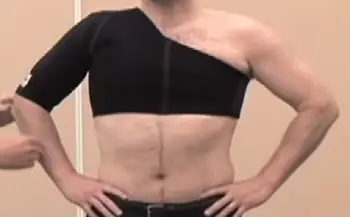
The Sully design is more focused on stabilization, which can make it more suitable in theory for people concerned about unwanted shoulder movement.
However, that extra structure can also mean more straps and more opportunities for fit problems.
Because of the negative feedback surrounding the Sully, I would carefully compare comfort before choosing it over a simpler sleeve.
- Sully Shoulder Stabilizer vs. Neoprene Shoulder Braces
Neoprene shoulder braces are popular because the material is flexible and can provide compression while remaining relatively easy to wear.
I often see neoprene-style designs as a practical middle ground. They can provide warmth and support without always feeling as complex as a multi-strap stabilizer.
The Sully may offer more targeted stabilization, but that only matters if you can achieve a comfortable, secure fit.
- Sully Shoulder Stabilizer vs. Post-Injury Supports
Post-injury shoulder supports are often designed with a different goal in mind. Some prioritize immobilization or limiting specific movements, particularly during early recovery.
I would not automatically substitute an athletic stabilizer for a medical support prescribed after an injury.
If you have recently had surgery, suffered a dislocation, or sustained a significant injury, your clinician’s recommendations should take priority.
- Sully Shoulder Stabilizer vs. Higher-End Athletic Braces
Higher-end athletic braces often focus heavily on secure attachment, adjustability, low-profile construction, and freedom of movement.
That is where I would expect a shoulder stabilizer to prove itself.
If I am paying for an athletic support product, I want it to stay in place while I move. I also want the straps to be intuitive and the material to remain comfortable during extended activity.
Given the mixed customer feedback surrounding the Sully, I would investigate alternatives carefully before choosing it.
Also Read: Is Retexes Shoulder Brace Worth It?
Frequently Asked Questions (FAQ)
A Sully brace may provide external support and help control certain shoulder movements, but effectiveness varies by the individual’s condition, fit, and intended use. It should not be considered a substitute for professional treatment.
There is no single best stabilizer for everyone. The right choice depends on your injury, activity, desired support level, fit, comfort, and professional recommendations.
They can provide external support and help limit or control certain movements. However, their effectiveness depends heavily on proper fitting and the reason you are using one.
Wear time depends on why you are using it and the guidance provided by a healthcare professional. Avoid assuming that longer wear is automatically better.
Wrapping Up
I would not recommend the Sully Shoulder Stabilizer based on the negative customer feedback I found concerning fit, comfort, durability, and overall satisfaction.
While the stabilization concept is useful, I believe you should compare other shoulder braces before buying this one.
If you need reliable support, prioritize proper fit, comfortable materials, secure adjustment, and a strong record of user satisfaction.
For anyone dealing with significant shoulder instability or injury, I would also seek professional guidance rather than relying on a brace alone.
Recent Posts
I tried Meltoway Hair Dissolving Cream because I wanted a quick way to deal with unwanted body hair without reaching for a razor every few days. If you are looking for a convenient at-home...
If you’re considering a saffron-based supplement to support mood, appetite control, and everyday wellness, Happy Saffron Plus is worth considering.I like that it takes a familiar botanical...