
I have spent years switching between Sumatra beans and French roast in my own kitchen. I wanted to learn which one fits my daily rotation.
This article shows how they differ in flavor. It covers body. It covers acidity. It covers roast intensity.
It covers everyday use. You can decide which one matches your taste. You can avoid bags that disappoint.
| Aspect | Sumatra | French Roast |
| Origin / Type | Indonesian single-origin | Roast level (any origin) |
| Typical Roast | Medium to medium-dark | Very dark |
| Body | Full, syrupy, heavy | Heavy, oily, dense |
| Acidity | Very low | Extremely low |
| Flavor Notes | Earthy, herbal, chocolate, spice | Smoky, bitter, charred, bold |
| Mouthfeel | Smooth yet dense | Thick with burnt edge |
| Best Brew Methods | French press, pour-over, drip | Espresso, French press, moka pot |
| Caffeine Perception | Moderate | High intensity from roast |
| Price Range | Mid to premium | Mid, widely available |
| Shelf Life After Roast | Holds flavor longer | Oils degrade faster |
Key Differences Between Sumatra And French Roast
The two options sit in different categories. They still overlap enough for comparison. Here is how they separate in real use:
- Origin versus process: Sumatra links to one specific place and processing style. French roast is only a heat decision applied to any green bean.
The difference shapes every flavor outcome.
- Flavor transparency: Sumatra keeps clear earthy character even at darker levels. French roast erases most origin notes in favor of pure roast taste.
Transparency favors the Indonesian bean.
- Oil presence: French roast beans glisten with visible surface oils.
Sumatra at medium-dark levels stays relatively dry to the touch. Oil amount affects storage needs.
- Acidity level: Both run low compared with lighter coffees. French roast drops even lower from the extended high heat.
The gap becomes clear in side-by-side cups.
- Brewing flexibility: Sumatra works across press drip pour-over cold brew without harsh results.
French roast turns bitter more easily if extraction runs long. Method choice matters more for the dark roast.
- Aging behavior: Sumatra holds core flavor longer once the bag opens. French roast oils go rancid faster under the same conditions. Freshness windows differ noticeably.
- Intensity perception: French roast feels stronger because of smoke and bitterness. Actual caffeine stays similar.
The sensory punch creates the strong reputation.
These differences matter for mood matching. Quiet mornings favor Sumatra. Rushed days favor French roast.
What Sumatra Coffee Actually Brings To The Cup?
Sumatra coffee comes from the Indonesian island. It uses a unique wet-hulling process. Farmers remove the parchment layer early.
This creates an earthy profile. I first tried single-origin bags. Sumatra surprised me with its heavy taste. It felt different from brighter Latin American coffees.
Key Features Of Sumatra Coffee
- Full body that coats the tongue: The mouthfeel stays dense from the first sip. It lingers long after swallowing.
The weight gives the cup a substantial presence that lighter coffees lack.
- Very low acidity: Sensitive stomachs handle multiple cups with little discomfort.
The smooth profile allows longer drinking sessions without sharp edges.
- Earthy herbal notes: The taste recalls damp forest floor mixed with quiet depth. Dark chocolate appears clearly in most medium-dark batches.
These notes remain steady across different brew methods.
- Subtle spice tobacco undertones: These show best in carefully roasted lots.
They add quiet complexity without overpowering the main earthy character. The balance feels grounded rather than flashy.
- Dense mouthfeel: The cup feels substantial even when drunk black. It holds up well in milk drinks. Cold brew versions keep the same heavy texture.
I notice these traits most in a French press. Oils stay in the cup.
The syrupy quality grows stronger. In a pour-over the earthiness softens. Chocolate notes step forward. The coffee always feels solid.
Pros Of Sumatra Coffee
Sumatra rewards attention. I keep returning for these strengths:
- Exceptional body: Every cup feels substantial without any milk. The dense texture gives lasting satisfaction. Lighter coffees never match this weight.
- Low acidity: Multiple cups cause little stomach protest. Sensitive days stay comfortable. Long morning sessions become possible.
- Complex earthy profile: Interest lasts as the bag ages over days. Notes stay clear rather than fading fast. Daily drinking remains engaging.
- Versatility across methods: Press works well. Drip produces solid results. Pour-over keeps clarity. Cold brew holds the same heavy character.
- Good value: Single-origin bags cost fair relative to quality. Better lots deliver consistent results. Waste stays low because enjoyment stays high.
- Food pairing ability: Chocolate spice notes suit breakfast foods. Oatmeal toast eggs all match well. Clash with savory flavors is rare.
The body is the trait I miss most. A good Sumatra feels almost chewy. Lighter coffees never match it.
Cons Of Sumatra Coffee
No coffee is perfect. Sumatra has clear limits:
- Earthiness can taste muddy: Some drinkers prefer clean fruit notes. The dirtier side disappoints them quickly. Preference depends on personal taste history.
- Lower acidity means less brightness: Some call the cup flat after brighter coffees. Sparkle is simply missing. Fans of high-acid profiles look elsewhere.
- Quality varies widely: Poor lots turn fermented or musty. Careful sourcing becomes essential. Random grocery bags often underperform.
- Not ideal for high-acid fans: Floral tea-like profiles stay absent. Seekers of bright cups move to other origins. The style stays grounded by nature.
- Darker versions lose nuance: Herbal notes fade under heavy roast. The special character weakens. Medium-dark levels protect more of the origin.
- Heavy afternoon feel: Two morning cups already fill the system. Later drinking feels dense. Lighter options suit afternoon better.
I learned sourcing matters. Reputable roasters publish process details. Results improve.
What French Roast Really Means In Practice?
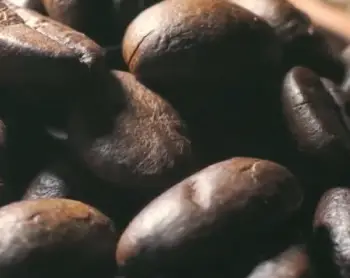
French roast is a roast level. It goes past the second crack. Beans turn nearly black. A shiny oil coat forms.
Any green coffee can become French roast. Many commercial versions use robusta. Intense heat hides origin character.
I open a fresh bag. The smell hits hard. Smoke appears first. Toast follows. A burnt edge remains.
Key Features Of French Roast

- Extremely dark color: Beans look almost black under normal light. Surface oils shine and leave residue on fingers.
The appearance signals the aggressive roast level immediately.
- Bold smoky flavor: Roast notes dominate every sip. Origin taste fades almost completely under the heat.
The smoke creates a strong first impression that lasts through the cup.
- Thick body with bitter finish: Many call this strong coffee because of the weight. The bitterness coats the mouth and stays present after swallowing.
Milk softens it only partially.
- Minimal acidity: High heat breaks down nearly all organic acids. Stomachs handle it with ease even on sensitive days.
The lack of brightness makes the cup feel flat to some drinkers.
- High solubility: Extraction happens fast in any method. Espresso machines pull shots quickly.
Moka pots produce concentrated results without long wait times.
I reach for French roast when cream or sugar is present. Intensity survives milk. Lighter roasts disappear.
That is why dark blends appear in many cafés.
Pros Of French Roast
French roast fits specific needs:
- Intense flavor: Milk sugar syrups cannot hide it. The taste cuts through additions. Black drinking delivers full impact.
- Extremely low acidity: Sensitive stomachs handle it with ease. Comfort stays high across multiple cups. Acid-related issues drop.
- Quick extraction: Espresso machines succeed consistently. Moka pots produce strong results. Time from grind to cup stays short.
- Consistent dark taste: Many people expect this exact profile. Recognition is instant in cafés. Familiarity drives repeat purchases.
- Wide availability: Grocery stores stock it year-round. Big chains keep shelves full. Access requires little effort.
- Ability to mask lower beans: Price stays accessible for daily use. Imperfections stay hidden under roast notes. Budget options remain drinkable.
I want coffee that tastes strong. Fresh French roast delivers. Bitterness acts like seasoning.
Cons Of French Roast
Intensity creates problems:
- Origin character disappears: Roast taste rules the entire cup. Bean flavor fades under heat. Place identity is lost.
- Surface oils go rancid: Opened bags shorten useful life. Storage demands tighter habits. Stale notes appear faster.
- Easy over-extraction: Ashy bitterness appears with long contact. Harsh notes rise quickly. Grind and time need care.
- One-dimensional after days: Exclusive use grows dull. Variety becomes necessary. Other profiles feel needed soon.
- Not for bright coffee fans: Acidic fruity profiles stay absent. Seekers avoid the style. Preference for brightness excludes it.
- Oily residue builds: Grinders need more frequent cleaning. Machines collect residue faster. Maintenance rises.
I ruined bags by leaving them open. Oils oxidized. Flavor turned flat.
Taste Profile Side By Side
I brew both the same way. The contrast is clear. Sumatra opens with earth. Dark chocolate follows. Mild spice appears.
The finish stays clean. French roast hits with smoke. Toast follows. Lingering bitterness coats the mouth. Sumatra feels denser. French roast feels sharper.
In milk the gap narrows. Both hold up. French roast smoke still cuts. Sumatra chocolate softens. It turns dessert-like. Black the gap widens. I sip Sumatra slowly. I drink French roast faster. Intensity demands it.
How Roast Level Affects The Experience?
Most Sumatras arrive medium to medium-dark. Origin character stays. Heavy body remains.
Pushing Sumatra to French roast level is possible. Earthiness competes with smoke. The result feels confused.
Straight French roast showcases heat. Beans spend more time in the drum. Sugars caramelize further. Acids break down almost fully.
This distinction explains the difference. One carries place. The other carries fire.
Brewing Recommendations Based On Real Use
For Sumatra I prefer French press. Medium-coarse pour-over also works. Body needs longer contact. Sediment helps.
Water near 200°F balances well. Hotter water pulls bitterness. A 1:15 ratio keeps balance.
French roast prefers cooler water near 195°F. Coarser grind suits immersion. In espresso extraction is fast.
Shorter shots avoid bitterness. Moka pot performance is strong. High pressure matches intensity.
Cold brew changes results. Both turn smooth. Sumatra chocolate shines brighter. French roast smoke softens to dark toast.
Who Should Choose Sumatra?
Choose Sumatra for substantial grounded coffee. Chocolate spice earthy flavors fit best. Acid sensitivity is helped. Multiple morning cups work. Origin character is valued. Better-sourced bags reward effort.
Who Should Choose French Roast?
Choose French roast for immediate intensity. Milk sugar users fit well. Espresso-style drinks succeed. Classic dark taste is expected. Convenience matters more than nuance. Grocery availability is high. Accept roast taste over bean taste.
My Personal Rotation And Decision Process
I stopped seeking one winner. Weekdays need reliability. French roast opens often. Weekends allow flavor notice. Sumatra opens then. The two rarely share a week. Personalities differ too much. Both on hand match the day. Forced use of one profile ends.
Freshness needs more care with French roast. Oils demand faster use. Sumatra forgives longer. A bag lasts an extra week.
Storage And Freshness Realities
Both need airtight containers. Light heat must stay away. French roast needs stricter habits. Finish within ten days. Sumatra stretches to two weeks. Freezing works if portioned. Smaller bags move faster. I prefer that approach.
Price And Value Considerations
Sumatra single-origin costs more. Origin processing quality raise the price. Commercial French roast stays cheap. Dark roast hides flaws. Cost per satisfying cup narrows the gap. Good Sumatra lasts longer. Enjoyment rises. Waste falls.
Pairing With Food And Daily Habits
Sumatra pairs with rich breakfast. Oatmeal works. Buttered toast works. Eggs work. Chocolate spice notes suit savory. Clash with savory flavors is rare. French roast stands with sweet items. Flavored pastries succeed. Bitterness cuts sugar. Afternoon leans to Sumatra. Completeness comes without jitters. French roast feels like a jolt.
Common Mistakes I Made And How To Avoid Them
I treated every dark coffee the same. Identical grind temperature failed. Under-extracted Sumatra tasted thin. Over-extracted French roast tasted like ash. Profile adjustment fixed most issues. Large French roast bags went stale. Smaller purchases solved that fast.
Also Read: Comparison Of Bunkell Mushroom Coffee And Ryze
Frequently Asked Questions (FAQ)
Its wet-hulling process creates full body. Earthy low-acid profile stands apart.
It tastes strongest from smoke bitterness. Actual caffeine stays similar to other dark roasts.
Other Indonesian wet-hulled arabicas work. Specialty medium-dark Sumatras offer similar earthiness. Clarity is often better.
Earthy herbal dark chocolate notes appear. Low acidity remains. Heavy body is typical.
Final Thoughts
I no longer search for one winner. Sumatra gives origin character. Dense body arrives. Grounded complexity rewards attention.
French roast gives immediate intensity. Smoke arrives. Classic dark experience matches many expectations.
Preference depends on desire. Place taste or fire taste. Try both side by side. Use same method same ratio. Notice which cup finishes first.
Notice which one stays in memory next day. That test reveals preference. Right bags become easy. Every morning cup improves.
Recent Posts
I tried Meltoway Hair Dissolving Cream because I wanted a quick way to deal with unwanted body hair without reaching for a razor every few days. If you are looking for a convenient at-home...
If you’re considering a saffron-based supplement to support mood, appetite control, and everyday wellness, Happy Saffron Plus is worth considering.I like that it takes a familiar botanical...