
I’ve spent the last few years trying to find the best food for my energetic Labrador mix, and like many of you, I got tired of guessing what actually keeps our dogs thriving.
After switching between different options and noticing changes in energy, coat shine, and digestion, I decided to compare two popular fresh dog food services head-to-head: Sundays and Farmer’s Dog.
My main goal here is to share a straightforward, experience-based breakdown so you can decide which one fits your pup’s needs and your daily routine better.
Whether you’re dealing with a picky eater, budget concerns, or health goals, this comparison comes from real feeding trials and careful analysis.
| Aspect | Sundays | Farmer’s Dog |
| Food Type | Air-dried, shelf-stable | Fresh cooked, frozen |
| Preparation | Scoop and serve, no fridge | Thaw and serve |
| Meat Content | 80%+ human-grade | High human-grade meat/veggies |
| Storage | Pantry-friendly | Requires freezer space |
| Price (approx/month for medium dog) | More affordable (~$180-200) | Higher (~$190-250+) |
| Customization | Recipe selection | Highly personalized plans |
| Taste Appeal | Often wins in picky eater tests | Strong, meal-like appeal |
This table gives you the snapshot, but let’s get into the details that matter most when you’re standing in your kitchen wondering what to feed your best friend.
Understanding The Brands From A Dog Owner’s View
When I first started this journey, I wanted food that felt closer to real meals than processed kibble.
Both Sundays and Farmer’s Dog deliver human-grade ingredients straight to your door, but they approach it differently.
Sundays uses an air-drying process that keeps things convenient without sacrificing quality. Farmer’s Dog focuses on gently cooked fresh meals that arrive frozen, personalized to your dog’s profile.
I remember the first time I opened a box from each. Sundays felt like opening a bag of premium treats—light, no mess, and my dog went crazy for the smell.
Farmer’s Dog portions came in neat frozen packs that looked like homemade stew once thawed. Both beat standard kibble in my household, but the differences showed up over weeks of feeding.
Key Differences Between Sundays And Farmer’s Dog

Here are the main ways they stand out, based on my side-by-side experience:
- Convenience and Storage: Sundays wins hands-down for no-fuss storage and serving. You can keep it in the pantry, grab it for road trips, or portion it easily without planning ahead.
Farmer’s Dog requires freezer space and thawing time, which can feel like extra steps on hectic days.
- Texture and Appeal: Sundays has a jerky-like, treat texture that many dogs devour. Farmer’s Dog offers a softer, stew-like consistency that mimics fresh cooking.
- Cost Efficiency: Sundays generally runs cheaper per month because it’s not frozen and doesn’t need cold shipping. Over time, that adds up, especially for larger breeds.
- Customization Level: Farmer’s Dog edges out with detailed profiles and adjustments. Sundays offers solid recipe choices but less granular personalization.
- Nutrient Preservation: Both prioritize quality, but air-drying in Sundays avoids high heat while the gentle cooking in Farmer’s Dog keeps ingredients intact in a different way.
These differences aren’t just specs—they affected how my dog ate and how much time I spent prepping meals.
Key Features Of Sundays Dog Food
- High Meat Content with Whole Foods: Their recipes start with 80%+ premium proteins like beef, chicken, turkey, or fish, plus organs and bones. No meat meals or byproducts. They add superfoods such as pumpkin, kale, blueberries, and turmeric for natural nutrients.
- Air-Drying Process: Gently dried at low temperatures to preserve flavor and nutrients while creating a safe, shelf-stable product. No high-heat extrusion like traditional kibble.
- No Synthetics or Fillers: Everything comes from natural sources. No artificial additives, and they avoid common allergens and anti-nutrients where possible.
- Easy Serving: Just measure and pour into the bowl. No thawing, no refrigeration after opening, and it lasts weeks once opened.
- Vet-Formulated and Tested: Developed with veterinary input, and they highlight taste test wins where dogs preferred it over premium kibble.
These features made Sundays a game-changer for travel days or busy mornings in my home. My dog maintains steady energy without the “hangry” moments I saw on lower-quality foods.
Pros Of Sundays Dog Food

- Ultimate Convenience: No fridge or freezer needed after delivery. This was huge for me because I live in a small apartment with limited freezer space.
I could store bags right in the pantry, scoop the exact amount my dog needed in under 30 seconds, and head out the door.
No more forgetting to thaw anything or dealing with messy containers. For busy professionals or families with unpredictable schedules, this eliminates one more daily chore and reduces food waste since the food stays fresh for weeks after opening.
- Picky Eater Magnet: The aroma and chewy, treat-like texture won over my dog immediately. In blind taste tests, dogs reportedly chose Sundays over premium kibble by wide margins.
My Labrador, who used to leave half his bowl untouched on some days, now finishes every meal enthusiastically.
This enthusiasm led to better overall intake and fewer mealtime battles at home.
- Affordable Fresh Option: Compared to many frozen competitors, Sundays offers high-quality human-grade food at a noticeably lower monthly cost.
For a medium-sized dog, it saved me around 20-30% per month in my trials.
That extra budget went toward vet visits or toys, making premium nutrition feel accessible rather than a luxury splurge.
- Long Shelf Life: Unopened bags last many months, and opened ones stay good for 6-8 weeks.
This flexibility meant I could stock up during sales or take portions on weekend getaways without worrying about spoilage or special coolers.
- Clean Ingredient List: The labels feature recognizable, whole-food items with no hidden synthetics.
I felt confident knowing exactly what my dog was eating, which reduced my anxiety about potential allergens or low-quality fillers common in some other brands.
Cons Of Sundays Dog Food
- Limited Recipes: With core options like beef, chicken, turkey, and fish, there’s less variety if your dog develops sensitivities or you want to rotate proteins frequently.
I occasionally wished for more seasonal or specialized formulas to keep things interesting over long-term use.
- Piece Size: Some of the air-dried pieces can be on the larger side, requiring a quick break-up for smaller breeds or senior dogs with dental issues.
My large dog handled them fine, but it was something I noted for friends with tiny pups.
- Less “Fresh-Cooked” Feel: While nutritionally strong, the dry texture doesn’t replicate the warm, moist appearance of home-cooked meals that some owners and dogs prefer visually and sensorially.
- Adjustment Period: Like any significant diet change, introducing Sundays slowly over 7-10 days helped avoid loose stools.
A few dogs might need extra time transitioning from wet or kibble formats.
Overall, the pros made Sundays my go-to for consistent, hassle-free feeding that fit seamlessly into real life.
Key Features Of Farmer’s Dog Food
- Personalized Fresh Recipes: You build a plan based on your dog’s age, weight, activity level, and needs. Recipes feature real meats like beef, turkey, chicken, or pork with veggies.
- Gently Cooked and Frozen: Prepared to human-grade safety standards, then frozen to lock in freshness. It feels like serving a home-cooked meal.
- Vet-Developed Nutrition: Formulated by board-certified nutritionists and vets, meeting or exceeding AAFCO standards. They emphasize science-backed benefits for healthy aging.
- Pre-Portioned Convenience: Meals arrive ready to thaw and serve, tailored to exact calorie needs.
- Focus on Whole Ingredients: Human-grade meats and produce, with options for full meals, toppers, or half portions.
Farmer’s Dog shines when you want that tailored touch. I appreciated how the portions matched my dog’s needs precisely during different life stages.
Pros Of Farmer’s Dog
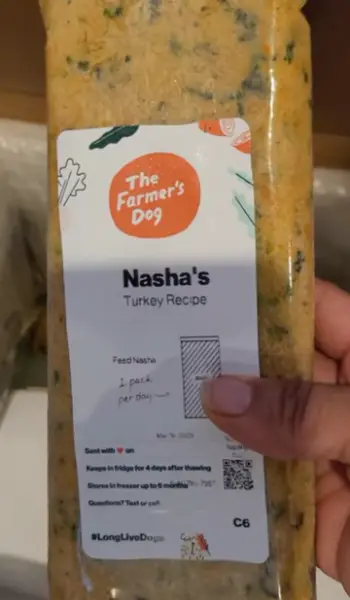
- Highly Personalized: The detailed online profile creates portions and recipes tuned to your dog’s exact age, weight, activity, and any special needs.
During my trials, this precision helped maintain ideal weight and supported better digestion compared to one-size-fits-most foods.
It felt like having a nutritionist on call, adjusting as my dog grew more active in summer months.
- Fresh Meal Experience: The gently cooked, moist texture with visible chunks of meat and vegetables gives meals a homemade quality.
Many users, including me, reported shinier coats, increased energy, and reduced “doggy odor” after consistent use.
It genuinely looked and smelled like something I’d prepare myself if I had the time.
- Strong Vet Backing: Backed by board-certified nutritionists and studies on long-term health benefits like reduced inflammation.
Vets often recommend it, and the formulations exceed standard requirements, providing peace of mind for owners focused on preventive care.
- Complete and Balanced Options: Flexible plans including full meals, toppers, or halves let you integrate it gradually or use it as a complete diet.
This adaptability was useful when mixing with other foods during budget months.
- Customer Support: Responsive service, easy plan modifications, and educational resources helped me troubleshoot any initial issues quickly.
Nationwide shipping with flexible scheduling added reliability.
Cons Of Farmer’s Dog
- Higher Cost: The premium fresh delivery and freezing process make it more expensive monthly, sometimes 20-40% higher than air-dried alternatives for similar quality.
For households with multiple dogs or tight budgets, this can become a significant ongoing commitment that requires planning.
- Storage Demands: You need dedicated freezer space for the boxes, and forgetting to thaw packs can disrupt feeding schedules.
In warmer months or during power outages, this added a layer of worry I didn’t have with shelf-stable options.
- Recent Lawsuit Concerns: A 2026 class action raises questions about fat levels in some recipes and potential pancreatitis risks.
While the company stands by its formulations, it prompted me to monitor my dog’s health more closely and discuss with my vet before long-term commitment.
- Prep Time: Thawing under cool water or in the fridge takes advance planning—usually several hours.
On rushed mornings, this felt less seamless than simply scooping from a bag.
- Availability of Variety: Core recipes are solid but limited, and heavy reliance on the subscription model means less spontaneity if you want to try something new quickly.
These cons didn’t ruin the experience for me entirely, but they mattered during busy periods or when evaluating long-term sustainability.
My Real-User Experience Feeding Both

Switching to Sundays felt liberating.
Mornings became faster, and my dog begged for meals with more enthusiasm.
I noticed softer stools and consistent energy without the bloating I sometimes saw before.
On longer hikes, the lightweight bags were easy to pack.
Farmer’s Dog brought noticeable coat improvements and playfulness in the first month.
The personalization helped during weight management phases.
However, managing freezer space and remembering to thaw packs added minor friction.
Both improved my dog’s health markers compared to kibble, but Sundays edged out for our lifestyle.
From an analytical angle, Sundays prioritizes accessibility and value while delivering strong nutrition.
Farmer’s Dog leans into premium customization and fresh appeal.
Your choice depends on priorities—convenience versus tailored freshness.
Health Benefits I Observed
Both brands use quality proteins that support muscle maintenance, joint health, and immunity. Sundays’ natural superfoods like turmeric and berries provide antioxidants without synthetics. Farmer’s Dog’s approach shows potential in reducing age-related decline based on their research.
In my case, digestion stabilized, allergies seemed calmer, and vet check-ups reflected better overall condition. Neither is a miracle cure, but consistent use beats highly processed alternatives.
Which One Should You Choose?
If you value simplicity, lower costs, and no-mess feeding, go with Sundays. It’s ideal for busy families, travelers, or first-time fresh food users. For those who want deeply customized plans and don’t mind the frozen aspect, Farmer’s Dog delivers an excellent experience.
I recommend starting with a trial box for either and monitoring your dog’s response over a few weeks. Talk to your vet about any specific health needs.
Also Read: Comparison Of Badlands Ranch And Sundays
Frequently Asked Questions (FAQ)
It depends on your needs. Sundays often wins for convenience and value, while Farmer’s Dog excels in personalization and fresh texture. Both are strong upgrades from kibble.
Popular vet-recommended options include Hill’s Science Diet, Purina Pro Plan, Open Farm, Orijen, and fresh brands like Sundays or Farmer’s Dog. Always match to your dog’s individual requirements.
A 2026 class action alleges higher-than-expected fat levels in some recipes that may increase pancreatitis risk and questions certain marketing claims. The company disputes it; no final ruling yet. Review details and consult your vet.
Many vets appreciate the human-grade ingredients and science focus, with some recommending it or feeding it to their own dogs. Opinions vary, especially around the recent lawsuit—professional advice tailored to your pet is best.
In Wrapping This Up
Choosing between Sundays and Farmer’s Dog comes down to what fits your life and your dog’s preferences best.
I’ve seen real improvements with both, and I encourage you to try what resonates. Your pup deserves food that supports a happy, healthy life, and taking the time to compare thoughtfully makes all the difference.
As fellow dog parents, we owe it to them to make informed choices that work day in and day out.
Recent Posts
I tried Meltoway Hair Dissolving Cream because I wanted a quick way to deal with unwanted body hair without reaching for a razor every few days. If you are looking for a convenient at-home...
If you’re considering a saffron-based supplement to support mood, appetite control, and everyday wellness, Happy Saffron Plus is worth considering.I like that it takes a familiar botanical...