
If you’re tired of sweating over your lawn every weekend, let me tell you why you need to grab a Sunseeker robotic mower right now.
I’ve been using mine for months, and it’s transformed my yard into a perfectly manicured oasis without me lifting a finger.
These machines are smart, efficient, and built to last, saving you time and hassle.
Trust me, once you see how effortlessly it handles the mowing, you’ll wonder why you waited so long.
Go ahead and make the switch—you won’t regret it.
My First Journey With Sunseeker Robotic Mower
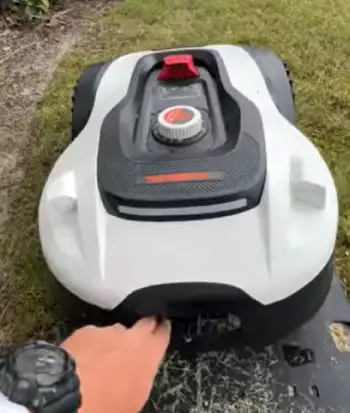
My journey with the Sunseeker Orion X7 started last spring when I finally got fed up with my old push mower.
I live in a suburban neighborhood with a half-acre yard that’s got a mix of flat areas, some gentle slopes, and a few trees that always seemed to trip up my manual efforts.
I researched for weeks, reading user stories and watching demos, and the Sunseeker stood out because of its wireless setup—no burying wires or dealing with complicated boundaries.
When the box arrived, I was excited but a bit skeptical. Could this thing really replace my weekend chore?
Setting it up was simpler than I expected. I charged the battery, placed the RTK base station on my garage roof for good signal, and used the app to map my yard.
I walked the mower around the perimeter using the remote control feature, and it learned the layout in about 20 minutes. No digging, no fuss.
The AI vision system impressed me right away—it spotted my garden beds and avoided them like a pro. I set a schedule for it to mow every other day in the evenings, and off it went.
The first few mows were eye-opening. It quietly zipped around, cutting in neat patterns, and handled the uneven spots where my old mower would bog down.
I remember sitting on my porch with a coffee, watching it navigate around my kids’ toys without a hitch.
One time, it rained mid-mow, and it automatically returned to the charging dock—smart move that saved me from a muddy mess.
Over the summer, my lawn looked better than ever, with that fresh-cut look daily instead of just once a week. The mulch from the clippings fertilized the grass naturally, making it thicker and greener.
Sure, there were minor tweaks. I had to adjust the zones once because it missed a small patch near the fence, but the app made it easy.
Battery life held up well, lasting through full sessions without issues. By fall, I realized I’d reclaimed hours each week—time for family barbecues or just relaxing. If you’re like me and value your free time, this mower feels like a personal assistant. It’s not perfect for every yard, but for mine, it’s been a game-changer.
Pros Of Sunseeker Robotic Mower
The Sunseeker robotic mower has so many upsides that I find myself recommending it to friends constantly. Let me break it down for you.
- Effortless Wireless Setup
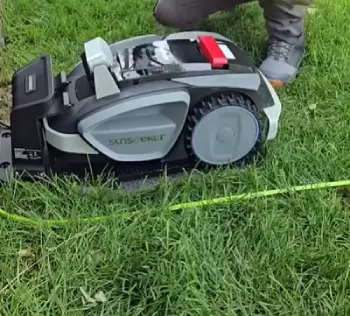
One of the biggest wins for me was how quick and painless the installation felt.
Unlike older models that require you to bury perimeter wires, the Sunseeker uses RTK GPS and AI vision to map your yard.
I just placed the base station, walked the mower around once, and it was ready.
You save hours of labor right from the start, and if your yard changes—like adding a new flower bed—you can remap in minutes via the app.
This makes it ideal for anyone who isn’t into heavy DIY work.
- Superior Obstacle Avoidance
I can’t stress enough how smart this thing is when it comes to dodging stuff.
The 3D vision AI detects over 200 types of obstacles, from toys to tree roots.
In my yard, it gracefully avoids my dog’s chew toys and even pauses for squirrels.
You don’t have to worry about it getting stuck or damaging your plants.
Compared to basic bump-sensor mowers, this feels next-level, giving you peace of mind while it works.
- Impressive Slope Handling
My yard has a few inclines up to about 40%, and the all-wheel-drive system powers through them without slipping.
I watched it climb a hill that used to make my push mower struggle, and it kept a consistent cut. If your property isn’t perfectly flat, this feature alone makes the Sunseeker a standout.
It adapts to terrain changes, so you get even coverage everywhere.
- Quiet and Eco-Friendly Operation
You know that roar from gas mowers? Forget it. The Sunseeker runs at under 60 decibels—quieter than a conversation. I mow during evenings without bothering neighbors.
Plus, it’s battery-powered, so no emissions or fuel costs. The mulching blades return nutrients to the soil, helping your grass stay healthy.
I’ve noticed my lawn looking lusher, and you’re doing the environment a favor too.
- Customizable App Control
The app is your command center. I set schedules, adjust cutting heights from 1.5 to 4 inches, and create no-go zones for sensitive areas.
It sends notifications if something’s off, like low battery or rain detection. You can even track its path in real-time.
While it’s not the fanciest interface, it gets the job done reliably, letting you tweak things from your phone without stepping outside.
- Durable Build Quality
Built with tough materials, this mower holds up against weather and wear. Mine’s been out in sun, rain, and even light frost, and it still looks new.
The blades are sharp and easy to replace, lasting weeks before needing a swap. You feel like you’re investing in something that will stick around for years.
Overall, these pros add up to a mower that frees you up while delivering pro-level results. I’ve saved countless hours, and my yard has never been this consistent.
Cons Of Sunseeker Robotic Mower
No product is flawless, and the Sunseeker has a few drawbacks I’ve encountered. Here’s what you should know.
- Higher Initial Price Tag
Let’s be real—dropping $2,000 to $3,000 isn’t cheap.
I hesitated at first, thinking about cheaper manual options.
While it pays off over time in saved labor and fuel, the upfront cost might turn you off if your budget is tight or your yard is tiny.
- App Interface Could Be Smoother
The app works, but it’s not as intuitive as some competitors.
I fumbled with zone settings initially, and updates sometimes lag.
You might need a bit of patience to get everything dialed in, especially if you’re not tech-savvy.
- Limited Performance in Very Wet Conditions
It handles light rain fine, but heavy downpours or soggy grass can cause slipping or uneven cuts.
I learned to pause schedules during storms.
If your area gets a lot of rain, you may need to monitor it more.
- Battery Replacement Needs
The battery lasts 3-5 years, but eventually, you’ll replace it for $200-300.
Mine’s still strong, but it’s something to factor in for long-term ownership.
- Not Ideal for Extremely Complex Yards
If your lawn has steep drops, narrow passages under 2 feet, or dense obstacles, it might struggle.
My yard is moderate, but I’ve heard from others with trickier setups that adjustments are needed frequently.
These cons are manageable for most users, but they’re worth considering based on your specific situation.
Tips For Sunseeker Robotic Mower
Keeping your Sunseeker in top shape isn’t rocket science, but regular care extends its life. I’ll share what works for me.
- Regular Blade Cleaning and Replacement
Those blades do the heavy lifting, so check them weekly.
I wipe off grass buildup with a soft brush after each use to prevent clogs.
Replace them every 4-6 weeks or when they dull—it’s a quick screw-out job. Sharp blades mean cleaner cuts and less strain on the motor, helping your mower last longer.
- Battery Care Routine
To maximize battery life, avoid full discharges.
I charge mine after every session, even if it’s not empty. Store it indoors during winter to prevent cold damage.
Every few months, run a full cycle to calibrate it. This keeps runtime consistent and delays replacements.
- Wheel and Undercarriage Inspection
Mud and debris love to hide underneath.
I flip the mower over monthly (safely, of course) and hose it down gently—no high pressure.
Check wheels for wear and lubricate axles if they squeak. This prevents traction issues, especially on slopes.
- Software Updates and App Maintenance
Always install app updates—they fix bugs and improve navigation.
I check monthly. Reset the mower occasionally if it acts up, like forgetting zones. Back up your maps too, so you don’t lose custom settings.
- Winter Storage Preparation
Before cold weather hits, clean everything thoroughly. Remove the battery and store it charged at room temperature. Cover the mower in a dry spot. I do this, and it starts up flawlessly in spring.
- Dealing with Common Issues
If it gets stuck, clear the path and remap. For error codes, the app guides you. I once had a sensor glitch from dirt— a quick wipe fixed it. Annual professional servicing catches bigger problems early.
Follow these, and your Sunseeker will run smoothly for years. It’s low-effort compared to gas mowers, but consistency pays off.
Comparison Sunseeker Robotic Mower With Other Brands
When I was shopping, I looked at several brands. Here’s how the Sunseeker stacks up, based on my research and chats with other users.
- sunseeker robotic mower Versus Husqvarna Automower
Husqvarna is a veteran in this space, with models like the 450XH known for reliability and long life.
Their EPOS system is similar to Sunseeker’s RTK, but often requires professional installation, which adds cost. I found Sunseeker’s setup quicker and more DIY-friendly.
Husqvarna handles larger yards better, up to 1.25 acres, and their app feels more refined. However, Sunseeker is quieter and cheaper—about $500 less for comparable coverage.
If you want proven durability, Husqvarna edges out, but for value and ease, Sunseeker wins for me.
- sunseeker robotic mower Versus Worx Landroid
Worx’s Landroid uses vision tech like Sunseeker, but adds cloud integration for smarter scheduling.
Their models are budget-friendly, starting under $1,000, and great for small yards with the magnetic strip option for boundaries.
I noticed Worx struggles more on slopes over 30%, while Sunseeker’s AWD shines there. Sunseeker’s blades cut closer to edges, giving a neater finish.
Worx has better theft protection with GPS tracking standard, which Sunseeker lacks in base models.
If your yard is flat and simple, Worx saves money, but Sunseeker feels more robust overall.
- sunseeker robotic mower Versus Mammotion Luba
Mammotion’s Luba 2 AWD is a beast on hills, tackling up to 45% slopes with ease—slightly better than Sunseeker’s 42%.
Their tri-fusion navigation combines RTK, vision, and IMU for precision in tricky spots.
I admire how Luba creates mowing patterns like stripes, which Sunseeker doesn’t emphasize. However, Luba’s app is more feature-packed but can overwhelm beginners, and it’s pricier by $300-500.
Sunseeker is quieter and has a simpler interface. For steep, complex terrains, Luba might suit you better, but Sunseeker offers similar performance at a lower entry point.
- sunseeker robotic mower Versus Segway Navimow
Segway’s Navimow X390 covers massive areas up to 2.5 acres and uses 4G for reliable connectivity, even in weak signal spots.
Their anti-theft features are top-notch, with alarms and tracking. Compared to Sunseeker, Navimow sets up faster with auto-mapping, but it’s bulkier and louder.
Price-wise, they’re close, but if connectivity is key, Segway pulls ahead.
- sunseeker robotic mower Versus Ecovacs Goat
Ecovacs Goat A3000 uses LiDAR for mapping, making it great in shaded areas where GPS falters.
It trims edges with a built-in string trimmer, a feature Sunseeker lacks. However, Goat’s battery drains faster on big jobs, and it’s less slope-capable at 35%.
Sunseeker’s vision AI avoids obstacles better in my experience. Ecovacs is innovative for tech lovers, but Sunseeker feels more all-around practical and durable.
In the end, Sunseeker balances features, price, and usability well against these rivals.
Frequently Asked Question (FAQ)
Husqvarna Automower series often tops lists for reliability and large-yard performance.
Zhejiang Sunseeker Industrial Co., Ltd., a Chinese garden equipment manufacturer.
High cost, struggles with steep slopes or wet grass, and occasional maintenance needs.
Typically 5-10 years with proper care.
Wrapping Up
If reclaiming your weekends sounds appealing, the Sunseeker robotic mower is your answer.
It’s reliable, smart, and delivers results that make your yard the envy of the block. Don’t miss out—pick one up and enjoy the freedom.
Recent Posts
● Interactive 5-Zone Interior & Exterior Paint Blueprint Paint Coverage Calculator: Gallons, Primer, Square Footage & Cost Tap any architectural surface zone on the blueprint...
If you want smooth, shiny hair without spending a fortune on a premium styling tool, the Ella Bella hair dryer may be worth considering.In these Ella Bella hair dryer reviews, I’ll look...