
I spent months testing and comparing SwissGear and Samsonite luggage across real trips, from short weekend flights to longer international hauls, to figure out which brand actually delivers for different travelers.
My main intent here is to break down their strengths, weaknesses, materials, organization, durability, and real-world value so you can pick the right one without wasting money on something that fails after a few uses.
| Feature | SwissGear | Samsonite |
| Typical Price Range | $80–$200 for most pieces | $120–$400+ depending on line |
| Common Materials | Polyester or nylon softside; some ABS hardside | Polycarbonate, polypropylene, or ballistic nylon |
| Weight (carry-on avg) | 7–8.5 lbs | 6–8 lbs |
| Expandability | Common on softside models | Available on many hardside and softside |
| Wheels | 4 spinner wheels | Dual or multi spinner, often smoother |
| Organization | Multiple exterior pockets, removable toiletry | Clean interiors, some dividers and wet pockets |
| TSA Lock | Often included | Integrated on most models |
| Warranty | 10-year limited on luggage | Limited 10-year or lifetime on select lines |
| Best For | Occasional travelers seeking value and pockets | Frequent flyers wanting shell protection |
My Experience With Both Brands On Actual Trips
I started with SwissGear because the price felt right for someone who flies a handful of times a year.
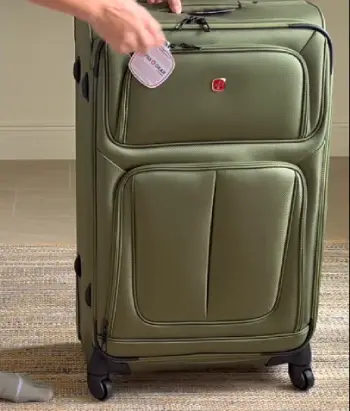
The softside models I used had that familiar red cross logo and a practical layout that made packing less of a chore.
Later I switched to a couple of Samsonite pieces for a stretch of heavier travel and noticed the difference in how the shells took airline abuse.
Neither brand is perfect, and the right choice depends on how often you travel and what you value most when you roll through an airport.
Key Differences Between SwissGear And Samsonite
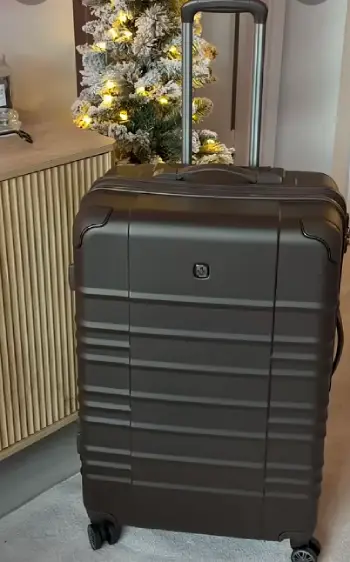
- Material and shell type: SwissGear leans heavily into softside polyester or nylon that flexes and often includes exterior pockets.
Samsonite offers more hardside polycarbonate or polypropylene options that resist crushing and scratches better under rough handling.
- Price positioning: SwissGear sits firmly in the budget-to-mid range and frequently appears at warehouse clubs or on sale.
Samsonite commands higher average prices that reflect brand history and material upgrades on many lines.
- Focus of design: SwissGear prioritizes pockets, removable organizers, and easy access for everyday packing.
Samsonite emphasizes sleek profiles, precise sizing for airline sizers, and smoother long-term rolling performance.
- Expected lifespan under regular use: From what I saw and from owner feedback, SwissGear holds up well for light-to-moderate travel over several years.
Samsonite generally shows better resistance to repeated checked-bag treatment and wheel wear for people who fly more often.
- Warranty reality: Both advertise multi-year limited coverage, yet SwissGear owners more frequently report slower claim processes or limited remedies such as store credit.
Samsonite’s support feels more established though it still excludes airline-caused damage on most policies.
Also Read: Is Samantha Brown Luggage Worth It?
Key Features Of SwissGear Luggage
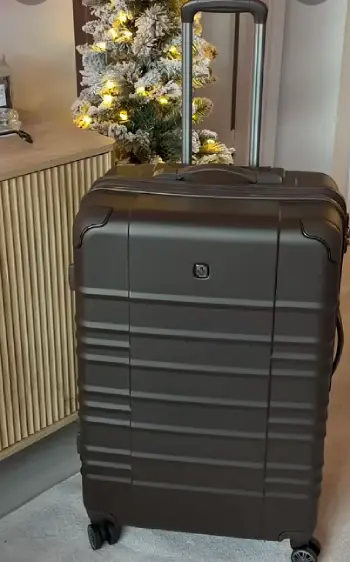
- Softside construction with exterior pockets: Most popular models use durable polyester that accepts expansion zippers and front pockets for documents or a quick-grab toiletry kit.
This layout lets you reach essentials without opening the main compartment.
- Spinner wheels and telescoping handles: Four multi-directional wheels appear on the majority of pieces and roll adequately on terminal floors.
Handles lock at a couple of heights though some users notice slight wobble when fully extended.
Interior organization details: Compression straps, mesh dividers, and a removable wet bag or toiletry pouch show up often.
These small touches keep clothes from shifting and make it easier to separate clean and dirty items.
- Expandable capacity: Many softside carry-ons and checked bags add an extra inch or two via a zipper gusset, which proves useful when you pick up souvenirs or pack for variable weather.
- TSA-approved locks on select models: Integrated or added locks meet security standards so agents can inspect without destroying the zipper.
Pros Of SwissGear Luggage
- Strong value for the money: You get useful pockets and expansion at prices that undercut many comparable Samsonite options, making it attractive if you travel a few times a year and want features without overspending.
- Practical packing layout: The exterior pockets and removable organizers reduce the need for extra packing cubes and speed up security lines or hotel check-ins.
- Decent durability for casual use: The fabric resists everyday scuffs and the base stays stable enough for occasional checked bags when you treat the suitcase reasonably.
- Wide availability of sets: Three-piece sets often appear at competitive prices and cover carry-on through large checked sizes for families or multi-stop trips.
- Lightweight enough for overhead lifting: Most carry-ons stay under nine pounds empty so you can still hoist them into bins without straining.
Cons Of SwissGear Luggage
- Longevity under heavy use: Frequent flyers report earlier wear on wheels, rubber components, and zippers compared with higher-end hardsides. Some pieces show material degradation even after limited storage.
- Warranty claim experiences: Multiple owners describe long response times and outcomes limited to credit rather than full replacement, which reduces confidence if something fails mid-travel season.
- Size compliance on certain models: A few popular softside carry-ons measure slightly over the strictest airline sizer limits once wheels and handles are included, risking gate-check fees.
- Less protection against crushing: Softside shells compress more easily under heavy bags stacked on top, so fragile items need extra padding.
- Handle and wheel consistency: Telescoping handles can develop play over time and wheels may rattle on uneven surfaces after repeated use.
Also Read: Is Swiss Mobility Luggage Worth It?
Key Features Of Samsonite Luggage
- Hardside polycarbonate or polypropylene shells: Many lines use textured hard shells that hide scratches and rebound from impacts better than basic ABS.
Softside options also exist in ballistic nylon for travelers who prefer fabric.
Dual or multi-spinner wheel systems: Larger or dual wheels often feel smoother and quieter across carpet and tile, especially when the bag is fully loaded.
- Integrated TSA locks and clean interiors: Most current models lock with a built-in mechanism and include dividers, elastic straps, or wet pockets that keep contents organized without excessive bulk.
- Precise sizing for airline compliance: Carry-ons frequently match exact 22 by 14 by 9 inch guidelines, reducing the chance of forced gate checks on strict carriers.
- Expandable options and USB ports on select lines: Expansion gussets add volume when needed, and some models include USB hubs for device charging during layovers.
Pros Of Samsonite Luggage
- Superior resistance to airline handling: Hard shells take drops, conveyor belts, and stacking pressure more reliably, which matters if you check bags regularly.
- Smoother long-term mobility: Wheel systems and handles tend to maintain performance longer under frequent use, making airport navigation less tiring.
- Broader style and color selection: From professional neutrals to brighter options, Samsonite covers more aesthetic preferences while still looking polished.
- Established brand support network: Replacement parts and service options feel more accessible in many markets, and higher-end lines carry longer coverage periods.
- Better weight-to-durability balance on premium models: Advanced materials keep some pieces lighter while still offering strong protection.
Cons Of Samsonite Luggage
- Higher average price: Entry models start reasonably but quality jumps often require spending more than a comparable SwissGear piece.
- Entry-level models can still crack: Some polycarbonate or ABS shells in the lower price bands show stress cracks after repeated rough treatment.
- Warranty exclusions: Coverage typically skips damage caused by airlines or transport companies, the most common real-world failure point.
- Fewer exterior pockets on hardsides: The clean exterior look means less quick-access storage compared with SwissGear softsides.
- Occasional handle or wheel noise: Certain mid-range pieces develop squeaks or tracking issues after heavy loads and long distances.
How The Two Brands Perform In Everyday Scenarios?
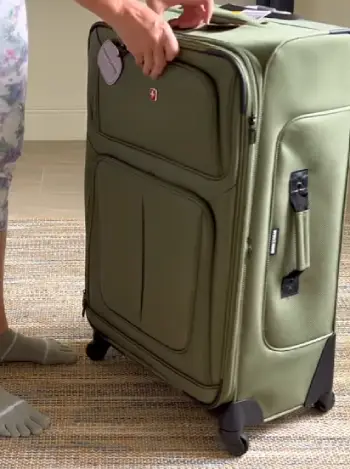
On short domestic trips where I kept the bag as a carry-on, SwissGear’s pockets let me grab a passport or charger without unpacking the whole case.
The softside also squeezed into tighter overhead bins more easily when flights were full.
For longer trips that required checking a bag, Samsonite’s hard shell protected a camera and a bottle of wine far better after the bag came off the carousel with visible scuffs but no dents that transferred inside.
Weight differences rarely decided the day, yet the smoother roll of many Samsonite models reduced fatigue when walking long terminals.
SwissGear felt more forgiving when I needed to overstuff slightly for a last-minute gift.
Both brands include spinner wheels that turn in place, but Samsonite’s dual-wheel designs tracked straighter on carpet in my experience.
Durability And Real-World Wear
After multiple trips I noticed SwissGear fabric holding up against rain and scuffs but showing earlier signs of stress at zipper seams and wheel housings when the bag was checked often.
Samsonite hard shells absorbed impacts with fewer lasting marks, though cheaper models still risked corner cracks if dropped from height.
Owner discussions frequently mention SwissGear lasting three to five years of light use and Samsonite lasting longer under similar conditions when the higher-quality lines are chosen.
Rubber feet and wheel materials on both brands can degrade in storage if left in hot or humid conditions, so rotating bags or storing them properly helps either option.
Price And Value Considerations
SwissGear wins pure price battles and often delivers more organizational features per dollar. If your travel calendar stays light, the savings make sense and the bag will likely outlast the warranty period under gentle treatment.
Samsonite costs more up front yet can prove cheaper over a decade if you fly frequently enough that a single SwissGear replacement would erase the initial difference.
Sales and warehouse pricing on SwissGear frequently close the gap, while Samsonite discounts appear less often on the stronger lines.
Who Should Choose SwissGear?
Choose SwissGear if you travel a few times a year, prefer softside flexibility and exterior pockets, and want to keep spending under two hundred dollars for a solid carry-on or medium checked bag.
Students, families buying sets, and occasional leisure travelers get the most from the brand’s practical layout and lower entry cost.
Who Should Choose Samsonite?
Choose Samsonite if you check bags regularly, need a hard shell that shrugs off conveyor abuse, or simply prefer a more polished look and smoother wheels for frequent airport runs. Business travelers and anyone logging ten or more flights a year usually find the extra durability worth the higher price.
Also Read: Is Badgley Mischka Luggage worth It?
Frequently Asked Questions (FAQ)
Yes for occasional to moderate travel. It offers solid construction and useful features at a fair price, though it is not the longest-lasting option under heavy airline handling.
Travelpro and Briggs & Riley often rank higher for frequent flyers who prioritize repairability and lifetime warranties, though they cost more.
Many models provide good organization and value. Real-world performance is strongest when the bag stays mostly as a carry-on and is not subjected to constant rough checking.
Discussions often favor Samsonite for long-term durability and wheel performance. SwissGear receives praise for price and pockets but draws criticism around warranty claims and earlier wear on some components.
Final Thoughts
I started this comparison expecting one clear winner and ended up recommending different bags for different people.
SwissGear gave me reliable service and smart packing features without stretching my budget, while Samsonite delivered the peace of mind that comes from a tougher shell when I needed it.
Look at how often you travel, whether you check bags, and how much organization versus protection matters to you.
Test the wheels and handle in a store if possible, check current dimensions against your usual airlines, and buy the one that matches your actual trips rather than the one with the bigger name.
Either brand can serve you well when you match it to your habits, and that matching process is the real key to avoiding buyer’s remorse.
Recent Posts
Cocokind Revitalizing Eye Cream Reviews: Is It Worth Buying?
If you want an affordable eye cream that hydrates delicate under-eye skin without feeling overly heavy, Cocokind Revitalizing Eye Cream is worth considering.I like its skincare-focused approach,...
I spent months testing both the Keekaroo Peanut Changer and the Bumbo changing pad in my own home with two active babies, tracking messes, cleanup time, comfort, and how each held up under daily...