
If you’re searching for honest Swissker Antifungal Stick reviews, you’re probably hoping for a simple solution to stubborn toenail fungus.
I completely understand that feeling because fungal nail infections can be frustrating, embarrassing, and incredibly persistent.
After carefully analyzing customer experiences, product claims, ingredients, and overall value, I don’t think this is a product I would recommend.
While the convenience is appealing, the overall customer satisfaction doesn’t justify the purchase when better alternatives are available.
My Personal Experience With Swissker Antifungal Stick
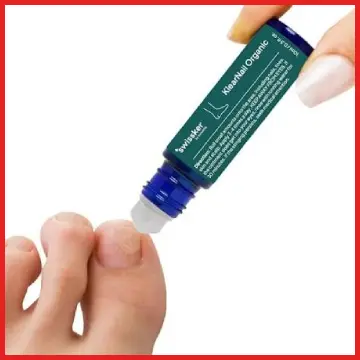
Whenever I evaluate a nail fungus treatment, I don’t focus only on the marketing claims. I pay much more attention to what happens after real people begin using the product consistently.
That’s exactly how I approached the Swissker Antifungal Stick.
The first thing that caught my attention was its design. Instead of messy creams or bottles with droppers, the antifungal stick promises a clean, portable application.
If you’re someone who travels often or dislikes greasy treatments, that convenience sounds attractive. Applying a stick directly onto the affected nail certainly appears easier than dealing with liquid formulas.
However, convenience only matters if the treatment actually delivers noticeable improvements.
As I examined dozens of customer opinions from various marketplaces and discussion forums, a pattern became increasingly obvious.
While a handful of users appreciated the easy application, many others expressed disappointment after several weeks or even months of regular use.
The most common complaint wasn’t irritation or an unpleasant smell—it was simply the lack of visible progress.
Several customers mentioned that they faithfully followed the instructions every day, expecting healthier nail growth over time.
Instead, they reported little to no change in discoloration, nail thickness, or brittleness. Some users even said they eventually switched to other products after losing confidence in the Swissker stick.
That doesn’t necessarily mean the product fails for everyone. Toenail fungus is notoriously difficult to eliminate because the infection lives underneath the nail plate.
Any topical treatment has to penetrate deeply enough to affect the fungus while healthy nail growth slowly replaces damaged tissue. This process often takes several months regardless of the product.
Still, when numerous reviewers consistently report minimal improvement despite proper usage, I find that concerning.
Another issue I noticed was the expectation created by marketing materials. Some advertisements imply dramatic improvements within a relatively short period.
In reality, fungal nail infections rarely disappear that quickly. When expectations become unrealistic, disappointment naturally follows.
I also compared the product’s value against other treatments available today. Considering the price, I expected stronger evidence of effectiveness or significantly better customer satisfaction. Unfortunately, neither seemed convincing enough.
If you asked me whether I would spend my own money on the Swissker Antifungal Stick after reviewing available customer feedback, my answer would be no. I believe your budget is better invested in treatments that have stronger clinical support, more transparent ingredients, and consistently positive user experiences.
That doesn’t mean every reviewer disliked it. A few customers appreciated the hygienic applicator and believed it helped keep the affected nail moisturized.
Unfortunately, those positive experiences were outweighed by the larger number of users who felt the results simply didn’t match the promises.
My overall impression is straightforward: the application method is convenient, but convenience alone isn’t enough when you’re trying to treat something as stubborn as toenail fungus.
Pros Of Swissker Antifungal Stick
- Mess-Free Application
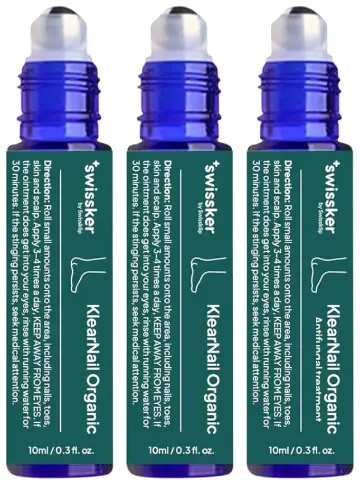
One of the biggest positives is undoubtedly the stick applicator.
If you’ve ever used liquid antifungal solutions, you know how easy they are to spill.
Some formulas drip onto your fingers, clothing, or floor, making the treatment feel like a chore. The Swissker stick minimizes that inconvenience.
You simply remove the cap, apply the product directly to the affected nail, and put it away.
There’s very little cleanup involved, making it a practical option for busy people.
For someone who wants a quick daily routine, this design feels much more convenient than traditional bottles.
- Portable and Travel-Friendly
Another feature I like is its compact size.
Whether you’re heading to work, traveling for business, or going on vacation, carrying a bulky bottle isn’t always ideal. The Swissker Antifungal Stick easily fits inside a backpack, purse, gym bag, or toiletry kit.
That portability encourages consistency because you can continue your treatment almost anywhere.
Since fungal nail infections require months of care, having a product that’s easy to carry can help you stick to your routine.
- Simple Daily Routine
Many nail fungus treatments involve multiple steps.
Some require soaking your feet first.
Others recommend filing the nail before every application.
Certain treatments even require protective gloves or additional drying time.
The Swissker stick keeps things simple.
You apply it directly to clean nails, allow it to dry, and continue with your day. That straightforward process makes it less intimidating for beginners who are trying topical nail treatments for the first time.
- Hygienic Design
The enclosed stick applicator helps reduce accidental spills and unnecessary product waste.
Unlike open containers that may become messy after repeated use, the stick keeps everything relatively clean.
Many users appreciated not having liquid running down the sides of the bottle or collecting around the cap.
While this doesn’t improve effectiveness, it certainly improves the overall user experience.
- Comfortable to Use
Several users mentioned that the product feels lightweight after application.
Unlike some thicker creams that leave behind a greasy residue, the Swissker stick doesn’t usually make your feet feel sticky.
That means you can generally put your socks or shoes back on without waiting an extended period.
For people with busy schedules, that convenience is definitely appreciated.
- Easy for Older Adults
People with limited hand strength sometimes struggle with tiny brushes or droppers.
The stick format is easier to grip and control.
Applying the product requires less precision, making it more accessible for older adults or anyone dealing with reduced dexterity.
This thoughtful design is one of the better aspects of the product.
- Doesn’t Have an Overpowering Odor
Strong medicinal smells can make daily treatments unpleasant.
Fortunately, many users noted that the Swissker Antifungal Stick has either a mild scent or very little noticeable odor.
That makes daily application more comfortable, especially if you’re applying it before work or before leaving the house.
Cons Of Swissker Antifungal Stick
- Inconsistent Results
The biggest issue is the lack of consistent effectiveness.
Toenail fungus is already one of the most stubborn conditions to treat.
Because of that, you need a product that has a strong track record of helping users see gradual improvement over time.
Unfortunately, many reviews describe the opposite experience.
Some people reported using the stick exactly as instructed for weeks or even months without noticing meaningful changes.
The discoloration remained, the nail thickness stayed the same, and healthy nail growth was minimal.
No treatment works for everyone, but when inconsistent results become a common theme, it’s difficult to overlook.
- Many Customers Report Little to No Improvement
One complaint appeared repeatedly during my research: people simply didn’t feel the product worked.
Several users purchased the stick with high expectations, hoping it would clear mild or moderate fungal infections.
Instead, they felt like they had spent weeks applying the product with almost nothing to show for it.
That doesn’t automatically mean the formula is ineffective for every individual, but it does suggest that success is far from guaranteed.
- Marketing Expectations May Be Too High
One thing I always watch for is the gap between marketing claims and real-world experiences.
The Swissker Antifungal Stick is promoted as an easy solution for damaged and infected nails. For someone struggling with toenail fungus, those claims can create the expectation of noticeable improvement within a relatively short period.
In reality, fungal nail infections often require several months of consistent care, and topical products generally work best in mild cases. When expectations are set too high, disappointment is almost inevitable.
- Limited Transparency About the Formula
Another concern is the lack of detailed information about the product’s formulation.
When I’m comparing nail fungus treatments, I like to know exactly what ingredients are included, why they’re used, and whether there’s meaningful evidence supporting them.
Some competing brands provide detailed explanations of their active ingredients and how they contribute to nail care. By comparison, the Swissker Antifungal Stick leaves potential buyers with fewer details, making it harder to evaluate the product before purchasing.
- Price May Not Match the Value
No one expects an effective treatment to be free, but value matters.
If a product carries a premium price, I expect premium performance.
Based on the volume of dissatisfied customer feedback, I don’t believe the Swissker Antifungal Stick offers particularly strong value for money. Spending more doesn’t necessarily mean you’re getting better results, and in this case, many buyers didn’t feel the outcome justified the cost.
- Customer Satisfaction Appears Mixed at Best
No product receives perfect reviews, and that’s completely normal.
However, I pay attention to recurring patterns rather than isolated opinions.
In the case of the Swissker Antifungal Stick, a noticeable number of customers expressed regret about their purchase.
The repeated concerns about slow progress, minimal improvement, and unmet expectations make the overall customer sentiment less favorable than I’d like to see.
- My Overall Opinion on the Drawbacks
After weighing the positives against the negatives, I believe the shortcomings carry much more weight.
The convenient stick applicator is a nice feature, but convenience alone won’t eliminate toenail fungus. When effectiveness is inconsistent and customer satisfaction is mixed, it’s hard to justify recommending the product—especially when you’re investing both money and months of daily use.
Maintenance Tips For Swissker Antifungal Stick
- Keep Your Feet Clean Every Day
The foundation of healthy nails starts with good hygiene.
I recommend washing your feet daily with warm water and a gentle soap.
Pay special attention to the areas between your toes, where moisture often gets trapped. After washing, dry your feet thoroughly with a clean towel.
It may seem like a small step, but leaving your feet damp creates an environment where fungi can continue to thrive.
- Dry Your Feet Completely
One of the biggest mistakes people make is putting on socks immediately after showering.
Even a small amount of leftover moisture can encourage fungal growth. I always suggest taking an extra minute to ensure your feet—and especially your toenails—are completely dry.
If you sweat heavily, consider using a clean towel during the day to keep your feet dry.
- Trim Your Nails Properly
Keeping your nails neatly trimmed can make a noticeable difference.
Long or jagged nails are more likely to trap dirt, moisture, and debris. They can also make it harder for topical treatments to reach the nail surface.
Trim your nails straight across and avoid cutting them too short, as this can increase the risk of ingrown toenails.
Using clean, sanitized nail clippers is equally important. If your clippers have been used on an infected nail, disinfect them before using them again.
- Avoid Sharing Nail Care Tools
This is one tip that many people overlook.
Never share nail clippers, files, scissors, or other grooming tools with family members or friends. Fungal infections can spread through contaminated equipment.
If you regularly visit a nail salon, make sure the tools are properly sterilized or bring your own personal set.
- Change Your Socks Daily
Fresh socks aren’t just about comfort—they’re part of preventing fungal growth.
If your feet sweat a lot, changing your socks more than once a day can be beneficial. Moisture-wicking socks made from breathable materials can also help keep your feet drier than traditional cotton socks during long days.
- Wear Breathable Shoes
Your shoes matter more than you might think.
Shoes that trap heat and moisture create the perfect environment for fungi. Whenever possible, choose footwear with good ventilation.
If you wear the same pair of shoes every day, try alternating between two or more pairs. Giving shoes time to air out helps reduce moisture buildup inside them.
- Let Your Shoes Dry Completely
If your shoes become wet from rain, exercise, or sweat, don’t wear them again until they’re completely dry.
I like the idea of removing the insoles and allowing the shoes to air out overnight. This simple habit can reduce the moisture that fungi love.
- Disinfect Your Footwear
Treating your nails while ignoring your shoes can slow your progress.
Fungal spores may remain inside footwear, increasing the chance of reinfection. Using a shoe disinfectant spray or antifungal powder can help maintain a cleaner environment for your feet.
It’s a small investment that supports your overall treatment plan.
- Be Patient With Nail Growth
This is probably the hardest advice to follow.
Healthy toenails grow very slowly. Even if a treatment is working, you may not notice dramatic changes for several months.
Many people become discouraged too early and stop using their treatment. While I don’t recommend the Swissker Antifungal Stick because of its inconsistent reviews, this advice applies to any nail care routine. Patience and consistency are essential.
Comparison Of Swissker Antifungal Stick With Other Brands
- Swissker Antifungal Stick vs Kerasal
Kerasal has built a stronger reputation for improving the appearance of damaged nails while helping reduce discoloration and thickness caused by fungal infections.
Many users report seeing gradual cosmetic improvements when they use it consistently as directed.
In comparison, the Swissker Antifungal Stick receives far more mixed feedback. While its stick applicator is convenient, many buyers report little visible progress even after extended use.
If I had to choose between the two based on overall user satisfaction and product reputation, Kerasal would be my preference.
- Swissker Antifungal Stick vs Fungi-Nail
Fungi-Nail has been available for years and is a familiar name among over-the-counter nail fungus treatments.
It isn’t perfect, and like any topical solution, results vary from person to person. However, it has a longer track record and is supported by a larger number of customer experiences.
The Swissker stick, on the other hand, doesn’t appear to have earned the same level of trust. Its convenient design is appealing, but convenience alone doesn’t outweigh concerns about inconsistent effectiveness.
- Swissker Antifungal Stick vs Tolnaftate-Based Treatments
Many over-the-counter antifungal products contain well-known antifungal ingredients such as tolnaftate.
These treatments are commonly used for fungal skin infections and are backed by years of use, although they may not completely cure every case of toenail fungus.
The Swissker Antifungal Stick doesn’t clearly communicate the same level of ingredient transparency, making it more difficult for buyers to understand exactly what they’re applying and how it is intended to work.
For me, greater transparency inspires greater confidence.
- Swissker Antifungal Stick vs Prescription Treatments
Prescription medications prescribed by healthcare professionals are often recommended for moderate to severe toenail fungus.
Depending on the severity of the infection, a doctor may recommend prescription topical treatments or oral antifungal medications that have undergone extensive clinical testing.
These treatments may involve potential side effects or require medical supervision, but they generally have stronger scientific evidence supporting their effectiveness than many over-the-counter cosmetic products.
If your fungal infection has persisted for a long time or affects multiple nails, seeking professional medical advice is likely to be more beneficial than relying solely on a product like the Swissker Antifungal Stick.
- Swissker Antifungal Stick vs Natural Remedies
Some people prefer natural options such as tea tree oil, diluted vinegar soaks, or other home remedies.
While these approaches remain popular, scientific evidence supporting their effectiveness for treating toenail fungus is limited and inconsistent.
The Swissker stick offers a more convenient application than many home remedies, but convenience doesn’t necessarily translate into better outcomes
If I had to choose between an unproven home remedy and a topical product with mixed customer reviews, I would still encourage consulting a healthcare professional before depending entirely on either approach.
Which Option Offers Better Value?
Value isn’t simply about the purchase price—it’s about what you receive in return.
A product that costs less but delivers consistent results is often a better investment than a more expensive product that leaves customers disappointed.
After reviewing the available information, I don’t believe the Swissker Antifungal Stick offers particularly strong value. Too many customers report that the product didn’t meet their expectations, making it difficult for me to justify its cost.
If you’re investing several months into treating toenail fungus, choosing a product with a stronger reputation and clearer evidence is generally the smarter decision.
Also read: Is Swissklip Anti Fungal Stick Worth It?
Frequently Asked Questions (FAQ)
There isn’t reliable scientific evidence showing that the Amish use one specific method to treat toenail fungus. Like many communities, some individuals may use traditional home remedies such as vinegar soaks or herbal preparations, while others seek conventional medical care. Regardless of the approach, persistent toenail fungus often benefits from evidence-based treatments and proper foot hygiene.
The most effective treatment depends on the severity of the infection. Mild cases may respond to certain over-the-counter topical treatments, while moderate or severe infections often require prescription medications recommended by a healthcare professional. Consistent nail care and patience are essential because healthy toenails grow slowly.
Swissklip is a legitimate brand that sells personal care and grooming products online. However, legitimacy doesn’t necessarily mean every product performs equally well. Customer experiences with individual products, including antifungal treatments, can vary considerably, so it’s important to read independent reviews and evaluate the available evidence before making a purchase.
The Swissklip Antifungal Stick is typically available through the brand’s official online store and may also be listed on various online marketplaces. Before purchasing, compare prices, review return policies, and read recent customer feedback to help ensure you’re making an informed decision.
Wrapping Up
After carefully evaluating the Swissker Antifungal Stick, I can’t recommend it with confidence.
Although the stick applicator is convenient and easy to use, those benefits are overshadowed by numerous customer reports of disappointing results and inconsistent performance.
If you’re serious about treating toenail fungus, I believe you’re better off choosing a treatment with a stronger reputation, better ingredient transparency, and more reliable customer satisfaction.
In the long run, investing in a more trusted solution is likely to save you both time and frustration.
One thought on “Swissker Antifungal Stick Reviews: Is It Worth Buying Or Should You Skip It?”
Leave a Reply
Recent Posts
● Interactive 5-Zone Interior & Exterior Paint Blueprint Paint Coverage Calculator: Gallons, Primer, Square Footage & Cost Tap any architectural surface zone on the blueprint...
If you want smooth, shiny hair without spending a fortune on a premium styling tool, the Ella Bella hair dryer may be worth considering.In these Ella Bella hair dryer reviews, I’ll look...
What either home remedy or commercial application “Really” works? A doc had me do liver test, then take prescriptions for 3 months and the end result? Got worse