
I like the idea behind the Tacsaw Power Shears because cordless electric pruning tools can make repetitive yard work much easier.
However, after looking beyond the promotional claims and examining available buyer-feedback data, I would not recommend buying these shears right now.
The advertised design looks convenient, but reported concerns about durability, functionality, controls, and cutting performance make me hesitate.
If you need dependable pruning equipment, I would personally compare established alternatives before spending money on Tacsaw.
My First Experience With The Tacsaw Power Shears
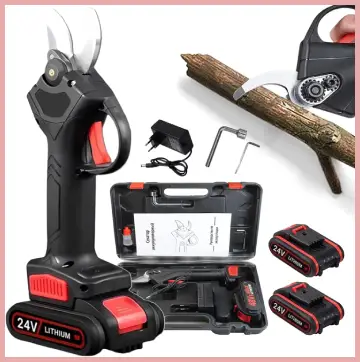
When I first came across the Tacsaw Power Shears, the concept immediately made sense to me.
Traditional pruning shears are simple, but after cutting dozens of branches, vines, shrubs, or thick stems, my hand can get tired surprisingly quickly.
A powered tool that handles the squeezing for me sounds like a practical upgrade.
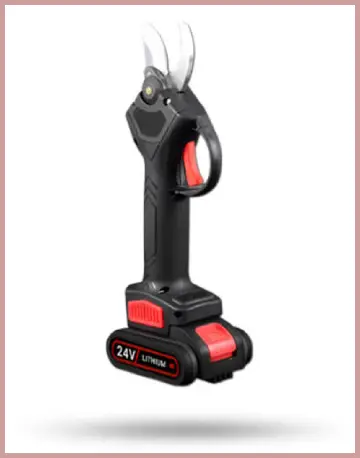
The Tacsaw is designed around exactly that idea. It is marketed as a compact cordless electric cutting tool with one-hand operation, a high-powered motor, sharp SK5 blades, an anti-slip grip, and a rechargeable 24V lithium-ion battery.
The manufacturer also describes it as suitable for pruning branches, trimming hedges, clearing heavy vegetation, and handling certain light DIY materials.
On paper, those specifications are attractive.
The compact body is especially interesting to me because a pruning tool needs to be maneuverable.
I do not want to carry a large piece of equipment every time I need to remove a few branches from a shrub. A small cordless shear can potentially get into tight spaces where a larger cutter would feel awkward.
I also like the idea of one-hand operation. Instead of repeatedly squeezing a traditional shear, you position the cutting head and activate the motor.
That can make repetitive trimming considerably less demanding.
The advertised SK5 steel blades are another positive feature. Sharp blades are important because a pruning tool should make a reasonably clean cut rather than crushing or tearing plant material.
Tacsaw claims its blades can handle branches, vines, shrubs, plastic, soft wire, and other light materials.
But this is where my assessment becomes more cautious.
A product can look impressive on paper and still disappoint once buyers start using it regularly. I pay particular attention to durability because a powered garden tool has more components that can potentially fail than a basic manual shear.
Available third-party marketplace analysis is concerning in this respect. Its review data indicates that durability is one of the main subjects among negative Tacsaw feedback, with complaints including statements about the tool breaking easily. The same analysis identifies functionality problems, button-control problems, and reports from some buyers that the blades stopped operating after limited use.
That changes how I view the product.
The manufacturer presents Tacsaw as a durable tool built for heavy use, but customer-feedback data gives me reasons to question whether the long-term reliability consistently matches that promise. The company’s own product page says the shears use a durable PVC construction and are intended to provide consistent performance.
I would therefore separate the concept from the actual buying decision.
The concept is appealing. The evidence around reliability is less reassuring.
Another thing I notice is the difference between marketing material and independent feedback. The Tacsaw product page features highly positive customer testimonials describing the tool as lightweight, powerful, comfortable, and effective. It also promotes a 24V rechargeable battery and claims three to four hours of continuous use.
Those claims are worth knowing, but I would not treat testimonials displayed on a product’s own sales page as equivalent to independent customer-review evidence. The site itself contains a marketing disclosure stating that the website has a monetary connection to the products advertised there.
That does not automatically mean every positive statement is false. It simply means I would consider the source when weighing the information.
For me, this is an important part of reviewing any unfamiliar power tool.
I want to know how it performs initially, but I also want to know what happens after repeated use.
If a shear cuts beautifully for the first few gardening sessions but the switch, battery, motor, or cutting mechanism later becomes unreliable, the initial convenience loses much of its value.
That is why the negative durability reports carry significant weight in my assessment.
Pros Of Tacsaw Power Shears
- Convenient Cordless Design
The biggest positive for me is the cordless concept. I appreciate tools that let me move freely around a yard without worrying about electrical cables.
For pruning bushes, vines, small branches, and garden growth, portability can make a noticeable difference.
- Less Manual Effort
Electric cutting can reduce the repetitive squeezing associated with conventional shears.
If you have a large amount of trimming to complete, that convenience can save your hands from doing hundreds of individual cutting movements.
- Compact Size
The small format is another appealing feature.
I can see the benefit of having a cutting tool that is easy to store in a garage, shed, or toolbox rather than bringing out a larger machine for every small job.
- Quick Battery Removal
The manufacturer advertises a quick-release battery system.
That sounds practical because removable batteries can make charging and storage easier.
If additional compatible batteries are genuinely available and reliable, having a spare could also make longer sessions more convenient.
- Potentially Useful for Routine Garden Work
The intended use makes sense.
A cordless electric shear can be helpful for routine trimming where manual shears feel too slow and a larger saw feels excessive.
For light-to-medium garden maintenance, the concept is reasonable.
- Anti-Slip Grip
Tacsaw promotes an anti-slip grip intended to improve control and comfort.
I consider grip quality important on any powered cutting tool because maintaining control is essential.
However, a comfortable grip cannot compensate for problems with the motor, switch, battery, or cutting mechanism.
- Simple Operating Concept
There is nothing complicated about the basic idea.
Charge the battery, install it, activate the tool, position the blades, and make the cut.
That simplicity could appeal to people who do not want a complicated garden machine.
Cons Of Tacsaw Power Shears
- Durability Concerns
This is my biggest concern.
Third-party marketplace analysis identifies durability as one of the most prominent subjects among negative Tacsaw reviews. It specifically reports complaints involving the tool breaking easily.
For me, this is not a minor criticism.
A powered shear is supposed to save time and effort. If I have to replace it prematurely or deal with a malfunction, that convenience becomes much less valuable.
- Functionality Complaints
The same review analysis identifies functionality as another negative theme, including reports that the tool did not work.
That is particularly concerning because functionality is fundamental.
A garden tool does not need dozens of advanced features to be useful. It needs to start reliably, cut consistently, hold its charge reasonably well, and continue functioning after repeated use.
- Button and Control Issues
The available review data also mentions complaints involving the power button and controls, including a report of an on button becoming stuck and later breaking.
A control problem can make an otherwise capable tool unusable.
It also makes me question long-term reliability because switches are components that can experience repeated physical use.
- Cutting Capacity May Be Limited
The manufacturer describes the tool as suitable for branches and heavy overgrowth, but that does not mean it should be treated as a heavy-duty tree-cutting machine.
Third-party review analysis also includes comments about larger branches requiring repeated cutting attempts.
I would therefore avoid assuming that advertised cutting power translates into effortless performance on every branch.
- Marketing Claims Need Context
The product page uses strong promotional language about power, durability, safety, and professional use.
I would personally be careful about accepting those claims without qualification.
The page also features highly positive testimonials, while the independent review analysis identifies meaningful negative feedback.
When those two sources disagree, I would rather remain cautious than assume the most favorable description is representative of every buyer.
- Warranty and Return Details Should Be Checked Carefully
The sales page advertises a 30-day money-back guarantee and a two-year warranty.
That sounds reassuring initially, but I would read the actual warranty conditions before purchasing.
I would want to know who handles warranty claims, what qualifies as a defect, whether return shipping is covered, and how replacement parts are supplied.
For a product with durability complaints, those details matter more than they normally would.
Maintenance For Tacsaw Power Shears
- Keep the Blades Clean
After pruning, I would wipe the blades clean rather than putting the tool away covered in sap, plant residue, and dirt.
Sticky residue can accumulate around moving parts and may eventually affect cutting performance.
I would use an appropriate cleaning method recommended by the manufacturer and avoid soaking the powered components.
- Inspect the Cutting Mechanism Regularly
Before using the shears, I would look at the blade alignment and cutting area.
If I noticed unusual movement, loose components, cracks, grinding sounds, or inconsistent cutting, I would stop using the tool rather than forcing it through another branch.
This is especially important given the durability concerns reported by some buyers.
- Keep the Battery Dry
The battery and charging components deserve special attention.
I would never leave the battery sitting in a wet outdoor area or expose the charging connection to moisture.
After gardening in damp conditions, I would bring the tool indoors and allow everything to dry appropriately before charging or storing it.
- Charge According to the Manufacturer’s Instructions
I would use the supplied or properly compatible charging equipment and follow the manufacturer’s charging instructions.
I would also avoid treating the battery as an afterthought.
Rechargeable batteries eventually lose capacity, and improper storage or charging can potentially shorten their useful life.
- Do Not Force Oversized Branches
This is one of my biggest practical rules for any electric pruner.
If the branch is obviously beyond the tool’s capacity, I would switch to a suitable saw or lopper rather than repeatedly forcing the blades.
Forcing a compact motorized shear can place unnecessary stress on the motor, gearbox, battery, and blades.
- Store It Properly
I would store the shears somewhere dry, clean, and protected from extreme temperatures.
If the battery is removable, I would follow the manufacturer’s storage recommendations rather than leaving it attached indefinitely.
Keeping the tool clean and protected can help prevent avoidable wear.
- Check the Trigger and Switch
Because control issues appear in some third-party Tacsaw feedback, I would pay particular attention to the trigger and power switch.
If the control starts sticking, behaving inconsistently, or failing to respond normally, I would stop using the tool.
A powered cutting device should never be used when its activation control is unreliable.
- Replace Damaged Blades
The manufacturer says replacement SK5 blades are available.
That is useful because blades naturally wear.
I would rather replace a worn or damaged blade than continue forcing a dull cutting edge through branches.
However, I would verify replacement availability and compatibility before relying on the tool for regular professional work.
Comparison Of Tacsaw Power Shears With Other Brands
- Tacsaw vs. Ryobi
Ryobi has a much broader established cordless outdoor-tool ecosystem, which is important to me if I want batteries, chargers, accessories, and other garden equipment to work within one system.
Tacsaw’s compact design may look attractive for someone who wants a single inexpensive tool, but I would pay more attention to long-term support when comparing it with a larger established tool ecosystem.
The key question I would ask myself is whether I want a standalone product or a tool that can become part of a wider collection.
- Tacsaw vs. FELCO
FELCO is associated with professional and high-quality pruning equipment, particularly hand pruners and horticultural cutting tools.
The comparison is less about identical technology and more about philosophy.
Tacsaw focuses heavily on powered convenience, while a traditional professional pruning tool can offer mechanical simplicity and easier inspection.
If reliability and serviceability are my highest priorities, I would want to investigate both approaches before buying.
- Tacsaw vs. STIHL
STIHL offers a wide range of professional outdoor power equipment and battery-powered gardening tools.
For someone who regularly performs demanding landscaping work, the availability of an established product range and service infrastructure can be significant.
Tacsaw is more appealing to me as a compact standalone concept, but the durability concerns in available review data make me cautious about choosing it for demanding, repeated work.
- Tacsaw vs. Manual Pruning Shears
This comparison is surprisingly important.
Manual shears require more hand effort, but they are mechanically simple.
If something goes wrong, there is no motor, battery, charging system, or electronic control to troubleshoot.
Tacsaw has the advantage when it works properly because powered cutting can reduce repetitive hand effort. But simplicity can be valuable too.
For a person with only occasional pruning needs, I would seriously consider whether the added complexity of an electric shear is justified.
Are Tacsaw Power Shears Worth It?
This is where I would be careful.
The product has a sensible design concept. A lightweight cordless shear with a powered motor, sharp blades, and a removable battery can absolutely be useful for garden maintenance.
The problem is reliability.
Third-party marketplace data reports a 3.0% return rate for the tracked Tacsaw orders, compared with a 2.1% marketplace median, while negative feedback particularly highlights durability and functionality.
Those numbers do not prove that every Tacsaw unit will fail. They do, however, give me enough reason to hesitate.
If I were considering buying one, I would first investigate the seller, warranty process, replacement battery availability, replacement blade availability, and return conditions.
I would also compare the final price with established alternatives.
A low initial price does not necessarily represent good value if the product needs to be replaced sooner than expected.
Frequently Asked Questions (FAQ)
There is no single brand that is automatically best for every user. I would compare battery ecosystem, cutting capacity, warranty, replacement parts, durability feedback, weight, and intended use. Established brands such as Ryobi, STIHL, and FELCO are worth researching alongside less-established products before making a purchase.
The right battery-powered pruner depends on your branch size, frequency of use, battery preferences, and budget. I would prioritize a dependable motor, replaceable blades, accessible batteries, a solid warranty, and consistent independent customer feedback rather than choosing based only on advertised cutting power.
For people who prune frequently, power pruners can be worthwhile because they reduce repetitive hand squeezing and can speed up routine cutting. For occasional light pruning, manual shears may still be sufficient. I would base the decision on how much you actually prune and how important reduced hand effort is to you.
The Wood Ranger’s own sales pages display overwhelmingly positive testimonials and advertise features such as SK5 blades and a 24V battery. However, I would treat those testimonials as promotional material rather than independent evidence. There are also third-party listings and discussions, so I would compare independent customer feedback with the manufacturer’s claims before making a decision.
Final Verdict
After examining the Tacsaw Power Shears, I can understand why the product attracts attention. The cordless design, one-hand operation, compact body, rechargeable battery, and powered cutting mechanism all address real problems that gardeners experience.
But I would not recommend buying it based on the available evidence.
The biggest issue for me is not the basic concept. It is the gap between the highly positive promotional presentation and the negative customer-feedback themes concerning durability, functionality, controls, and cutting performance.
Third-party marketplace analysis specifically identifies durability as the largest negative review topic and also reports complaints involving tools that stopped working and controls that failed.
That does not mean every unit is defective. Some buyers clearly report positive experiences, and the advertised feature set is appealing.
Still, if I were spending my own money on an electric pruning tool, I would want stronger evidence of long-term reliability before choosing Tacsaw. I would compare established alternatives, investigate warranty support, and verify replacement-part availability first.
For me, dependable performance matters more than an attractive list of features. Until the reliability concerns are better addressed by consistent independent feedback, I would keep the Tacsaw Power Shears on my comparison list rather than my shopping list.
Recent Posts
● Interactive 5-Zone Interior & Exterior Paint Blueprint Paint Coverage Calculator: Gallons, Primer, Square Footage & Cost Tap any architectural surface zone on the blueprint...
If you want smooth, shiny hair without spending a fortune on a premium styling tool, the Ella Bella hair dryer may be worth considering.In these Ella Bella hair dryer reviews, I’ll look...