
I’ve spent years navigating the dog food world for my own pack, comparing options like Taste of the Wild and Fromm to see what truly delivers results.
Both brands focus on quality ingredients and canine nutrition, but they take different paths.
The main intent of this article is to give you a clear, practical comparison so you can choose the right food for your dog’s unique needs, energy level, and health profile.
I draw from personal experience, label analysis, and real outcomes I’ve observed at home.
| Aspect | Taste of the Wild | Fromm |
| Protein Focus | High, often novel sources like bison, venison, salmon | Balanced, multiple proteins including poultry, beef, fish |
| Grain Options | Mostly grain-free | Both grain-inclusive and grain-free lines |
| Key Ingredients | Real meats, peas, lentils, potatoes, fruits/berries | Fresh meats, cheese in some recipes, veggies, no Chinese ingredients |
| Manufacturing | Larger production, Diamond Pet Foods facilities | Family-owned, controlled small-batch facilities |
| Price Range | Generally more affordable premium | Slightly higher, but consistent quality |
| Common Strengths | Palatability, energy for active dogs | Digestibility, variety for picky eaters |
| Potential Concerns | Past grain-free DCM associations | Availability limited to specialty retailers |
My Experience Trying Both Brands
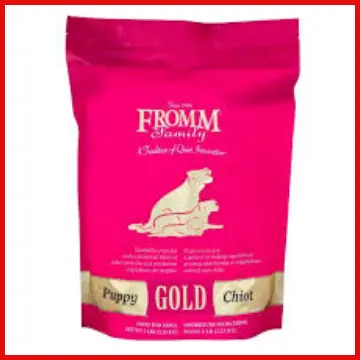
I remember bringing home that first bag of Taste of the Wild for my energetic Labrador mix.
The aroma was inviting, and he cleaned his bowl every time.
Later, I introduced Fromm when my senior dog started showing mild digestive sensitivity.
Over months of feeding both, differences emerged in coat quality, energy consistency, and stool firmness.
I write this from the perspective of a regular dog owner who values straightforward results over marketing claims.
No brand is perfect for every dog, but understanding their strengths helps you make smarter choices.
Key Differences Between The Taste Of The Wild And Fromm
- Core philosophy: Taste of the Wild emphasizes ancestral, grain-free inspiration while Fromm prioritizes balanced, family-crafted nutrition.
- Carbohydrate sources: Legumes and potatoes dominate Taste of the Wild; Fromm includes grains for many recipes.
- Protein strategy: Novel and higher concentration in Taste of the Wild versus diverse and balanced in Fromm.
- Production scale: Larger facilities for Taste of the Wild contrast with Fromm’s smaller, controlled operations.
- Best suited for: Active or allergy-prone dogs often do well on Taste of the Wild; sensitive or multi-age households benefit from Fromm.
- Accessibility and cost: Taste of the Wild wins on wider availability and relative affordability.
Key Features Of Taste Of The Wild
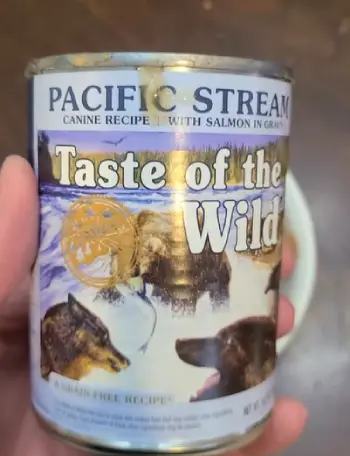
- High protein from novel sources: Recipes feature ingredients like bison, venison, and smoked salmon as primary proteins.
This approach helps dogs with common allergies to more traditional meats such as chicken or beef.
In my home, switching to a venison-based formula noticeably reduced skin irritation for one of my dogs, making mealtime both nutritious and comfortable.
- Grain-free formulas with alternative carbohydrates: The brand relies on peas, lentils, and sweet potatoes to provide energy and fiber without using grains.
These ingredients create a dense, satisfying kibble that supports steady blood sugar levels.
I appreciated this during periods when I wanted to avoid grains entirely for trial purposes.
- Antioxidant-rich fruits and superfoods: Blueberries, raspberries, and other berries are included to support immune function and overall vitality.
These additions give the food a natural boost that showed in my dogs’ shiny coats and active demeanor after consistent feeding.
- Added probiotics and digestive enzymes: These elements promote gut health and better nutrient absorption.
My active dog produced firmer stools more reliably once adjusted, which reduced cleanup and worry about digestive upset during travel or changes in routine.
- Joint support nutrients: Many formulas contain glucosamine and chondroitin to help maintain mobility.
This feature became especially relevant as my dogs aged, contributing to smoother movements during daily walks and play.
- Calorie-dense profile for active dogs: The combination of proteins and fats provides the energy needed for working breeds or high-exercise lifestyles.
I found it particularly effective during hiking seasons when my Labrador needed extra fuel without increasing volume dramatically.
These features create a food that feels robust and purpose-built for dogs living active lives.
Pros Of Taste Of The Wild
- Excellent palatability: Most dogs eat it enthusiastically, reducing mealtime stress and ensuring they consume full portions.
- Strong support for active lifestyles: The protein and fat levels help maintain muscle and energy throughout demanding days.
- Novel proteins for allergy management: Options like salmon or bison formulas helped reduce itching and irritation in sensitive dogs.
- Built-in joint and immune support: Antioxidants and glucosamine contribute to long-term wellness and mobility.
- Good value in the premium segment: You receive substantial nutrition at a more accessible price point compared to some competitors.
Cons Of Taste Of The Wild
- Heavy reliance on legumes in grain-free lines: This raised questions in the broader industry about long-term heart health for some dogs.
- Adjustment period for some pets: Rich ingredients can cause temporary loose stools during the switch if not transitioned slowly.
- Batch-to-batch variations: Minor differences in texture or aroma sometimes appeared between bags.
- Fewer specialized senior formulas: It works but may not be as tailored for older dogs with lower calorie needs.
- Higher fat content requires monitoring: Active dogs thrive, but less active ones need careful portion control to avoid weight gain.
Key Features Of Fromm

- Diverse protein options across recipes: The brand offers chicken, duck, lamb, pork, fish, and combinations that allow for dietary rotation.
This variety helped me prevent boredom and potential sensitivities in my multi-dog household by alternating proteins regularly.
- Grain-inclusive and grain-free choices: Formulas with barley, rice, or oats provide balanced carbohydrates alongside grain-free options.
The flexibility let me choose based on my dogs’ current digestive needs without switching brands entirely.
- Unique additions like cheese in select recipes: This ingredient enhances flavor naturally while adding probiotics.
My senior dog showed improved interest in meals and better digestion when I incorporated these formulas.
- Gentle processing methods: Lower-temperature cooking aims to preserve nutrients and improve digestibility.
I noticed my dogs seemed to utilize the food more efficiently, reflected in consistent energy without spikes or crashes.
- All life stages suitability in many formulas: These versatile options simplify feeding when you have puppies, adults, and seniors under one roof.
It reduced the complexity of managing multiple bags and transition periods.
- Focus on controlled ingredient sourcing: Emphasis on avoiding certain regions and maintaining quality standards gave me confidence in the consistency of each bag.
The kibble texture remained reliable, supporting dental health through chewing action.
These characteristics make Fromm feel like a thoughtful, well-rounded choice for everyday feeding.
Pros Of Fromm
- High digestibility: Many dogs produce smaller, firmer stools, indicating good nutrient uptake.
- Family-owned consistency: Production standards stay under direct company oversight.
- Recipe variety for rotation: Multiple proteins and grain options help prevent sensitivities.
- Balanced nutrition across life stages: All-life-stages formulas reduce the need for frequent switches.
- Thoughtful ingredient selection: Named meats and recognizable components dominate the labels.
Cons Of Fromm
- Premium pricing: It costs more per pound, which impacts larger budgets.
- Limited retail availability: You often need specialty stores or direct ordering.
- Moderate protein levels: Some formulas prioritize balance over maximum protein percentages.
- Initial acceptance by picky eaters: A few dogs needed mixing with favorites at first.
- Less emphasis on single novel proteins: It offers variety but fewer ultra-specialized allergy formulas.
Ingredients Deep Dive: What’s Really Inside?

Reading labels side by side reveals clear priorities.
Taste of the Wild typically leads with real meat or fish, then moves into peas or sweet potatoes for energy and fiber.
Added berries provide natural vitamins.
Fromm recipes often start with chicken or other meats, followed by grains or alternative carbs, vegetables, and that occasional cheese inclusion.
Both avoid vague by-products and focus on named ingredients.
Taste of the Wild appeals to owners seeking higher protein density. Fromm feels more moderate and inclusive of traditional nutrition sources.
I always check the first several ingredients and look for whole-food additions that support daily health.
How My Dogs Responded Over Time?
My younger dog maintained strong energy and muscle tone on Taste of the Wild during active months. Coat shine improved noticeably.
With Fromm, my senior dog showed better stool consistency and fewer gas episodes.
Both brands outperformed basic grocery store foods in energy and appearance, but the right match depended on the individual dog’s age and activity.
Cost Analysis: Value For Money
Taste of the Wild often provides more servings per dollar in the premium category.
This makes it practical for households with multiple or larger dogs. Fromm’s higher cost reflects its production methods and ingredient care.
When I factored in reduced waste from better digestion and fewer health hiccups, both offered solid value.
Your dog’s eating habits and health outcomes ultimately determine the better investment.
Health Considerations And Transparency
I evaluate foods by real metrics: weight maintenance, coat condition, energy levels, and veterinary check-ups. Both brands meet basic nutritional standards.
Taste of the Wild’s protein focus supports active bodies. Fromm’s balanced approach aids steady wellness.
I recommend gradual transitions and ongoing observation rather than expecting any food to be a miracle solution.
The Role Of Protein Quality And Digestibility
Percentage matters less than usability. Taste of the Wild delivers high animal-based protein that dogs readily use for muscle repair.
Fromm combines sources thoughtfully for complete amino acid profiles.
In practice, Fromm often resulted in less waste, suggesting efficient digestion in my dogs.
Suitability For Different Life Stages
Puppy growth benefits from both brands’ appropriate formulas, though Fromm’s flexibility across ages simplified my multi-dog setup.
Adult active dogs thrived on Taste of the Wild’s density. Senior dogs appreciated Fromm’s gentler composition and joint considerations.
Matching the formula to life stage prevented unnecessary issues.
Environmental And Ethical Aspects
Fromm’s smaller-scale, family-operated model offers transparency that resonates with many owners.
Taste of the Wild sources quality ingredients at volume.
Both represent steps above mass-market options that rely heavily on fillers. I weigh these factors alongside performance when deciding.
Transitioning Between Brands Smoothly
I mix old and new food over seven to ten days.
Taste of the Wild’s richer profile sometimes needs slower introduction.
Fromm usually integrates without drama. Monitoring appetite and stools during the switch provides the best feedback.
Long-Term Feeding Strategies
I rotate proteins within or between these brands to maintain interest and nutritional variety. Taste of the Wild handles high-activity periods well.
Fromm supports maintenance phases. This approach keeps my dogs engaged and helps identify any developing sensitivities early.
What To Look For When Choosing?
Consider age, activity level, known sensitivities, and veterinary advice.
Prioritize named meat ingredients.
Evaluate how your dog looks, feels, and performs after consistent feeding. Both brands provide strong foundations when selected thoughtfully.
My Final Recommendation
Fromm earns my slight preference for everyday feeding due to its digestibility and production standards.
Taste of the Wild remains excellent for active dogs needing extra protein and palatability.
Test small bags, observe closely, and consult your vet for personalized guidance.
Also Read: Comparison Of Next Level And Victor Dog Food
Frequently Asked Questions (FAQ)
It centers on reports linking some grain-free diets high in legumes to cases of dilated cardiomyopathy in dogs, with Taste of the Wild among brands noted in FDA updates.
Many veterinarians view Fromm positively for its quality and digestibility, though recommendations vary based on each dog’s specific health profile.
Fromm discontinued sales through Chewy after its acquisition by PetSmart to maintain distribution through independent specialty retailers.
Fromm often stands out for tighter quality control and family ownership, while Blue Buffalo offers convenient options; the better choice depends on your dog’s needs and response.
Wrapping Up
I have walked you through my genuine experiences with Taste of the Wild versus Fromm because choosing dog food should feel manageable, not overwhelming.
You know your dog best—their energy, preferences, and health signals guide the final decision.
Whether you opt for the robust, wild-inspired approach of Taste of the Wild or the balanced, family-focused care of Fromm, the key is paying attention to results over time.
Your dog will thank you with better vitality and those joyful daily moments we all cherish.
Keep learning, adjusting, and celebrating the unique bond you share.
Recent Posts
● Interactive 5-Zone Interior & Exterior Paint Blueprint Paint Coverage Calculator: Gallons, Primer, Square Footage & Cost Tap any architectural surface zone on the blueprint...
If you want smooth, shiny hair without spending a fortune on a premium styling tool, the Ella Bella hair dryer may be worth considering.In these Ella Bella hair dryer reviews, I’ll look...