
I have fed my dogs different premium foods over the years, and the choice between Taste of the Wild and Fromm always comes up when I look for better nutrition.
Both brands stand out for using quality ingredients without cheap fillers, but they approach dog food from slightly different angles. Taste of the Wild draws from ancestral wild diets with bold protein flavors, while Fromm emphasizes family-crafted recipes with balanced nutrition.
In this article, I share my analytical take based on what I have observed with my own pets and conversations with other owners. You will see clear pros and cons for each so you can pick what fits your dog’s needs and your budget.
I focus on real features like protein quality, digestion support, and daily feeding results.
A Brief Comparison Table
| Feature | Taste Of The Wild | Fromm |
| Protein Focus | High protein with novel meats like bison, venison, salmon | Balanced proteins with real meat, cheese, eggs, and varied sources |
| Grain Options | Mostly grain-free with some ancient grains lines | Both grain-inclusive and grain-free formulas available |
| Key Ingredients | Real roasted or smoked meats, sweet potatoes, peas, fruits like blueberries | Chicken or other meats first, whole grains or alternatives, Wisconsin cheese, probiotics |
| Price Range | Generally more affordable per bag | Premium pricing, often higher cost |
| Variety | Wide flavors inspired by wild diets, limited ingredient PREY line | Extensive lines including Gold, Four-Star, Classics for life stages and needs |
| Digestive Support | Proprietary K9 strain probiotics | Probiotics for regularity, omegas for coat health |
| Special Features | Antioxidants from fruits and veggies, omega blend for skin and coat | Taurine added, options for joint support in large breeds |
My Experience With Taste Of The Wild
I first tried Taste of the Wild when my energetic mixed-breed puppy needed more protein to match his play style.
The High Prairie formula with bison and venison became a staple because he loved the taste and maintained lean muscle easily.
Over six months, his coat grew shinier and shedding decreased noticeably.
Digestion stayed consistent with the added probiotics, and I appreciated the lack of artificial additives. One challenge came during a hot summer when he drank more water, but that is normal with higher protein foods. I adjusted portions slightly and everything balanced out.
Switching flavors occasionally prevented boredom, and the limited-ingredient options helped when minor sensitivities appeared.
Overall, the food delivered on its promises of quality and palatability. My dogs stayed active and healthy without frequent stomach issues.
I recommend starting with small bags to test acceptance. In my home, Taste of the Wild earned a permanent spot for its balance of nutrition and enjoyment
Pros Of Taste Of The Wild
- High Protein Content From Named Animal Sources: Taste of the Wild often lists real meats like roasted bison, venison, or smoked salmon as top ingredients. This gives dogs the amino acids they need for strong muscles and steady energy. My active Labrador thrived on the High Prairie formula because the protein levels supported his playtime without extra supplements.
- Novel Proteins For Sensitive Dogs: Many recipes use less common proteins such as buffalo or wild boar. If your dog has allergies to chicken or beef, these options reduce itchiness and stomach upset. I switched one of my dogs to the Sierra Mountain lamb recipe and noticed fewer skin issues within weeks.
- Inclusion Of Fruits And Vegetables For Antioxidants: Sweet potatoes, peas, blueberries, and raspberries add natural vitamins and fiber. These help support immune function and provide a balanced carb source without artificial additives. The natural colors and flavors make the kibble appealing, and my dogs finish their bowls faster than with plainer foods.
- Probiotics For Gut Health: The brand adds a proprietary blend of probiotics tailored for dogs. This promotes regular digestion and firmer stools. I appreciate how it helps prevent loose poop during food transitions, making daily life easier for both me and my pets.
- Affordable Premium Option: Compared to some ultra-high-end brands, Taste of the Wild delivers solid nutrition at a friendlier price point. Larger bags last a reasonable time, and the value feels good when you see shiny coats and good energy levels.
- Omega Fatty Acids For Skin And Coat: Balanced omega-6 and omega-3 from sources like fish help maintain healthy skin and a glossy coat. One of my older dogs showed less dryness after a month on the Pacific Stream salmon formula.
- Variety Across Life Stages: Formulas cover puppies, adults, and seniors with options like limited-ingredient PREY lines. This flexibility lets you match the food to your dog’s age and activity without switching brands entirely.
- No Artificial Colors, Flavors, Or Preservatives: The clean label builds trust. I feel confident knowing my dogs eat real food ingredients instead of chemical enhancements.
- Grain-Free And Ancient Grains Choices: While many recipes avoid grains, newer lines incorporate ancient grains like sorghum and quinoa for those who prefer some carbs. This gives owners options based on current veterinary advice.
- Palatability That Dogs Love: The roasted and smoked flavors mimic natural prey scents. Even picky eaters in my household clean their plates, which reduces waste and mealtime stress.
Also Read: Comparison of Greenies And Whimzees
Cons Of Taste Of The Wild
- Heavy Reliance On Legumes In Some Formulas: Many grain-free recipes use peas and lentils in higher amounts. Some owners, including me during one trial, noticed concerns about potential links to heart issues in certain dogs, though results vary by individual pet.
- Possible Digestive Adjustment Period: Switching to the food can cause temporary loose stools in sensitive dogs. I had to transition slowly with one pup to avoid tummy troubles.
- Limited Specialized Diet Options: While flavors abound, the brand offers fewer targeted formulas for conditions like joint problems or weight management compared to brands with broader medical lines.
- Ingredient Splitting Concerns: Peas appear in various forms on labels, which can push actual meat percentages down in perception even if overall protein stays high.
- Availability Fluctuations: Popular formulas sometimes sell out at local stores, forcing online orders or flavor switches that might upset picky eaters.
- Higher Fat Content In Some Recipes: Active dogs benefit, but less active or senior pets may gain weight if portions are not monitored carefully.
- Occasional Reports Of Pickiness With Certain Batches: A few dogs in my circle refused specific flavors after enjoying others, requiring trial and error.
- Potential For Higher Carb Levels From Veggies: Though natural, the sweet potato and pea base can feel carb-heavy for owners seeking ultra-low carbohydrate diets.
Maintenance Tips For Taste Of The Wild
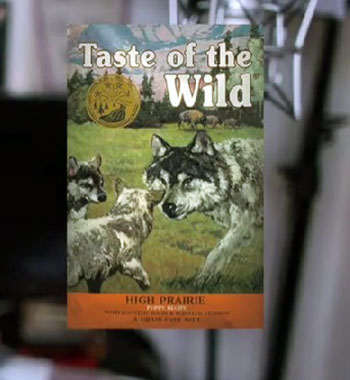
- Store Bags In A Cool, Dry Place: Keep opened bags in airtight containers to preserve freshness and prevent oxidation of fats. I use sealed bins in my pantry, and the kibble stays tasty for the full bag life.
- Transition Slowly Over Seven To Ten Days: Mix increasing amounts of the new food with the old one to avoid stomach upset. This method worked well for my dogs and minimized loose stools.
- Measure Portions Accurately Based On Weight And Activity: Use the feeding guide on the bag but adjust for your dog’s metabolism. My active dog needs slightly more than the average recommendation to maintain weight.
- Provide Fresh Water At All Times: High-protein diets increase thirst, so clean bowls daily encourage proper hydration and support kidney health.
- Rotate Flavors Periodically For Nutrient Variety: Switching between High Prairie and Pacific Stream every few months gives a broader nutrient profile without full brand changes.
- Monitor Coat, Energy, And Stool Quality Weekly: Note any changes early so you can tweak amounts or consult your vet if needed.
- Avoid Free-Feeding To Prevent Overeating: Set regular meal times to control calories, especially with palatable roasted meat flavors.
- Check For Recalls On The Brand Website: Stay informed about any updates, though Taste of the Wild has maintained a generally solid safety record.
- Supplement With Joint Support If Needed For Large Breeds: Add vet-approved glucosamine if your dog shows stiffness, even though the base food provides good basics.
- Clean Feeding Bowls After Each Meal: This prevents bacterial buildup and keeps mealtimes hygienic.
My Experience With Fromm
I introduced Fromm to my senior Golden mix when she started showing minor joint stiffness. The Large Breed Adult Gold formula with added glucosamine supported her mobility while the probiotics kept digestion smooth.
She enjoyed the chicken-based taste mixed with cheese notes, and her energy stayed steady without weight gain when portions were controlled.
The variety of lines let me fine-tune as she aged, moving to senior options seamlessly. Coat shine improved, and vet visits for skin issues dropped. One minor adjustment came when transitioning from a grain-free food, but a slow mix solved it quickly.
Fromm became my go-to for its thoughtful nutrition and reliability. I appreciate the family-owned aspect that shows in consistent quality. For households with dogs at different stages, the options simplify shopping and feeding routines. My dogs look and feel their best on Fromm, making the investment worthwhile.
Pros Of Fromm
- Family-Owned Quality With Consistent Standards: Fromm operates as a fifth-generation business with controlled production. This attention shows in reliable batch quality and fresh-feeling kibble that my dogs always finish eagerly.
- Wide Range Of Life Stage And Breed Formulas: Options cover puppies, adults, seniors, and large breeds with joint support. The Gold and Four-Star lines let me pick exactly what my dogs need at each age without guessing.
- Inclusion Of Real Cheese And Eggs For Palatability: Wisconsin cheese adds a savory touch that picky eaters adore. Combined with whole eggs, it boosts protein and makes meals more appealing than plainer kibbles.
- Both Grain-Inclusive And Grain-Free Choices: You can choose whole grains like brown rice and barley for balanced carbs or go grain-free when preferred. This versatility helped me adapt when veterinary advice shifted for one of my dogs.
- Probiotics And Omegas For Daily Wellness: Added probiotics support regular digestion, while omegas promote healthy skin and a shiny coat. My senior dog showed improved coat quality after consistent feeding.
- Added Taurine For Heart Support: Many recipes include taurine, giving extra peace of mind for long-term feeding.
- Human-Grade Ingredient Feel: The use of real meats, fruits, and vegetables creates a wholesome profile. I feel good serving food that sounds like actual meals rather than processed bits.
- Variety In Protein Sources Across Lines: Chicken, duck, lamb, fish, and more allow rotation to prevent sensitivities. The Four-Star line excels at offering multiple proteins in one recipe for broader nutrition.
- Support For Healthy Weight And Joints: Lower-calorie options and glucosamine in certain formulas help manage weight and mobility in older or larger dogs.
- Strong Reputation For Positive Health Outcomes: Many owners, including me, report fewer allergies and steady energy when using Fromm long-term.
Cons Of Fromm
- Higher Price Point Compared To Some Premium Brands: The quality comes at a cost, which adds up for multiple dogs or large breeds. I budget carefully when stocking up on bigger bags.
- Some Recipes Higher In Carbohydrates: Grain-inclusive lines use rice and barley, which suit many dogs but may not fit low-carb preferences.
- Limited Availability In Certain Areas: Not every store carries the full range, so I sometimes order online and plan ahead.
- Potential Adjustment For Dogs Used To Grain-Free Only: Switching to grain-inclusive formulas can require a slow transition to avoid temporary digestive changes.
- Portion Control Important Due To Density: Some formulas are calorie-dense, so overfeeding leads to weight gain if not measured properly.
- Fewer Extremely Novel Proteins Than Competitors: While variety exists, it relies more on common meats with added cheese rather than exotic wild options.
Maintenance Tips For Fromm
- Use Airtight Storage To Maintain Freshness: Transfer kibble to sealed containers right after opening to lock in flavors and nutrients. I keep mine in a cool pantry spot away from sunlight.
- Follow Life-Stage Specific Feeding Guidelines: Match the formula to your dog’s age and adjust as they grow or age. This keeps nutrition optimal without guesswork.
- Incorporate Wet Food Or Toppers For Variety: Mix in Fromm wet recipes or fresh toppers to boost hydration and interest, especially for seniors.
- Weigh Your Dog Monthly To Adjust Portions: Track weight changes and tweak amounts to maintain ideal body condition.
- Rotate Within Fromm Lines Safely: Switch between Gold and Four-Star varieties every couple of months for nutrient diversity while staying with the brand.
- Ensure Constant Access To Fresh Water: Probiotics and proteins work best with good hydration.
- Schedule Regular Vet Check-Ups While Feeding: Discuss how the food performs and make changes if bloodwork suggests any tweaks.
- Clean Bowls Daily And Avoid Leaving Food Out: This prevents spoilage and encourages good eating habits.
- Add Joint Supplements If Using For Large Breeds: Combine with vet-recommended products for extra mobility support.
- Observe Stool Consistency And Coat Condition: These indicators show if the current formula suits your dog perfectly.
Comparison With Other Brands
Taste Of The Wild Versus Blue Buffalo: Both use natural ingredients and real meats, but Taste of the Wild often edges out with higher protein from novel sources and a more affordable price. Blue Buffalo adds LifeSource bits, yet some dogs prefer the simpler Taste of the Wild texture.
Taste Of The Wild Versus Acana: Acana focuses on regional ingredients and biologically appropriate ratios. Taste of the Wild feels more budget-friendly while still delivering strong meat content, though Acana may offer slightly better digestibility for some sensitive stomachs.
Taste Of The Wild Versus Orijen: Orijen emphasizes even higher fresh meat inclusion and lower carb levels. Taste of the Wild provides similar wild-inspired flavors at a lower cost, making it more accessible for everyday feeding.
Taste Of The Wild Versus Wellness Core: Wellness Core offers grain-free options with probiotics too. Taste of the Wild stands out for its unique protein varieties like bison, while Wellness sometimes includes more added supplements for specific health needs.
Taste Of The Wild Versus Nutrisource: Nutrisource provides good value with solid nutrition. Taste of the Wild wins on flavor appeal and novel proteins, though Nutrisource may have smaller feeding portions that stretch the bag further.
Taste Of The Wild Versus Merrick: Merrick uses grain-free recipes with real deboned meat. Taste of the Wild matches in quality but often costs less per pound, giving better daily value for multiple-dog homes.
Taste Of The Wild Versus Purina Pro Plan: Pro Plan has more veterinary-backed formulas for specific conditions. Taste of the Wild feels more natural and less processed, appealing to owners avoiding heavy science-diet approaches.
Read More: Comparison of Greenies And Minties
Frequently Asked Questions (FAQ)
It depends on your dog. Fromm often wins for variety and life-stage options, while Taste of the Wild excels with novel proteins and affordability. Try both through small bags to see what suits your pet best.
Yes, Taste of the Wild uses real named meats, avoids artificial additives, and adds probiotics for digestion. It earns strong ratings for premium nutrition without fillers.
Brands like Acana, Orijen, and FirstMate offer similar grain-free profiles with high meat content and natural ingredients at comparable quality levels.
Wellness Core, Merrick, and Nutrisource provide balanced recipes with probiotics and wholesome ingredients, matching Fromm’s customizable approach.
Conclusion
You now have a clear picture of how Taste of the Wild and Fromm stack up based on real features and my experiences. I lean toward Fromm when you want extensive customization across life stages and reliable grain options, especially for dogs needing joint or digestive support. Taste of the Wild shines if your dog craves bold wild-inspired flavors, novel proteins, and strong value in a high-protein package.Both brands deliver quality that beats basic supermarket foods, helping your dog maintain energy, shiny coats, and good digestion. Consider your dog’s age, activity level, sensitivities, and your budget before choosing. Many owners, myself included, rotate or test small amounts to find the perfect fit.
Recent Posts
● Interactive 5-Zone Interior & Exterior Paint Blueprint Paint Coverage Calculator: Gallons, Primer, Square Footage & Cost Tap any architectural surface zone on the blueprint...
If you want smooth, shiny hair without spending a fortune on a premium styling tool, the Ella Bella hair dryer may be worth considering.In these Ella Bella hair dryer reviews, I’ll look...