
I have spent years switching between different dog foods for my energetic Labrador mix, always hunting for the right balance of nutrition, taste, and value.
In this article, I compare Taste of the Wild and Royal Canin head-to-head based on my experiences and what I have learned from real feeding trials with my dogs.
You will see the strengths, weaknesses, and practical differences to help you decide what fits your furry friend best.
| Aspect | Taste of the Wild | Royal Canin |
| Protein Focus | High (often 25-32%), novel sources like bison, venison | Moderate (22-28%), often poultry or by-product meals |
| Grain Content | Mostly grain-free, uses peas/sweet potatoes | Grain-inclusive (corn, wheat, rice) |
| Target Users | Active dogs, allergy-prone, those seeking natural formulas | Dogs with specific health issues, breed/size needs, sensitive digestion |
| Price Range | Mid-premium | Premium to prescription-level |
| Vet Recommendation | Mixed, popular for general wellness | Strong, especially for medical conditions |
| Key Additives | Probiotics, antioxidants from fruits/veggies | Tailored nutrients, prebiotics for gut health |
Why I Started Comparing These Two Brands?
My first dog thrived on kibble that felt closer to nature, but when health concerns popped up, I turned to vet suggestions.
That pushed me toward Royal Canin for one pup with skin issues, while I kept Taste of the Wild for the other who needed energy.
Both delivered results, yet they approach dog nutrition differently. I evaluated them on ingredients, digestibility, long-term effects, and everyday performance.
Key Differences Between The Taste Of The Wild And Royal Canin
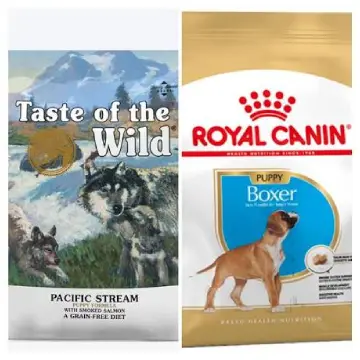
- Ingredient philosophy: Taste of the Wild leans into natural, limited-ingredient vibes with novel proteins, while Royal Canin uses more processed grains and by-products for consistency and affordability in larger bags.
- Protein quality and levels: TOTW generally packs more meat content upfront, supporting active lifestyles. Royal Canin balances with carbs for sustained energy but may feel less “meaty” to some.
- Allergy and sensitivity handling: Grain-free TOTW shines for grain allergies, but Royal Canin excels with hydrolyzed proteins for severe food sensitivities.
- Cost per serving: Royal Canin can run higher, especially prescription ones, but portion control and results sometimes justify it. TOTW offers strong value for premium natural food.
- Availability and support: Both are widely available, yet Royal Canin integrates more with vet clinics for monitoring health progress.
These differences shaped how I rotated foods seasonally—grain-free in summer for lighter digestion, targeted formulas during vet check-ups.
Key Features Of Taste Of The Wild
- High-quality animal proteins first: Recipes often lead with real meat or meals like duck, salmon, or bison, giving dogs the amino acids they need for muscle maintenance.
- Grain-free approach with ancient inspirations: They mimic wild canine diets using sweet potatoes and peas instead of grains, which many owners report helps with allergies and stool quality.
- Added superfoods and probiotics: Blueberries, raspberries, and chicory root bring antioxidants and gut support, making the food feel complete and thoughtful.
- Variety for life stages: Puppy, adult, senior, and performance formulas let you match your dog’s age and activity without big switches.
- No artificial junk: Free from artificial colors, flavors, or preservatives, appealing if you prefer cleaner labels.
In my home, the Pacific Stream formula kept coats shiny and energy high during hikes. The flavors seem to excite picky eaters, and the kibble size works well for medium to large breeds.
Pros Of Taste Of The Wild

- Excellent for active and outdoor dogs: The higher protein and fat content fueled my Lab’s endless zoomies without extra weight gain because the nutrient density supported sustained energy throughout long days of play and exercise rather than quick spikes and crashes from lower-quality sources.
- Shiny coat and healthy skin: Owners often notice improvements from omega fatty acids and natural antioxidants present in the recipes, leading to reduced scratching, softer fur, and fewer hot spots over several months of consistent feeding.
- Appealing taste and smell: Even finicky dogs clean their bowls, reducing waste and stress at mealtime since the roasted and smoked protein flavors mimic natural prey scents that trigger strong appetites.
- Transparent sourcing feel: Focus on real ingredients like roasted quail or smoked salmon makes it exciting to serve and gives confidence that the food aligns with ancestral canine needs without heavy reliance on fillers.
- Good value in bulk: Larger bags last well and provide nutrient density that supports overall vitality, making it cost-effective for multi-dog homes or active families when compared to frequent vet visits for diet-related issues.
- Supports muscle maintenance and recovery: The prominent animal protein sources help maintain lean body condition, which I saw in better muscle tone after hikes or play sessions.
- Variety reduces boredom: Multiple protein options prevent palate fatigue, allowing rotation that keeps meals fresh and exciting for dogs who tend to refuse the same food daily.
Cons Of Taste Of The Wild
- Potential heart concerns: Some grain-free formulas faced scrutiny over links to dilated cardiomyopathy (DCM), leading me to monitor taurine levels and occasionally add supplements because the high legume content in certain recipes raised questions about long-term cardiac health in predisposed breeds.
- Transition issues: The rich flavors can cause loose stools if switched too quickly, requiring a slow 7-10 day mix-in period to allow the digestive system to adjust gradually without upset.
- Higher legume content: Peas and lentils dominate some recipes, which not every dog tolerates equally well long-term and may contribute to gas or softer stools in sensitive individuals.
- Limited vet-specific options: Less tailored for complex medical conditions compared to clinical brands, meaning you might need to supplement or switch during illness or recovery phases.
- Occasional recalls or quality notes: Like many pet foods, past incidents remind you to stay updated on batch safety and check for any manufacturing updates that could affect trust.
- Price fluctuations: While generally good value, premium ingredients can make it more expensive during supply changes, impacting budgets for larger breeds.
- Not ideal for all senior dogs: The higher fat and protein might be too rich for very low-activity older pets, sometimes requiring portion adjustments or mixing with lighter options.
Key Features Of Royal Canin
- Breed and size-specific formulas: They offer options tailored to French Bulldogs, Labradors, or large breeds with unique jaw shapes and nutritional needs.
- Science-backed nutrition: Developed with veterinarians, these foods target issues like urinary health, weight management, or digestive sensitivity through precise nutrient balances.
- High palatability: Many dogs devour it right away, which helps during transitions or for seniors who lose appetite.
- Digestibility focus: Ingredients like rice and beet pulp support gentle digestion, ideal for dogs with tummy troubles.
- Prescription and health diets: Veterinary lines address serious conditions, giving peace of mind when your vet recommends something targeted.
I remember my dog’s skin clearing up noticeably after a few weeks on a Royal Canin sensitive skin formula. The consistency in quality across batches felt reliable.
Pros Of Royal Canin
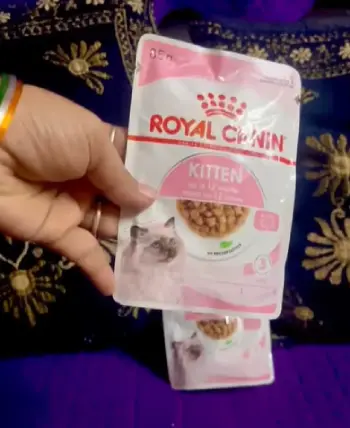
- Proven for health challenges: My senior dog with joint stiffness benefited from mobility-support formulas that included targeted joint nutrients, resulting in easier movement and better quality of life noticeable within weeks.
- Superior digestibility: Fewer digestive upsets, firmer stools, and better nutrient absorption in sensitive dogs because of carefully selected carbohydrate sources and prebiotics that promote gut balance.
- Breed-tailored support: The specific kibble shapes encourage chewing, aiding dental health and reducing gulping while addressing unique needs like brachycephalic jaw structures in certain breeds.
- Strong research foundation: Backed by extensive studies, giving confidence in consistent results across millions of dogs and reliable outcomes that vets can track through routine exams.
- Easy for picky or recovering dogs: High appeal helps maintain nutrition during illness or recovery phases, preventing weight loss when appetite naturally dips.
- Urinary and weight management excellence: Specialized lines help control pH levels or calorie density effectively, supporting long-term preventive care for common issues.
- Consistent quality control: Batch-to-batch reliability reduces the risk of sudden changes in stool quality or acceptance that sometimes occur with other brands.
Cons Of Royal Canin
- Lower meat emphasis: Many formulas start with grains or by-products, which some owners view as less ideal for obligate carnivores at heart and potentially less satisfying for dogs craving higher animal content.
- Higher carb content: Corn and wheat provide energy but may not suit every metabolism, especially in less active pets, sometimes leading to steadier but less dynamic energy levels.
- Premium pricing: It costs more per pound, stretching budgets for multi-dog households or long-term use without prescription necessity.
- Less “natural” appeal: Additives and processing feel more industrial to those seeking wild-inspired options, which can make label reading feel less straightforward.
- Dependency on vet guidance: Best results often come with professional input, which adds another layer of planning and potential costs for consultations.
- Kibble variety limitations: While breed-specific, the textures may not appeal universally, and some dogs take longer to accept the formulas compared to highly aromatic alternatives.
- Carb-heavy for some diets: The inclusion of grains can feel counterproductive for owners strictly avoiding them, requiring careful selection of specific lines.
My Real-User Experiences Feeding Both?

Feeding Taste of the Wild felt like giving my dogs a taste of adventure.
Their energy stayed steady on long walks, and I loved seeing fewer allergy symptoms during pollen season. One bag lasted about a month for my 70-pound dog, and the variety kept meals interesting.
Yet when my other dog developed mild heart murmur concerns, I shifted toward Royal Canin for its monitored nutrient profiles.
The transition took patience, but the stool quality and coat softness improved steadily.
I rotated between them strategically—using TOTW for maintenance and RC during vet-directed periods. Both brands delivered solid results, but neither was perfect alone.
Your dog’s age, breed, activity, and any health quirks should guide the choice more than brand loyalty.
Nutritional Breakdown And Long-Term Considerations
Taste of the Wild typically delivers higher crude protein and fat, suiting working or sporting dogs. The inclusion of fruits and veggies adds micronutrients naturally
. Royal Canin focuses on precise vitamin-mineral balances and digestibility metrics that vets track easily.
Over months, I noticed both supported healthy weights, but Royal Canin seemed gentler on older digestive systems.
I always recommend consulting your vet for tailored advice, especially with blood panels to check taurine or other markers.
Expanding on daily life, the kibble texture in TOTW holds up well in puzzle toys, providing mental stimulation.
Royal Canin’s smaller, specialized shapes work better for small breeds or dental care routines. In multi-pet homes, I found both brands compatible with wet toppers for extra hydration and flavor variety.
Also Read: Comparison Of Badlands Ranch And Sundays
Frequently Asked Question (FAQ)
It mainly involves grain-free formulas linked to potential heart issues like DCM in some dogs, plus past lawsuits about marketing and ingredients.
It depends on your dog. Taste of the Wild can be better for active dogs seeking high protein, while Royal Canin suits specific health needs.
Yes for many dogs due to quality proteins and nutrients, though monitor for grain-free concerns and consult your vet.
Class actions claim grain-free recipes were misrepresented as safe, potentially tied to heart conditions from high legumes.
Wrapping Up
After years of feeding both Taste of the Wild and Royal Canin, I see them as tools in a bigger toolkit rather than rivals.
You know your dog best—observe their energy, digestion, and happiness on the food. I encourage starting with vet input and small trials to find the sweet spot.
Whether you choose the wild-inspired adventure of Taste of the Wild or the precise science of Royal Canin, consistent quality care and love make the real difference for your companion.
What has worked for your dogs? Share your stories and keep experimenting responsibly.
Recent Posts
I tried Meltoway Hair Dissolving Cream because I wanted a quick way to deal with unwanted body hair without reaching for a razor every few days. If you are looking for a convenient at-home...
If you’re considering a saffron-based supplement to support mood, appetite control, and everyday wellness, Happy Saffron Plus is worth considering.I like that it takes a familiar botanical...