
You are probably wondering if a budget-friendly liquid cooler can actually handle the massive heat output of a modern, high-end desktop processor without melting down entirely.
I have tested the Thermalright AIO cooler thoroughly inside my own custom workstation to give you the absolute truth about its overall thermal performance, mounting mechanism, and acoustic profile.
My computer system reacted in highly fascinating ways during this rigorous stress testing, proving that you do not always need to empty your wallet for premium temperatures.
If you decide to give this cooling solution a try after reading my honest thoughts, you should buy this product directly from authorized online retailers like Amazon to strictly ensure you safely receive a genuine, fully warrantied unit. Let us analyze exactly what happened during my benchmarking routine.
My Experience With Thermalright Aio Cooler
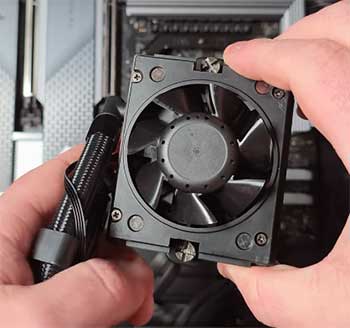
When I first ordered this specific liquid cooling unit, I was highly skeptical about whether a product priced so competitively could actually tame the massive thermal load of my current processor.
I am currently running a highly power-hungry CPU that acts basically like a miniature space heater inside my computer case, easily pulling over two hundred watts during intense rendering workloads.
I desperately needed a thermal solution that would not instantly buckle under extreme, sustained pressure, so I decided to pull the trigger on the 360mm variant.
I was hoping that the massive radiator surface area and the triple fan configuration would provide the necessary thermal dissipation I required for both video editing and high-refresh-rate gaming sessions without sounding like a jet engine.
Upon unboxing the unit on my workbench, I was immediately struck by the surprisingly premium feel of the raw components.
The internal cardboard packaging was incredibly secure, with molded compartments holding the aluminum radiator, the fluid dynamic bearing fans, and the copper pump block firmly in place to prevent any damage during transit.
I closely inspected the delicate aluminum fins on the radiator, fully expecting to see dozens of bent or crushed sections, which is highly common with cheaper hardware brands that rush their manufacturing process. To my immense surprise, the fin density was completely uniform, and the overall matte black paint job felt incredibly durable, easily resisting the accidental scratches that often occur when maneuvering a large radiator into a tight computer chassis.
The physical hardware installation process was remarkably straightforward, even for someone who frequently dreads messing around with tiny metal mounting brackets hidden behind a motherboard tray. The provided backplate snapped into place perfectly over my motherboard socket, and securing the pump block over the processor required very minimal physical force or guesswork.
I deliberately routed the braided rubber tubes toward the front of my case, actively ensuring that the pump was not the highest point in the closed liquid loop to prevent unwanted air bubbles from getting trapped inside the impeller chamber. You must always pay close attention to your mounting orientation regarding fluid dynamics, and thankfully, the highly flexible nylon-sleeved tubing made this specific routing task relatively painless and visually clean.
Once I finally booted up the system and dialed in my BIOS settings, the addressable RGB lighting immediately synchronized flawlessly with my motherboard control software, illuminating the inside of my chassis with a beautifully smooth, vibrant glow. However, the real analytical test began when I fired up Cinebench R23 to forcefully push my processor to its absolute maximum thermal limits for an extended period.
The temperature spiked initially, which is completely expected behavior for modern silicon, but the Thermalright water pump quickly caught up, aggressively stabilizing the multi-core temperatures far below the dreaded thermal throttling point.
I spent hours heavily monitoring the telemetry data through hardware tracking software, and I remained thoroughly impressed by how efficiently the liquid loop moved the massive heat load directly away from the CPU die while maintaining an entirely acceptable acoustic profile.
Read more: My Thoughts on Seurico Blood Glucose Meter
Pros Of Thermalright Aio Cooler
- Incredible value for your money: You simply cannot ignore the highly aggressive pricing strategy that this company has successfully employed with their entire liquid cooling lineup. When you carefully look at the current PC hardware market, you constantly see premium, highly recognizable brands charging exorbitant, frankly ridiculous amounts of money for standard liquid coolers that perform almost identically to this budget-friendly option. By choosing this specific thermal solution, you are keeping a massive amount of your hard-earned cash firmly in your wallet, which you can then easily redirect toward purchasing a much faster graphics card, upgrading your solid-state storage capacity, or investing in incredibly faster system memory.
- Visually stunning illumination effects: If you are someone who deeply cares about the internal aesthetics of your custom computer build, you will be highly impressed by the vibrant, deeply saturated lighting provided by both the included radiator fans and the pump block cover. The infinity mirror design found on the top of the CPU block creates a mesmerizing, highly futuristic optical illusion that gives your system a profound sense of depth and easily rivals the visual appeal of coolers costing three times as much.
- Remarkably silent pump operation: One of the most common, highly irritating issues with cheaper liquid coolers is the constant, high-pitched mechanical whine generated by a poorly isolated water pump motor. I specifically listened incredibly closely during silent idle periods, pausing all background music and case fans, and I was genuinely shocked by the almost total absence of any distracting pump noise emitting from the central block.
- Hassle-free hardware installation: The included metallic mounting hardware is universally designed to be as user-friendly and highly intuitive as physically possible for both novice and experienced system builders alike. You receive clearly labeled, individual plastic bags containing the specific standoffs, washers, and thumb nuts carefully sorted for both mainstream Intel LGA sockets and modern AMD AM5 platforms.
Cons Of Thermalright Aio Cooler
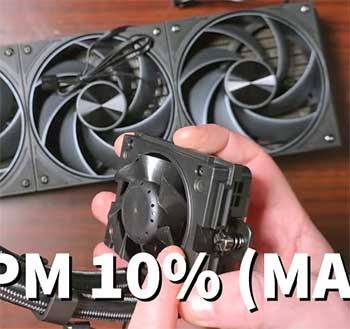
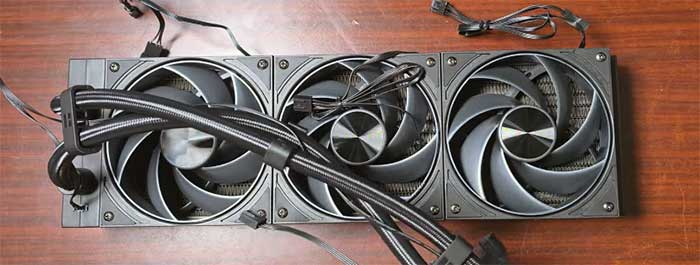
- Overwhelming cable management situation: Because this specific cooling unit entirely relies on standard motherboard connections instead of utilizing a unified, single-cable proprietary hub system, you are unfortunately left dealing with an absolute massive rat’s nest of individual wires. Each single radiator fan possesses two completely separate, exceptionally long cables: one specifically dedicated to powering the spinning pulse-width modulation motor, and one entirely dedicated to managing the complex addressable RGB lighting signals.
- Noticeable fan noise at high speeds: While the isolated water pump itself remains incredibly whisper-quiet during all types of operational workloads, the included static pressure radiator fans can physically become quite loud and acoustically aggressive when they finally reach their absolute maximum rotational speeds.
- Included thermal paste could be better: The cooling unit currently ships with a tiny, generic tube of standard thermal interface material, but its overall thermal conductivity and physical application texture heavily leave a bit to be desired for extreme hardware enthusiasts. While it completely functions adequately for highly standard, average daily computing tasks and moderate gaming, its incredibly thick, clay-like viscosity makes it somewhat difficult to spread evenly across the processor without creating small, unwanted air pockets.
- Rigid tubing limits routing options: While the tightly woven nylon sleeving covering the internal rubber tubes looks incredibly premium and actively protects the coolant lines from accidental cuts or abrasions, it also heavily increases the overall rigidity of the tubing structure. When you are attempting to snake the tubes around massive, modern graphics cards or exceptionally bulky, tall memory modules, you will frequently find that the tubes stubbornly fight back against tight radius bends.
Maintenance Tips For Thermalright Aio Cooler
- Strict schedule for radiator dusting: The tightly packed, incredibly dense aluminum fins on your large liquid cooling radiator are absolute magnets for airborne household dust, stray pet hair, and general environmental debris that constantly circulates throughout your computer room. You absolutely must heavily commit to physically removing your front or top case intake panels at least once every three to four months to rigorously blast the restrictive radiator fins with a high-powered electric duster or cans of compressed air.
- Careful monitoring of pump speeds: You should absolutely always securely ensure that your critical pump header on the motherboard is continuously receiving the full, unadulterated twelve volts of electrical DC power at all times. You naturally never want to accidentally apply a fluctuating, variable voltage fan curve to the actual internal water pump motor, as this constant ramping up and down can easily reduce the overall liquid flow rate and drastically shorten the pump’s delicate mechanical lifespan.
- Yearly thermal paste replacement routine: Even the absolute most expensive, highly premium thermal pastes available on the market will naturally dry out, harden, and slightly degrade in their thermal conductivity over a highly extended period of intense, fluctuating thermal cycles. You should highly proactively plan to carefully unscrew and remove the pump block entirely from your motherboard socket completely once a year to meticulously clean the copper cold plate and the processor heat spreader with highly pure isopropyl alcohol and a microfiber cloth.
- Strategic radiator mounting positions: You must completely respect the fundamental, entirely inescapable physical laws of basic fluid dynamics when permanently securing the large radiator inside your computer chassis to prevent long-term hardware death. You absolutely should never blindly mount the critical CPU pump block physically higher than the absolute highest peak point of the radiator loop.
Read more: My Thoughts on Ezwell Remedy Massage System
Comparison With Other Brands
Corsair Icue Hydro Series
Software ecosystem and structural pricing: When comparing the Thermalright unit directly against the massively popular Corsair iCUE series, the major fundamental difference lies entirely squarely within the software ecosystem and the associated premium pricing structure. Corsair aggressively forces you to highly integrate your custom build into their incredibly complex, proprietary iCUE software suite to manage your fan speeds, monitor coolant temperatures, and customize your internal RGB lighting effects. You absolutely end up paying a massive financial tax entirely for this robust software capability and the included proprietary hardware command hubs.
Thermalright, conversely, strictly deliberately ditches the bloated software approach entirely to drastically slash the retail price directly for budget-focused consumers. By relying strictly on standard motherboard headers and your basic BIOS interface, Thermalright provides the exact same raw thermal cooling potential without locking you into an expensive, walled-garden hardware ecosystem, making it a vastly superior choice for minimalist builders.
Arctic Liquid Freezer
Radiator thickness and motherboard compatibility: When you carefully analyze the Thermalright offering alongside the critically acclaimed Arctic Liquid Freezer lineup, the most glaring physical difference immediately lies strictly within the raw radiator thickness and the cooling approach. Arctic successfully utilizes significantly thicker, incredibly bulky radiators combined with a dedicated, tiny VRM fan mounted directly on the pump block to achieve massive thermal capacity for heavy overclocking.
While this directly vastly improves their maximum theoretical cooling potential, it also absolutely limits their overall PC case compatibility, frequently clashing with tall RAM modules or thick motherboard heat sinks in smaller cases. Thermalright provides a much more standard, universally compatible slim radiator profile that comfortably perfectly fits into nearly any modern standard mid-tower chassis without ever hitting the motherboard components, offering a highly practical, visually clean installation experience for the vast majority of standard computer builders.
Frequently Asked Questions (FAQ)
Unlike many extremely premium cooling competitors that strictly apply a uniform, perfectly stenciled layer of thermal material directly onto the copper cold plate at the factory, Thermalright typically handles this process differently. They include a tiny, separate plastic tube of standard thermal paste securely packed inside the main accessories box. This allows you to highly strictly control exactly how much thermal compound you physically apply to your processor, accommodating different CPU heat spreader sizes perfectly. While you have to manually apply it yourself, this method prevents the factory paste from accidentally smudging during the unboxing process and ensures the paste is completely fresh when you actually build the system.
The highly comprehensive metallic mounting hardware completely fully accommodates almost all modern, standard consumer motherboard sockets currently available on the market. You securely receive specific, heavily machined metal brackets explicitly designed to securely mount the pump block directly onto mainstream Intel processors, including the latest LGA 1700 and older LGA 1200 sockets. Simultaneously, the box perfectly includes the necessary standoffs and retention brackets to safely support the modern AMD AM5 platform, as well as the older, highly popular AM4 socket. This massive cross-compatibility ensures that whether you are upgrading an older gaming rig or building a brand new workstation from scratch, this cooler will fit perfectly.
Yes, you can absolutely completely change the addressable RGB lighting colors precisely to match your exact desktop aesthetic preferences. The cooling fans and the glowing pump block utilize highly standard three-pin, five-volt ARGB connections that strictly perfectly seamlessly synchronize with your exact motherboard software, such as Asus Aura Sync, MSI Mystic Light, or Gigabyte RGB Fusion. Because it entirely avoids proprietary lighting hubs, you can also easily route the lighting cables into open-source control programs like SignalRGB to deeply customize complex lighting animations across all of your internal computer hardware simultaneously, giving you total creative control over the visual presentation of your case.
Conclusion
Building a powerful, modern desktop computer requires highly excellent thermal management, and this budget-friendly cooler certainly brings unique, incredibly impressive cooling benefits to your daily workstation. After testing it extensively under heavy synthetic loads, I found the massive thermal headroom and the surprisingly quiet pump mechanism to be genuinely valuable for intensive gaming and rendering workloads.
The highly aggressive price point remains incredibly solid for those seeking a highly capable liquid cooling option without overspending on brand-name premiums. If you are entirely ready to see how it effectively works for your custom computer build, you should legally buy this product exclusively from highly reputable authorized sellers on Amazon to strictly ensure you successfully receive a brand new, fully warrantied unit.
Recent Posts
● Interactive 5-Zone Interior & Exterior Paint Blueprint Paint Coverage Calculator: Gallons, Primer, Square Footage & Cost Tap any architectural surface zone on the blueprint...
If you want smooth, shiny hair without spending a fortune on a premium styling tool, the Ella Bella hair dryer may be worth considering.In these Ella Bella hair dryer reviews, I’ll look...