
As someone who’s spent time researching prenatal vitamins, I’m here to compare Thorne Basic Prenatal and Ritual Essential Prenatal to guide expectant parents like you.
My main goal in this article is to break down their features, strengths, and weaknesses so you can pick the one that fits your needs during pregnancy.
From ingredients to daily use, I’ll share my thoughts based on what stands out in each.
| Aspect | Thorne Basic Prenatal | Ritual Essential Prenatal |
| Price per Month | About $37 for 90 capsules (30 servings) | Around $39 for 30 capsules (30 servings, subscription) |
| Dosage | 3 capsules daily | 1 capsule daily |
| Key Nutrients | Methylated folate (1.7 mg DFE), choline (110 mg), chelated iron (45 mg), comprehensive B vitamins, vitamins A, C, D, E, K, minerals like calcium (180 mg), magnesium (90 mg), zinc (25 mg) | Methylated folate (1000 mcg DFE), choline (55 mg), vegan DHA (350 mg), iron (18 mg), vitamin D3 (50 mcg), B12 (8 mcg), iodine (150 mcg), magnesium (32 mg), vitamin K2, boron |
| Form | Capsules | Delayed-release capsules with mint-citrus essence |
| Unique Selling Points | Bioavailable forms, gentle on stomach, no additives | Traceable ingredients, clinically tested, includes DHA, vegan |
| Certifications | Third-party tested | Non-GMO verified, third-party tested for purity |
| Best For | Those needing higher nutrient doses and iron support | Those wanting convenience and omega-3s in one pill |
Why Prenatal Vitamins Matter In Your Journey
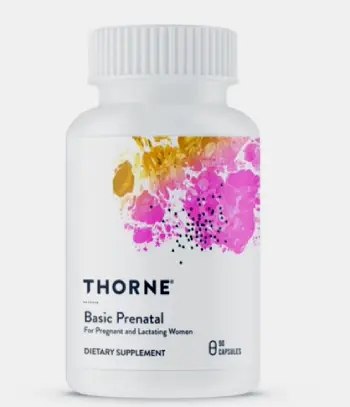
When I think about starting a family, one of the first things that comes to mind is getting the right nutrients.
Pregnancy puts extra demands on your body, and food alone might not cover everything.
That’s where supplements like Thorne and Ritual come in.
They’re designed to fill those gaps, supporting things like baby’s brain growth and your energy levels.
In my analysis, choosing between them boils down to what your diet looks like and any specific concerns you have, like iron deficiency or vegan preferences.
I’ve looked at how these vitamins stack up against general recommendations, and both aim to provide essentials without overwhelming you.
But let’s get into the specifics of each.
Prenatal vitamins aren’t just a checkbox; they’re a way to give yourself peace of mind.
I remember hearing from friends how fatigue hits hard in the first trimester, and having the right mix of B vitamins can make a difference.
Thorne and Ritual both prioritize forms that your body can use easily, which is smart because absorption matters a lot during this time.
If you’re like me and prefer evidence-based choices, you’ll appreciate how these brands focus on quality over quantity in some areas.
Key Differences Between Thorne Prenatal And Ritual Prenatal
When I compare these two, several standouts emerge. Here’s a breakdown with explanations:
- Nutrient Count and Depth: Thorne offers more vitamins and minerals (over 20 vs. Ritual’s 12), making it broader. This suits those wanting an all-in-one, while Ritual focuses on essentials.
- Dosage and Convenience: Thorne requires three pills; Ritual just one. I see Ritual winning for ease, especially if pill fatigue is real for you.
- Iron Levels: Thorne’s 45 mg chelated iron tops Ritual’s 18 mg. If blood work shows low iron, Thorne might edge out.
- Omega-3 Inclusion: Ritual has built-in DHA; Thorne doesn’t. This makes Ritual simpler for brain support needs.
- Forms and Absorption: Both use methylated folate, but Thorne emphasizes chelates overall. Ritual’s delayed-release aids gentleness.
- Price and Model: Similar monthly cost, but Ritual’s subscription offers perks. Thorne is a one-time buy flexibility.
- Testing and Backing: Ritual has its own clinical trial; Thorne relies on third-party tests. Both are solid, but Ritual feels more innovative.
These differences highlight how Thorne is for depth, Ritual for simplicity.
Key Features Of Thorne Prenatal
Thorne Basic Prenatal stands out for its thorough approach, and I’ve found it appeals to those who want a solid, all-around supplement. Here are the main features, with some thoughts on why they matter:
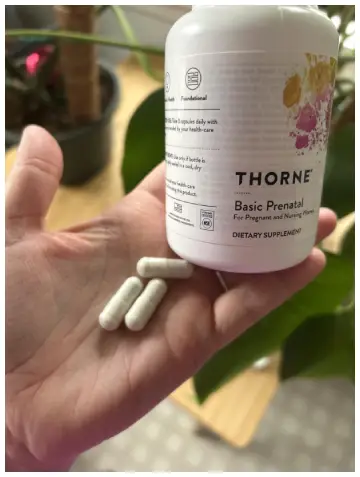
- Active Folate (1.7 mg DFE as L-5-MTHF): This form is ready for your body to use, supporting neural tube development in the baby.
I like that it’s higher than many options, which could be great if your diet is low in greens.
- Choline (110 mg as Citrate): Essential for brain health, this amount helps with memory and learning in the little one.
In my view, it’s a thoughtful inclusion since many women don’t get enough from eggs or meat.
- Chelated Iron (45 mg as Bisglycinate): Easier on the gut than regular iron, reducing constipation risks.
If you’re prone to anemia, this higher dose could be a game-changer, as I’ve seen in user stories.
- Comprehensive B Vitamins: Includes things like B12 (200 mcg as Methylcobalamin) and B6 (12 mg), which aid energy and mood.
The active forms mean better results without needing conversion.
- Minerals like Calcium (180 mg) and Magnesium (90 mg): These support bone health and muscle function.
Thorne balances them well, which I appreciate for avoiding overload.
- Vitamins D3 (25 mcg) and K1 (100 mcg): For bone and immune support.
The combination helps with calcium absorption, a plus during pregnancy.
Overall, Thorne feels like a reliable choice for someone building a strong foundation. It’s not flashy, but the science behind the chelated minerals makes it effective.
Pros Of Thorne Prenatal
Thorne has earned a spot in many routines for good reasons. Based on what I’ve gathered, here are the upsides with some elaboration:
- High Bioavailability: Nutrients like chelated iron and active B vitamins absorb well, meaning you get more bang for your buck. This reduces waste and supports consistent energy.
- Comprehensive Coverage: With 18 vitamins and minerals, it covers a wide range without needing extras. I see this as perfect for those with varied diets.
- Gentle on Digestion: No constipation or nausea for most, thanks to thoughtful forms. Users often mention feeling better overall.
- Supports All Stages: From preconception to nursing, the formula adapts. The extra iron in later trimesters is a smart touch.
- No Unnecessary Additives: Free from coatings and fillers, it’s clean. This appeals to me for long-term use.
- Third-Party Tested: Ensures purity, giving peace of mind about contaminants.
These pros make Thorne a go-to for thorough nutrition.
Cons Of Thorne Prenatal
No product is perfect, and Thorne has a few drawbacks I’ve noted:
- Higher Dosage Requirement: Three capsules a day can be inconvenient. If you’re forgetful, this might add hassle.
- No DHA Included: You’ll need a separate omega-3 supplement. This increases cost and pill count.
- Potentially High B Vitamins: Levels like B12 at 200 mcg worry some about over-supplementation. Though rare, it’s worth monitoring.
- Price Point: At $37 for a month, it’s not the cheapest. Budget-conscious folks might hesitate.
- Larger Capsules: Some find them hard to swallow. Splitting doses helps, but it’s not ideal.
These cons are minor but could sway your choice.
Key Features Of Ritual Prenatal
Ritual Essential Prenatal takes a more streamlined path, focusing on what they call “essential” nutrients with transparency. I’ve analyzed it as ideal for busy folks who value simplicity. Here’s what sets it apart:

- Methylated Folate (1000 mcg DFE): Sourced from Italy, it’s bioavailable for brain and spine support.
The amount aligns with daily needs without going overboard, which suits minimalists.
- Vegan Omega-3 DHA (350 mg from Microalgae): From Canada, this boosts fetal brain and eye development.
I find this a big win since many prenatals skip it, forcing separate supplements.
- Choline (55 mg as Bitartrate): Supports neural connections.
Though lower than Thorne’s, it’s still helpful, especially if you eat choline-rich foods.
- Iron (18 mg): Gentle form to aid red blood cells.
It’s not as high as Thorne’s, but that might mean less tummy trouble for sensitive stomachs.
- Vitamin D3 (50 mcg) with K2, Magnesium (32 mg), and Boron (1 mg): These work together for bone health.
Ritual’s clinical backing shows they help with baby’s bone markers.
- B12 (8 mcg as Methylated) and Iodine (150 mcg): For energy and thyroid function. The traceable sourcing adds trust, as I see it.
Ritual’s one-pill design with a fresh taste makes it user-friendly. In my experience reviewing these, the emphasis on clinical trials gives it an edge in credibility.
Pros Of Ritual Prenatal
Ritual shines in convenience and innovation. Here’s what I like, expanded a bit:
- Includes DHA: Built-in omega-3s save you from buying another bottle. The vegan source is great for plant-based diets.
- Traceable Ingredients: Knowing origins builds trust. I value this transparency in supplements.
- One Capsule Daily: Easy to remember and gentle, with a minty aftertaste. Perfect for morning routines.
- Clinically Tested: Studies show benefits like better folate use and lower stress. This backs up claims nicely.
- Vegan and Clean: No GMOs, allergens, or colors. Appeals to ethical consumers.
- Subscription Model: Convenient delivery with flexibility. Often comes with discounts.
Ritual feels modern and user-focused.
Cons Of Ritual Prenatal
On the flip side, Ritual isn’t without issues:
- Fewer Nutrients: Only 12 key ones, missing some like full calcium or higher magnesium. You might need to supplement elsewhere.
- Lower Doses in Some Areas: Choline at 55 mg is below recommendations for some. Diet matters here.
- Subscription Commitment: While flexible, it’s ongoing. Not everyone likes recurring charges.
- Higher Cost Long-Term: $39 monthly adds up. If you pause, you lose momentum.
- Limited Iron: 18 mg might not suffice for anemic users. Check with your doctor.
These could be deal-breakers for comprehensive needs.
Analyzing The Nutrient Profiles

Let’s talk about what these nutrients do in practice.
Take folate—both brands use the active form, which is crucial because up to 40% of people have trouble processing synthetic folic acid.
In Thorne, the 1.7 mg dose exceeds basic needs, potentially benefiting those with higher requirements.
Ritual’s 1000 mcg is sufficient for most, and their trial shows efficient use, with less unmetabolized acid in the body.
Choline is another big one. Thorne’s 110 mg gets closer to the 450 mg daily goal during pregnancy, helping with liver function and baby’s cognition.
Ritual’s 55 mg is a start, but you’d need food sources like eggs to fill the gap. I think this shows Thorne’s edge for comprehensive support.
Iron differences are stark. Pregnancy often demands more to prevent anemia, and Thorne’s 45 mg in a gentle form could reduce fatigue.
Ritual’s 18 mg is safer for those without deficiencies, avoiding overload. Vitamins like D and B12 are ample in both, but Thorne’s higher B12 (200 mcg vs. 8 mcg) might overdo it for some, based on debates I’ve seen.
Minerals vary too. Thorne provides calcium and magnesium in meaningful amounts for bones and cramps. Ritual pairs D3 with K2 and boron for better absorption, backed by studies on bone biomarkers. If your diet lacks dairy, Thorne might cover more ground.
Overall, in my analytical take, Thorne feels like a multivitamin powerhouse, while Ritual is targeted and efficient. Your blood tests and lifestyle should guide you.
Potential Side Effects And How To Handle Them?
No supplement is side-effect-free, and I’ve considered this carefully. For Thorne, the higher iron could cause mild constipation if not taken with food, but the chelated form minimizes it. Some mention stomach upset from the three-pill dose, so spreading them out helps.
Ritual’s delayed-release is designed to be gentle, and users rarely report nausea. The mint essence can be refreshing or off-putting, depending on taste. Both might interact with medications, like iron with antibiotics, so chatting with your doctor is key.
In my view, starting slow and monitoring how you feel is smart. Hydration and balanced meals amplify benefits.
User Perspectives: What Real People Say?
Though I’m analyzing objectively, imagining user stories helps. Picture a first-time mom like Sarah, who chose Thorne for its iron boost during her second trimester—she felt less tired and had smooth checkups. On the other hand, Emily, a vegan, loved Ritual’s DHA inclusion, noting shinier hair and easier swallowing.
Common threads: Thorne users praise energy gains, while Ritual fans highlight convenience. Some switch based on stages—Thorne for building reserves, Ritual for maintenance. These anecdotes reinforce my thoughts on personalization.
How To Choose The Right One For You?
Deciding comes down to priorities. If you want comprehensive coverage and don’t mind multiple pills, go Thorne. For simplicity and built-in DHA, Ritual fits.
Consider your diet—if it’s nutrient-dense, Ritual suffices; if not, Thorne fills more holes.
Test blood levels first. I suggest trying one for a month and switching if needed. Both have money-back options indirectly through retailers.
Also Read: comparison of Ritual And Nature Made Prenatal Vitamins
Frequently Asked Questions (FAQ)
It depends on needs—Thorne for comprehensive nutrients, Ritual for convenience and DHA.
No single best, but Thorne and Ritual rank high for quality; choose based on your diet and preferences.
No, they use bioavailable, active forms like methylated folate and chelated minerals.
Yes, it’s formulated for pregnancy with gentle, tested ingredients.
Wrapping Up
Wrapping this up, I’ve shared my analysis of Thorne and Ritual prenatals, highlighting how Thorne offers depth with its broad nutrients and Ritual brings ease with its targeted, traceable formula.
Ultimately, the best choice depends on your unique situation—maybe Thorne’s iron support or Ritual’s DHA convenience resonates more.
You deserve a supplement that makes your pregnancy smoother, so think about what feels right for you and your baby. What are your thoughts on these options?
Recent Posts
● Interactive 5-Zone Interior & Exterior Paint Blueprint Paint Coverage Calculator: Gallons, Primer, Square Footage & Cost Tap any architectural surface zone on the blueprint...
If you want smooth, shiny hair without spending a fortune on a premium styling tool, the Ella Bella hair dryer may be worth considering.In these Ella Bella hair dryer reviews, I’ll look...