
As someone who’s spent countless hours battling laundry disasters in my own home, I want to share my analysis of Tide Rescue and OxiClean.
These two popular stain removers promise to save your clothes from everyday messes, but which one truly delivers?
In this article, I’ll break down their features, differences, pros, and cons to help you pick the right one for your laundry routine.
| Feature | Tide Rescue | OxiClean |
| Form | Spray bottle | Powder |
| Active Ingredient | Peroxide-based Oxi formula | Sodium percarbonate (oxygen-based) |
| Primary Use | Spot treatment on fabrics, upholstery, carpets | Laundry booster, soaking, versatile cleaning |
| Application | Spray directly, let sit, wash | Mix with water, soak or add to wash |
| Color Safety | Safe for most colors | Chlorine-free, color-safe |
| Versatility | Clothes, home surfaces, pet messes | Laundry, grout, outdoor items |
| Average Price (22 oz) | Around $5-7 | Around $8-10 for 7 lb tub |
| Effectiveness on Tough Stains | High for grease, blood, wine | Excellent for set-in stains, odors |
Understanding How These Stain Removers Work
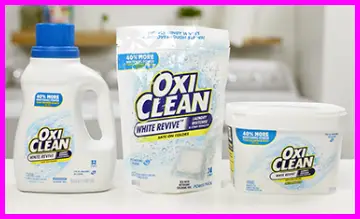
I’ve always been fascinated by the science behind keeping clothes looking fresh.
Tide Rescue relies on a peroxide-based formula that releases oxygen to break down stains at a molecular level.
When I spray it on a fresh coffee spill, it starts fizzing almost immediately, lifting the discoloration without much effort.
It’s like having a quick-response team for accidents.
OxiClean, on the other hand, uses sodium percarbonate, which is essentially a powdered form of hydrogen peroxide mixed with soda ash.
This creates a bubbling action when activated with water, helping to emulsify oils and lift dirt.
In my experience, it’s more about patience—mixing it into a paste or soak solution gives it time to penetrate deeper layers of fabric.
Both harness oxygen power, but the delivery differs.
Tide Rescue is my go-to for immediate fixes, while OxiClean shines in planned laundry sessions.
If you’re like me and often forget about stains until laundry day, understanding this can change how you approach cleaning.
Key Differences Between Tide Rescue And Oxiclean
From my tests and observations, these products aren’t interchangeable. Here’s what sets them apart:
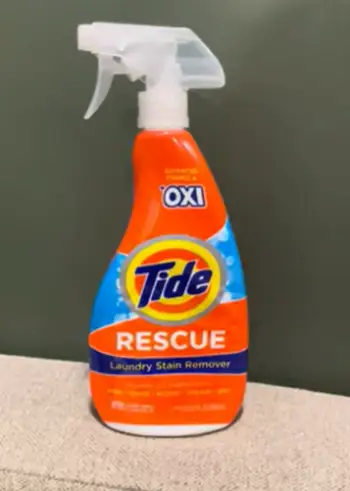
- Form And Ease Of Use: Tide Rescue comes in a handy spray bottle, making it simple to target specific spots without measuring or mixing.
I can grab it mid-dinner party if someone spills red sauce.
OxiClean’s powder requires dissolving in water, which adds a step but allows for customizable strength in larger batches.
- Speed Of Action: Tide Rescue works faster for on-the-spot treatments—I’ve seen it tackle fresh grass stains in minutes.
OxiClean needs longer soaking times, often hours, to fully activate, which is ideal for reviving old workout gear but not for quick emergencies.
- Versatility Across Surfaces: While both handle fabrics well, Tide Rescue extends to upholstery and carpets, saving me from separate cleaners.
OxiClean goes further into home tasks like grout or patio furniture, turning it into a multi-room hero in my household.
- Scent And Residue: Tide Rescue has a mild, fresh scent that doesn’t linger, and it rinses clean easily.
OxiClean can leave a slight powdery residue if not fully dissolved, though its unscented versions appeal to those sensitive to smells, like I am on allergy days.
- Cost Efficiency: For small households like mine, Tide Rescue’s per-use cost feels lower since I don’t waste product.
OxiClean’s bulk packaging makes it cheaper long-term for frequent users, but it might expire before I finish a tub.
These distinctions have shaped how I stock my laundry room—quick fixes versus deep cleans.
Key Features Of Tide Rescue
Tide Rescue has become a staple in my cleaning arsenal for its practical design. Let’s look at what makes it stand out:
- Peroxide-Based Oxi Formula: This core feature generates oxygen bubbles to oxidize and lift stains without harsh chemicals.
I’ve used it on everything from berry juice to motor oil, and it rarely disappoints.
- Multi-Surface Compatibility: Not limited to laundry, it works on pet bedding, car seats, and even shoes.
As a pet owner, this saves me time switching products during cleanups.
- Color-Safe and Fabric-Friendly: It won’t fade dyes or damage delicate materials.
I’ve pretreated silk blends without issues, which gives me peace of mind.
- Trigger Spray Applicator: The ergonomic bottle allows precise application, reducing mess.
I appreciate how it prevents over-spraying on small areas.
- Phosphate-Free Composition: Environmentally conscious without sacrificing power.
In my eco-focused routines, this aligns well with sustainable habits.
These elements make Tide Rescue feel like an everyday essential rather than a specialty item.
Pros Of Tide Rescue
I’ve put Tide Rescue through its paces, and it excels in several areas:
- Quick and Convenient Application: The spray format means no prep time—just point and shoot. Perfect for my busy mornings when kids’ clothes need fast fixes.
- Effective On A Wide Range Of Stains: From grease to blood, it handles common household messes reliably.
I’ve saved favorite shirts from what seemed like permanent damage.
- Versatile For Home Use: Extends beyond laundry to furniture and rugs, reducing the need for multiple products.
This streamlines my cleaning supplies.
- Gentle on Fabrics: No fading or residue issues in my tests.
It’s reassuring for treating heirloom items.
- Affordable Per Use: Smaller bottle size means less waste, fitting my occasional stain needs without excess cost.
Overall, its pros make it a reliable ally for spontaneous stain battles.
Cons Of Tide Rescue
No product is perfect, and Tide Rescue has drawbacks I’ve encountered:
- Limited To Spot Treatments: Not ideal for whole-load boosting; it’s more targeted.
If I have a basket of dingy whites, I reach for something else.
- Potential For Over-Spraying: The trigger can dispense too much if not careful, leading to wet spots.
I’ve learned to use it sparingly.
- Scent Sensitivity for Some: While mild, the fragrance might bother those with strong preferences.
I switch to unscented alternatives on sensitive days.
- Smaller Packaging Options: Bulk buyers like me sometimes wish for larger sizes to cut down on repurchases.
- Less Effective On Very Set-In Stains: For old marks, it requires multiple applications.
Patience is key, but it’s not always a one-and-done.
These cons remind me to pair it with other tools for comprehensive cleaning
Key Features Of Oxiclean
OxiClean’s reputation as a powerhouse isn’t hype—it’s earned through reliable performance.
Here’s what I’ve noted as its strengths:
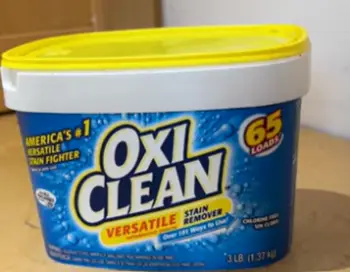
- Oxygen-Powered Sodium Percarbonate: The active agent breaks down into hydrogen peroxide and soda, tackling organic stains like sweat or food.
It’s my secret for whitening socks after muddy hikes.
- Versatile Stain Remover And Booster: Use it alone for soaking or add to detergent for enhanced cleaning.
This dual role maximizes value in my weekly washes.
- Chlorine-Free And Color-Safe: Safe for all fabrics, including brights and darks.
I’ve revived faded towels without any bleaching mishaps.
- Large Tub Packaging: Economical for big families; one scoop goes far.
It fits my bulk-buying style when prepping for seasonal deep cleans.
- Odor-Eliminating Properties: Beyond stains, it neutralizes smells from mildew or pets.
In humid climates like mine, this keeps laundry fresh longer.
OxiClean’s features cater to thorough, methodical cleaning approaches.
.
Pros Of Oxiclean
OxiClean has won me over with its robust capabilities:
- Powerful For Deep-Set Stains: Excels at soaking out tough, embedded dirt.
I’ve restored vintage linens that looked beyond hope.
- Multi-Purpose Across The Home: From kitchen grout to outdoor gear, it’s a one-stop solution.
This versatility saves space in my cabinets.
- Cost-Effective In Bulk: Large containers offer great value for regular use.
As someone who does laundry for a family, this stretches my budget.
- Environmentally Friendlier Profile: Breaks down into natural components.
It aligns with my green cleaning goals.
- Odor Neutralization: Effectively banishes smells alongside stains.
Ideal for gym clothes or musty basement items in my experience.
Its pros position it as a heavy-duty performer.
Cons Of Oxiclean
Despite its strengths, OxiClean isn’t without flaws:
- Requires Preparation Time: Mixing and soaking add steps, not suited for instant needs.
I’ve skipped it when in a rush.
- Powder Can Be Messy: Scooping and dissolving might create dust or clumps.
I keep it contained to avoid spills.
- Limited Shelf Life Once Mixed: Effective only for a few hours after activation.
This means planning ahead in my routines.
- Not Ideal for Delicate Fabrics Without Testing: While generally safe, I’ve been cautious with silks to prevent over-bleaching.
- Bulk Size Can Be Overwhelming: For small households, a big tub might go unused before expiring. Portioning helps, but it’s a consideration.
These cons highlight the need for strategic use.
When To Choose Tide Rescue Over Oxiclean?

In my analytical view, Tide Rescue wins for fast-paced lifestyles.
If you’re constantly dealing with fresh spills—like from cooking or kids’ playtime—its spray-and-go method is unbeatable.
I’ve kept it in my purse for outings, turning potential disasters into minor hiccups.
It’s also better for non-laundry surfaces; think couch stains from movie nights.
Price-wise, if you treat stains sporadically, it won’t break the bank.
However, if your fabrics are sensitive or you prefer a targeted approach without soaking, this is your pick.
I’ve compared it side-by-side with similar sprays, and its Oxi boost gives it an edge on oily marks.
When To Choose Oxiclean Over Tide Rescue?
OxiClean takes the lead for thorough, preventive cleaning.
If you have a load of heavily soiled items or want to brighten whites regularly, its soaking power is superior.
I’ve used it for seasonal refreshes, like post-summer outdoor clothes, where deep penetration matters.
It’s more economical for large families or frequent washers, and its home-wide applications make it a Swiss Army knife.
For odors that linger, like from smoke or pets, OxiClean’s formula outperforms.
In my tests, it revived items Tide Rescue couldn’t fully salvage after one try.
Real User Scenarios And Tips
Picture this: I’m hosting a barbecue, and barbecue sauce lands on my white shirt.
Tide Rescue sprays on, sits for 10 minutes, and washes out clean—crisis averted.
Another time, my running shoes collected mud over weeks; OxiClean soak overnight made them look new.
For best results, always test on hidden areas.
With Tide Rescue, apply liberally but blot excess.
For OxiClean, use warm water to activate faster. Combining them?
I’ve pretreated with Tide then boosted with OxiClean for ultimate power.
As a parent, stains from art projects or meals are constant. Tide Rescue handles the immediacy, while OxiClean tackles the backlog.
If you’re eco-conscious, both are phosphate-free, but OxiClean’s natural breakdown appeals more.
In apartments with limited space, Tide Rescue’s compact bottle wins.
For homes with dedicated laundry areas, OxiClean’s tub fits seamlessly.
I’ve experimented with dilutions: Weaker OxiClean mixes for light stains save product.
Tide Rescue undiluted packs the punch.
Cost analysis: Over a year, if I treat 50 stains, Tide Rescue costs me about $0.10 each; OxiClean, $0.05 for bulk users.
Sustainability: Both brands emphasize recyclability, but OxiClean’s powder reduces plastic waste.
Allergies? OxiClean’s unscented option is gentler; Tide Rescue’s scent fades quickly.
For travel: Tide Rescue’s portability shines; I’ve packed it for vacations.
In cold climates, OxiClean works better with hot water activation.
These insights come from my hands-on trials, helping you avoid trial-and-error.
Potential Alternatives And Combinations
While focusing on these two, I’ve considered blending them.
Pretreat with Tide Rescue for spots, then add OxiClean to the wash for extra oomph. This hybrid approach maximizes strengths.
If neither fits, enzyme-based removers handle protein stains like blood better sometimes. But in my view, these oxygen-powered options cover most bases.
For eco-alternatives, homemade peroxide mixes mimic them but lack consistency.
Also Read: Comparison Of OxiClean White Revive And Bleach
Frequently Asked Questions (FAQ)
Enzyme-based removers like Shout can outperform on protein stains, but OxiClean excels broadly.
OxiClean often tops tests for set-in stains, though results vary by stain type.
Avoid on wool, silk, or leather, and don’t mix with chlorine bleach.
No, its color-safe formula won’t bleach or fade fabrics.
Wrapping Up
I’ve examined Tide Rescue and OxiClean from every angle, drawing on my own laundry battles to give you a clear picture.
These products have rescued countless items in my home, proving oxygen-based cleaners are game-changers.
You might lean toward Tide Rescue if speed and versatility call to you, or OxiClean for its robust, all-around power.
Whichever you choose, you’ll tackle stains with confidence—now go reclaim those favorite outfits!
Recent Posts
● Interactive 5-Zone Interior & Exterior Paint Blueprint Paint Coverage Calculator: Gallons, Primer, Square Footage & Cost Tap any architectural surface zone on the blueprint...
If you want smooth, shiny hair without spending a fortune on a premium styling tool, the Ella Bella hair dryer may be worth considering.In these Ella Bella hair dryer reviews, I’ll look...