
If you’re thinking about buying Todahof Bee Venom, I get it—you’ve probably seen bold claims about tighter skin, wrinkle reduction, and that “botox-like” glow without needles.
I’ve been there too. But before you spend your money, you should know this: my experience others didn’t live up to the hype.
While it sounds promising on paper, this isn’t a product I’d confidently recommend—and I’ll explain exactly why.
My Personal Experience With Todahof Bee Venom
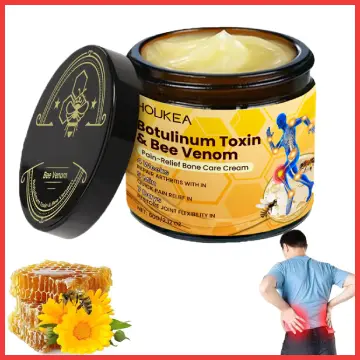
When I first got my hands on Todahof Bee Venom, I was genuinely excited. The idea of using bee venom in skincare sounded cutting-edge and a bit luxurious.
I had seen it marketed as a natural alternative to more invasive treatments, and honestly, that appealed to me a lot.
The packaging looked decent—not overly premium, but not cheap either. The texture of the cream itself was smooth and slightly thick, which I actually liked.
It spread easily across my skin without feeling too greasy. The scent was mild, nothing offensive, so that was a good first impression.
I started using it twice daily—morning and night—just like most anti-aging creams. The first few days felt promising.
My skin had a slight tingling sensation after application, which I assumed was the bee venom “working.” It wasn’t painful, just noticeable. At that point, I thought maybe this product was doing something active.
But after about a week, I started noticing some downsides. The tingling didn’t always feel pleasant anymore—it sometimes turned into mild irritation, especially around sensitive areas like my cheeks and under my eyes. I also noticed a bit of redness that didn’t fade quickly.
By the second week, I was expecting visible results—firmer skin, smoother texture, something. But honestly, there wasn’t much change.
My fine lines looked the same, and my skin didn’t feel noticeably tighter. If anything, it felt slightly drier than usual, which was surprising for a product that claims to improve skin elasticity.
I pushed through for about a month, hoping results would show up with consistency. But they didn’t. No dramatic transformation, no subtle glow-up—just average performance at best, with occasional irritation.
What disappointed me most wasn’t just the lack of results—it was the mismatch between expectations and reality.
When a product markets itself as a powerful anti-aging solution, you expect at least some visible improvement. In this case, I didn’t see enough to justify continuing.
What Is Bee Venom Skincare And Why Is It Popular?
Bee venom in skincare has been trending for a while now, and the concept is actually pretty interesting. The idea is that bee venom can “trick” your skin into thinking it’s been lightly stung, which stimulates collagen and elastin production.
In theory, this can lead to firmer, plumper skin over time.
Some high-end brands have successfully used bee venom in their formulations, often combining it with peptides, hyaluronic acid, and other proven ingredients.
That’s why you’ll see people talking about it as a luxury anti-aging solution.
But here’s the thing: not all bee venom products are created equal. The effectiveness depends heavily on the formulation, concentration, and supporting ingredients. And that’s where Todahof Bee Venom seems to fall short.
Pros Of Todahof Bee Venom
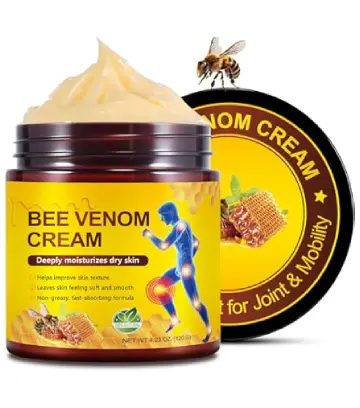
- It Feels Active on the Skin
One thing you’ll likely notice immediately—just like I did—is that this cream doesn’t feel “dead” on your skin.
There’s a tingling or slightly warming sensation after application. That comes from the bee venom concept, which is supposed to stimulate the skin.
At first, this can actually feel reassuring. You apply it and think, “Okay, something is happening here.”
For beginners in skincare, that sensation can make the product feel more effective compared to creams that just sit quietly on your face.
But here’s the honest take: that sensation is more about perception than proven results. Feeling something doesn’t always mean it’s working in a meaningful way.
- Multi-Purpose Marketing Appeal
Todahof positions itself as an all-in-one solution—targeting everything from wrinkles and sagging skin to acne, eczema, and even skin tags. On paper, that sounds incredibly convenient.
According to its own claims, it’s designed to address multiple skin concerns simultaneously and promote smoother, healthier skin using bioactive compounds found in bee venom.
If you’re someone who doesn’t want a 10-step skincare routine, that kind of “one product does everything” promise can be very appealing.
The reality, though, is that products claiming to fix everything often end up doing very little of anything well.
- Easy to Apply and Absorbs Fairly Well
From a usability standpoint, I can’t complain too much. The cream spreads easily, doesn’t leave a heavy greasy layer, and absorbs reasonably quickly.
If you hate thick, suffocating creams, you might appreciate this texture. It works fine under sunscreen or makeup, which is something I personally look for in a daily-use product.
So yes, in terms of user experience—purely from an application standpoint—it’s decent.
- Affordable Compared to High-End Bee Venom Products
Bee venom skincare can get expensive—especially with luxury brands. Todahof is positioned as a more budget-friendly alternative.
That lower price point might make you think, “Why not try it?”—and honestly, that’s probably how many people (including me) ended up buying it.
But affordability only matters if the product delivers. Otherwise, even a cheap product becomes a waste of money.
Cons Of Todahof Bee Venom
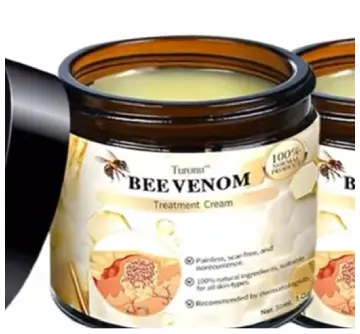
- Overhyped Claims That Don’t Match Reality
This is the biggest red flag.
The product makes bold claims—rapid healing, wrinkle reduction, clearing multiple skin conditions in days. Some promotional content even suggests extremely high success rates in very short timeframes.
That kind of marketing should immediately make you pause.
In real-world use , the results are nowhere near that dramatic. Many users report little to no visible improvement, which creates a huge gap between expectation and reality.
When a product promises too much, it often underdelivers—and this is a classic example.
- Mixed to Negative User Feedback
When I started digging deeper after my own experience, I noticed a pattern: reviews are inconsistent at best.
Some people claim it works, but a large portion report:
- No visible results
- Skin irritation
- Breakouts or redness
This aligns with what I personally experienced—minimal benefits with some downsides.
Independent reviews also highlight that feedback across platforms is “mixed at best,” with many users disappointed by the lack of results.
That inconsistency makes it a risky purchase—you don’t really know which side you’ll fall on.
- Potential Skin Irritation and Sensitivity Issues
Let’s talk honestly: bee venom is not a gentle ingredient.
While it’s marketed as safe, real user experiences suggest otherwise. Some users report burning sensations, redness, or reactions—especially on sensitive skin.
From community discussions:
“This stuff burned so badly… I had to wash my face immediately.”
Even if you don’t have sensitive skin, there’s still a chance of irritation. And when you’re applying something to your face daily, that’s a serious concern.
- Lack of Ingredient Transparency
This is a big one—and honestly, a dealbreaker for many people.
While the product mentions ingredients like bee venom, collagen, and peptides, it doesn’t clearly disclose concentrations or formulation details.
If you’re putting something active on your skin, you deserve to know:
- How much of each ingredient is included
- Whether it’s at an effective level
- How it interacts with other components
Without that transparency, it’s hard to trust the product.
- Feels More Like Marketing Than Science
When you step back and look at everything—the bold claims, limited ingredient clarity, mixed reviews—it starts to feel like the product relies more on marketing than actual formulation strength.
Even some reviewers describe it as “overmarketed” and lacking solid proof behind its claims.
That doesn’t necessarily mean it’s a scam—but it does mean you should be cautious.
- Not Reliable for Serious Skin Concerns
If you’re dealing with real skin issues—like acne, pigmentation, or aging—you need consistency and proven results.
This product just doesn’t offer that reliability.
It might give you a temporary sensation or slight surface-level effect, but it’s not something you can depend on for long-term improvement.
Tips For Todahof Bee Venom
- Start With a Patch Test
Before applying it to your face, always test it on a small area of your skin. Bee venom can trigger reactions, and you don’t want to find that out the hard way.
- Limit Frequency of Use
If you decide to try it, don’t jump straight into twice-daily use. Start with once a day or even every other day to see how your skin reacts.
- Pair With a Good Moisturizer
Since I noticed some dryness, it helps to use a hydrating moisturizer alongside it. This can balance out any potential irritation or dryness.
- Avoid Sensitive Areas
Be cautious around your eyes and cheeks if your skin tends to react easily. These areas are more prone to irritation.
- Don’t Expect Miracles
Go in with realistic expectations. This is not a substitute for professional treatments or clinically proven skincare routines.
Comparison Todahof Bee Venom With Other Bee Venom Brands
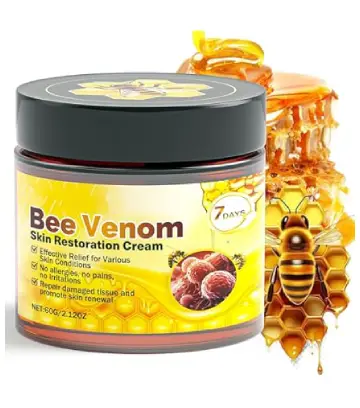
When you put Todahof Bee Venom side by side with more established bee venom skincare brands, the differences become very clear—and honestly, this is where Todahof struggles the most.
I’ll walk you through this the same way I evaluated it myself, so you can see exactly where it stands.
- Ingredient Quality and Formulation Depth
This is the first place where the gap really shows.
With premium brands like Rodial, bee venom is not used alone.
It’s combined with well-researched ingredients like Vitamin C, peptides, and hyaluronic acid to create a more balanced and effective formula.
These combinations help improve hydration, elasticity, and overall skin texture.
When I compare that to Todahof, it feels much more basic. Yes, it mentions bee venom and a few supporting ingredients, but the formulation doesn’t feel layered or sophisticated.
It’s like relying on one “hero ingredient” without building a strong foundation around it.
And here’s the reality: in skincare, synergy matters more than a single trendy ingredient.
- Effectiveness and Real-World Results
Let’s be honest—this is what you actually care about.
Higher-end bee venom products are designed to show gradual improvements. You might notice smoother texture, slightly plumper skin, or better hydration over time. It’s not magic, but it’s consistent.
With Todahof, the results are far less reliable.
From my experience (and what I’ve seen from others), you don’t get that steady improvement. Instead, you get:
- Temporary sensations (tingling, slight tightness)
- Little to no visible long-term change
Even industry discussions suggest that in many products, bee venom is used in very small amounts, and most of the visible effects come from basic moisturizing ingredients rather than the venom itself.
That makes a big difference—because better brands at least make sure the rest of the formula pulls its weight.
- Skin Tolerance and Safety
This is a major deciding factor, especially if your skin is even slightly sensitive.
Brands like Rodial clearly warn users about potential allergies and recommend patch testing. Their formulations are generally designed to balance potency with skin comfort.
Todahof, on the other hand, feels less controlled in this area.
From what I experienced—and what many users report—you’re more likely to deal with:
- Redness
- Irritation
- Burning sensations
There are real user experiences where bee venom products (especially lower-quality ones) caused strong reactions, even in people without known sensitivities.
So while bee venom itself isn’t inherently unsafe, the formulation quality makes all the difference—and Todahof doesn’t inspire much confidence here.
Also Read: Is Skinmedica Tns Advanced Serum Worth It?
Frequently Asked Questions (FAQ)
Bee venom can work in certain formulations. It may help stimulate collagen production and improve skin texture slightly. However, results depend heavily on the product’s quality and formulation.
Rodial Bee Venom products are generally considered higher quality. They use more refined formulations and often include additional active ingredients that support anti-aging benefits. That said, they are also more expensive.
It’s widely reported that Kate Middleton has used bee venom facials, particularly from high-end skincare providers. These treatments are very different from over-the-counter creams and are performed professionally.
Bee venom may provide minor firming effects, but it’s not a miracle solution for saggy skin. Significant sagging usually requires more advanced treatments or a comprehensive skincare routine.
Final Verdict
I understand the appeal—natural anti-aging, trendy ingredients, and promises of firmer skin.
But based on my experience and the overall feedback out there, Todahof Bee Venom doesn’t live up to expectations.
You’re better off investing in products with proven ingredients and balanced formulations. If you’re serious about improving your skin, this isn’t the shortcut you’re looking for.
Recent Posts
● Interactive 5-Zone Interior & Exterior Paint Blueprint Paint Coverage Calculator: Gallons, Primer, Square Footage & Cost Tap any architectural surface zone on the blueprint...
If you want smooth, shiny hair without spending a fortune on a premium styling tool, the Ella Bella hair dryer may be worth considering.In these Ella Bella hair dryer reviews, I’ll look...