
Let me tell you straight up, I’ve been on a fitness journey for years, and when I first heard about Tony Horton’s Power Life supplements, especially the protein powders, I was intrigued.
Tony’s the guy behind P90X, so I thought this might be a game-changer for muscle support and energy. But after digging into reviews and trying it myself, I’m not sold.
If you’re considering buying it, I’d pause and look elsewhere—there are better options out there that won’t leave you frustrated. In this review, I’ll share my thoughts to help you decide.
My First Experience With Power Life Protein
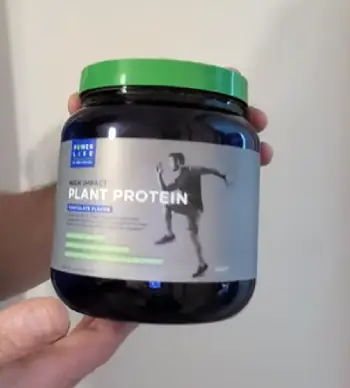
You know how it is when you spot a new supplement line endorsed by a fitness icon like Tony Horton—it sounds promising, right?
I decided to give Power Life’s High Impact Protein a shot, both the whey and plant-based versions, because I’m always tweaking my routine to build lean muscle without the hassle.
I ordered a couple of tubs online, vanilla whey and chocolate plant, figuring they’d fit into my morning smoothies or post-workout shakes.
The packaging arrived after about two weeks, which was longer than I expected in this age of fast shipping, but hey, I was excited to mix it up.
First off, let’s talk about the taste. I started with the vanilla whey. I scooped it into my blender with some almond milk, a banana, and spinach, thinking it’d be creamy and satisfying.
But honestly, it came out a bit chalky, like it didn’t fully dissolve no matter how long I blended. I even tried shaking it in a bottle for on-the-go days, and there were still lumps floating around.
It reminded me of those cheap powders from the discount bin— not what you’d expect from a premium brand like this.
The flavor was okay, mildly sweet without being overpowering, but it left a weird aftertaste that lingered for hours. I forced myself to finish the shake, telling myself it was for the gains, but it wasn’t enjoyable.
Switching to the chocolate plant-based one, I hoped for better luck since I’m partial to plant proteins for their digestibility. I mixed it with oat milk and peanut butter, aiming for a dessert-like treat.
The chocolate flavor was more pronounced, which was a plus, but again, the texture was off.
It felt gritty, almost sandy, and didn’t blend smoothly. After a few days, I noticed my stomach wasn’t happy—some bloating and gas that I don’t usually get from my go-to brands.
I read the label closer and saw it includes HMB and vitamin D3, which are supposed to help with muscle preservation, especially as we age.
Tony markets this for folks over 40, and at 45 myself, I appreciate that angle. But did I feel any difference? Not really. I tracked my workouts: strength training three times a week, cardio on off days. My energy levels stayed about the same, no big boost, and my recovery felt standard. I didn’t notice any extra muscle tone or reduced fatigue, which is what the hype promised.
I stuck with it for a full month, using one scoop daily, sometimes two if I had a heavy lifting session. By week three, I was experimenting with recipes to mask the taste—adding cinnamon, berries, even coffee.
It helped a bit, but I found myself dreading the shakes instead of looking forward to them. One morning, I skipped it altogether and went back to my old protein, and boy, what a relief. No more chalkiness, no digestive woes.
Looking back, the added ingredients like digestive enzymes sounded great on paper, but in practice, they didn’t prevent the issues I had. Plus, the price tag—around $70 for 15 servings—felt steep for something that didn’t deliver standout results.
I even checked online forums and saw others echoing my gripes: poor mixing, mediocre taste, and questionable value.
Don’t get me wrong, there were a couple of silver linings. On days when I was rushed, it was convenient to have a quick protein hit without needing whole foods. And I did feel a subtle fullness that curbed my snacking, which helped with my calorie goals.
But overall, my experience left me underwhelmed. If you’re like me, chasing real results without the frustration, this might not be the fit. I ended up donating the half-empty tubs to a friend, who had similar feedback.
It’s not that Power Life is terrible, but in a market full of options, it didn’t stand out enough to earn a spot in my pantry.
If you’re curious, maybe try a sample first, but I wouldn’t commit to a full purchase without testing the waters. That month taught me a lot about not falling for celebrity endorsements alone—results speak louder than marketing.
Pros Of Tony Horton Power Life
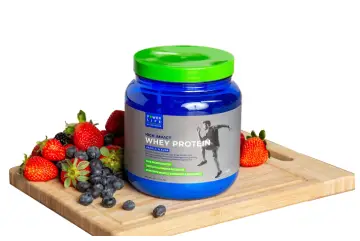
- Solid muscle-support ingredients for aging bodies
The big draw is the 3000mg HMB per serving, plus vitamin D3 and digestive enzymes.
People in their 50s-70s often say it helps preserve strength and makes daily stuff like stairs or walks easier.
One 74-year-old reviewer claimed their leg strength “tripled” after a year— that’s huge if sarcopenia is your worry.
I didn’t feel dramatic changes myself, but if you’re over 40 and not super active, this targeted formula gets credit from users who stick with it long-term.
- Decent protein hit with clean-ish labels
You get 20-25g protein depending on whey or plant version, no added sugar, non-GMO, hormone-free whey, and complete aminos in the plant blend (pea, pumpkin, etc.).
Vegans like the allergen-free angle—no dairy, soy, gluten issues for most.
Some reviewers call it “smooth and silky” when it mixes right, and it keeps them full longer, curbing cravings and helping with weight management.
- Taste works for some, especially with add-ins
Chocolate and vanilla get love from fans who say it’s not too artificial or aftertaste-heavy (thanks to stevia/monk fruit).
A bunch mention enjoying it in smoothies with fruit/oatmeal—no bad smell, energizing start to the day.
If you’re not picky and blend it well, it can feel like a tasty, low-cal boost (90-120 cals per scoop in plant version).
- Energy and recovery perks reported by loyal users
Several long-term takers note better sustained energy, less afternoon crashes, faster bounce-back after workouts, and even weight loss/muscle gain when paired with routines.
The enzymes supposedly help digestion for sensitive stomachs—some say zero bloating compared to other brands.
- Subscription perks and convenience
Discounts on auto-ship, easy to pause if needed, and it’s straightforward for busy mornings. A few call customer service helpful when it works.
These pros shine brightest for consistent users over months, especially if HMB aligns with your goals. But honestly, they’re hit-or-miss—not everyone gets the same wins.
Cons Of Tony Horton Power Life
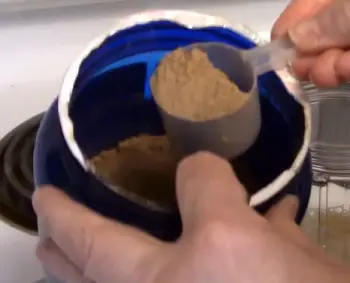
- Taste and texture often disappoint
Chalky, gritty, or sandy feel is super common, especially plant version.
Lumps won’t dissolve no matter how much you blend or shake. Aftertaste from stevia hits bitter for many—”horrible smell/taste” shows up in complaints.
Even fans admit it needs heavy masking with fruits or PB. If you hate forcing down shakes, this one’s rough.
- Digestive issues for a lot of people
Despite enzymes, bloating, gas, upset stomach pop up frequently.
Some report worse with plant blend’s fiber. Past recall for undeclared milk in plant protein (allergy alert) adds caution if you’re sensitive.
I felt mild discomfort myself—not fun when you’re counting on it daily.
- Overpriced for what you get
$70-ish for 15-20 servings (~$3-5 per scoop) feels steep when basics do similar jobs cheaper.
No standout results for many to justify the cost—HMB sounds great, but effectiveness varies wildly.
Users call it “not worth it” compared to value brands.
- Shipping, customer service, and order nightmares
Delays of weeks, lost/misplaced packages, wrong items sent—tons of rants on Trustpilot and BBB.
Auto-ship traps people, hard to cancel/log in sometimes, poor phone/email response. One reviewer gave up after multiple lost orders:
“Tony should figure out shipping in today’s world.”
- Inconsistent or overhyped results
Not everyone feels energy boosts, muscle preservation, or recovery gains.
Some say it’s “just okay” or no different from cheaper protein.
Marketing pushes “magic trick” for muscle without much effort—Reddit flags it as scammy hype.
If you’re expecting P90X-level transformation from powder alone, you’ll be let down.
- Other annoyances
Limited flavors/stock, potential heavy metal concerns in protein category (general industry issue, but worth noting), non-returnable for most (safety reasons), and occasional out-of-date stock complaints.
Tips For Tony Horton Power Life
- Store it properly to prevent clumping and nutrient loss
Keep the tub in a cool, dry, dark place—kitchen cabinet away from the stove, sink, or direct sunlight works best.
Ideal temp is 68–77°F (20–25°C). Heat and humidity are killers; they make the powder clump fast and can degrade HMB/vitamin D3 over time.
If you live somewhere hot/humid (like me sometimes), pop a couple of food-grade silica packets inside the tub after opening.
- Seal it tightly every single time
Close the lid firmly right after scooping—no leaving it cracked open while you blend.
Air and moisture sneak in and turn the powder into a brick.
I set a reminder on my phone the first week until it became habit. If the lid feels loose, transfer to a better-sealed airtight container (glass jar with rubber seal is my go-to).
- Use a dry, clean scoop every time
Never dip a wet or dirty scoop back in—bacteria and moisture ruin it quick.
Rinse the scoop with hot soapy water after each use (or at least weekly), then air-dry completely before putting it back.
If you share the tub with family, use separate scoops to avoid cross-contamination.
- Mix smarter to avoid lumps and waste
Always add liquid first (milk, water, etc.), then powder, then shake/blend.
Use a shaker bottle with a metal whisk ball or high-speed blender for 30–60 seconds. Plant version especially needs extra blending—don’t just stir with a spoon.
If it still clumps, try room-temp liquid instead of cold; cold makes it worse.
- Track expiration and use-by window
Unopened tubs last 18–24 months, but once opened, aim to finish within 3–6 months for best potency (HMB and enzymes lose effectiveness over time).
Write the open date on the lid with a Sharpie. Smell test before every scoop—if it smells rancid, off, or like old cardboard, toss it. Don’t risk it.
- Portion for travel or convenience
Scoop single servings into small zip-lock bags or travel containers ahead of time—label with dates.
This stops you from hauling the whole tub to the gym and exposing it to heat/moisture.
Great for work trips or early mornings.
Comparison Tony Horton Power Life With Other Brands
- Price and value per serving
Power Life runs about $70 for 15 servings (around $4–5 per scoop), which feels premium but steep when you factor in the mixed results.
Optimum Nutrition Gold Standard? Usually $30–40 for 29+ servings—closer to $1–1.50 per scoop. Huge win on value. Orgain Organic Plant is in the $25–35 range for 20 servings, super affordable for clean eating.
Vega Sport Premium hovers around $40–50 for 20 servings. If you’re watching your wallet like I do, Power Life loses here big time—same protein punch but double the cost without twice the benefits.
- Taste and mixability
This is where Power Life struggles most for many of us. Chalky, gritty texture (especially the plant version), stevia aftertaste that turns some people off, and lumps that won’t quit no matter how hard you shake.
Optimum Nutrition Gold Standard is legendary for smooth, creamy mixes—dissolves instantly, flavors like Double Rich Chocolate taste indulgent without being fake.
Orgain’s sweet vanilla or chocolate fudge is naturally smooth and kid-friendly, no weird grit. Vega gets props for berry or vanilla being naturally sweet and blending flawlessly—no sandy feel.
If enjoyment matters (and it does for daily use), the others blow Power Life out of the water.
- Protein quality and extras
Power Life shines with its 3000mg HMB + vitamin D3 combo aimed at muscle preservation for folks over 40—great concept if you’re in that age group and notice age-related loss.
Whey version has grass-fed sources, plant uses a multi-blend (pea, pumpkin, etc.) for complete aminos.
But Optimum Nutrition gives 24g from a proven whey blend (isolate-heavy for fast absorption), no fancy add-ons but reliable for muscle building/recovery.
Vega Sport packs 30g plant protein plus tart cherry/probiotics for recovery—more athlete-focused extras.
Orgain hits 21g organic plant protein, super clean with chia for omega-3s.
Power Life’s HMB is unique, but if you’re not specifically needing age-targeted support, the simpler, science-backed profiles of the others feel more trustworthy.
Also Read: Is Vega Protein Powder Worth It?
Frequently Asked Questions (FAQ)
From what I’ve seen in ratings and sales, Optimum Nutrition Gold Standard Whey often tops lists. It boasts high protein content, great mixability, and flavors that users love, with consistent 4.5+ stars across platforms. It’s versatile for most fitness goals and backed by science without overhyping.
Plant proteins can be incomplete if not blended properly, lacking some amino acids like leucine for muscle building. They often taste earthier or grittier, and higher fiber might cause bloating or gas. Absorption rates are lower than whey, so you may need more. Plus, they’re pricier for organic options.
No, like most dietary supplements, Power Life isn’t FDA-approved. The FDA regulates manufacturing but doesn’t approve supplements for efficacy or safety before sale. They can intervene if issues arise, but always check third-party testing for quality assurance.
Power Life (often abbreviated PVL) has mixed reputation. Tony Horton’s name lends credibility, but with 3.8-4 star averages and complaints about shipping, taste, and value, it’s not top-tier. Some see it as overhyped; research independently before buying.
Wrapping It
In the end, Power Life’s unique aging angle is cool, but competitors like these offer better taste, value, and consistency.
If I were you, I’d go with Optimum for whey, Vega for plant, or Orgain for organic vibes— they’ve earned their reps without the headaches.
Recent Posts
I spent months comparing budget options against established names after my last set of tires wore out sooner than expected.My goal here is to share what I learned from putting Dextero and...
AquaTru Carafe Vs. Classic: Which Is Actually Fits Your Kitchen?
I decided to write this comparison after months of testing both the AquaTru Carafe and the Classic in my own kitchen. Tracking covered daily use.Taste stayed consistent. Refill frequency...