
If you spend long days on job sites, ranches, or any environment where your boots are the difference between a productive day and a miserable one, Tony Lama Work Boots have earned a reputation serious enough to deserve your attention before your next purchase.
I’ve been wearing a pair through demanding real-world conditions for months, and I’m ready to give you the completely honest, boots-on-the-ground picture you need. You can find Tony Lama Work Boots at Boot Barn, Cavender’s, Amazon, Sheplers, and the official Tony Lama website — and based on my experience, they’re absolutely worth considering.
My Experience With Tony Lama Work Boots
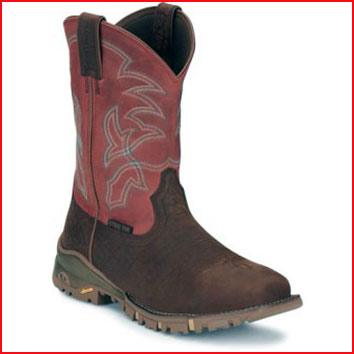
Let me give you the full picture of what brought me to Tony Lama specifically.
I work in agricultural land management — which means my boots go through mud, gravel, uneven terrain, extended standing periods, and everything else that outdoor physical work throws at footwear on a daily basis.
My previous work boots had served me adequately for about a year before the sole separation and general breakdown that comes with heavy use made replacement unavoidable.
I’d been through several pairs of mid-range work boots over the years, and I’d reached the point where I was willing to spend more upfront for boots that would actually last and perform rather than cycling through cheaper pairs every twelve months.
A coworker who has spent decades in agriculture had been wearing Tony Lama boots for years and spoke about them with the kind of matter-of-fact confidence that comes from long-term real-world experience rather than brand loyalty.
That recommendation, from someone whose feet face the same daily demands as mine, carried real weight in my purchasing decision.
I ordered the Tony Lama Men’s TW1006 Western Work Boot — a full-grain leather upper with a steel toe, composite shank, and oil-resistant sole.
The first impression out of the box was immediately different from the mid-range boots I’d been replacing.
The leather quality was visibly superior — dense, well-finished, and carrying the kind of structural integrity that signals genuine material quality rather than appearance-only surface treatment.
The break-in period was real but reasonable.
I wore them for progressively longer periods during the first two weeks — starting with a few hours and building to full workdays — and by the end of that period they had molded comfortably to my foot shape without the blisters and hotspots that aggressive break-in periods typically create.
What struck me most during the first month of full workday use was the fatigue reduction.
Standing on hard surfaces and uneven ground for eight or more hours is tough on any feet, but the combination of Tony Lama’s cushioned insole and sturdy construction noticeably reduced the end-of-day foot fatigue I’d been experiencing with my previous boots.
The waterproofing held through several genuinely wet workdays without any moisture penetration that reached my socks — a practical performance detail that matters enormously when you’re working in field conditions rather than a controlled environment.
Several months in, these boots still look and perform like boots with significantly less use on them than they’ve accumulated — which tells you something meaningful about the construction quality that justifies the price premium over the mid-range alternatives I’d been cycling through.
Read More: My Experience with Kenetrek Lineman Boots
Pros Of Tony Lama Work Boots
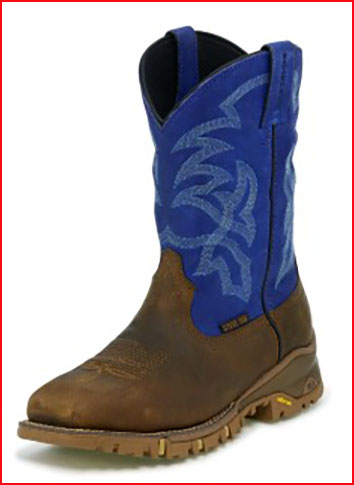
- Premium Full-Grain Leather Construction: The leather quality in Tony Lama work boots is genuinely superior to what you find at comparable price points from budget-oriented brands — dense, well-tanned, and built to develop a protective patina with use rather than cracking and degrading over the same period.
- ASTM-Rated Safety Features Available: Multiple Tony Lama work boot models carry ASTM F2413 safety ratings for steel toe protection, electrical hazard resistance, and puncture resistance — meeting the safety standard requirements for demanding industrial and agricultural work environments.
- Genuine Comfort For Extended Wear: The combination of cushioned insole technology, proper arch support, and thoughtful last construction produces a boot that remains genuinely comfortable through long workdays in a way that budget work boots consistently fail to deliver.
- Oil And Slip-Resistant Outsole: The work-specific outsole formulation provides meaningful traction on the oily, wet, and uneven surfaces that characterize demanding work environments — a safety-critical feature that performs consistently rather than degrading rapidly with regular use.
- Composite Shank For Structural Support: The composite shank running through the boot’s midsole provides the torsional rigidity that prevents foot fatigue on uneven terrain — a structural detail that separates properly engineered work boots from fashion boots that merely look the part.
- Waterproof Options Available In The Line: Several Tony Lama work models include genuine waterproofing that maintains its effectiveness through regular use in wet conditions — protecting your feet and the boot’s internal construction from the moisture damage that accelerates breakdown in non-waterproofed alternatives.
- Exceptional Longevity With Proper Care: The construction quality of Tony Lama work boots — Goodyear welt construction in select models — means they are resoleable rather than disposable, potentially lasting many years with proper maintenance rather than requiring annual replacement.
- Wide Width Options For Better Fit Accuracy: Tony Lama offers width options beyond standard sizing that allow for a more anatomically accurate fit — reducing the hotspots and discomfort that standard-width boots create for feet that fall outside the middle of the width spectrum.
- Strong Western Work Boot Heritage: Over a century of boot-making experience informs the construction standards and quality control that Tony Lama applies to their work boots — heritage that reflects accumulated knowledge rather than just brand storytelling around an average product.
- Steel Toe That Doesn’t Compromise Comfort: The steel toe cap in Tony Lama work boots is integrated without creating the cramped, uncomfortable toe box that poorly engineered steel toe boots produce — maintaining adequate toe space alongside the required protective function.
Cons Of Tony Lama Work Boots
- Higher Upfront Investment Than Budget Alternatives: Tony Lama work boots cost significantly more than entry-level work boots from mass-market brands — an upfront cost that requires willingness to invest in long-term quality rather than minimize immediate spending.
- Break-In Period Is Genuinely Required: These boots don’t feel immediately comfortable straight out of the box in the way that foam-padded budget work boots do — the full-grain leather requires a real break-in investment before the boot conforms optimally to your foot shape.
- Heavier Than Modern Composite Alternatives: Tony Lama’s traditional leather and steel construction carries more weight than ultra-lightweight composite work boots from brands prioritizing weight reduction — which matters for workers who cover significant daily distances on foot.
- Sizing Can Run Slightly Narrow In Standard Width: Some users find that Tony Lama’s standard width fits narrower than expected, particularly in the toe box — making it worth consulting the brand’s fit guidance or visiting a physical retailer to assess sizing before ordering online.
- Limited Availability In Specialty Retail Locations: While available online, finding the full range of Tony Lama work styles in physical stores outside of western wear specialists can be challenging in urban areas where western footwear retail presence is limited.
- Waterproofing Requires Maintenance Reapplication: The initial waterproofing in Tony Lama leather work boots diminishes with use and requires periodic conditioning and waterproofing treatment reapplication to maintain its effectiveness — a maintenance commitment that non-treated synthetic boot users don’t face.
- Style Is Distinctly Western In Aesthetic: Tony Lama’s work boots carry a clearly western design identity that suits ranch and agricultural settings naturally but may feel stylistically incongruent in urban construction or industrial settings where different work boot aesthetics are standard.
Maintenance Tips For Tony Lama Work Boots
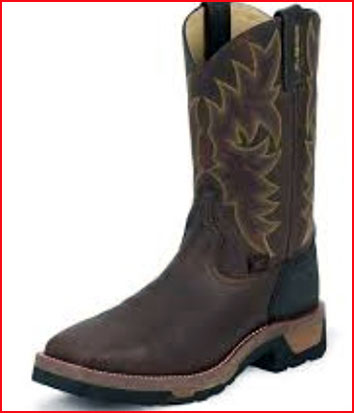
Clean The Leather Regularly After Work: Removing dirt, mud, and debris from the leather upper after each workday prevents abrasive particles from working into the leather surface and causing gradual surface degradation — a soft brush or damp cloth handles most field-accumulated dirt effectively without damaging the leather finish.
Condition The Leather Every Four To Six Weeks: Full-grain leather needs regular conditioning to maintain its flexibility, moisture resistance, and resistance to cracking — applying a quality leather conditioner every four to six weeks of regular work use keeps the leather supple and prevents the dryness that leads to surface cracking over time.
Apply Waterproofing Treatment Periodically: Even boots with initial waterproofing benefit from periodic reapplication of a leather-compatible waterproofing product — particularly after thorough cleaning that can strip some of the leather’s natural oils and the waterproofing treatment applied during manufacturing.
Dry Wet Boots Slowly Away From Direct Heat: When your boots get wet through — as work boots inevitably do — dry them at room temperature away from direct heat sources like radiators, campfires, or direct sunlight that can cause leather to crack, shrink, or lose its structural integrity during the drying process.
Use Boot Trees During Storage: Inserting cedar boot trees when the boots aren’t being worn maintains the boot’s original shape, absorbs moisture residue from daily wear, and prevents the toe and heel collapse that occurs in unstored leather boots over extended periods between use.
Inspect The Welt And Sole Bond Regularly: Check the welt stitching and the bond between the upper and outsole periodically — catching early separation allows for timely resoling or repair before structural failure requires full boot replacement, which is particularly relevant for Goodyear-welted Tony Lama models where resoling is a viable option.
Replace Insoles Before They Lose Cushioning: The factory insole will compress and lose its cushioning effectiveness before the boot’s outer construction shows significant wear — replacing the insole when cushioning diminishes noticeably restores comfort and foot support without requiring full boot replacement.
Comparison With Other Brands
Versus Justin Work Boots: Justin is Tony Lama’s closest direct competitor in the western work boot category — both brands share a Texas heritage, long manufacturing histories, and comparable price positioning that makes them natural alternatives for buyers in this specific category.
Tony Lama generally edges ahead in leather quality consistency and construction detail at equivalent price points, while Justin offers a broader accessible retail presence that makes in-person fit testing easier in markets where both brands are available.
Versus Ariat Work Boots: Ariat has built a powerful modern reputation in western work footwear through aggressive innovation in comfort technology — their ATS footbed system and composite toe constructions prioritize all-day comfort in ways that have genuinely disrupted the traditional western work boot market.
Tony Lama competes on traditional construction quality and heritage durability while Ariat leads on immediate out-of-box comfort and lightweight construction — making the choice between them largely dependent on whether you prioritize traditional boot quality or modern ergonomic comfort technology.
Versus Wolverine Work Boots: Wolverine is a broader work boot brand with deep roots in industrial and construction footwear that serves a wider range of work environments than the western-specific positioning of Tony Lama.
Tony Lama outperforms Wolverine in western aesthetic and ranching-specific functionality, while Wolverine’s broader last variety and more extensive safety certification options across their lineup make them a stronger choice for industrial work environments where western styling is less contextually appropriate.
Versus Thorogood Work Boots: Thorogood is an American-made work boot brand with a strong reputation for quality construction and resoleable Goodyear welt builds that appeal to workers who value domestic manufacturing and traditional boot construction standards.
Both brands offer resoleable construction that distinguishes them from disposable work boots, but Thorogood’s fully domestic manufacturing and wider work environment application give it a specific appeal that Tony Lama’s western heritage positioning doesn’t fully overlap with across all buyer profiles.
Also Read: My thoughts on Skechers Glide Step
Frequently Asked Questions (FAQ)
Tony Lama work boots with ASTM-rated steel toes, electrical hazard protection, and slip-resistant outsoles are appropriate for many construction environments — however, their western styling and leather construction suit outdoor and ranch settings more naturally than typical urban construction site footwear requirements.
Comfort is subjective and fit-dependent, but consistently top-rated comfortable work boots include Ariat WorkHog, Wolverine Durashocks, Red Wing Iron Ranger, Thorogood American Heritage, and Tony Lama’s own western work lineup — all praised for long-day wearability across different work environment categories.
Both are respected western boot brands with comparable quality at similar price points — Tony Lama generally holds a slight edge in leather quality consistency, while Justin offers broader retail availability and comparable construction standards that make personal fit and style preference the deciding factor between them.
Tony Lama boots were historically manufactured in El Paso, Texas, but like most western boot brands the majority of current production occurs overseas — specific models may still carry domestic manufacturing, so checking individual product descriptions for current manufacturing origin is recommended before purchasing.
Conclusion
After months of demanding daily wear in real agricultural work conditions, I can tell you Tony Lama Work Boots justify their price premium through genuine construction quality, meaningful comfort for extended wear, and durability that outpaces the mid-range alternatives I’d been cycling through. If you want boots that work as hard as you do, find them at Boot Barn, Cavender’s, Amazon, or the Tony Lama website. Your feet will feel the difference from the first week of wear.
Recent Posts
I spent months comparing budget options against established names after my last set of tires wore out sooner than expected.My goal here is to share what I learned from putting Dextero and...
AquaTru Carafe Vs. Classic: Which Is Actually Fits Your Kitchen?
I decided to write this comparison after months of testing both the AquaTru Carafe and the Classic in my own kitchen. Tracking covered daily use.Taste stayed consistent. Refill frequency...