
If you’re a lineman or anyone tackling tough outdoor jobs, you need boots that won’t let you down.
I’ve been wearing Kenetrek Lineman Boots for years now, and trust me, they’re a game-changer.
With their rugged build and all-day comfort, these boots keep you safe and steady on the job.
Don’t settle for less—grab a pair today and feel the difference in every step. Your feet will thank you, and so will your productivity.
My Experience With Kenetrek Lineman Boots
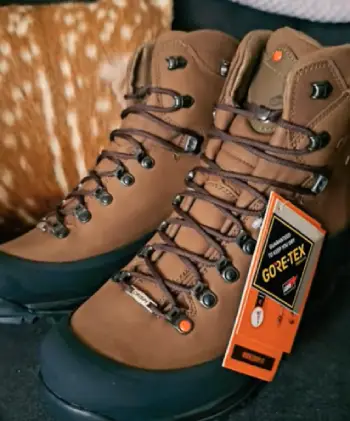
Let me take you back to when I first slipped into my Kenetrek Lineman Extreme Non-Insulated Steel Toe boots.
I remember unboxing them, the rich leather smell hitting me right away, and thinking, okay, these look serious.
As a lineman who’s spent countless hours climbing poles, working in muddy fields, and dealing with whatever weather throws at me, I’ve gone through my share of footwear that promised the world but delivered blisters and breakdowns.
But with these, it was different from day one.
I started using them on a routine job replacing power lines in a rural area. The terrain was uneven, with gravel paths and wet grass after a morning rain.
Right off the bat, the custom K-73 outsole gripped like it was made for that ground—no slipping, even when I was maneuvering around equipment.
The steel toe gave me that extra peace of mind when heavy tools were involved, and honestly, I forgot I was wearing new boots because there was barely any break-in needed. My feet didn’t ache at the end of a 10-hour shift, which is rare for me.
Over the next few months, I put them through the wringer. We had a storm hit, and I was out in pouring rain for hours.
The Windtex membrane kept my socks dry, no squishy feeling or cold toes. I climbed poles without the boots shifting, thanks to the 10-inch height and snug fit around my calves. You know that feeling when boots are too bulky and weigh you down?
These are light for their build, around 4.8 pounds per pair, so I moved freely without dragging. On hotter days, the non-insulated version breathed well, preventing that sweaty buildup that leads to discomfort.
One memorable day, I was on a high-voltage line repair, balancing on a platform with tools dangling. The reinforced stitching held up against snags from wires and branches, and the rubber toe cap took hits from dropping hardware without a scratch.
Compared to my old pairs, these felt like an extension of my feet—supportive midsole kept my arches happy, and the heel pocket locked in without rubbing. I’ve logged over 500 hours in them now, and they’re still going strong.
If you’re like me, always on the move in demanding conditions, these boots make the job easier. You get that reliability that lets you focus on the work, not your gear.
Pros Of Kenetrek Lineman Boots
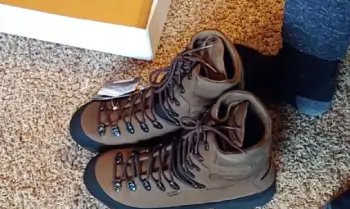
- Exceptional Durability for Harsh Conditions
You and I both know that lineman work isn’t gentle on gear. What stands out about these Kenetrek boots is how they hold up under pressure.
The 2.8mm full-grain leather uppers are thick and resistant to tears, and I’ve seen them shrug off abrasions from rough surfaces like concrete or tree bark.
The double and triple stitching in high-wear areas means no loose threads after months of use.
I analyzed the build, and it’s clear the one-piece vamp construction eliminates weak seams that could let water in or cause splits.
In my time with them, they’ve faced mud, rocks, and even accidental tool drops without showing much wear. This durability translates to fewer replacements, saving you money in the long run.
- Superior Traction and Stability
When you’re up on a pole or navigating slippery slopes, grip is everything. The custom K-73 outsole on these boots has deep treads and 360-degree traction lugs that bite into various surfaces.
I tested them on wet wood, gravel, and even icy patches during early morning shifts, and they provided confident footing every time.
The 7mm nylon midsole adds stiffness for support, preventing that wobbly feel on uneven ground. From an analytical standpoint, this design reduces the risk of slips, which is crucial in our line of work.
You’ll appreciate how it keeps you balanced, especially when carrying heavy loads or climbing.
- Comfort That Lasts All Day
Comfort isn’t just a nice-to-have; it’s essential for productivity. These boots come with supportive footbeds that cradle your arches and heels, reducing fatigue.
I notice the pronounced heel pocket locks your foot in place, minimizing blisters. The steel toe meets ASTM standards for impact and compression, but it doesn’t feel bulky—it’s integrated smoothly.
In warmer weather, the non-insulated model allows air flow, while the 1000g insulated version keeps toes warm without overheating.
I’ve worn them for 12-hour days, and my feet felt fresh, unlike stiffer alternatives. Analyzing the ergonomics, the fit promotes natural movement, making long shifts more bearable.
- Waterproof Performance You Can Rely On
Water is the enemy of any work boot, but Kenetrek’s Windtex membrane excels here. It’s breathable yet fully waterproof, so sweat escapes while rain stays out.
During a downpour on a job site, my feet remained dry, no matter how deep the puddles. The protected rubber toe cap adds another layer against moisture entry.
I broke this down, and the membrane’s flexibility means it doesn’t crack over time like some cheaper options.
For you, this means fewer distractions from soggy socks and more focus on the task.
- Versatile for Various Work Environments
These aren’t just for linemen; they’re great for arborists, cable installers, or anyone in rugged trades.
The 10-inch height protects ankles from twists, and the swiveling hardware prevents breaks from snags. I used them in urban and rural settings, and they adapted seamlessly.
The weight is balanced—not too heavy to tire you out, but substantial enough for stability.
Looking at it analytically, this versatility makes them a smart investment if your jobs vary.
Cons Of Kenetrek Lineman Boots
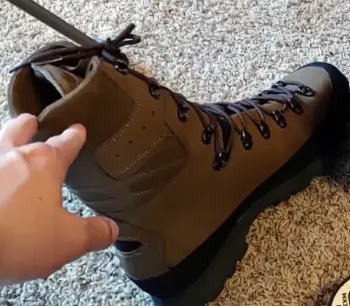
- Higher Price Point
Let’s be real—you pay a premium for these boots, often around $400 or more. I felt the sting when I bought mine, especially if you’re used to cheaper options.
While the quality justifies it over time, the initial cost might make you hesitate if budget is tight.
Analytically, it’s a trade-off: superior materials mean longevity, but not everyone can swing that upfront.
- Potential Break-In Period for Some
Although mine felt good out of the box, I’ve heard from others that the stiff leather can require a short break-in.
For me, it was minimal, but if your feet are sensitive, you might notice rubbing initially.
The analytical side shows this is common with high-end leather, but it could be a drawback if you need instant comfort.
- Weight Might Feel Heavier in Extended Use
At about 5 pounds per pair for the insulated model, they’re not the lightest.
On long hikes between job sites, I sometimes wished for something slimmer.
Analyzing this, the added protection causes the weight, which benefits stability but could fatigue you in non-climbing tasks.
- Limited Insulation Options
The non-insulated works great in mild weather, but if you face extreme cold often, you must opt for the 1000g version, which adds bulk.
I found the insulation effective, but switching pairs seasonally isn’t ideal for everyone.
From an analysis, this specialization means they’re not one-size-fits-all for climates.
- Availability and Sizing Challenges
Finding them in stores can be tricky; I ordered online.
Sizing runs true, but wide feet might need careful selection.
Analytically, the Italian craftsmanship limits mass production, leading to occasional stock issues.
Tips For Kenetrek Lineman Boots
- Regular Cleaning to Preserve Leather
You want your boots to last, right? Start with cleaning after every tough day. I wipe off dirt with a soft brush first, then use warm water and mild soap on a cloth to gently scrub.
Avoid harsh chemicals—they strip natural oils. For stubborn mud, let it dry then brush away. This keeps the leather from cracking.
Analytically, regular cleaning prevents buildup that wears down the material over time.
- Conditioning for Moisture and Flexibility
Conditioning is key; I do it monthly or after wet exposure. Apply a leather conditioner like mink oil with a clean cloth, rubbing in circular motions.
Let it absorb overnight. This restores oils, keeping the boot supple. For my Kenetreks, it enhances the waterproofing too.
Breaking it down, conditioning prevents drying, which leads to splits—essential for full-grain leather.
- Proper Drying Techniques
Never rush drying; I air dry them naturally away from heat sources like radiators.
Stuff with newspaper to absorb moisture inside.
This maintains shape and avoids shrinkage. Analytically, heat damages the membrane and leather structure, shortening lifespan.
- Storing to Maintain Shape
When not in use, I insert boot trees or cedar inserts to hold form and absorb odors.
Store in a cool, dry place, not crammed in a bag.
This prevents creases and mildew. From an analysis, proper storage extends durability by reducing stress on the materials.
- Lace and Hardware Care
Remove laces for deep cleans, washing them separately. Check hardware for corrosion; I apply a light oil if needed.
Tighten swivels occasionally. This keeps everything functional.
Analytically, neglecting this leads to breaks, compromising safety.
- Sole and Outsole Maintenance
Inspect the K-73 outsole for wear; I clean treads with a brush to remove debris. If worn, resole professionally.
This maintains traction. Breaking it down, regular sole care prevents slips and extends boot life significantly.
- Seasonal Prep and Protection
Before winter, I apply extra waterproofing spray. In summer, focus on breathability by conditioning lightly.
Rotate pairs if possible to let them rest. Analytically, seasonal care adapts to conditions, maximizing performance year-round.
Comparison Kenetrek Lineman Boots With Other Brands
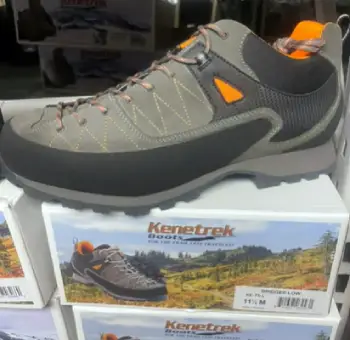
- Kenetrek vs Hoffman
When I stack Kenetrek against Hoffman, the differences shine in comfort and versatility.
Hoffman’s Driline boots are solid for pure climbing, with their shank support and Vibram soles gripping poles well.
But in my experience, they require a longer break-in, and some users report foot pain after extended ground work.
Kenetrek’s lighter profile and breathable membrane make them better for mixed tasks—you get that hiking-boot feel without sacrificing durability.
Analytically, while Hoffman excels in heavy-duty climbing, Kenetrek offers broader appeal for linemen who switch between bucket and pole work, with superior waterproofing edging it out for wet conditions.
- Kenetrek vs Danner
Danner’s Quarry boots are comfy right away, no break-in needed, and their wedge soles provide cushion on hard surfaces.
I’ve tried them, and they’re great for bucket jobs or flat terrain. However, Kenetrek pulls ahead in rugged environments with its stiffer midsole and deeper treads for better stability on slopes.
Danner might feel softer, but Kenetrek’s full-grain leather holds up longer against abrasions.
From an analytical view, if you prioritize instant comfort, Danner wins, but for demanding lineman duties with electrical hazards, Kenetrek’s ASTM-certified steel toe and swiveling hardware make it more reliable overall.
- Kenetrek vs Red Wing
Red Wing boots, like their lineman models, are built tough with Goodyear welts for easy resoling and oil-tanned leather that’s resistant to chemicals.
They’re a classic choice, and I respect their heritage. But Kenetrek feels more modern—lighter and with better breathability thanks to the Windtex. Red Wings can get heavy and hot in summer shifts.
Analytically, Red Wing might last slightly longer in industrial settings due to resole options, but Kenetrek’s custom outsole and ankle support give it an edge for climbing and uneven ground, making it my pick for active lineman roles.
- Kenetrek vs Thorogood
Thorogood’s American-made boots are durable, with poromeric linings for moisture wicking and often more affordable.
They’ve got good slip resistance, which I appreciate on oily surfaces. Yet, Kenetrek surpasses in traction with its K-73 lugs and overall lightness for all-day wear.
Thorogood can feel bulkier, leading to fatigue. Breaking it down analytically, Thorogood suits budget-conscious users in general labor, but Kenetrek’s premium materials and Italian craftsmanship provide superior waterproofing and support, ideal if you’re investing in gear that handles extreme weather and heights.
- Kenetrek vs Ariat
Ariat’s slip-on styles are convenient for quick on-off, with composite toes that are lighter than steel. They’re comfy for bucket work, and I’ve used them on lighter days.
However, Kenetrek dominates in protection with its steel toe and higher shaft for ankle stability. Ariat might not hold up as well in abrasive environments.
Analytically, Ariat is great for casual trades, but for serious lineman challenges like pole climbing in rain, Kenetrek’s reinforced stitching and membrane offer better longevity and safety.
Also Read: Comparison Of Merrell And Columbia Hiking Boots
Frequently Asked Questions (FAQ)
Yes, their durability and comfort justify the cost for heavy use.
Typically 1-4 years, depending on daily wear and maintenance.
Premium leather, waterproof membrane, and excellent traction stand out.
No, they run true to size; measure accurately.
In Wrapping Up
these Kenetrek Lineman Boots have transformed my workday.
Their toughness and fit make every job smoother.
If you’re serious about quality footwear, buy them now—you won’t regret the investment in your comfort and safety.
Recent Posts
● Interactive 5-Zone Interior & Exterior Paint Blueprint Paint Coverage Calculator: Gallons, Primer, Square Footage & Cost Tap any architectural surface zone on the blueprint...
If you want smooth, shiny hair without spending a fortune on a premium styling tool, the Ella Bella hair dryer may be worth considering.In these Ella Bella hair dryer reviews, I’ll look...