
I have spent years looking at flat and low-slope roofing systems for both commercial buildings and residential properties.
The choice between TPO and torch down keeps coming up in almost every conversation I have with building owners.
My goal here is to give you a clear practical breakdown of how these two systems stack up. You can weigh performance cost safety and long-term value without the usual sales talk.
| Feature | TPO Roofing | Torch Down Roofing |
| Material | Single-ply thermoplastic polyolefin | Multi-ply modified bitumen (asphalt-based) |
| Installation | Mechanical fasteners adhesive or ballast. Hot-air welded seams | Open-flame torch application |
| Typical Lifespan | 15–30 years | 15–25 years |
| Energy Efficiency | High. Reflective white surface | Moderate to low. Absorbs more heat |
| Puncture Resistance | Good. Better with thicker mils | Excellent. Layered construction |
| Fire Risk During Install | Low | Higher. Open flame |
| Foot Traffic Tolerance | Moderate | High. Granulated surface |
| Average Installed Cost | $5–$9 per sq ft | $4–$8 per sq ft |
| Best Climate Fit | Hot sunny regions | Varied. Especially wet or cold |
Key Differences Between TPO And Torch Down
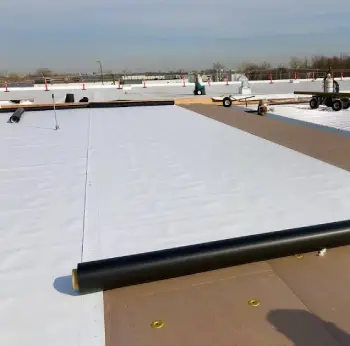
The differences show up most clearly when I look at how each system behaves on a real roof over time.
- Material composition and structure: TPO is a single continuous membrane. Torch down builds thickness with multiple plies.
The single-ply design keeps TPO lighter. The multi-ply design gives torch down more puncture resistance and backup waterproofing.
- Installation process and safety: TPO uses mechanical fasteners adhesives or ballast then hot-air welding. Torch down needs an open flame.
The flame creates a strong bond. It also raises the fire risk if the crew is not careful.
- Surface appearance and reflectivity: Most TPO arrives white or light-colored. It stays that way for years.
Torch down often has a dark or granule-covered surface. It absorbs more heat unless a reflective coating is added later.
- Response to temperature changes: Both systems expand and contract. TPO’s polymer formulation tends to handle wide swings with less stress.
Torch down’s asphalt base can soften in extreme heat. It can stiffen in extreme cold though modifiers help.
- Repair approach: A TPO patch is usually heat-welded into place. A torch-down repair often needs another torch application or specialized mastics. Both can be fixed.
The methods feel different in the field.
- Weight and structural load: TPO stays light. Torch down adds more mass with its layers. This matters on decks with limited capacity.
- Energy behavior over time: TPO keeps reflecting heat for years if kept clean. Torch down gains heat unless coated. Cooling costs can differ a lot in sunny areas.
These differences matter when the roof has many penetrations limited access or strict fire codes.
I always ask clients about local weather patterns.
I also ask how often people will walk on the roof before I lean toward one system.
Key Features Of TPO
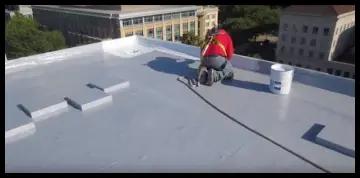
- Reflective white surface: It bounces sunlight instead of soaking it up. This keeps the roof cooler on hot days.
Cooling loads often drop as a result. In sunny climates the difference shows up clearly on energy bills after the first summer.
- Heat-welded seams: Crews create these with hot-air tools. No open flames are needed. A good weld forms a bond stronger than the membrane itself.
Proper temperature and speed control make the seam reliable for years.
- Lightweight construction: The material puts less stress on the roof deck. Older buildings often handle it better than heavier systems.
This also speeds up installation on large open areas.
- Chemical and UV resistance: Modern versions stand up to many rooftop pollutants. They also resist sunlight damage over time.
Grease oils and common industrial fallout cause fewer problems than with some older membranes.
- Thickness options: Most common grades are 45-mil 60-mil or 80-mil. Thicker sheets improve puncture resistance.
Choosing the right mil rating matches the expected foot traffic and weather exposure.
- Large sheet coverage: Fewer seams appear on the finished roof. This reduces potential leak points when installation is done right. Big rolls also cut labor time on wide commercial roofs.
Pros Of TPO Roofing
I appreciate TPO for several clear reasons that show up in day-to-day performance.
- Strong energy performance: The reflective surface keeps the roof cooler. Energy bills often drop in hot climates.
The savings can offset part of the higher initial cost within a few years.
- Safer installation process: No open flame means lower insurance costs for the contractor.
Risk stays lower around occupied buildings or wood structures.
- Lightweight and fast coverage: Large sheets go down quickly.
Reduced weight helps older buildings that cannot support heavy multi-layer systems.
- Good chemical and UV resistance: Modern formulations hold up against many rooftop pollutants. They also resist sunlight well.
Welded seams stay tight when installed correctly.
- Recyclable at end of service life: The membrane can be recycled in many markets.
This reduces landfill waste compared with some older systems.
- Fewer seams on large roofs: Bigger sheets mean less total seam length.
Leak potential drops when welding is done right.
- Compatibility with many insulation boards: The system works cleanly over common cover boards. Retrofit work often goes smoother.
These advantages make TPO a frequent recommendation for large commercial roofs in sunny regions. Cooling costs dominate the operating budget there.
Cons Of TPO Roofing
No system is perfect. TPO has limitations I have seen in the field.
- Dependence on installer skill: A poorly welded seam can fail years later. The margin for error is smaller than with multi-ply systems.
- Puncture vulnerability in thinner grades: 45-mil membranes can be damaged by dropped tools or sharp debris. Thicker grades perform better but cost more.
- Historical formula changes: Early versions had quality inconsistencies. Current products are better. Some building owners still remember the mixed reputation.
- Slippery surface when wet: Without walk pads the membrane can become slick. This matters for roofs that need regular access.
- Less proven long-term data in some climates: Twenty to thirty year claims are common. The material has a shorter real-world track record than asphalt-based systems in certain regions.
- Sensitivity to cold during install: Work often needs warmer weather. Cold can make the membrane stiffer and harder to weld cleanly.
- Need for clean substrate: Dirt or moisture under the sheet can cause problems later. Preparation must be thorough.
I always stress the need for experienced crews and the right thickness when someone is considering TPO.
Key Features Of Torch Down
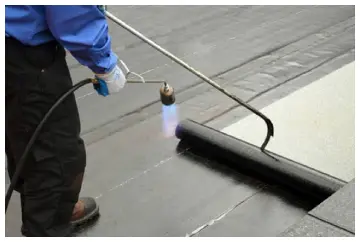
- Multi-layer construction: A base sheet sits under a protective cap sheet. This builds real thickness and redundancy.
If the top layer takes minor damage the lower layers still keep water out.
- Granulated top surface: The granules improve traction. They also add UV protection for the asphalt below.
Walking on the finished roof feels more secure than on smooth single-ply membranes.
- Ponding water resistance: The fused membrane handles standing water well when details are correct.
Slow drainage areas cause fewer early failures compared with some thinner systems.
- Temperature flexibility: Polymer modifiers let the material expand and contract.
Cracking risk drops in many climates. Freeze-thaw cycles and hot summer days both get managed better than plain asphalt once did.
- Proven long track record: The system has decades of field use in varied regions.
Crews know its behavior well. This history helps with predictable maintenance planning.
- Impact strength: The thick build shrugs off minor drops and foot traffic better than thin single-ply sheets.
Tools or small debris rarely punch through all layers at once.
Pros Of Torch Down Roofing
Torch down continues to earn a place on many projects for solid practical reasons.
- Excellent waterproofing and redundancy: Multiple layers create backup protection. The fused membrane handles ponding water better than many single-ply options I have inspected.
- High puncture and impact resistance: The thick granulated surface shrugs off foot traffic. Minor impacts that might pierce a thinner membrane cause less trouble here.
- Proven flexibility across temperature ranges: Polymer-modified asphalt expands and contracts without cracking in many climates. Freeze-thaw cycles are handled well.
- Familiar installation methods for many crews: Experienced torch-down applicators know the material. Consistent results come when safety protocols are followed.
- Good traction for maintenance work: The granular surface feels secure underfoot. Slip risk drops during inspections or repairs.
- Strong performance under standing water: Properly detailed systems resist leaks even when drainage is slow. This helps roofs with flat areas.
- Durable surface under equipment pads: HVAC units and walkways sit more securely. Wear from movement is reduced.
These strengths make torch down a reliable choice for roofs that see regular activity. It also works well in wetter environments.
Cons Of Torch Down Roofing
The drawbacks are real and worth weighing carefully.
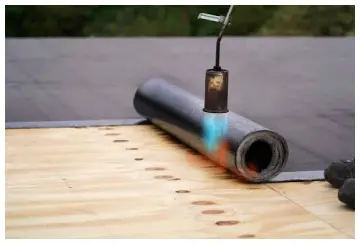
- Open-flame fire risk during installation: Even skilled crews must follow strict safety rules. Insurance costs and local fire codes can limit where torch down is allowed.
- Higher labor intensity: Heating each roll takes time and attention. The process is slower than rolling out large TPO sheets on a simple roof.
- Greater heat absorption: Dark surfaces raise the temperature of the roof deck. The space below can warm up unless a reflective coating is applied.
- Potential odor and mess during application: The heating process can produce fumes. Some occupants notice this especially on occupied buildings.
- Heavier overall system: The multi-ply assembly adds more weight. Structures with limited load capacity may not suit it.
- More seams on complex roofs: Narrower rolls mean more joints to fuse. Detail work around penetrations takes extra care.
- Granule loss over time: UV and weather can wear the top surface. Periodic checks help catch this early.
I have turned down torch-down proposals on projects near highly combustible materials. I also avoid it where the owner wanted minimal disruption during installation.
Cost Considerations Over Time
Upfront pricing often favors torch down by a modest margin. The gap narrows once you factor in energy use and expected service life.
TPO’s reflective surface can lower cooling costs enough in hot climates to improve the long-term equation. Torch down may need more frequent attention in high-UV areas if the granules wear away.
Both systems benefit from regular inspections. I usually advise clients to request side-by-side bids.
These should include the same insulation package and flashing details. That way the comparison stays fair. Labor rates vary by region.
Safety requirements for torch work can push its installed price closer to TPO in some markets. Energy savings from TPO become more noticeable after the second or third cooling season in sunny locations.
Installation Realities And What I Look For?
For TPO I check that the crew uses calibrated hot-air welders. They should test seams daily. For torch down I want to see fire extinguishers on the roof.
Proper substrate protection and experienced torch operators matter. Substrate preparation is critical for both. A wet or uneven deck will shorten the life of either system. Cover boards are common under TPO retrofits.
They are sometimes used under torch down when the existing surface is irregular. Edge metal and flashing details need the same care on both systems. Poor detailing at walls and penetrations causes more leaks than the field membrane itself.
Weather windows also differ. TPO welding can be sensitive to cold and wind. Torch work needs dry conditions and careful flame control near edges.
Climate And Building Use Factors
In hot sunny locations TPO’s reflectivity gives it an edge. In cooler wetter regions the multi-layer waterproofing of torch down often feels more reassuring.
Roofs with heavy equipment or frequent foot traffic lean toward torch down. Simple large commercial roofs with limited access lean toward TPO.
Local building codes and insurance requirements can tip the scale either way. Coastal areas with salt air may favor one formulation over another.
High-wind zones need proper attachment patterns for both systems. I always review the manufacturer’s wind uplift ratings before finalizing a recommendation.
Building occupancy also matters. Occupied spaces under the roof may limit open-flame work during the day.
Maintenance Expectations
Both systems need periodic inspections. This is especially true after storms. TPO benefits from keeping the surface clean so reflectivity stays high.
Torch down benefits from checking seams and replacing any lost granules. Walk pads help both systems last longer when technicians need access.
I recommend at least an annual inspection. Prompt attention to any ponding or debris buildup prevents bigger problems.
Small punctures are easier and cheaper to fix when caught early. Drainage paths should stay clear on both systems.
Clogged drains cause ponding that stresses any membrane over time. Documenting inspections helps with warranty claims later.
Making The Choice For Your Property
When I sit down with an owner I start with three questions. How hot does the climate get in summer? How often will people walk on the roof?
What is the fire-risk tolerance of the building and the insurer? The answers usually point clearly toward one system. TPO rewards owners who value energy savings and safer installation.
Torch down rewards owners who value puncture resistance and multi-layer protection. Neither is universally better.
The right choice matches the building’s needs and the quality of the crew that will install it. Budget timelines and local contractor experience also play roles.
A well-installed system of either type will outperform a poorly installed premium product. Quality of workmanship remains the biggest factor I see in long-term performance.
Also Read: Is PABCO Roofing Worth It?
Frequently Asked Questions (FAQ)
Torch down often costs slightly less upfront. Labor and safety requirements can close the gap. Long-term energy savings may favor TPO in hot climates.
It depends heavily on installation quality. Thinner grades puncture more easily. The surface can be slippery when wet.
Yes when the existing torch-down roof is sound and dry. A cover board is usually installed first. This creates a clean stable surface for the new membrane.
Open-flame installation carries fire risk. The surface absorbs more heat. The system is heavier and more labor-intensive to install.
Wrapping Up
I have walked both types of roofs in every season. I have watched how they hold up under real weather and real use. The decision comes down to matching the material to the building.
Once you know your climate your traffic patterns and your risk tolerance the better option becomes clear.
Take time to get multiple detailed bids. Ask about the specific thickness or ply count.
Confirm the crew’s experience with the chosen system. That approach has served my clients well over the years.
Recent Posts
I spent months comparing budget options against established names after my last set of tires wore out sooner than expected.My goal here is to share what I learned from putting Dextero and...
AquaTru Carafe Vs. Classic: Which Is Actually Fits Your Kitchen?
I decided to write this comparison after months of testing both the AquaTru Carafe and the Classic in my own kitchen. Tracking covered daily use.Taste stayed consistent. Refill frequency...