
I’ve been obsessed with adding heat and texture to my everyday meals for years, and nothing beats a good crunchy chili condiment for transforming simple dishes.
After stocking up on jars and experimenting in my kitchen, I wanted to settle the debate once and for all: Trader Joe’s Chili Onion Crunch versus classic chili crisp.
My goal with this piece is to walk you through every angle—taste, texture, versatility, and real-world performance—so you can decide which one belongs in your pantry based on what actually works when you cook.
| Aspect | Trader Joe’s Chili Onion Crunch | Classic Chili Crisp |
| Spice Level | Mild to medium (gentle warmth, no sweat) | Medium to hot (bold fire, builds quickly) |
| Main Ingredients | Olive oil, dried onions, dried garlic, chili flakes, red bell peppers, sea salt | Neutral oil, dried chilis, garlic, shallots/onions, often fermented soybeans or peanuts |
| Texture | Heavy crunch from big onion and garlic pieces, oily | Crispy chili bits, variable crunch, sometimes finer |
| Flavor Profile | Savory onion-garlic forward, smoky, slightly sweet | Umami-rich, nutty, fermented depth, chili-dominant |
| Heat Build | Quick and even, easy on the palate | Lingering burn with numbing undertones in some brands |
| Best For | Beginners, kids, all-day use | Heat lovers, authentic Asian-inspired dishes |
| Price per Jar | Around $4–5 for 6 oz | $5–12 depending on brand and size |
| Oil Type | Olive oil base (richer mouthfeel) | Soybean or vegetable oil (lighter, more neutral) |
What Trader Joe’s Chili Onion Crunch Brings To My Table?
I remember the first time I twisted open a jar of Trader Joe’s Chili Onion Crunch. The scent hit me immediately—roasted garlic and toasted onions swimming in golden olive oil.
It isn’t shy about its star players. Those dried onion flakes and garlic pieces are chunky, almost like little savory croutons suspended in oil.
When I spooned some onto warm rice straight from the cooker, the crunch popped against the soft grains while the oil carried a gentle chili warmth that never overwhelmed.
The olive oil base makes it feel luxurious compared to thinner supermarket oils. It coats everything evenly without turning greasy if you use a light hand.
I’ve layered it on avocado toast where the crunch cut through the creaminess perfectly, and on scrambled eggs where the garlic notes woke everything up without needing extra salt.
For me, the flavor lands squarely in savory territory with a faint sweetness from the dried peppers. It isn’t trying to be a fiery hero; it’s the reliable sidekick that makes boring meals taste intentional.
How Classic Chili Crisp Stacks Up In My Kitchen?
Classic chili crisp, the kind you find in Asian markets or from brands that built their name on it, plays a different game. I keep a jar of the iconic version on hand—the one loaded with fried chili flakes, garlic, and those fermented bits that deliver deep umami.
The first bite usually surprises me with its forward chili punch. The heat doesn’t hide; it announces itself, then lingers with a satisfying tingle.
Texture varies by brand, but I usually get smaller, crispier chili fragments that almost shatter between my teeth.
The oil tends to be lighter, letting the aromatics shine without the richness of olive oil. I’ve used it in stir-fries where it fused with ginger and scallions, or drizzled over dumplings where the fermented notes echoed the filling.
It feels more traditional, more assertive, and honestly more complex on the tongue because of those layered savory elements.
Key Differences Between Trader Joe’s Chili Onion Crunch And Chili Crisp
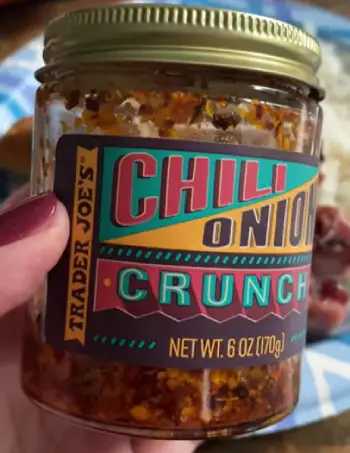
- Onion and garlic dominance: Trader Joe’s loads up on dried onions and garlic for a pronounced allium crunch that tastes like someone toasted them fresh; classic versions treat them as supporting players to the chilis.
- Spice intensity: I notice Trader Joe’s delivers a warm hug of heat that anyone can handle, while classic chili crisp often brings a proper sweat-inducing burn that builds and stays.
- Oil choice and mouthfeel: The olive oil in Trader Joe’s gives a smoother, almost buttery coating that clings to food; neutral oils in traditional crisp keep things lighter and let the chili flavor cut sharper.
- Crunch size and style: Trader Joe’s pieces are bigger and more noticeable, almost like crunchy toppings you chew; chili crisp bits tend to be finer and integrate into the oil more seamlessly.
- Umami depth: Classic versions often include fermented soybeans or peanuts that add that extra savory punch; Trader Joe’s keeps it cleaner and more straightforward without those fermented layers.
- Accessibility and price: Trader Joe’s sits on every shelf for a few bucks and appeals to beginners; premium chili crisp can cost more and feel like a specialty item for those who already crave heat.
- Versatility in Western dishes: I reach for Trader Joe’s more often on pizza, burgers, or roasted potatoes because it plays nice with milder flavors; chili crisp shines brightest in noodle bowls or mapo tofu.
These differences aren’t small—they change how I cook depending on my mood and who’s eating.
Key Features Of Trader Joe’s Chili Onion Crunch

- Built-in crunch factor: Those visible onion and garlic chunks deliver satisfying texture every single time I use it—no guessing if the crunch survived the jar.
- Mild heat profile: Perfect for family meals or when I want flavor without reaching for water midway through dinner.
- Olive oil richness: The oil itself tastes clean and slightly fruity, which elevates simple proteins like grilled chicken or baked salmon.
- All-purpose seasoning vibe: I treat it like a finishing touch rather than a cooking ingredient because the flavors hold up beautifully when added at the end.
Clean ingredient list: No weird additives; just real dried bits and oil that feel honest on the label.
I love how it turns leftover takeout into something special—just a spoonful wakes up cold noodles or rice without overpowering the original dish.
Pros Of Trader Joe’s Chili Onion Crunch
- Affordable everyday hero: At its price point I can keep multiple jars without thinking twice, which means I actually use it constantly.
- Beginner-friendly spice: I can serve it to guests who claim they “don’t do spicy” and still watch them go back for seconds.
- Incredible texture payoff: The crunch stays loud even after sitting on hot food, which makes every bite interesting.
- Pairs with Western favorites: It upgrades eggs, toast, pizza, and burgers in ways traditional versions sometimes fight against.
- No overwhelming aftertaste: The olive oil mellows everything out so leftovers don’t taste like straight chili the next day.
I’ve literally rescued bland weeknight chicken breasts with a generous drizzle and called it gourmet.
Cons Of Trader Joe’s Chili Onion Crunch
- Lacks serious heat for spice lovers: If I’m in the mood for fire, this one feels polite rather than punchy.
- Can feel oily in large amounts: Too much on lighter dishes turns them greasy instead of crisp.
- Onion-forward bias: The garlic and onion can dominate delicate flavors if you’re not careful with portions.
- Less complex than premium options: It delivers one solid note instead of the symphony you get from fermented or multi-layered versions.
- Texture polarizing for some: Those big crunchy pieces delight me but have made a few friends describe it as “gritty” in certain applications.
I’ve learned to use less when pairing with subtle ingredients so it doesn’t steal the show.
Key Features Of Classic Chili Crisp
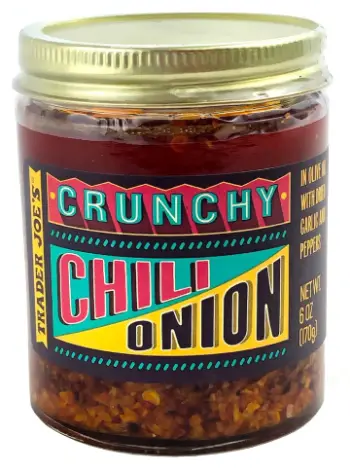
- Authentic chili-forward heat: The dried peppers carry real personality, often with subtle floral or smoky notes depending on the variety.
- Layered umami: Those fermented elements or added nuts create depth that makes simple broths or dumpling sauces taste restaurant-quality.
- Versatile oil infusion: The lighter oil blends into sauces or dressings more easily, turning into a flavor carrier rather than a heavy coating.
- Variable texture options: Some jars lean crunchier, others oilier, giving me choices based on the recipe.
- Cultural backbone: It brings genuine tradition to the table, which I appreciate when I’m cooking Chinese-inspired meals from scratch.
When I’m craving something bold, this is the jar that delivers fireworks instead of a gentle glow.
Pros Of Classic Chili Crisp
- Bold, addictive heat: That lingering burn keeps me reaching for more even when my mouth says enough.
- Deep savory layers: The umami bomb effect makes everything from rice to ramen taste more complete.
- Authentic restaurant flavor: One spoonful can mimic what I get at my favorite takeout spot.
- Excellent in sauces and marinades: It mixes into dressings or stir-fry bases beautifully because the oil carries flavor evenly.
- Grows on you over time: The more I use it, the more I crave that specific chili profile.
It turned my basic fried rice into something I actually look forward to eating cold the next day.
Cons Of Classic Chili Crisp
- Too spicy for casual use: I can’t casually add it to kids’ plates or mild proteins without adjustment.
- Higher cost for quality jars: Good ones aren’t cheap, which makes me hesitate on everyday stocking.
- Oil separation issues: Some brands require serious stirring every time, and the sediment can settle unevenly.
- Stronger aftertaste: Leftovers sometimes carry a heavier chili breath that lingers longer.
- Less forgiving with Western dishes: It can clash with cheese or creamy sauces where Trader Joe’s blends right in.
Texture Showdown That Changed How I Cook?

I did a blind texture test one weekend with my partner. We spooned both onto plain white rice and closed our eyes.
Trader Joe’s Chili Onion Crunch gave us that satisfying snap-crunch-pop with every forkful – those onion pieces refused to back down.
The chili crisp, meanwhile, melted into the rice, turning each grain into a spicy, glossy bite that felt almost saucy.
Both are fantastic, but they deliver two completely different mouth feels. I now reach for the TJ’s version when I want contrast and crunch on top of creamy or soft foods, and I grab chili crisp when I want everything to come together in one harmonious, oily embrace.
Flavor Profiles Side By Side
Trader Joe’s Chili Onion Crunch tastes like someone took the best parts of French onion dip and a spicy Asian chili and smashed them together.
The sweetness from the fried onions keeps it approachable, while the chili flakes add just enough edge. Classic chili crisp is bolder, earthier, and more aggressive in the best way possible.
It reminds me of walking into a Sichuan restaurant – that roasted chili perfume hits your nose before the heat even registers on your tongue.
I’ve caught myself licking the spoon after using either one, but the TJ’s jar makes me go back for seconds because it feels lighter and more snackable.
Heat Levels Compared In Real Meals
I rate heat on a 1-10 scale after eating the same dish three days in a row with each product. Trader Joe’s Chili Onion Crunch consistently lands around a 3 to 4 for me – warm, present, but never painful.
I can eat a heaping tablespoon on my eggs and still taste the eggs. Classic chili crisp ranges from 4 all the way to an 8 depending on the brand I grab. Some jars have that slow-building fire that makes my forehead sweat in the best way; others stay gentle enough for daily use.
If you’re spice-curious but not a masochist, TJ’s is the safer daily driver.
Ingredient Breakdown I Actually Read
I flipped both jars upside down and studied the labels like a detective. Trader Joe’s keeps it simple: onions, vegetable oil, chili peppers, garlic, sesame seeds, salt.
No mystery additives, no long list of preservatives. Classic chili crisp jars vary, but many include fermented soybeans, peanuts, sugar, and a rotating cast of spices. That extra fermentation in chili crisp gives it a deeper umami punch that TJ’s doesn’t quite match.
On the flip side, the simplicity of Trader Joe’s means the onion flavor stays pure and never fights with other ingredients in my recipes.
Also Read: Is Trader Joe’s Chili Onion Crunch Worth It?
Frequently Asked Questions (FAQ)
No. Chili onion crunch emphasizes bigger onion and garlic pieces with milder heat, while chili crisp focuses on chili-forward flavor with more variable spice and often fermented depth.
It depends on your heat tolerance and budget. I lean toward Trader Joe’s for everyday mild use and the classic Lao Gan Ma for authentic bold flavor, but taste is personal.
Savory toasted onions and garlic with a gentle chili warmth, all suspended in rich olive oil for a crunchy, smoky bite that feels balanced and satisfying.
Mild to medium at most. It delivers warm flavor without burning, making it approachable even if you usually avoid spicy foods.
Wrapping Up
I’ve poured hundreds of words into this comparison because these two jars genuinely changed how I season my food.
You now have my full, uncensored take based on real meals, real messes, and real repeat purchases. Grab a spoon, open both jars, and see which one makes you smile bigger.
Your taste buds will thank you, and your next meal is about to level up.
Recent Posts
● Interactive 5-Zone Interior & Exterior Paint Blueprint Paint Coverage Calculator: Gallons, Primer, Square Footage & Cost Tap any architectural surface zone on the blueprint...
If you want smooth, shiny hair without spending a fortune on a premium styling tool, the Ella Bella hair dryer may be worth considering.In these Ella Bella hair dryer reviews, I’ll look...