
I am always on the hunt for the perfect hydration solution, especially after an intense workout or a long day in the sun. That is why I decided to test two of the most popular electrolyte mixes on the market. My main intent in this article is to figure out whether Propel or Liquid I.V. is the better choice for your daily hydration needs.
I will break down their ingredients, taste, effectiveness, and overall value so you can make an informed decision without the guesswork. Let us examine what makes these two drinks stand out.
A Brief Comparison Table
| Feature | Propel | Liquid I.V. |
| Primary Goal | Zero sugar hydration | Rapid hydration with sugar |
| Calories | Zero calories | Forty five calories |
| Sugar Content | Zero grams | Eleven grams |
| Key Electrolytes | Sodium and potassium | Sodium and potassium |
| Price Point | Budget friendly | Premium pricing |
| Form Factor | Powder packets and bottled water | Powder packets |
My Experience With Propel
Over the past few months, I have incorporated Propel extensively into my daily routine. I typically use it during my desk work hours when plain water starts to feel incredibly monotonous, or right after a casual evening jog around my neighborhood.
I have found it incredibly easy to just tear open a small packet, dump it into my reusable water bottle, and shake it up for a quick burst of flavor. It never feels heavy in my stomach, and I appreciate that I do not have to worry about tracking extra calories or sugar.
It has fundamentally changed how much water I drink daily simply because it makes the process of staying hydrated much more enjoyable and significantly less of a chore.
Pros Of Propel
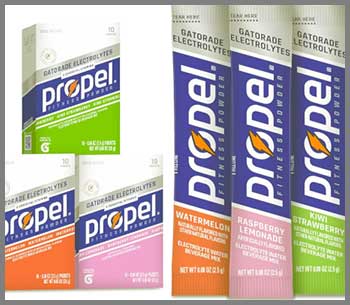
- Zero sugar formulation: One of the most significant advantages I have noticed while using Propel is its complete lack of sugar. When I am sipping on a beverage throughout the workday or trying to stay hydrated during a light evening walk, I do not want to consume unnecessary empty calories.
- Budget friendly pricing: Affordability is a crucial factor when choosing a daily hydration supplement, and Propel truly excels in this category. I have found that purchasing a box of Propel powder packets is incredibly cost-effective compared to the premium hydration multipliers on the market.
- Added vitamins and minerals: Beyond just providing basic electrolytes like sodium and potassium, Propel is fortified with a solid blend of essential vitamins. I appreciate that every packet includes vitamin C and several B vitamins, which play a vital role in supporting my immune system and natural energy metabolism.
- Light and refreshing taste: Sometimes, heavy electrolyte formulas can taste overly salty or thick, but Propel offers a surprisingly crisp and clean drinking experience. I genuinely enjoy the subtle, fruity flavor profiles like Kiwi Strawberry and Grape. The lightness of the drink means it is incredibly easy to chug when I am exceptionally thirsty, and it never leaves a sticky or cloying residue in my mouth.
- Wide ease of availability: Convenience cannot be overstated when it comes to grocery shopping, and Propel is practically omnipresent. I can walk into almost any local supermarket, corner convenience store, or pharmacy and easily find either the ready-to-drink bottles or the convenient powder packets. I do not have to rely on specialized online orders or visit niche health food stores to restock my supply.
Cons Of Propel
- Reliance on artificial sweeteners: While the zero-sugar aspect is great for calorie counting, it relies heavily on artificial sweeteners like sucralose and acesulfame potassium to deliver that sweet taste. I have noticed that these artificial additives can sometimes leave a slight, lingering chemical aftertaste that not everyone appreciates. Furthermore, some individuals have digestive sensitivities to artificial sweeteners, which can cause mild bloating or discomfort if consumed in large quantities.
- Lower overall electrolyte concentration: When I compare the nutritional label of Propel to heavy-duty hydration multipliers, it becomes clear that Propel contains a relatively modest amount of sodium and potassium. For light exercise or casual office hydration, this lower concentration is perfectly fine. However, if I am engaging in rigorous endurance training, running a marathon, or sweating profusely in high temperatures, Propel simply does not pack enough of an electrolyte punch to quickly replenish what my body is losing.
- Presence of artificial flavors and preservatives: In addition to artificial sweeteners, the formula includes artificial flavors and preservatives to maintain its shelf life and consistent taste profile. I always try to be mindful of how many highly processed ingredients I am putting into my body on a daily basis. The inclusion of these artificial compounds means Propel is a heavily engineered product rather than a natural one.
- Lack of caloric energy for intense activity: Because it is completely devoid of sugar and calories, Propel offers zero immediate physical energy. When my body is completely depleted after a grueling two-hour workout, a small amount of glucose is actually incredibly beneficial to help shuttle water and nutrients into my exhausted cells. The absence of this functional sugar means that Propel will not give you that sudden, reviving burst of energy that a traditional sports drink provides.
- Not ideal for managing severe dehydration: There have been times when I woke up feeling extremely dehydrated, either from a mild illness or after a celebratory night out with friends. In those moments, my body is craving a rapid, highly effective intervention. I have found that Propel falls short as a therapeutic recovery drink.
Maintenance Tips For Propel
- Maintaining proper storage conditions: To ensure your Propel powder packets retain their freshness and efficacy, it is crucial to store them in a cool, dark, and dry environment. I always make sure to keep my box of packets in a kitchen pantry away from the stove or any direct sunlight. Exposure to high heat or excess humidity can cause the fine powder to harden into an unusable rock-like clump. By keeping them properly sealed and away from moisture, you guarantee that the powder will dissolve instantly and smoothly into your water every single time you need a drink.
- Finding your optimal water to powder ratio: The standard recommendation is to mix one Propel packet with sixteen ounces of water, but I highly suggest experimenting to find the flavor intensity that suits your personal palate. I often find that sixteen ounces tastes just a bit too sweet for my liking, so I will mix one packet into twenty or even twenty-four ounces of ice-cold water. This maintenance trick not only dilutes the artificial sweetener taste but also tricks me into consuming a larger volume of water overall, which directly amplifies the core goal of staying adequately hydrated throughout the day.
- Strategic timing for your consumption: While you can technically drink Propel at any time, timing your intake can maximize its benefits. I make it a habit to prepare a bottle right before I start a moderate workout, taking consistent sips to maintain my baseline hydration. It is also an excellent afternoon pick-me-up when the dreaded post-lunch slump hits and I need a refreshing mental boost without reaching for more caffeine. By consciously pacing my consumption rather than chugging it all at once, my body has a better opportunity to steadily absorb the provided vitamins and minerals.
- Regularly cleaning your reusable water bottle: This is a vital maintenance step that many people overlook when regularly consuming flavored water enhancers. Even though Propel is sugar-free, the artificial flavorings, colors, and citric acid can quickly build up and leave a stubborn, lingering residue inside your favorite stainless steel or plastic tumbler. I strongly recommend scrubbing your bottle thoroughly with warm water, mild dish soap, and a specialized bottle brush after every single use. Skipping this crucial cleaning routine can lead to a musty smell and negatively impact the flavor of plain water later on.
- Monitoring your daily intake limits: Although it is incredibly refreshing, it is important to practice moderation and not entirely replace your daily plain water intake with Propel. Because it contains artificial sweeteners and a specific vitamin profile, overconsumption is something I actively try to avoid. I try to limit myself to one or two packets maximum per day, ensuring that the vast majority of my fluid intake still comes from pure, unflavored water. Maintaining this balance ensures I get the electrolyte benefits when I need them without overloading my system with processed, synthetic ingredients.
Read more: My Thoughts on Gorilla Mind Energy Drink
Comparison With Other Brands
- Propel versus Gatorade Zero: Because both products are actually manufactured by the exact same parent company, they share a very similar overarching philosophy regarding sugar-free hydration. However, I have noticed distinct differences in their nutritional profiles and target audiences. Gatorade Zero typically features a slightly more robust electrolyte blend specifically tailored for athletic performance and recovery. In contrast, Propel leans more toward casual, everyday hydration, bringing the added benefit of essential vitamins like Vitamin C and B complex, which Gatorade Zero generally lacks. Propel tastes lighter, whereas Gatorade Zero retains that classic, slightly heavier sports drink mouthfeel.
- Propel versus Powerade Zero: When looking at the broader market, Powerade Zero stands out as a direct competitor that also offers zero calories and a blend of electrolytes. My experience shows that Powerade Zero utilizes a unique advanced electrolyte system, which theoretically provides a more complex mineral profile. However, Propel often wins out in terms of sheer portability. Propel’s powder packets are incredibly easy to throw into a gym bag, whereas Powerade Zero is predominantly purchased and consumed in heavy, ready-to-drink plastic bottles. Propel also tends to have a crisper, less syrupy finish compared to Powerade’s flavor formulations.
- Propel versus Nuun Tablets: Nuun approaches hydration from a slightly different angle by offering an effervescent tablet rather than a standard loose powder. I find Nuun to be an excellent, cleaner alternative because it utilizes more naturally derived ingredients and subtle plant-based sweeteners. Nuun tablets produce a lightly carbonated, fizzy beverage that feels quite refreshing. However, Propel is significantly cheaper per serving and dissolves almost instantly with a quick shake. Nuun tablets require a minute or two to fully dissolve, and the fizzy texture is not always ideal when you are breathing heavily in the middle of a strenuous cardiovascular workout.
- Propel versus Mio Sport: Mio Sport operates in the liquid water enhancer category, requiring you to physically squirt concentrated syrup into your water. I appreciate the customizable nature of Mio, as you can easily control exactly how much flavor you want with a simple squeeze. Yet, Propel provides a more consistent, pre-measured serving of electrolytes and vitamins in every packet. I also find that Propel’s powder generally results in a smoother, more integrated flavor, whereas liquid enhancers like Mio can sometimes settle at the bottom of the glass or taste overly concentrated and acidic if you accidentally squeeze too hard.
- Propel versus Vitaminwater Zero: Both of these beverages heavily market their inclusion of supplemental vitamins alongside hydration. Vitaminwater Zero comes in a large array of unique, creatively named flavors and includes a diverse spectrum of added nutrients depending on the specific bottle you choose. However, Propel remains the vastly superior option when it comes to environmental sustainability and convenience. Buying a small cardboard box of Propel powder packets creates significantly less plastic waste than purchasing cases of heavy, single-use Vitaminwater bottles, making Propel the much smarter choice for the eco-conscious consumer who still wants flavored, vitamin-enhanced hydration.
My Experience With Liquid I.V.
I initially turned to Liquid I.V. during a particularly brutal summer camping trip where the heat was absolutely relentless. Plain water was simply not cutting it, and I was beginning to feel lightheaded and fatigued.
Mixing up a single packet of the lemon-lime flavor provided an almost instant wave of relief and restored my energy levels fast. Since then, I have kept a stash of these packets in my gym bag for intense, high-sweat cardiovascular sessions, and in my travel carry-on to combat the notoriously dehydrating environment of airplane cabins.
It has proven itself as a highly reliable, heavy-duty tool for those moments when my body demands immediate and efficient fluid replenishment.
Pros Of Liquid I.V.
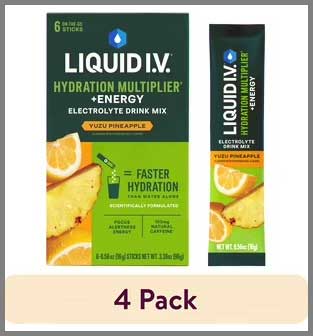
- Cellular transport technology: The core science behind Liquid I.V. is what truly sets it apart from standard sports beverages. It utilizes a specific, scientifically balanced ratio of sodium, glucose, and potassium. In my experience, this specific formulation acts like a rapid delivery system, pulling water and essential nutrients directly into my bloodstream much faster than drinking plain water alone.
- High electrolyte content: If you are someone who loses a massive amount of sweat, the mineral density in this product is incredibly impressive. A single packet contains three times the electrolytes of traditional sports drinks, offering a robust dose of sodium that is critical for preventing muscle cramps and fatigue. When I am hiking up a steep trail in the sweltering heat, I desperately need this high concentration to replenish my rapidly depleting salt stores.
- Rapid rehydration capabilities: The speed at which this product works is genuinely remarkable. Whenever I feel that deep, systemic thirst that simply will not go away, plain water often takes too long to make a noticeable difference in how I feel. Because of the inclusion of cane sugar, which acts as the crucial catalyst for absorption, Liquid I.V. rapidly quenches my thirst and banishes dehydration symptoms within minutes.
- Premium vitamin b complex: I greatly appreciate that Liquid I.V. does not just stop at basic hydration; it functions as a potent daily vitamin supplement as well. Each serving contains an impressive blend of B vitamins, including B3, B5, B6, and B12, along with a healthy dose of Vitamin C. These specific nutrients are absolutely essential for cellular energy production and supporting a healthy nervous system. By drinking a packet, I am essentially getting a high-quality energy boost without relying on nervous jitters from caffeine, all while supporting my immune system health simultaneously.
- Effective hangover relief: While the company primarily markets it for daily wellness and athletic recovery, I have found it to be an absolute lifesaver after a night of enjoying alcoholic beverages. Alcohol is a notorious diuretic that rapidly drains the body of fluids and critical electrolytes, leading to terrible morning symptoms. Drinking a glass of Liquid I.V. right before bed, or immediately upon waking, rapidly restores that lost hydration balance.
Cons Of Liquid I.V.
- High sugar content: The most glaring drawback for many health-conscious consumers is the undeniable presence of added sugars. Each standard packet contains roughly eleven grams of cane sugar. While I understand that this glucose is strictly necessary to activate the rapid absorption technology, it is still a significant amount of sugar to consume in a single sitting, especially if you are drinking multiple packets a day. For individuals carefully managing their blood sugar levels, monitoring daily carbohydrate intake, or trying to achieve a caloric deficit for weight loss, this substantial sugar load makes it an unsuitable daily hydration option.
- Premium price tag: Unquestionably, Liquid I.V. is a premium product, and the retail cost heavily reflects that status. When I break down the price per serving, it is significantly more expensive than standard sports drinks, basic electrolyte powders, or simple electrolyte pills. While the high-quality ingredients and effective technology somewhat justify the elevated cost, it can quickly become an expensive daily habit. If you are on a tight grocery budget or consuming hydration mixes frequently throughout the week, the financial investment required to maintain a consistent supply of this product is a major negative factor to consider.
- Strong and salty taste profile: Because it is packed with such a high concentration of necessary sodium, the flavor profile is incredibly intense and noticeably salty. While the company does an admirable job masking this with strong fruit flavors like Lemon Lime and Passion Fruit, the salty undertone is impossible to miss. I have found that if I do not mix it with enough water, it can taste overwhelmingly thick, syrupy, and frankly, a bit like drinking flavored seawater. This bold, unapologetic taste is highly polarizing; some people enjoy the robust flavor, while others find it completely unpalatable and difficult to finish.
- Caloric density: Along with the high sugar content comes a notable caloric footprint. A single packet contains approximately forty-five calories. While forty-five calories might not seem like a massive amount in the grand scheme of a daily diet, those liquid calories can quickly add up if you use two or three packets during a long, demanding workday or an extended outdoor adventure. If your primary goal is clean, calorie-free hydration to accompany intermittent fasting or strict dietary protocols, the caloric density of this beverage completely disqualifies it from being your go-to hydration solution.
- Potential for clumping: In my experience, the fine powder formulation can be incredibly sensitive to humidity and moisture. If you leave a packet half-open, or if the box sits in a slightly damp environment, the powder rapidly absorbs the ambient moisture and solidifies into a hard, sticky clump. Once it clumps, it becomes incredibly frustrating and difficult to dissolve fully in cold water, often leaving gritty, unappetizing chunks at the bottom of my glass. This requires aggressive shaking or even warm water to properly dissolve, which ruins the convenience factor when I am rushing to the gym.
Maintenance Tips For Liquid I.V.
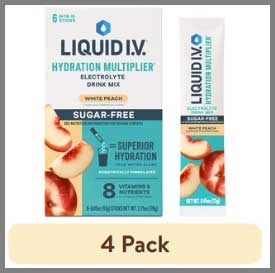
- Protecting packets from humidity: Given the powder’s unfortunate tendency to clump when exposed to moisture, meticulous storage is absolutely essential. I highly recommend storing your extra supply in a completely airtight container, or at the very least, keeping the original resealable pouch tightly closed in a cool, incredibly dry location.
- Diluting for taste preferences: Because the flavor and salinity are so potent and concentrated, playing around with the dilution ratio is a necessary maintenance step for an enjoyable experience. The instructions recommend sixteen ounces of water, but I consistently find that mixing one packet into twenty-four to thirty ounces of ice-cold water yields a far more balanced and pleasant taste.
- Strategic timing for workouts: To truly maximize the benefits of the rapid absorption technology, I try to be highly strategic about when I consume it. I have discovered that drinking a serving approximately thirty minutes before a strenuous, heavy-sweat workout hyper-hydrates my body, preventing early fatigue and maintaining my stamina. Alternatively, chugging it immediately after a grueling endurance session effectively jumpstarts my physical recovery process by rapidly replacing the massive amount of sodium and glycogen I just burned through.
- Cycling with plain water: Because of the dense sodium and sugar content, treating Liquid I.V. as a complete replacement for regular water is a dangerous mistake. My daily maintenance routine involves a strict rule of cycling: for every bottle of electrolyte mix I consume, I force myself to drink at least two large bottles of pure, unflavored water. This careful cycling ensures my kidneys are not overworked trying to process excessive mineral concentrations and prevents me from accidentally consuming too much supplemental sugar.
- Checking expiration dates: Like any product containing real sugar, essential vitamins, and organic flavorings, Liquid I.V. does have a definitive shelf life. I always make it a habit to routinely check the expiration dates printed on the packaging, especially if I have bought a large bulk supply from a warehouse store. Using the powder past its prime expiration date can result in significantly degraded vitamin potency, a noticeably stale or altered flavor profile, and worsened clumping issues.
Comparison With Other Brands
- Liquid I.V. versus DripDrop: DripDrop is a hydration powder heavily rooted in medical-grade oral rehydration science. I find that both products are remarkably similar in their core mission of utilizing sugar and sodium for rapid cellular absorption. However, DripDrop typically contains slightly less sugar per serving and offers a noticeably lighter, less syrupy taste profile, which I sometimes prefer on a sensitive stomach. On the other hand, Liquid I.V. boasts a more comprehensive array of added B vitamins and generally feels like a slightly more robust daily wellness supplement compared to DripDrop’s purely clinical approach.
- Liquid I.V. versus LMNT: LMNT has recently taken the fitness world by storm by offering a massively high dose of sodium with absolutely zero sugar. When I compare the two, LMNT is undeniably the superior choice for strict low-carb athletes who need aggressive salt replenishment without breaking their fast. However, because LMNT completely lacks glucose, it cannot leverage the same rapid cellular transport mechanism that Liquid I.V. uses. Liquid I.V. hydrates faster in acute situations, whereas LMNT is strictly for heavy, sugar-free electrolyte loading during fasting or ketogenic protocols.
- Liquid I.V. versus Hydrant: Hydrant positions itself as a clean, lightly flavored daily hydration helper. My experience with Hydrant is that it contains significantly less sugar and a much more subtle, muted flavor compared to the bold, intense punch of Liquid I.V. Hydrant feels like a gentle nudge toward better morning hydration, easily consumed right out of bed. In stark contrast, Liquid I.V. feels like a heavy-duty, performance-grade intervention. If I am just slightly thirsty, I reach for Hydrant; but if I am severely dehydrated after a long run or a flight, Liquid I.V. is the necessary heavy artillery.
- Liquid I.V. versus Pedialyte: For decades, Pedialyte has been the absolute gold standard for clinical, rapid rehydration, especially when recovering from illnesses. Pedialyte sports a meticulously engineered, medically approved ratio of minerals and glucose. While Liquid I.V. uses a very similar scientific principle, I find Liquid I.V. much more convenient to transport as a dry powder and far more palatable for casual, everyday consumption. Pedialyte still tastes slightly medicinal and viscous to me, whereas Liquid I.V. successfully bridges the gap between a clinical medical treatment and an enjoyable, lifestyle-friendly sports and wellness beverage.
- Liquid I.V. versus Biolyte: Marketed explicitly as an IV in a bottle, Biolyte is a powerful, ready-to-drink liquid that packs a tremendous amount of electrolytes, alongside liver-supporting ingredients aimed at intense recovery and severe dehydration. Biolyte is incredibly potent and arguably more effective for severe hangover recovery due to its unique medicinal additions. However, it is also quite expensive per bottle, heavy to carry, and has a polarizing, almost medicinal taste. Liquid I.V. remains much more versatile, travel-friendly, and broadly appealing in its flavor options, making it a more practical choice for daily, preventative hydration needs.
Read more: Comparison Of Salud And Liquid IV
Frequently Asked Questions (FAQ)
Propel is comparable in that both are electrolyte hydration powders, but they serve entirely different needs. Propel focuses on zero-sugar, low-calorie daily hydration, while Liquid I.V. focuses on rapid, high-intensity rehydration utilizing cane sugar for faster cellular absorption.
The main negatives of Propel include its reliance on artificial sweeteners and flavors, a lack of functional carbohydrates for workout energy, and a significantly lower overall concentration of key electrolytes compared to premium hydration multipliers.
The healthiest option entirely depends on your personal dietary goals. For someone strictly avoiding sugar, a clean, natural brand like LMNT or Nuun might be best. For someone needing rapid recovery, Liquid I.V. provides necessary, functional sugar and vitamins.
Yes, Propel is considered a healthy choice for the average person looking to playfully increase their daily water intake. It provides essential vitamins and minerals without adding extra calories or sugar to your daily diet, provided you are comfortable consuming artificial sweeteners.
Conclusion
After extensively testing both products, I can confidently say that neither is universally superior; they simply cater to completely different lifestyle needs. I reach for Propel when I want a casual, flavorful, and budget-friendly way to drink more water throughout an easygoing day without adding unnecessary calories to my diet.
However, when you are pushing your physical limits, recovering from an illness, or desperately need rapid replenishment, I highly recommend investing in Liquid I.V. Its scientifically backed transport technology and robust vitamin profile deliver undeniable results when your body is under intense stress.
Ultimately, you have to evaluate your personal activity level, your budget, and your dietary preferences regarding sugar and artificial sweeteners. By keeping both options in your pantry, you can strategically tailor your hydration approach to perfectly match whatever physical challenges your day happens to throw at you.
Recent Posts
I tried Meltoway Hair Dissolving Cream because I wanted a quick way to deal with unwanted body hair without reaching for a razor every few days. If you are looking for a convenient at-home...
If you’re considering a saffron-based supplement to support mood, appetite control, and everyday wellness, Happy Saffron Plus is worth considering.I like that it takes a familiar botanical...