
If your feet throb after standing all day, your arches flatten in every shoe, or plantar fasciitis has you dreading every morning step, you should buy Tread Labs insoles right now. These rigid, modular orthotics with replaceable top covers deliver true arch support, proper alignment, and lasting comfort at a fraction of custom prescription prices—once you spend a full day pain-free and feel the stability in every stride, you’ll never go back to flat, collapsing foam inserts again.
My Experience With Tread Labs Insoles
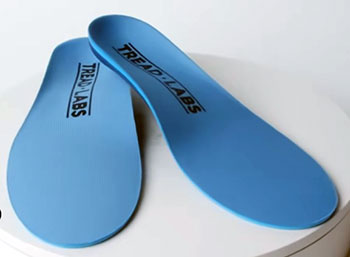
I ordered my first pair of Tread Labs Ramble insoles in late 2024 after a podiatrist visit confirmed moderate arch collapse and plantar fasciitis in both feet.
My job requires 9–10 hours of standing and walking on concrete floors every single day, and my previous over-the-counter gel insoles were completely flattened within 3–4 weeks, leaving me limping by afternoon and waking up with stabbing heel pain every morning.
The website’s foot-measurement guide was straightforward: trace your foot on paper, measure arch height with a ruler against the wall, enter the numbers online—they recommended the Ramble model with medium arch height and a thin PU top cover for my work sneakers.
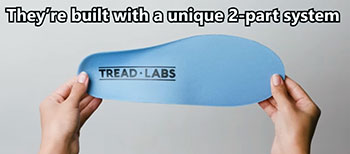
The package arrived in a sturdy box containing the rigid plastic bases, two pairs of top covers (thin for tight shoes, thick cushion for more padding), a small hex key for any adjustments, and clear trimming instructions.
They’re noticeably heavier than foam insoles—real structural support has substance—but they slid perfectly into my work shoes after trimming the length (I followed the outline guide and cut slowly with scissors).
Day one felt strange: my arches were lifted and supported instead of collapsing inward, heels felt cradled in the deep cup, and weight was distributed evenly across the foot. There was mild soreness in my arches and calves for the first 4–5 days as underused muscles adjusted to proper alignment—this is normal when switching to rigid orthotics—but no sharp or shooting pain.
By the end of week one the soreness was completely gone and the real benefits began. No more mid-shift fatigue or desperate leaning on counters to take weight off my feet. Plantar stabbing pain in the mornings disappeared entirely—I could walk barefoot on tile without wincing.
After 10-hour shifts my legs and lower back felt noticeably fresher; knees weren’t aching from over-pronation compensation. I added the Dash model to my running shoes and Pace to casual sneakers—same rigid support and comfort across different footwear types. The thin cover fits neatly into dress shoes and low-volume sneakers without crowding toes; the thick cushion adds welcome padding for longer walks or hikes.
Over 18 months of daily heavy use (10+ hours standing/walking on concrete almost every day), the rigid bases show zero compression or cracking. The top covers are still springy and supportive (the thin PU one is starting to compress slightly on the high-wear areas under the ball of the foot, but the base underneath is rock-solid). No odor buildup (antibacterial covers do their job), no slipping inside shoes even when wet from sweat, and they stay perfectly in place during quick movements or running to catch buses. My podiatrist measured my arch height at the 12-month follow-up and confirmed slight improvement from consistent support—something no drugstore foam insole ever achieved for me.
The modular system is the real genius. When the top cover finally compresses fully (likely 18–24 months for my usage), I’ll replace only the $35–40 cover instead of buying an entirely new $120–140 insole. No more throwing away entire pairs every 6 months like I did with cheaper brands.
The only small hassles: trimming takes 10 careful minutes the first time (I measured twice, cut once), and they add noticeable volume inside very tight or low-profile shoes (I went half a size up in my work sneakers). But those are tiny trade-offs. These insoles have genuinely changed my daily life—pain-free standing shifts, better posture, more energy at the end of the day, and no more limping home. If you stand or walk a lot and want real orthotic-level support without custom prescription costs, Tread Labs is worth every single cent.
Also Read: My thoughts on Maamgic Swim Trunks
Pros Of Tread Labs Insoles
- Rigid Arch Support That Actually Holds Shape Long-Term: The hard plastic base delivers true orthotic-level arch support that doesn’t collapse or flatten like foam insoles. After 18 months of 10-hour workdays my arches still feel lifted—no loss of structure, no return of plantar fasciitis pain.
- Modular System With Affordable Replaceable Top Covers: When the cushion wears out you replace only the $35–40 top cover instead of the whole insole—saves money and reduces waste.
Swap between thin (tight shoes) and thick (more padding) or materials (PU for breathability, wool for winter) without buying new bases. - Exceptional Durability For Heavy Daily Use: The base stays rigid and top covers retain bounce after 18 months of constant wear. No cracking, no delamination, no crumbling foam—built to outlast drugstore insoles by years.
- Near-Custom Fit Through Arch Height And Trimming: Four arch heights (low, medium, high, extra-high) plus precise trimming for length/width give a personalized fit. My medium-height Ramble matches my arch perfectly—no pressure points, no slipping inside shoes.
- Significant Pain Reduction And Better Alignment: Proper support corrects over-pronation, reduces strain on knees, hips, and lower back. I no longer limp by end of shift; morning stiffness is gone; overall posture feels better during long standing hours.
- Odor-Resistant And Breathable Top Covers: Antimicrobial PU and wool-blend covers resist odor even after sweaty 10-hour days. Feet stay drier and fresher compared to foam insoles that trap moisture and smell.
- Great Long-Term Value: Higher upfront cost but replaceable covers and multi-year lifespan make them cheaper per year than constantly buying new $30–50 pairs every 6 months.
- Versatile Across Shoe Types: Thin covers fit dress shoes and sneakers; thick ones work in boots and running shoes. I use them in work sneakers, casual shoes, and hiking boots—consistent support everywhere.
Cons Of Tread Labs Insoles
- Higher Upfront Cost Than Drugstore Insoles: The base + top cover combo costs $100–140—much more than $20–40 gel or foam inserts. Worth it long-term but feels expensive at first purchase.
- Adds Noticeable Volume Inside Shoes: The rigid base and cushion take up more space than flat insoles—may require going half a size up in tight shoes or removing factory insoles.
- Break-In Period Of 3–7 Days: Firm arch support feels unusual at first—some foot muscles work harder initially. Mild soreness in arches or calves during the first week is common while adapting.
- Top Covers Compress After 12–18 Months Of Heavy Use: Daily 10-hour wear flattens the foam over time—support stays but cushioning softens. Replacement covers are affordable but still an ongoing cost.
- Not Ideal For Extremely High Or Low Arches Without Testing: If your arch height falls between their four options you may need to test two sizes. Returns are easy but adds a step.
Maintenance Tips For Tread Labs Insoles

- Air Them Out Daily After Use: Remove insoles from shoes at night and let them air dry completely—prevents moisture buildup, odor, and bacteria growth in humid climates like Dhaka.
- Spot-Clean Top Covers When Needed: Wipe with a damp cloth and mild soap for sweat or dirt—air dry fully before putting back in shoes. Avoid soaking the rigid base.
- Rotate Between Multiple Pairs: Use 2–3 pairs across different shoes—gives each pair 24–48 hours to recover shape and dry out, extending top-cover lifespan significantly.
- Replace Top Covers At First Sign Of Compression: Swap when cushion feels noticeably flatter (usually 12–18 months heavy use)—maintains comfort and prevents uneven support.
- Trim Carefully And Conservatively: Use the included template and cut slowly—remove small amounts and test fit. Over-trimming can’t be undone.
- Store In A Cool, Dry Place When Not In Use: Keep in a breathable bag or shoe box away from direct heat/sun—prevents foam degradation or odor trapping.
- Check Arch Height Match After 30 Days: If support feels too high or low after break-in, exchange for a different height during the trial period—most users settle on the right one within a month.
- Avoid Machine Washing Or Drying: Hand-clean only—machine washing can damage the rigid base or degrade foam and adhesive layers.
Comparison With Other Brands
Versus Superfeet Green: Superfeet Green is a classic rigid orthotic with strong arch support and deep heel cup. Tread Labs insoles offer similar support with replaceable top covers for longer life and more cushion options—Superfeet wins for simplicity and proven track record; Tread Labs for customization and value over time.
Versus Spenco Polysorb Orthotic Arch Supports: Spenco focuses on cushioning and shock absorption with softer foam. Tread Labs provides firmer, longer-lasting rigid support for true arch correction—Spenco is better for immediate comfort; Tread Labs for structural alignment and durability.
Versus Dr. Scholl’s Pain Relief Orthotics: Dr. Scholl’s offers targeted pain relief (plantar fasciitis, ball-of-foot) with gel cushioning. Tread Labs gives full-foot support and replaceable covers—Dr. Scholl’s wins for specific pain zones; Tread Labs for overall alignment and longevity.
Versus SOLE Active Medium: SOLE Active uses heat-moldable foam for custom fit. Tread Labs offers pre-molded arch heights with modular covers—SOLE wins for personalized molding; Tread Labs for immediate fit and replaceable components.
Versus PowerStep Original: PowerStep provides strong arch support and cushioning for plantar fasciitis. Tread Labs matches support with better top-cover options and longer lifespan—PowerStep is good for quick relief; Tread Labs for long-term use and versatility.
Read More: My Experience with Gunnar Optik Glasses
Frequently Asked Questions (FAQ)
Yes—very good. They provide true rigid arch support, excellent durability, and replaceable top covers that make them cost-effective long-term. Users report real relief from plantar fasciitis, better alignment, and reduced fatigue.
No single “best”—Tread Labs excels for modular design and longevity, Superfeet for simplicity and rigidity, SOLE for custom molding, Spenco for cushioning. Depends on your arch type, shoe volume, and needs.
The rigid base lasts years (often 5+ with heavy use); top covers typically last 12–18 months with daily 10-hour wear. Replace only the cover ($30–40) when cushion compresses—extends overall life significantly.
The rigid plastic base supports your arch and aligns your foot, reducing over-pronation and strain on plantar fascia, knees, and back. Top covers add cushioning; zoned design relieves pressure points while maintaining structure.
Conclusion
After more than a year of daily wear, Tread Labs insoles are still the best investment I’ve made for foot health and comfort. If you stand or walk a lot and want real arch support that lasts without constant replacement, get a pair—you’ll feel less pain, better alignment, and more energy every day. Your feet deserve this upgrade; don’t wait until the next flare-up to make the change.
Recent Posts
I spent months comparing budget options against established names after my last set of tires wore out sooner than expected.My goal here is to share what I learned from putting Dextero and...
AquaTru Carafe Vs. Classic: Which Is Actually Fits Your Kitchen?
I decided to write this comparison after months of testing both the AquaTru Carafe and the Classic in my own kitchen. Tracking covered daily use.Taste stayed consistent. Refill frequency...