
If you want an attractive outdoor deck without the constant maintenance of traditional wood, Trex Select decking deserves your attention.
I like its combination of durability, low-maintenance construction, and natural-looking finishes.
Although it costs more upfront than basic pressure-treated lumber, I believe homeowners who want fewer repairs, less staining, and long-term convenience should consider buying Trex Select decking.
My First Experience With Trex Select Decking
When I evaluate composite decking, I look beyond its appearance.
I want to know how it handles everyday foot traffic, changing weather, moisture, scratches, and the general wear that comes with outdoor living.
Trex Select stands out because it offers a practical middle-ground option for homeowners who want composite decking without paying for the company’s most premium collections.
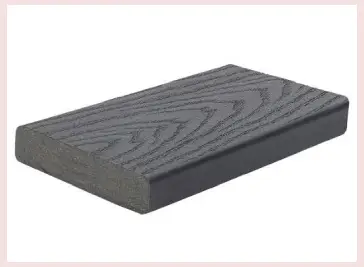
My first impression of Trex Select is its wood-inspired appearance. It has textured boards designed to resemble natural wood grain, making it suitable for patios, backyard entertaining areas, poolside spaces, and traditional home exteriors.
You can achieve a polished outdoor appearance without dealing with the frequent sanding, staining, and sealing that real wood requires.
Another thing I appreciate is its composite construction. Trex Select uses a combination of reclaimed wood fibers and recycled plastic, creating boards designed to resist common problems associated with traditional lumber.
You do not have to worry about termites eating through the boards in the same way they can damage untreated wood. The material also does not require routine staining or sealing.
However, I would not describe Trex Select as completely maintenance-free. Dirt, pollen, leaves, food spills, and environmental buildup can still affect its appearance.
Regular cleaning remains important if you want the deck to look attractive.
I also consider installation an important part of the experience. Composite boards have specific spacing, fastening, and framing requirements.
You cannot simply assume that the installation process will be identical to building a wooden deck. Proper ventilation, drainage, joist spacing, and manufacturer-approved fasteners all matter.
Temperature changes are another consideration. Composite decking expands and contracts, so installers must account for the material’s movement.
If you overlook these details, you may experience uneven spacing, unwanted movement, or other installation-related problems.
What I find most appealing is the balance between appearance and convenience. Trex Select is not the cheapest composite decking option, but it offers a reasonable combination of style, durability, and reduced maintenance.
For homeowners who plan to use their decks regularly, that convenience can make a meaningful difference over time.
What Is Trex Select Decking?
Understanding the product before making a purchasing decision
Trex Select is a composite decking collection from Trex. It is designed for homeowners who want an alternative to traditional wood decking without moving into the highest-priced product categories.
The boards combine recycled plastic and reclaimed wood fibers. This construction helps create a material that is more resistant to moisture-related deterioration, splintering, and insect damage than conventional untreated lumber.
Trex Select is positioned as a practical composite decking option. It offers a balance between affordability and performance, although pricing depends on board dimensions, color, retailer, and installation requirements.
Pros Of Trex Select Decking
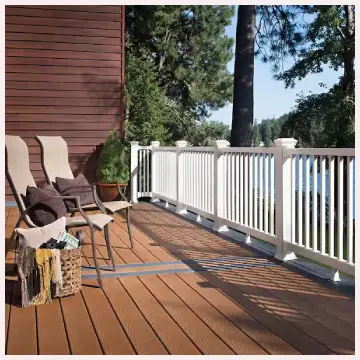
- Low Maintenance Requirements
This is probably the biggest advantage of choosing Trex Select.
Traditional wood decking needs regular attention. Depending on the material and climate, you may need to sand, stain, seal, or replace damaged boards periodically.
Trex Select eliminates much of that work.
You do not need to apply conventional wood stain or sealant to maintain the boards. Basic cleaning with suitable soap and water is generally enough to remove ordinary dirt and surface buildup.
I particularly appreciate this benefit for homeowners who have busy schedules. Instead of spending weekends restoring a deck, you can spend more time enjoying the outdoor space.
However, low maintenance does not mean zero maintenance. You should still clean the surface and inspect the deck regularly.
- Resistance to Splintering
Wood decking can develop splinters as it ages. Exposure to sunlight, moisture, and temperature changes can contribute to cracking and surface deterioration.
Trex Select is designed to resist splintering, making it a more comfortable option for everyday outdoor use.
This can be especially useful if you frequently walk barefoot on your deck or have children who enjoy playing outside.
Nevertheless, I would still recommend inspecting the boards occasionally. Damaged surfaces, installation problems, or unusual wear should not be ignored.
- Better Resistance to Moisture-Related Damage
Moisture is one of the biggest challenges for outdoor decking.
Traditional lumber can absorb water, swell, crack, and eventually develop rot under unfavorable conditions. Composite decking offers a different approach because its engineered material is designed to resist many of these problems.
Trex Select does not behave exactly like natural wood when exposed to moisture.
This makes it appealing for homeowners who experience regular rain or seasonal humidity.
However, you should not assume that the entire deck structure is waterproof. The supporting frame, fasteners, joists, and connections still need appropriate protection and drainage.
- Attractive Wood-Like Appearance
I understand why homeowners hesitate to choose composite decking. Some products look noticeably artificial, especially when the surface has an overly uniform finish.
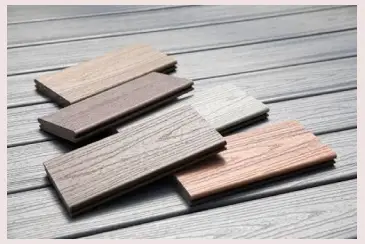
Trex Select attempts to provide a more natural appearance through textured surfaces and wood-inspired colors.
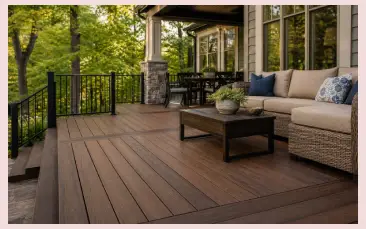
It can complement modern houses, traditional homes, and landscaped backyard spaces.
Another advantage is visual consistency. Natural wood can develop uneven discoloration, knots, and different grain patterns. Composite boards provide a more controlled appearance.
If you want a clean and coordinated outdoor design, this consistency can be attractive.
- Recycled Material Construction
Trex promotes the use of recycled and reclaimed materials in its composite decking products.
Trex Select incorporates recycled plastic and reclaimed wood fibers, helping reduce dependence on newly harvested timber and certain virgin materials.
For environmentally conscious homeowners, this can be an appealing feature.
I also like that the material is designed for long-term outdoor use rather than requiring frequent replacement because of ordinary wood deterioration.
However, environmental impact depends on several factors, including manufacturing, transportation, product lifespan, and eventual disposal. Recycled content alone does not tell the entire story.
Cons Of Trex Select Decking
- Higher Initial Cost Than Traditional Wood
The first disadvantage is the purchase price.
Trex Select generally costs more upfront than basic pressure-treated lumber. If you are working with a limited construction budget, the difference can become significant across a large deck.
You also need to account for installation labor and compatible accessories.
My advice is to compare the complete project estimates. A cheaper material does not necessarily represent better long-term value, but a more expensive product is not automatically the right choice either.
- Can Become Hot in Direct Sunlight
Composite decking can become uncomfortable under direct sunlight.
Dark-colored boards generally absorb more solar energy than lighter-colored surfaces. As a result, the temperature of the deck can increase considerably during hot weather.
This is an important consideration if your outdoor space receives strong afternoon sunlight.
I would choose lighter colors when heat is a major concern. You can also incorporate shade structures, umbrellas, or covered seating areas.
Remember that even lighter composite boards can become hot under intense sunlight.
- Susceptibility to Scratches
Trex Select is designed for outdoor durability, but that does not mean its surface is impossible to scratch.
Dragging heavy furniture, moving metal equipment, or dropping sharp objects can damage the finish.
Scratches can be particularly noticeable on certain colors and under direct lighting.
I recommend using protective furniture feet and lifting heavy objects instead of dragging them across the boards.
- Not Completely Stain-Proof
Composite decking is often marketed as an easier-to-maintain alternative to wood, but spills can still create cleaning challenges.
Grease, food, beverages, oil, and other substances may leave marks if you allow them to sit on the surface.
Prompt cleaning is important.
You should also avoid using aggressive cleaning chemicals without checking the manufacturer’s recommendations.
- Expansion and Contraction
Composite boards respond to temperature changes.
They can expand during warmer conditions and contract when temperatures fall. Installers must account for this movement when determining board spacing and fastening requirements.
Incorrect installation can lead to visible gaps, unwanted movement, and other problems.
This is why I would rather hire an experienced composite decking installer than rely on someone who has only worked with conventional lumber.
Maintenance For Trex Select Decking
- Clean the Surface Regularly
Regular cleaning is the easiest way to maintain your deck.
Leaves, pollen, dust, and outdoor debris can accumulate between boards and across the surface.
I recommend sweeping the deck regularly using a soft-bristle broom.
For ordinary dirt, use soap, water, and a suitable brush. Rinse the surface thoroughly after cleaning.
Avoid allowing dirt and organic material to remain trapped between boards for extended periods.
- Remove Food and Beverage Spills Quickly
If you use your deck for outdoor dining, spills are almost unavoidable.
Coffee, juice, grease, sauces, and other substances can leave marks when ignored.
I recommend wiping spills as soon as possible.
Use mild soap and water for routine cleaning, following the care instructions for your specific Trex product.
For stubborn stains, check the manufacturer’s approved cleaning guidance before trying stronger products.
- Keep Gaps Between Boards Clear
One maintenance task that people sometimes overlook is cleaning between the decking boards.
Leaves, dirt, and small branches can become trapped in these spaces.
This can interfere with drainage and contribute to moisture-related problems around the supporting structure.
Use an appropriate tool to remove debris without damaging the board edges.
Make sure water can drain freely from the deck.
- Protect the Boards From Furniture Scratches
Outdoor furniture can gradually damage the surface if you frequently move it around.
Metal chair legs, heavy tables, and sharp furniture edges can leave marks.
I recommend adding protective pads to furniture feet.
When rearranging your outdoor setup, lift furniture instead of dragging it.
You can also use outdoor rugs designed for composite decking, provided they allow adequate airflow and do not trap moisture or debris.
- Inspect the Deck After Severe Weather
Heavy rain, strong winds, and storms can introduce debris and create structural problems.
After severe weather, inspect the deck for loose fasteners, damaged boards, accumulated branches, and drainage issues.
Pay particular attention to stairs, railings, and connections.
If you notice movement or structural instability, arrange a professional inspection.
- Avoid Improper Pressure Washing
A pressure washer can be useful for cleaning some composite decking, but using excessive pressure can damage the surface.
Do not assume every pressure washer setting is safe.
Follow the cleaning instructions for your exact board generation and product.
Use only approved pressure settings, equipment, and nozzle distances. If you are unsure, ordinary soap, water, and a soft brush are safer starting points.
- Manage Mold and Mildew
Composite decking is resistant to many problems associated with traditional wood, but mold and mildew can still develop on surface dirt and organic buildup under suitable conditions.
Shaded, damp areas are particularly vulnerable.
Keep the deck clean, improve airflow where possible, and remove accumulated leaves.
If you notice mold-like growth, use a cleaning product approved for your specific decking material.
Avoid mixing household cleaning chemicals.
Comparison Of Trex Select With Other Decking Brands
- Trex Select vs. Trex Enhance
A mid-range option for homeowners seeking a balance of appearance, durability, and reduced maintenance.
A more budget-conscious Trex collection with a simpler product offering.
Trex Enhance is worth considering if you want to enter the composite decking market without spending as much on materials.
Trex Select offers a different combination of finishes and product characteristics, making it attractive to homeowners who want something beyond the entry-level collection.
I would compare the actual available board styles, specifications, and prices before deciding. The difference in value depends on the particular project rather than the collection name alone.
- Trex Select vs. Trex Transcend
A premium Trex collection with enhanced aesthetics and a more protective outer shell.
Trex Transcend is generally positioned above Trex Select.
One of its major distinctions is its protective shell, which is designed to provide enhanced resistance to fading and staining compared with uncapped or differently constructed composite products.
If you prioritize premium finishes and additional surface protection, Transcend deserves consideration.
However, it also comes with a higher material cost. I would not automatically spend more unless the premium appearance and product features justify the additional expense for your particular deck.
- Trex Select vs. TimberTech
TimberTech is another recognizable name in the composite and synthetic decking market.
Its product range includes different material constructions, finishes, and price categories.
Trex Select is attractive if you want a straightforward composite decking solution with a recognizable brand behind it.
TimberTech offers more variety across its collections, including capped composite and PVC options.
I would compare the exact TimberTech product with Trex Select rather than treating the entire TimberTech range as one product. Premium PVC decking, for example, is not directly comparable to every composite board.
- Trex Select vs. Fiberon
Fiberon provides another alternative for homeowners considering composite decking.
Its collections include products with different surface finishes, protective features, and aesthetic options.
I would consider Fiberon if you want to compare color selection and material specifications across different price levels.
Trex Select remains appealing for its established product family and relatively straightforward positioning.
The better choice depends on the particular Fiberon collection, installation cost, and warranty coverage available in your area.
Is Trex Select Decking Worth The Money?
My answer is yes, provided you understand what you are paying for.
Trex Select is not designed to be the cheapest decking material available. Its value comes from reduced maintenance, consistent appearance, and resistance to several common problems associated with traditional wood.
If you want a deck that requires regular staining and sealing, natural lumber may be more appealing.
But if you want to reduce those responsibilities, composite decking makes sense.
I would also consider how long you intend to stay in your home. If you plan to enjoy the deck for many years, the convenience of composite materials may justify the initial investment.
However, if your priority is minimizing the initial construction budget, you should compare Trex Select with other composite collections and pressure-treated wood.
Frequently Asked Questions (FAQ)
Common complaints include higher upfront costs, heat retention in direct sunlight, scratches, surface staining, and occasional fading or discoloration.
Trex decking can be expensive, may become hot, and still requires regular cleaning. It also expands and contracts with temperature changes.
Trex Transcend is generally considered one of Trex’s premium composite decking collections, offering enhanced surface protection and premium finishes.
It can be worth the additional cost if you prioritize premium aesthetics, enhanced surface protection, and the features offered by its higher-end construction.
Wrapping Up
I consider Trex Select a worthwhile option for homeowners who want attractive composite decking without the constant maintenance of traditional wood.
Its durability, wood-inspired appearance, and resistance to splintering make it appealing for everyday outdoor living.
Although the upfront price and heat retention deserve consideration, I believe homeowners seeking long-term convenience should seriously consider buying Trex Select.
Recent Posts
Flexsteel Vs. Southern Motion: Which Recliner Brand Lasts Longer And Feels Better?
I spent weeks comparing Flexsteel and Southern Motion recliners and motion sofas because I needed durable, comfortable seating that would hold up in a busy home without constant...
SpringWell Water Filtration Systems Reviews: Are They Worth Buying?
SpringWell water filtration systems are worth considering if you want cleaner, better-tasting water without constantly purchasing bottled water.I like their whole-house filtration options,...