
I set out to settle the Trico versus Bosch wiper blades debate once and for all after years of swapping blades on my own cars through heavy rain, highway speeds, and winter mess.
My goal here is to give you a clear, real-world breakdown of how these two brands stack up on performance, durability, installation, and value so you can pick the right set without guessing.
| Feature | Trico | Bosch |
| Blade Style Focus | Beam, hybrid, conventional, winter-specific | Primarily beam (ICON flagship), some conventional |
| Rubber Technology | Z7-infused synthetic, HighGlide, Memory Curve steel | ClearMax 365 dual rubber (soft core + hard polymer shell) |
| Spoiler Design | VorTec or swept-wing for high-speed contact | Asymmetrical flexible spoiler for even downforce |
| Installation | SWIFT one-click or multi-adapter systems | Weather-shielded double-locking clasp, side-specific curves |
| Typical Lifespan | 6–18 months depending on model and climate | Claims up to 40% longer than average premium blades (9–14+ months common) |
| Price Range (per blade) | $12–$30 | $25–$35+ |
| Strengths | Value, truck/SUV stiffness, winter options | Quiet wipe quality, consistent pressure, premium longevity |
| Best For | Budget-conscious drivers, larger blades, OE-style fit | Drivers wanting top-tier all-weather consistency |
My Real Experience With Both Brands
I have run both Trico and Bosch blades on everything from a daily sedan to a mid-size SUV.
The first time I installed a set of Bosch ICON blades I noticed the difference in how evenly they hugged the glass.
Trico’s Force and Maxx lines felt more rigid, especially on longer driver-side blades. Neither brand failed me outright. The day-to-day feel, noise level, and how long they stayed streak-free told different stories.
Bosch leans hard into premium engineering. Trico brings volume manufacturing experience and a wider range of styles that cover older vehicles and specialized winter needs.
Both clear water. The question is which one matches your driving, climate, and tolerance for price versus longevity.
Key Differences Between Trico And Bosch Wiper Blades
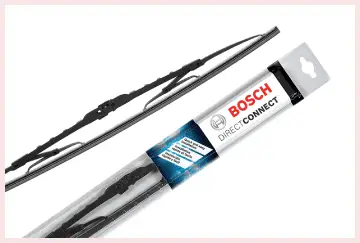
- Rubber compound and edge durability: Bosch uses a dual-layer rubber system. The wiping edge stays softer longer.
The outer shell resists heat, ozone, and UV. Trico counters with Z7 particle infusion. HighGlide treatments lower friction.
These claim multi-year life on premium models. The Bosch edge often stays quieter longer in moderate climates. Trico’s formulation can feel slicker right out of the package.
- Pressure distribution and windshield contact: Bosch designs driver and passenger blades with different curvature radii.
Each side matches the actual glass shape. Trico relies on Memory Curve steel or twin-rail designs. These apply consistent pressure.
They use a more universal curve. On modern highly curved windshields the Bosch approach reduces incomplete contact at the ends.
- Aerodynamic stability at speed: Both use spoilers. Bosch’s asymmetrical design creates downforce across the full length.
Trico’s VorTec or swept-wing spoilers convert wind into contact force. These are often stiffer.
This helps longer blades on trucks and SUVs stay planted above 70 mph.
- Installation hardware and fit range: Bosch’s locking clasp and weather-protected adapters make swaps quick and secure on most common arm types.
Trico’s SWIFT system and multi-clip options cover a broad range of vehicles. This includes many OE applications for domestic brands.
Some Trico models lack the same positive lock feel that Bosch provides.
- Price-to-performance positioning: Trico generally undercuts Bosch by several dollars per blade. It still delivers solid all-weather results.
Bosch asks more. It backs this with longer claimed service life and quieter operation in independent tests.
- Climate specialization: Trico offers dedicated Ice and winter lines. These use sealed frames that resist snow packing.
Bosch beam designs shed ice well by nature of the frameless construction. They do not always include the same armored winter packages.
Key Features Of Trico Wiper Blades
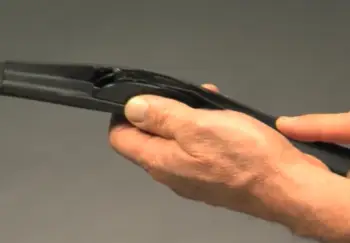
- Memory Curve steel structure: The internal steel is pre-shaped to match common windshield contours.
This helps the blade maintain contact. It does not rely solely on spring tension. On larger blades the stiffness reduces flex. This can leave water behind at highway speeds.
- Z7-infused rubber element: Zirconium-based particles lower friction against the glass.
The result is quieter sweeps. There is less chatter in the first months of use. Premium lines such as Maxx and Titan promote this for extended life.
- VorTec aerofoil spoiler: The shape channels airflow downward. Wind pressure becomes extra contact force.
This proves useful when you drive fast in crosswinds. It also helps when you follow large trucks that create turbulence.
- SWIFT and multi-adapter connection systems: Most Trico beam blades arrive with adapters. These click onto common arm styles.
Installation usually takes under two minutes. You identify the correct clip first.
- Wide model range including winter and OE-style options: Force works for high-speed stability. Ice suits snow belts. Flex offers budget beam performance.
Exact Fit provides direct OE replacement. This breadth covers older vehicles that many premium brands skip.
- High-volume manufacturing background: Trico supplies original equipment for multiple domestic manufacturers.
That experience shows up in the consistency of fitment. It covers popular truck and car platforms well.
Pros Of Trico Wiper Blades
- Strong value for the money: You can buy a pair of quality Trico beam blades for less than a single premium Bosch blade in many cases. The savings add up. This helps if you replace blades every year. It also helps if you own multiple vehicles.
- Stiffer construction on longer blades: Trucks and SUVs with 24-inch or longer driver blades benefit from Trico’s more rigid spine. The extra stiffness fights the flex. This appears on cheaper beam designs at highway speed.
- Dedicated winter options: The Ice series uses a sealed frame. It includes heavy-gauge rubber that resists tearing in freezing temperatures. If you live where snow piles up, this specialization matters more than all-season claims.
- Quiet operation on many models: Owners and some magazine tests note lower noise levels with Trico Maxx and Gold lines. This happens once the rubber beds in. The reduced friction from Z7 treatment helps.
- Easy availability and OE familiarity: Trico supplies so many factory systems. Finding the correct length and arm style is straightforward for domestic vehicles. Parts stores stock them heavily.
- Good all-weather performance at lower cost: Rain clearing remains competitive with higher-priced blades in moderate conditions. You do not always need to spend top dollar. A clean windshield is still possible.
Cons Of Trico Wiper Blades
- Shorter average lifespan on standard models: Budget and mid-tier Trico blades can begin to streak or chatter earlier than Bosch ICON units. This occurs in hot sunny climates. UV and heat take a toll on the rubber faster in some owner reports.
- Less refined side-to-side curvature matching: Universal curve designs work well. They can leave small gaps on highly contoured modern glass. This compares with Bosch’s A/B approach.
- Adapter security varies by model: Some Trico connections feel less positive than Bosch’s locking clasp. A few users report the need to double-check the fit. This happens after the first few drives.
- Premium lines still trail in quiet longevity: Even the higher-end Trico blades sometimes develop more noise. This shows after six to nine months. Equivalent Bosch units in the same climate perform quieter.
- Fewer night-driving or glare-focused features: Bosch has introduced specialized coatings and designs. These aim at reducing reflections. Trico stays focused on core wiping performance.
Key Features Of Bosch Wiper Blades
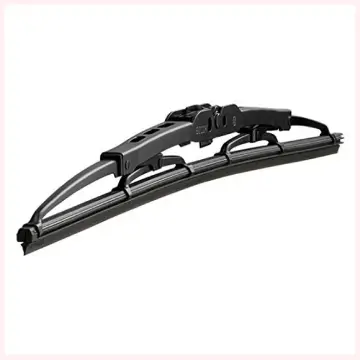
- ClearMax 365 dual rubber technology: A soft natural rubber core sits inside a harder polymer shell. The soft edge wipes cleanly.
The shell resists hardening from sun and ozone.
Bosch rates this combination for longer service intervals than standard synthetic blends.
- Asymmetrical flexible spoiler:
The spoiler profile changes along the length of the blade.
Airflow presses the entire rubber edge against the glass.
It prevents lifting the tips at speed. Highway rain tests consistently favor this design.
- Side-specific curvature: Driver-side blades use a different bend radius than passenger-side blades.
Modern windshields are not symmetrical.
This detail reduces incomplete contact. Cheaper universal blades leave this behind.
- Weather-shielded double-locking connector: The adapter locks with a positive click.
It includes protection against moisture and debris.
Once installed the blade rarely works itself loose. This holds true even on rough roads.
- Beam construction with precision tension springs: Multiple internal springs distribute pressure evenly.
There is no traditional frame to trap ice or snow. This keeps the wipe consistent in mixed winter conditions.
- Broad vehicle coverage with adapter kits: Bosch supplies sizes and connectors for the majority of cars and light trucks on the road.
The ICON line in particular has become a default recommendation among many technicians.
Pros Of Bosch Wiper Blades
- Consistently quiet and streak-free wiping: The dual rubber and even pressure distribution produce one of the cleanest sweeps available. Independent tests and owner feedback repeatedly highlight the lack of chatter. Residual water film stays minimal.
- Longer real-world service life: Many drivers report nine to fourteen months or more of solid performance. Replacement becomes necessary only after that. The 40 percent longer life claim holds up better than average in moderate weather.
- Superior high-speed contact: The asymmetrical spoiler and precision springs keep the full blade planted. Wind and turbulence increase. Water removal stays reliable above 70 mph.
- Thoughtful installation hardware: The double-locking clasp and weather protection make blade changes feel secure. First-time installers usually finish faster. Confidence increases as a result.
- Side-specific design improves fit: Matching the actual curvature of each side of the windshield reduces incomplete contact. This shows up as streaks near the A-pillars or center.
- Strong reputation among professionals: Mechanics and long-term vehicle owners frequently recommend the ICON line. It serves as a reliable upgrade over basic aftermarket options.
Cons Of Bosch Wiper Blades
- Higher purchase price: Expect to pay noticeably more per blade. The premium is justified for many by longevity. The upfront cost is real if you replace a full set.
- Fewer specialized winter packages: The beam design sheds snow reasonably well. Dedicated armored winter blades from other brands can handle extreme packing ice better. This applies in some conditions.
- Overwhelming size and adapter choices: The wide catalog can confuse first-time buyers. Matching the exact part number to your vehicle and arm type requires a bit more attention.
- Occasional early wear reports in extreme heat: A minority of users in very hot climates note faster hardening of the rubber edge. This differs from the marketing suggestions. Climate still matters.
- No built-in water-repellent coating: Some competing blades apply a hydrophobic film while wiping. Bosch relies purely on mechanical clearing. Some drivers prefer this. Others miss the coating.
Performance In Different Conditions
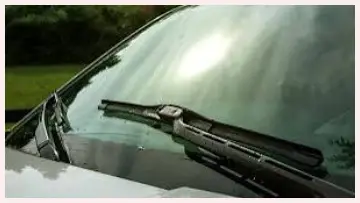
In steady rain both brands clear water effectively. Bosch tends to leave a cleaner glass surface. Fewer residual streaks appear after the first few months.
Trico matches it closely when the blades are new. This holds especially for the Maxx and Force lines.
At highway speeds the aerodynamic designs of both keep contact solid. Bosch’s asymmetrical spoiler gives a slight edge in crosswinds. Trico’s stiffer construction shines on vehicles with longer blades. Flex becomes the bigger enemy there.
Winter performance depends on the specific model. Trico Ice blades handle packed snow and freezing rain. Frame clogging stays lower.
Standard Bosch beam blades stay flexible. They resist ice buildup better than old-style framed wipers. They lack the full sealed armor of dedicated winter products.
Hot, sunny climates favor the UV-resistant compounds. Bosch’s dual rubber usually holds its edge longer under intense sun. Trico’s Z7 treatment helps. It does not always match the same interval between replacements.
Installation And Everyday Usability
I have swapped both brands on the driveway in under five minutes. I knew the arm type first. Bosch’s locking mechanism clicks with a satisfying finality.
Trico’s SWIFT system is nearly as fast. It covers a wide range of vehicles. Extra adapters are rarely needed.
Maintenance is identical for both. Clean the rubber edge with a damp cloth occasionally. Lift the blades away from the glass in freezing weather when possible. Replace them when streaking or noise increases. Neither brand requires special tools or procedures beyond basic care.
Longevity And Total Cost Of Ownership
If you keep a car for several years the higher Bosch price can even out. Replacing blades every twelve to eighteen months instead of every six to nine months reduces the annual spend. Trico remains the clearer short-term value play. This works if you prefer fresher rubber more often. It also suits vehicles that see hard use.
Climate and driving style still dominate the equation. Highway miles and intense sun shorten life for any rubber blade. Garage storage and gentle use extend it.
Who Should Choose Trico?
Pick Trico if you want solid performance without the premium price tag. Drive a truck or SUV with longer blades.
Need a dedicated winter set. Prefer a brand with deep original-equipment roots on domestic vehicles.
The Force, Maxx, and Ice lines deliver reliable clearing. Good durability comes at the money.
Who Should Choose Bosch?
Choose Bosch if quiet, consistent, streak-free wiping matters most. Drive a modern vehicle with complex windshield curvature.
Want the longest possible interval between replacements. The ICON series has earned its reputation as a top all-around performer for a reason.
Also Read: Is Michelin Guardian Wiper Blades Worth It?
Frequently Asked Questions (FAQ)
Yes. They deliver reliable clearing. This shows especially in the premium Force, Maxx, and Ice lines. Strong value appears compared with higher-priced options.
No single brand wins for every driver. Bosch often leads in quiet longevity and fit. Trico excels in value and specialized winter or large-blade applications.
Bosch ICON ranks among the top choices for overall performance and durability in many tests and owner reports. The best pick still depends on your climate, vehicle, and budget.
Trico is an American company founded in 1917. It invented the mass-produced wiper blade. It remains a major manufacturer with plants on multiple continents. It supplies both original equipment and aftermarket products.
Final Thoughts
I have used both brands enough to know neither will leave you stranded in a downpour. Bosch gives me the quietest, most consistent wipe.
The longest stretch between replacements happens on my daily driver. Trico keeps costs lower. It handles the longer blades on my other vehicle without complaint. This works especially when winter weather arrives.
You should match the choice to how and where you drive. If streak-free quiet performance and longer life top your list, go with Bosch.
If you want strong results at a friendlier price or need winter-specific protection, Trico delivers. Either way you will see the road more clearly than with worn-out original blades.
Replace them when they start to streak or chatter. Keep the glass clean. Both brands will do the job they were built for.
Recent Posts
● Interactive 5-Zone Interior & Exterior Paint Blueprint Paint Coverage Calculator: Gallons, Primer, Square Footage & Cost Tap any architectural surface zone on the blueprint...
If you want smooth, shiny hair without spending a fortune on a premium styling tool, the Ella Bella hair dryer may be worth considering.In these Ella Bella hair dryer reviews, I’ll look...