
I can’t recommend the Tula Purifying Face Cleanser enough—it’s a game-changer for anyone tired of harsh washes that leave your skin feeling tight and unhappy.
If you’re looking for something gentle yet effective that balances your skin and removes daily grime without stripping away moisture, this is it.
Trust me, once you try it, you’ll wonder how you lived without it. Head to your nearest store or online retailer and pick one up; your face will thank you every morning and night.
My Personal Journey With The Tula Purifying Face Cleanser
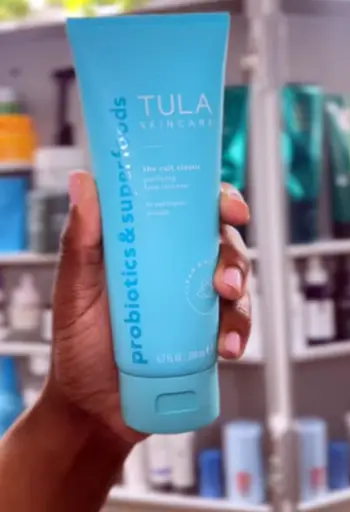
Let me take you back to when I first got my hands on the Tula Purifying Face Cleanser.
I was scrolling through some skincare recommendations online, feeling frustrated with my current routine.
My skin was acting up—combination type, with oily patches on my forehead and chin, but dry cheeks that flaked if I used anything too aggressive.
I’d heard about Tula from a friend who swore by their probiotic-focused products, so I figured, why not give it a shot? The packaging caught my eye first: that sleek blue bottle with a pump that dispenses just the right amount of gel.
It felt premium without being over-the-top.
The first time I used it, I squeezed a pea-sized amount into my palm and added a bit of water.
It transformed from this clear gel into a light, airy foam that didn’t feel heavy or sudsy like some drugstore options.
I massaged it onto my wet face in circular motions, and oh man, the scent—subtle, fresh, with hints of natural botanicals that weren’t overpowering.
It reminded me of a spa day at home. As I rinsed it off, my skin didn’t squeak like it does with stripping cleansers; instead, it felt clean but still soft, like it had retained some of its natural oils.
Over the next few weeks, I incorporated it into my twice-daily routine. Mornings were quick: splash water, apply the cleanser, rinse, and follow with my moisturizer. Evenings were for double-cleansing if I’d worn makeup.
I’d use an oil-based remover first, then this Tula gem to sweep away any residue. What struck me most was how balanced my skin started to feel.
Those oily zones calmed down, and the dryness eased up. I noticed fewer breakouts, too—maybe thanks to the prebiotics helping my skin’s microbiome stay in check.
There were days when life got busy, and I’d skip steps, but this cleanser never let me down. Even after a long workout, when sweat and grime built up, it refreshed without irritating.
I remember one particularly stressful week at work; my skin usually rebels with redness, but this time, it stayed calm. It’s not just about cleaning—it’s about nurturing. If you’re like me, always on the go but wanting results, this fits seamlessly. After a month, my complexion looked brighter, more even. Friends asked what I was using, and I proudly shared. It’s become my staple, and I bet it’ll be yours too.
Pros Of The Tula Purifying Face Cleanser
You know that feeling when a product just clicks with your skin? That’s what happened with me and the Tula Purifying Face Cleanser.
Let’s break down why it’s earned a permanent spot in my bathroom cabinet.

- Gentle Yet Thorough Cleansing
I love how this cleanser gets the job done without making my skin feel attacked.
The gel-to-foam formula dives into pores, lifting away dirt, oil, and even stubborn makeup remnants from the day.
You massage it in, and it feels like it’s working smarter, not harder. No harsh scrubbing needed—just a gentle lather that leaves everything fresh.
For someone like me with sensitive spots, this is huge; it doesn’t cause that tight, uncomfortable pull after rinsing.
- Balances the Skin Microbiome
What sets this apart is the prebiotic and probiotic magic. I didn’t realize how important my skin’s natural balance was until I started using this.
It supports the good bacteria on your face, helping prevent imbalances that lead to breakouts or dullness.
After consistent use, I saw my skin looking more resilient. If you’ve got combination skin like mine, you’ll appreciate how it tones down oiliness without drying out other areas. It’s like giving your face a daily reset.
- Packed with Antioxidants for Extra Glow
The ingredients list reads like a superfood smoothie for your skin—turmeric, white tea, and blueberry extracts.
These antioxidants fight off environmental stressors, like pollution that clogs pores.
I noticed my complexion perking up, with a subtle radiance that wasn’t there before. It’s not an overnight miracle, but over time, it smooths texture and evens tone.
You feel it too; that post-wash glow makes you skip the filter on selfies.
- Versatile for All Skin Types
Whether your skin is dry, oily, or somewhere in between, this cleanser adapts.
I shared it with my sister, who has drier skin, and she raved about how it didn’t strip her moisture barrier.
For you with acne-prone concerns, it’s non-comedogenic, so no worries about clogging pores. It’s fragrance-free in some versions, which is a win if scents bother you. Morning or night, it fits any routine effortlessly.
- Economical and Long-Lasting
A little goes a long way with this one. That pump dispenses just enough, so the bottle lasts months even with daily use.
Compared to pricier options, it’s a steal for the quality. I feel like I’m investing in my skin without breaking the bank.
Plus, the satisfaction of seeing real improvements makes every penny count.
- Refreshing Sensory Experience
The texture and mild scent make washing your face enjoyable, not a chore. It’s cooling on application, which soothes after a hot day.
You rinse, pat dry, and your skin feels purified, ready for the next steps. It’s those small joys that keep me coming back.
Cons Of The Tula Purifying Face Cleanser
No product is perfect, right? While I adore this cleanser, there are a few drawbacks I’ve encountered that might matter to you too.

- Pump Mechanism Issues
The bottle’s pump can be finicky, especially on larger sizes. Sometimes it doesn’t dispense smoothly, requiring extra pumps or even unscrewing the top.
It’s frustrating when you’re in a rush, and I’ve had to deal with it more than once. If you’re clumsy like me, it might lead to spills.
- May Not Tackle Heavy Makeup Alone
If you wear full-face makeup daily, this might not remove everything in one go.
I found it works best as a second cleanse after an oil-based remover.
For lighter days, it’s fine, but heavy waterproof stuff needs backup. You might end up using more product or adding steps.
- Contains Milk Proteins
This one’s a heads-up for vegans or those with dairy sensitivities.
The formula includes milk proteins from probiotics, which could be an issue.
I don’t have allergies, but if you do, check labels carefully. It’s not fully plant-based, which surprised me initially.
- Potential for Mild Dryness in Very Dry Climates
In winter or arid areas, it might feel a tad drying if your skin is extremely parched.
I noticed a slight tightness on colder days, so I always follow with a rich moisturizer.
It’s gentle overall, but not the most hydrating option out there.
- Higher Price Point for Some Budgets
While I think it’s worth it, it’s pricier than basic drugstore cleansers. If you’re watching every dollar, this might feel like a splurge. I’ve justified it with the results, but you might weigh if the benefits outweigh the cost.
Tips For The Tula Purifying Face Cleanser
Keeping your Tula Purifying Face Cleanser working at its best isn’t just about using it—it’s about how you store, apply, and integrate it into your life.
I’ll share what I’ve learned to maximize its benefits and keep your skin happy.
- Proper Storage to Preserve Efficacy
You want to store this cleanser in a cool, dry place away from direct sunlight.
I keep mine in my bathroom cabinet, not on the shower shelf where steam and heat can degrade the ingredients.
Probiotics and prebiotics are sensitive, so avoiding temperature swings helps maintain their potency.
If you travel, pop it in a leak-proof bag—I’ve learned the hard way that pumps can leak.
- Optimal Application Techniques
To get the most out of each use, wet your face first with lukewarm water.
Squeeze a small amount—about the size of a dime—into your hands, add water, and work it into a foam.
Massage gently in circles for 30-60 seconds, focusing on oily areas like your T-zone.
Rinse thoroughly with cool water to close pores.
I do this twice daily, but if your skin feels over-cleansed, stick to evenings. Pat dry with a soft towel; rubbing irritates.
- Pairing with Complementary Products
This cleanser shines when paired right. Follow with a toner to balance pH, then a serum for targeted concerns—like hyaluronic acid for hydration.
I layer on a moisturizer immediately after to lock in benefits. If you have acne, add a spot treatment post-cleanse.
Avoid mixing with harsh exfoliants daily; alternate to prevent irritation. Your routine should feel supportive, not overwhelming.
- Frequency and Adjustments for Skin Changes
Use it consistently, but listen to your skin. In summer, when I’m sweatier, twice a day keeps things fresh. Winter?
Maybe once at night, with a gentler wipe in the morning. If you notice changes—like hormonal shifts—adjust.
I track my skin in a journal; it helps spot patterns. If dryness creeps in, cut back or add more hydration steps.
- Cleaning the Bottle and Pump
Hygiene matters. Every couple of weeks, wipe the pump with a damp cloth to remove buildup.
If it clogs, run warm water through it.
I rinse the bottle exterior too, preventing bacteria transfer. This keeps the product pure and extends its shelf life.
- Incorporating into Double-Cleansing
For makeup days, start with an oil cleanser, then follow with Tula. This duo removes everything without stripping. I massage the oil first, emulsify, rinse, then foam up Tula. Your skin feels deeply clean but nourished.
Comparison Tula Purifying Face Cleanser With Other Brands
I’ve tried plenty of cleansers over the years, and while Tula holds a special place, it’s fair to stack it against popular ones like CeraVe, Cetaphil, La Roche-Posay, The Ordinary, and Neutrogena. Each has its strengths, but let’s see how Tula measures up in real-user terms.

- Tula vs. CeraVe
You might reach for CeraVe’s foaming cleanser if affordability is key—it’s everywhere and budget-friendly.
I found CeraVe great for basic cleansing, with ceramides that support the skin barrier much like Tula’s prebiotics.
But where Tula wins for me is the probiotic boost; it feels more alive on the skin, promoting that microbiome balance CeraVe lacks.
CeraVe can feel a bit more stripping on my combination skin, while Tula leaves a softer finish. If you need something simple and no-frills, CeraVe edges out, but for that extra glow, I’d pick Tula every time.
- Tula vs. Cetaphil
Cetaphil’s gentle cleanser is a classic for sensitive souls—it’s mild, fragrance-free, and doesn’t foam much. I used it during flare-ups, and it calmed things without drama.
Compared to Tula, Cetaphil is more basic; no fancy antioxidants or prebiotics here. Tula adds that purifying punch with turmeric and blueberries, making my skin feel revitalized rather than just clean.
Cetaphil might suit super-dry types better, as it’s creamier, but if you want something that actively improves texture, Tula feels more dynamic.
Both are gentle, but Tula brings excitement to the wash.
- Tula vs. La Roche-Posay
La Roche-Posay’s purifying foaming cleanser shares Tula’s foam action and targets impurities effectively.
I appreciated its thermal spring water for soothing, especially on irritated days.
However, Tula’s probiotic edge gives it an advantage in long-term balance—my skin stayed calmer over weeks with Tula.
La Roche-Posay can be drying if overused, similar to some experiences I had, whereas Tula’s antioxidants help combat that.
If thermal water appeals for mineral benefits, go La Roche-Posay; but for microbiome support, Tula integrates better into a holistic routine.
- Tula vs. The Ordinary
The Ordinary’s squalane cleanser is minimalist heaven—affordable, with squalane for hydration.
I liked how it melted makeup without residue, feeling emollient.
But it lacks Tula’s foaming fun and probiotic depth; The Ordinary is more about basic moisture than purifying. On oily days, Tula clarifies better, while The Ordinary might leave a film.
If you’re into no-nonsense, science-backed basics, The Ordinary shines, but Tula’s blend of cleansers and actives makes it more versatile for daily glow.
- Tula vs. Neutrogena
Neutrogena’s hydro boost cleanser is a solid dupe in texture—gel-like and hydrating with hyaluronic acid. I grabbed it on sale and enjoyed the clean feel without tightness.
Yet, Tula outperforms with its natural extracts; Neutrogena feels more synthetic, sometimes leaving my skin less balanced.
For heavy makeup removal, both work, but Tula’s prebiotics help prevent post-wash breakouts. If budget trumps all, Neutrogena is reliable, but Tula’s premium touch justifies the slight upcharge for me.
Also Read: Comparison Of Sunday Riley And Drunk Elephant
Frequently Asked Questions (FAQ)
Yes, Tula products are dermatologist-tested.
CeraVe Hydrating Facial Cleanser often tops ratings for its gentle, effective formula.
Apply to wet skin, massage in circles, rinse with water twice daily.
Round Lab 1025 Dokdo Cleanser is highly popular in Korea for sensitive skin.
Wrapping Up
In the end, the Tula Purifying Face Cleanser has transformed my skincare game, delivering clean, balanced, and glowing results without hassle.
If you’re ready for a reliable daily essential that nurtures your skin, don’t hesitate—buy it now and experience the difference yourself.
Recent Posts
● Interactive 5-Zone Interior & Exterior Paint Blueprint Paint Coverage Calculator: Gallons, Primer, Square Footage & Cost Tap any architectural surface zone on the blueprint...
If you want smooth, shiny hair without spending a fortune on a premium styling tool, the Ella Bella hair dryer may be worth considering.In these Ella Bella hair dryer reviews, I’ll look...