
Tyche Batana Oil has attracted attention among people looking for a natural way to improve hair health, reduce dryness, and support stronger-looking hair.
I believe it may be worth considering if you prefer plant-based hair care and want an oil that can nourish your scalp and strands.
However, you should understand its ingredients, limitations, and realistic benefits before purchasing.
If you’re struggling with dry, brittle, or frizzy hair, Tyche Batana Oil could be an option worth exploring.
My First Experience with Tyche Batana Oil
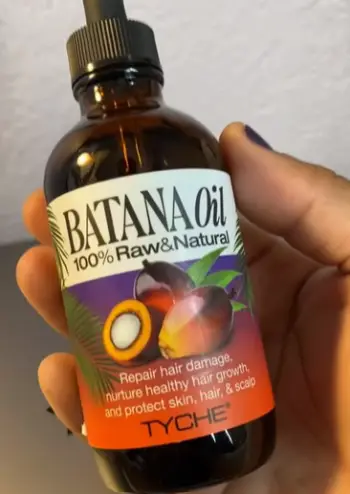
When I look at a hair oil, I don’t judge it by attractive packaging or promises of dramatic hair growth.
I want to understand how it performs in a regular hair-care routine, whether it feels comfortable on the scalp, and whether it makes hair easier to manage.
Tyche Batana Oil is marketed around the popularity of batana oil, a plant-based oil traditionally associated with hair conditioning.
Batana oil is generally extracted from the nuts of the American oil palm, commonly identified as Elaeis oleifera. It is particularly associated with traditional hair-care practices in parts of Central America.
The first thing I would consider is the texture. Batana oil is naturally rich and can feel heavier than lightweight oils such as argan or jojoba oil.
This can be beneficial if your hair is particularly dry, rough, or prone to frizz. However, if you have fine hair, applying too much may leave your strands looking greasy.
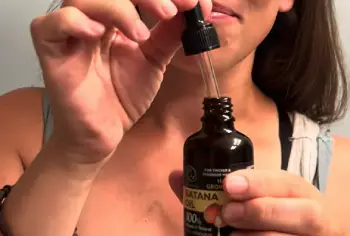
Another important consideration is how the oil fits into your routine. I would prefer using a small amount before shampooing or applying a little to the dry ends of my hair.
This allows me to enjoy its conditioning properties without unnecessarily coating the scalp.
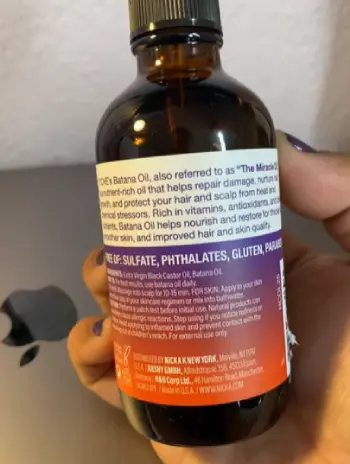
I would also pay attention to the product’s smell, consistency, and ingredient transparency. Authentic batana oil can have a distinctive natural aroma and a rich appearance, although these characteristics alone cannot establish authenticity.
One thing I wouldn’t expect is overnight hair growth. Hair responds gradually to consistent care, and no ordinary cosmetic oil can guarantee new hair follicles or reverse every type of hair loss.
Overall, my approach to Tyche Batana Oil would be practical. I would consider it a conditioning product first and a possible supporting addition to a healthy hair-care routine rather than a guaranteed hair-growth solution.
Also Read: Is Doo Gro Mega Thick Growth Oil Worth It?
Pros Of Tyche Batana Oil
- Helps Condition Dry Hair
One of the biggest potential advantages of batana oil is its ability to condition dry-looking hair.
When your strands lack a smooth surface, they can feel rough and become difficult to manage.
An oil treatment can coat the hair and reduce friction, helping strands feel softer.
This is particularly useful if you regularly use heat-styling tools, color your hair, or spend time outdoors.
I would consider this one of the more realistic reasons to try Tyche Batana Oil.
- May Improve Hair Shine
Dull hair can make even a well-maintained hairstyle look unhealthy.
Oils can create a smoother surface that reflects light more evenly. As a result, hair may appear shinier after application.
Batana oil’s rich texture may be especially useful for coarse or textured hair that needs additional conditioning.
However, you should avoid applying too much. Excessive oil can make your hair look greasy rather than naturally glossy.
- Helps Reduce Friction and Breakage
Hair breakage is a common problem, especially when strands are dry or frequently exposed to styling stress.
When hair becomes tangled, brushing can create unnecessary tension.
A conditioning oil may help strands glide against one another more easily.
This can make detangling more manageable and potentially reduce mechanical breakage.
It’s important to understand that reducing breakage is different from increasing the rate of hair growth.
Your hair may retain more length because fewer strands break, even if your follicles aren’t producing hair any faster.
- Suitable for Pre-Shampoo Treatments
I particularly like the idea of using a rich oil as a pre-shampoo treatment.
Instead of applying a heavy layer after washing, you can use a small amount before shampooing.
This approach allows you to condition your hair before cleansing.
If your hair becomes rough after washing, a pre-shampoo oil treatment may make the process more comfortable.
The exact amount depends on your hair length, thickness, and texture.
- May Help Manage Frizz
Frizz often becomes noticeable when hair is dry, damaged, or exposed to humidity.
An oil-based product can smooth the outer surface of hair and help control flyaways.
Batana oil may be useful for people with curly, wavy, or coarse hair that requires additional moisture and styling support.
However, it won’t permanently eliminate frizz or repair structural damage.
Cons Of Tyche Batana Oil
- It May Feel Too Heavy
Batana oil has a rich consistency.
This can be useful for thick or coarse hair, but people with fine hair may find it difficult to use.
Applying too much can leave your strands looking oily and weighed down.
If your hair naturally becomes greasy quickly, start with a very small amount.
- Hair Growth Claims May Be Overstated
This is probably the most important limitation to understand.
Many hair oils are marketed with claims about regrowing hair, improving density, or reversing thinning.
However, there isn’t strong clinical evidence establishing that batana oil independently stimulates new hair growth.
It may improve the appearance and condition of existing hair, but that doesn’t mean it can reactivate inactive follicles.
If you’re experiencing persistent thinning, identifying the underlying cause is more important than relying on a cosmetic oil.
- Product Authenticity Can Be Difficult to Verify
Not every product marketed as batana oil necessarily contains pure, high-quality batana oil.
Some products may contain blends or other ingredients.
Without a transparent ingredient list and reliable manufacturing information, you cannot confidently determine the quality of the formulation.
This is why I would avoid purchasing based solely on attractive marketing claims.
- The Natural Smell May Not Suit Everyone
Authentic, minimally processed batana oil can have a distinctive aroma.
Some people may enjoy it, while others may find it too strong.
If fragrance is important to you, check the product description and packaging before buying.
- It May Not Suit Sensitive Scalps
Although plant-based oils are often considered gentle, they can still cause irritation or allergic reactions.
Additional fragrances and essential oils may also contribute to sensitivity.
Always perform a patch test before applying a new product extensively.
Stop using it if you experience persistent itching, redness, burning, or irritation.
- Results May Vary Between Hair Types
A product that works well for someone with thick, curly hair may not suit someone with fine, straight hair.
Hair porosity, existing damage, scalp condition, and application frequency all influence the experience.
You shouldn’t expect identical results simply because someone else recommends the product.
Also Read: Is Magic Luxury Body Oil Worth It?
Maintenance Tips Of Batana Oil Properly
- Start With a Patch Test
Before using the product on your scalp, apply a small amount to a limited area of skin.
Wait 24 hours and observe whether irritation develops.
This is especially important if the product contains fragrance, essential oils, or additional botanical ingredients.
If you notice redness, itching, or discomfort, avoid using it.
- Use a Small Amount Initially
One mistake people make with thick hair oils is applying too much.
You don’t need to saturate every strand to receive conditioning benefits.
Start with a small quantity and distribute it gradually.
If you have fine or short hair, you may need considerably less than someone with long, thick hair.
You can always adjust the quantity after seeing how your hair responds.
- Apply It to Clean or Slightly Damp Hair
Depending on your preferred routine, you can apply a small amount to clean, slightly damp hair or use it before shampooing.
For post-wash application, focus primarily on the middle lengths and ends.
Avoid coating your scalp unnecessarily, especially if it becomes oily quickly.
- Use It as a Pre-Shampoo Treatment
A pre-shampoo treatment is one of the easiest ways to incorporate batana oil.
Apply a small amount to your hair, distribute it evenly, and leave it for approximately 20–30 minutes.
Afterward, wash your hair with a suitable shampoo.
You don’t need to leave it overnight to make it useful.
Longer exposure doesn’t automatically produce better results.
- Massage Gently
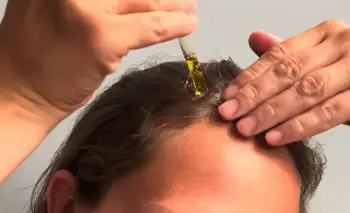
If the product label permits scalp application, use your fingertips to distribute a small amount.
Massage gently rather than scratching or rubbing aggressively.
The goal is comfortable application, not intense stimulation.
Avoid applying oil to an irritated or broken scalp.
- Choose a Suitable Shampoo
Because batana oil is relatively rich, you may need an effective shampoo to remove excess residue.
Choose a cleanser that suits your scalp type.
If your hair feels coated after washing, adjust the amount of oil rather than repeatedly using harsh cleansing products.
- Avoid Excessive Heat Styling
Heat damage can make hair dry, brittle, and difficult to manage.
Although batana oil may improve the feel of your hair, it shouldn’t be treated as a substitute for a proper heat protectant.
Use a dedicated heat-protection product before blow-drying, straightening, or curling.
Whenever possible, reduce unnecessary heat exposure.
- Maintain a Consistent Schedule
You don’t need to apply oil every day.
For many people, starting with one or two applications weekly is a reasonable approach.
Observe how your hair responds and adjust accordingly.
If your hair becomes greasy, reduce the amount or frequency.
If your ends remain dry, consider using a small amount as a leave-in finishing treatment, provided the product label allows it.
- Store the Oil Properly
Keep Tyche Batana Oil in its original container and follow the manufacturer’s storage instructions.
Generally, oils should be protected from excessive heat, direct sunlight, and contamination.
Close the lid properly after every use.
Avoid introducing wet fingers or unclean applicators into the container.
Comparison Of Tyche Batana Oil With Other Hair Oils
- Tyche Batana Oil vs. Argan Oil
Argan oil is widely used in hair conditioners, serums, and leave-in treatments.
Compared with batana oil, argan oil generally feels lighter and may be easier to distribute through fine or medium-textured hair.
It can help improve shine, softness, and manageability.
Batana oil may be more appealing if your hair is particularly coarse or dry and benefits from a richer treatment.
If you dislike heavy oils, argan oil may be the more comfortable option.
- Tyche Batana Oil vs. Coconut Oil
Coconut oil is another popular choice for hair conditioning.
It contains a high proportion of lauric acid, which has been studied for its ability to penetrate hair fibers.
Coconut oil has more research supporting certain hair-shaft benefits than batana oil.
However, it can feel heavy on some hair types and may not suit everyone.
Batana oil offers a different traditional hair-care profile, but there isn’t enough comparative evidence to establish that it performs better.
- Tyche Batana Oil vs. Castor Oil
Castor oil is often promoted for thicker-looking hair and eyebrow growth.
Its thick consistency makes it useful for people who prefer heavier oil treatments.
However, castor oil also lacks convincing clinical evidence showing that it directly stimulates hair regrowth.
Batana oil and castor oil should both be viewed primarily as cosmetic conditioning options rather than proven hair-loss treatments.
- Tyche Batana Oil vs. Jojoba Oil
Jojoba oil has a relatively lightweight feel compared with many traditional hair oils.
It can be a convenient choice for people who want a lighter conditioning product.
If your scalp and hair become oily easily, jojoba oil may be easier to incorporate into your routine.
Batana oil may be more appealing when your hair needs a richer treatment.
- Tyche Batana Oil vs. Rosemary Oil
Rosemary oil is frequently discussed in connection with hair growth.
Some limited research has investigated rosemary oil for androgenetic hair loss, but the evidence remains insufficient to establish it as a guaranteed treatment.
It’s also important to distinguish rosemary essential oil from rosemary-infused carrier oils.
Essential oils should generally be diluted appropriately before topical application.
Batana oil is more commonly used for conditioning than for a scientifically established hair-growth effect.
Also Read: Is Cliganic Organic Jojoba Oil Worth It?
Frequently Asked Questions (FAQ)
There is insufficient scientific evidence that batana oil directly regrows hair. It may condition existing strands and help reduce breakage.
There isn’t a universally established best brand. Choose one with transparent ingredients, clear sourcing, reliable manufacturing information, and realistic claims.
Check the ingredient label, manufacturer information, sourcing details, and product consistency. Color and smell alone cannot prove authenticity.
The exact Tyche formulation needs to be verified from its packaging. Don’t assume it contains 100% pure batana oil without checking the complete ingredient list.
Final Verdict
Tyche Batana Oil may be worth considering if you want a rich conditioning treatment for dry, rough, or frizzy hair.
I would recommend considering it for softness and manageability rather than guaranteed hair regrowth.
Before buying, check its ingredient list, authenticity, and price. If those details are satisfactory and your hair benefits from richer oils, it could be a useful addition to your routine.
Recent Posts
LeeFar Cutting Drink Mix Reviews: Does It Really Help With Weight Loss?
LeeFar Cutting Drink Mix has attracted attention among people looking for an easier way to manage cravings, support metabolism, and work toward weight loss. Its combination of berberine,...
Nitro Wood Magnum Review: Does It Really Improve Male Performance?
Nitro Wood Magnum is a male wellness supplement designed to support blood circulation, workout performance, stamina, and overall vitality. If you're looking for a supplement that may...