
If you want a simple, multipurpose oil for moisturizing your skin, softening dry areas, or adding lightweight nourishment to your hair, I think Cliganic Organic Jojoba Oil is worth considering.
I like that jojoba oil can fit into a simple personal-care routine without requiring several different products.
After using it, I found the texture, versatility, and easy application especially appealing.
If you prefer straightforward plant-based skincare and want an oil that can serve several purposes, I would recommend giving Cliganic Organic Jojoba Oil a try.
My First Experience With Cliganic Organic Jojoba Oil
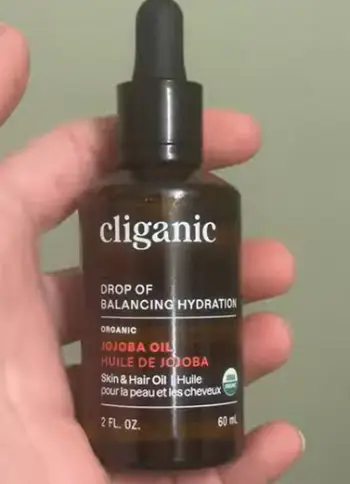
When I first started using jojoba oil, I wasn’t looking for something complicated.
I wanted one product that I could use on more than one part of my routine. My skin sometimes feels tight after cleansing, while the ends of my hair can become dry. So, having an oil that could work for both sounded practical.
Cliganic Organic Jojoba Oil immediately stood out to me because of its simple feel. It is an oil, but it doesn’t feel as heavy as I expected.
I only needed a small amount, and I learned pretty quickly that using too much wasn’t necessary.
For my face, I preferred applying a few drops to slightly damp skin. That helped me spread it evenly without making my face feel excessively greasy.
I also liked using a tiny amount on areas that tend to become rough, such as my hands and elbows.
Hair was another interesting use. I rubbed a small amount between my palms and lightly worked it through the ends.
When I used too much, my hair looked oily, so I quickly learned to start with less. That’s one thing I’d tell you if you’re trying it for the first time: don’t judge jojoba oil by applying a large amount.
What I appreciated most was the flexibility. I didn’t have to reserve the bottle for one specific purpose.
I could use it as a moisturizer booster, cuticle oil, hair-end treatment, or dry-skin helper depending on what I needed that day.
The experience also made me appreciate simple formulations more. Instead of having a cabinet filled with specialized oils, creams, and treatments, I could keep one bottle available for several small personal-care jobs.
That said, I wouldn’t describe it as a miracle product. My experience was more about gradual softness and improved comfort than dramatic overnight changes. If you’re expecting it to completely transform your skin or hair, you may be disappointed. But if you’re looking for a versatile moisturizing oil, I found it quite useful.
Pros Of Cliganic Organic Jojoba Oil

- Lightweight Feel
The first advantage I noticed was the relatively lightweight feel. While it is still an oil, I didn’t find it as thick or cumbersome as some richer oils.
That matters when you’re trying to build a routine you’ll actually stick with.
I don’t enjoy products that leave my skin feeling excessively coated, especially during warmer weather.
A few drops were enough for me to spread over a larger area. If you use it after cleansing, you can also control the amount according to how dry your skin feels.
- Versatile Everyday Use
This is probably my favorite benefit.
I can think of several ways to use jojoba oil without making the routine complicated. I can apply it to dry facial areas, massage a little into my hands, smooth it over cuticles, or use a small amount on dry hair ends.
That versatility can make a single bottle surprisingly useful.
You can also combine a few drops with an existing moisturizer if you find your regular cream isn’t quite enough during particularly dry weather.
- Useful for Dry Skin
Jojoba oil works particularly well for people who are primarily looking for moisture and softness.
When my skin feels dry, applying a small amount helps give it a smoother, more comfortable feel. I especially like it on areas such as elbows, knees, hands, and around dry patches.
However, I wouldn’t claim that it treats every type of skin problem. Its main appeal is moisturizing and conditioning rather than acting as a specialized treatment.
- Helpful for Hair Ends
If your hair ends feel rough, jojoba oil can be useful as a finishing product.
I prefer using only a tiny amount. After rubbing it between my palms, I gently smooth it over the ends rather than applying it heavily near the roots.
This can help my hair feel softer and look more polished without requiring a complicated hair routine.
If your hair is fine or naturally oily, you’ll want to be especially conservative with the amount.
- Convenient for Cuticles and Nails
Another use I enjoyed was around my nails.
When my cuticles looked dry, I could massage a small amount of oil around them. It takes only a minute, but it can make my hands look more cared for.
I particularly like this before bed because I don’t have to worry about touching things immediately afterward.
- Easy to Incorporate Into a Routine
I don’t need a special technique to use it. That’s a genuine advantage.
You can apply it after washing your face, after a shower, before bed, or whenever a dry area needs some extra conditioning.
For me, products that require fewer steps are easier to use consistently.
- A Little Goes a Long Way
One bottle can last quite a while when you’re using only a few drops at a time.
That makes the product more practical than it might initially appear. You don’t need to saturate your skin or hair to get the moisturizing effect.
In fact, using too much can make the experience worse because you’ll simply end up feeling greasy.
Cons Of Cliganic Organic Jojoba Oil
- It Can Feel Oily
Let’s be realistic: this is still an oil.
Even though jojoba oil can feel lighter than some alternatives, you may still notice an oily sensation if you apply too much.
I learned that the hard way. A few drops worked better for me than a generous pour.
- Not Everyone Will Love It on the Face
If your skin is naturally oily, you may not enjoy adding an oil to your facial routine.
Some people prefer gel-based or water-based moisturizers because they feel lighter. If that’s you, jojoba oil may be better reserved for dry areas, hands, or hair.
- Results Are Usually Subtle
I wouldn’t buy it expecting dramatic results.
Jojoba oil can help moisturize and soften, but it isn’t a replacement for every specialized skincare treatment. If you’re dealing with persistent irritation, severe dryness, or another skin concern, a basic oil shouldn’t be treated as the complete solution.
- Can Make Hair Look Greasy
Hair application requires some restraint.
I found that a tiny amount worked nicely on the ends, but too much quickly changed the appearance. If you have thin hair, you may need even less.
The key is to treat it like a finishing oil rather than soaking your hair in it.
Maintenance Tips For Cliganic Organic Jojoba Oil
- Store It Properly
I recommend keeping the bottle in a cool, dry location away from excessive heat and direct sunlight.
You don’t need to make storage complicated. A bathroom cabinet or bedroom drawer can be more practical than leaving the bottle sitting on a sunny windowsill.
Heat and light aren’t ideal for many natural oils, so basic storage habits can help maintain the product’s quality.
- Keep the Bottle Clean
I try not to let the bottle opening touch my skin directly.
Instead, I dispense the oil onto clean fingertips or into my palm. This simple habit reduces the chance of transferring dirt or other material into the bottle.
If you’re using it regularly, keeping the cap and opening clean is equally important.
- Start With Small Amounts
This is probably my most useful tip.
Don’t assume more oil means better results. Start with one or two drops and see how your skin or hair responds.
You can always add another drop. Removing excess oil is much more annoying.
For facial use, I prefer starting small and spreading it evenly rather than applying a large amount in one spot.
- Use It on Slightly Damp Skin
When my skin is slightly damp, I find the oil easier to distribute.
After cleansing, I gently pat my face rather than completely drying it. Then I use a small amount of jojoba oil.
This approach can make the application feel smoother and prevent me from using too much.
- Avoid Contaminating the Product
If you’re using jojoba oil around your face, clean hands are important.
I wouldn’t recommend dipping dirty fingers repeatedly into any skincare product. A little attention to hygiene helps keep your routine cleaner.
- Don’t Use Excessive Heat
You don’t need to heat the entire bottle to make jojoba oil easier to apply.
If you want a warmer application, simply rub a few drops between your palms. Your body heat is enough for most situations.
This also lets you control the quantity much more easily.
- Pay Attention to Your Skin
Even a simple plant-based ingredient can cause irritation in some people.
If you’re trying jojoba oil for the first time, I recommend testing a small area before using it extensively.
If you notice persistent redness, burning, itching, or irritation, stop using it and consider speaking with a healthcare professional.
- Keep Hair Application Controlled
For hair, I always recommend starting at the ends.
You can work upward if necessary, but applying a large amount directly to the scalp or roots can make the hair appear greasy.
For me, jojoba oil works better as a small finishing touch than as something I pour over my entire head.
- Don’t Expect It to Replace Everything
This is an important maintenance tip for your expectations.
A versatile product is convenient, but versatility doesn’t mean it can replace sunscreen, a targeted acne treatment, a conditioner, or other specialized products.
I use jojoba oil for what it does well: conditioning and moisturizing.
- Cliganic Organic Jojoba Oil for Skin
When I use jojoba oil on my skin, I focus on hydration and softness rather than expecting a dramatic cosmetic transformation.
It works particularly well for areas that need extra moisture. Hands, elbows, knees, and dry facial areas are obvious places to try it.
I also appreciate the ability to adjust the amount according to the season. During dry weather, I may use slightly more. During humid weather, I prefer using less.
That’s one reason I find oils interesting: your application doesn’t have to remain exactly the same throughout the year.
- Cliganic Organic Jojoba Oil for Hair
Hair care is another area where this product can make sense.
I mainly use it on dry ends because that’s where I notice roughness most easily. After applying a tiny amount, I gently smooth the hair with my fingers.
I wouldn’t recommend treating it like a traditional conditioner. It’s more useful as a small conditioning step after washing or between washes.
If your hair is thick and coarse, you may tolerate more. If it’s fine and straight, start extremely small.
- Cliganic Organic Jojoba Oil for Facial Care
Facial application requires the most careful dosing.
I prefer using only a few drops. After cleansing, I spread the oil between my fingertips before gently pressing and smoothing it over my skin.
The goal isn’t to leave my face shiny with oil. The goal is to provide a comfortable moisturizing layer.
If you’re prone to clogged pores or breakouts, pay attention to how your individual skin responds. Skincare isn’t one-size-fits-all.
Comparison Of Cliganic Organic Jojoba Oil With Other Brands

- Cliganic vs. Sky Organics
Both types of products appeal to people who prefer plant-based personal care and straightforward oil-based routines.
When comparing them, I would look beyond the front label and check the exact ingredient list, certification details, packaging, bottle size, and current formulation.
For me, the more important question isn’t simply which name is more familiar. It’s whether the product fits my intended use and whether I like its texture.
- Cliganic vs. Leven Rose
Leven Rose is another name you may encounter when shopping for jojoba oil.
The practical comparison comes down to purity claims, sourcing information, packaging, texture, and how the oil behaves on your particular skin and hair.
I would also compare the quantity you receive against the price rather than judging the bottle by its appearance.
- Cliganic vs. Handcraft Blends
Some brands sell jojoba oil alongside blends containing additional oils or botanical ingredients.
That’s useful if you’re specifically looking for a multi-ingredient formulation. However, I prefer a simpler jojoba product when I want to know exactly what I’m putting on my skin.
If you have a particular ingredient preference, checking the full label is more useful than relying on marketing language.
Also Read: Is Cyperus Rotundus Oil Worth It?
Frequently Asked Questions (FAQ)
It can be a practical choice if you want a simple, versatile jojoba oil for skin and hair care.
There isn’t one universally best option. Compare ingredients, sourcing, certification, packaging, size, and your intended use.
Cliganic is an established personal-care brand offering various natural and organic-oriented products.
It can feel oily, may not suit every skin type, and can make hair greasy when too much is applied.
Final Verdict
After using Cliganic Organic Jojoba Oil, I see it as a straightforward, versatile option rather than a miracle product.
I like how easily I can work it into skincare, haircare, and nail care without adding complicated steps.
If you want a multipurpose oil for moisturizing and conditioning, I would recommend trying it, especially if you prefer simple routines.
Start with a small amount, pay attention to how your skin responds, and adjust your application accordingly.
Recent Posts
● Interactive 5-Zone Interior & Exterior Paint Blueprint Paint Coverage Calculator: Gallons, Primer, Square Footage & Cost Tap any architectural surface zone on the blueprint...
If you want smooth, shiny hair without spending a fortune on a premium styling tool, the Ella Bella hair dryer may be worth considering.In these Ella Bella hair dryer reviews, I’ll look...