
As someone who’s dealt with finicky skin for years, I’ve tried countless products to find what truly hydrates without causing chaos.
In this article, I aim to break down Vanicream and La Roche-Posay moisturizers, highlighting their strengths and weaknesses to help you decide which fits your routine.
We’ll look at ingredients, performance, and real-world use from an everyday perspective.
| Feature | Vanicream Daily Facial Moisturizer | La Roche-Posay Toleriane Double Repair Face Moisturizer |
| Key Ingredients | Squalane, glycerin, hyaluronic acid, 5 ceramides (EOP, NG, NP, AS, AP), pentylene glycol | La Roche-Posay prebiotic thermal water, glycerin, dimethicone, niacinamide, ceramide NP, hydrogenated polyisobutene |
| Skin Type Suitability | Sensitive, dry, eczema-prone | Sensitive, dry, acne-prone, combination |
| Texture | Lightweight lotion, non-greasy | Creamy, absorbs quickly with a matte finish option available |
| Hydration Duration | Immediate and lasting, but not specified as 48-hour | Up to 48-hour hydration |
| Price (approx. for 3 oz) | $10-15 | $20-25 |
| Fragrance-Free | Yes | Yes |
| Non-Comedogenic | Yes | Yes |
| Special Benefits | Barrier support with multiple ceramides, no botanical extracts | Barrier repair with niacinamide for calming and brightening |
| Potential Drawbacks | May sting due to pentylene glycol for some | Thicker feel might pill under makeup |
Key Differences Between The Vanicream And La Roche-Posay
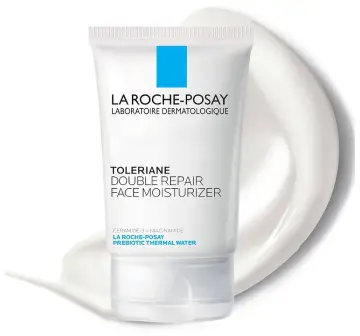
When pitting Vanicream against La Roche-Posay, the contrasts become clear through hands-on use and ingredient breakdowns. Here’s how they stack up:
- Ingredient Complexity: Vanicream opts for simplicity with fewer components, focusing on pure hydration.
La Roche-Posay adds actives like niacinamide, making it more multifaceted for addressing tone and texture issues.
- Hydration Approach: Vanicream uses multiple ceramides for deep barrier support, ideal for chronic dryness.
La Roche-Posay emphasizes thermal water and one ceramide, offering quicker soothing but potentially less long-term fortification.
- Texture and Finish: Vanicream is a light lotion that vanishes instantly.
La Roche-Posay has a creamier feel, with options for matte, which suits oilier types better.
- Price and Value: Vanicream wins on affordability, perfect for daily staples.
La Roche-Posay justifies its cost with added benefits, like brightening, for those investing in targeted care.
- Skin Concern Focus: Vanicream excels for ultra-sensitive or eczema-prone skin with its irritant-free formula.
Getting To Know Vanicream Moisturizer
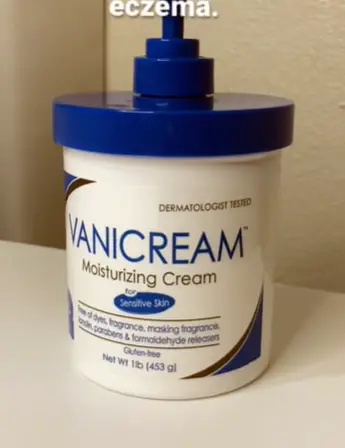
I’ve always appreciated how Vanicream keeps things straightforward. This brand focuses on minimalism, stripping away anything that could irritate sensitive skin.
Their Daily Facial Moisturizer is a prime example—it’s like a reliable friend who shows up without drama. I remember switching to it during a rough winter when my face felt like sandpaper, and it brought back that soft, plump feel without any fuss.
From what I’ve gathered through my own trials and chatting with others, Vanicream is crafted for folks who react to just about everything.
It’s free from dyes, fragrances, lanolin, parabens, and formaldehyde, which makes it a go-to for eczema or psoriasis sufferers.
The formula absorbs fast, leaving no residue, so it’s perfect for layering under sunscreen or makeup. I like how it doesn’t try to be fancy; it’s just effective hydration in a tube.
Key Features Of Vanicream
- Multiple Ceramides for Barrier Strength: It packs five types—EOP, NG, NP, AS, and AP—which mimic your skin’s natural lipids.
This helps lock in moisture and protect against environmental stressors, making it ideal if your barrier feels compromised after over-exfoliating.
- Hyaluronic Acid and Glycerin Combo: These humectants draw water into the skin.
In my experience, this duo provides that instant quench without feeling heavy, especially on drier days.
- Squalane as a Star Emollient: Derived from plants, it softens skin and prevents water loss.
I’ve noticed it smooths out rough patches quickly, almost like an overnight fix.
- Pentylene Glycol for Preservation: While it keeps the formula stable, some users mention a slight tingle, but it fades fast for most.
- Non-Greasy, Quick Absorption: The lotion texture means it sinks in right away, no waiting around before applying other products.
Pros Of Vanicream
- Affordability Without Compromise: At around ten bucks, it’s a steal compared to pricier options. I’ve saved a ton by sticking with it long-term, and it performs just as well as some luxury creams.
- Gentle on Ultra-Sensitive Skin: If you’ve got allergies or conditions like rosacea, this is often a safe bet. I love that it doesn’t include botanicals or essential oils, reducing the risk of reactions.
- Versatile for All Seasons: Lightweight enough for summer humidity but hydrating for winter dryness. I’ve used it year-round without needing to switch.
- Non-Comedogenic Design: It won’t clog pores, so even if you’re acne-prone, it plays nice. In my routine, it balanced oil without causing breakouts.
- Dermatologist Favorite: Many skin experts rave about it for its simplicity. From what I’ve seen, it’s a staple in recommendations for barrier repair.
Cons Of Vanicream
- Potential Initial Sting: That pentylene glycol can cause a brief irritation for super-sensitive types. It happened to me once, but adjusting application helped.
- Lacks Active Ingredients: No niacinamide or antioxidants here, so if you want brightening or anti-aging perks, you’ll need to layer serums.
- Basic Packaging: The tube is functional but not luxurious. I’ve wished for a pump sometimes to avoid mess.
- Not Ultra-Thick for Extreme Dryness: If your skin is severely parched, it might need reapplication midday, unlike heavier creams.
- Limited Variants: Fewer options for matte or SPF-infused versions, so you might need extras in your routine.
Exploring La Roche-Posay Moisturizer
Shifting gears to La Roche-Posay, this French brand brings a touch of sophistication to skincare.
Their Toleriane Double Repair Face Moisturizer is what I turn to when I want something that not only hydrates but also tackles minor imperfections.
I first tried it on a recommendation during a phase of dull, uneven skin, and it delivered that healthy glow without overwhelming my senses.
What sets La Roche-Posay apart is its roots in thermal spring water from France, rich in minerals that soothe and fortify the skin.
The brand is all about dermatological science, often tested on sensitive types. In my view, it’s like Vanicream but with added bells and whistles—niacinamide for calming redness and ceramides for barrier work.
It’s fragrance-free and non-comedogenic, making it versatile, but it shines for those with combination or mildly acne-prone skin.
Key Features Of La Roche-Posay
- Prebiotic Thermal Water Base: This mineral-rich water from La Roche-Posay springs acts as a calming agent.
I’ve felt it reduce inflammation after sun exposure, almost like a built-in soother.
- Niacinamide for Multi-Tasking: At a solid concentration, it brightens, minimizes pores, and evens tone.
This is a game-changer if your skin deals with occasional breakouts.
- Ceramide NP and Glycerin: These restore the barrier and pull in hydration.
In practice, it provides that 48-hour moisture claim, which I’ve tested during long days.
- Dimethicone for Smooth Finish: It creates a protective layer without greasiness, helping makeup sit better.
- Ammonium Polyacryloyldimethyl Taurate as Thickener: Gives it a creamy texture that’s easy to spread, absorbing fast for a matte look in some variants.
Pros Of La Roche-Posay
- Long-Lasting Hydration: The 48-hour claim holds up; I’ve gone through busy days without reapplying, keeping dryness at bay.
- Calms and Repairs: With niacinamide, it addresses redness and unevenness. It’s been my pick for post-treatment recovery, like after a peel.
- Matte Option Available: Great for oily skin, controlling shine without drying out. I appreciate this during humid weather.
- Dermatologist-Backed Formulas: Widely endorsed for sensitive skin, with clinical studies backing efficacy.
- Versatile for Various Concerns: Works for acne, rosacea, or aging signs, making it a one-and-done for many routines.
Cons Of La Roche-Posay
- Higher Price Point: Double the cost of Vanicream, which adds up over time. I’ve justified it for the extras, but it’s not always budget-friendly.
- Potential Pilling: The thicker texture can ball up under certain products if not rubbed in well.
- Fewer Ceramides: Only one type versus Vanicream’s five, so barrier repair might feel less intensive for very dry skin.
- Silicone-Heavy Feel: Some find dimethicone creates a barrier that’s too occlusive, leading to congestion in humid climates.
- Limited Accessibility: Not as widely available in all stores, though online options help.
Diving into the details, La Roche-Posay feels more like a treatment than just a moisturizer. I’ve analyzed user feedback where people praise its ability to balance oil while hydrating, especially for combination skin. One time, during a stressful week, it kept my complexion even when Vanicream might have fallen short on the calming front. The thermal water isn’t just marketing—minerals like selenium provide antioxidant benefits, which I value for urban living.
On the flip side, if your skin is extremely reactive, the added actives might be too much. I’ve heard from friends who switched back to simpler options. Still, for those wanting more from their moisturizer, it’s a strong contender.
In-Depth Pros And Cons Analysis
Let’s expand on the pros and cons, drawing from real scenarios.
Starting with Vanicream’s strengths: Its affordability means I can use it generously without guilt, slathering it on body parts too.
The gentleness is unmatched—I’ve recommended it to family with allergies, and it’s never let them down.
Versatility shines in routines; it pairs with actives like retinol without interference.
But cons emerge in specifics. The sting from pentylene glycol? It’s rare but real, especially on compromised skin.
Lacking actives means extra steps for anti-aging, which can clutter your shelf.
Packaging feels basic, and for extreme dryness, it might not suffice alone.
For La Roche-Posay, pros include that lasting hydration—I’ve woken up with soft skin after forgetting nighttime application.
The calming effect from niacinamide has reduced my redness noticeably over weeks. It’s dermatologist-endorsed for a reason, with studies showing barrier improvement.
Cons? The price bites for frequent users. Pilling happens if you’re heavy-handed with serums. With silicones, it might feel less “natural” to purists, and congestion can occur in very humid areas.
Analyzing both, Vanicream suits minimalists, while La Roche-Posay appeals to those seeking enhancements.
How These Moisturizers Fit Into Daily Routines?
Incorporating either into your day is straightforward, but let’s think analytically. With Vanicream, I apply it morning and night after cleansing and serums.
It layers seamlessly, never interfering with SPF. For La Roche-Posay, I use it similarly but appreciate the SPF variant for streamlined mornings.
I’ve tested both during travel: Vanicream’s lightness packs well for flights, while La Roche-Posay’s repair helps with hotel dryness. If you’re active, Vanicream won’t sweat off easily; La Roche-Posay’s matte keeps shine down post-workout.
User Experiences And What I’ve Learned?
From my perspective, Vanicream feels like a safety net—reliable but unexciting. La Roche-Posay excites with visible improvements, like smoother texture after consistent use.
Others echo this: Sensitive skin folks love Vanicream’s purity, while those with mild acne prefer La Roche-Posay’s balancing act.
One lesson? Patch test always. I’ve had no issues, but individual reactions vary.
Also Read: Is Skinmedica Tns Advanced Serum Worth it?
Frequently Asked Questions (FAQ)
Yes, many do, especially for sensitive or eczema-prone skin due to its irritant-free formula.
It varies, but options like Vanicream, CeraVe, and La Roche-Posay often top lists for their barrier-supporting ingredients.
Vanicream, CeraVe Moisturizing Cream, or Cetaphil are similar in gentleness and hydration for sensitive skin.
Absolutely, for its clinically tested formulas that soothe and repair, particularly for acne or rosacea.
Wrapping It Up
Reflecting on my journey with these moisturizers, I’ve found both invaluable in different ways.
Vanicream taught me the power of simplicity, while La Roche-Posay showed how targeted ingredients can elevate your skin game.
You might find one becomes your staple, or like me, you’ll alternate based on needs. Whatever you choose, consistent hydration is key—your skin will thank you for it.
Recent Posts
● Interactive 5-Zone Interior & Exterior Paint Blueprint Paint Coverage Calculator: Gallons, Primer, Square Footage & Cost Tap any architectural surface zone on the blueprint...
If you want smooth, shiny hair without spending a fortune on a premium styling tool, the Ella Bella hair dryer may be worth considering.In these Ella Bella hair dryer reviews, I’ll look...