
If you’re thinking about replacing an aging wood deck or building a brand-new outdoor space, I believe Veranda composite decking deserves serious consideration.
I chose it because I wanted something that looked attractive without demanding constant sanding, staining, or sealing.
After spending plenty of time researching and using it, I found that Veranda offers a strong balance between affordability, appearance, and low maintenance.
In this review, I’ll share my real experience, explain what worked well, point out the drawbacks, and help you decide whether it’s the right investment for your home.
My Personal Experience With Veranda Composite Decking
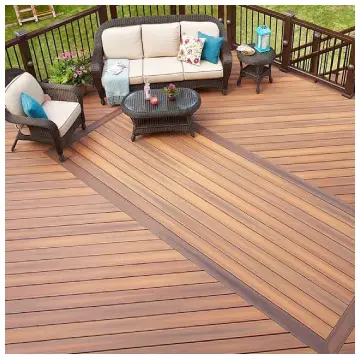
When I first started looking for composite decking, I was overwhelmed by the number of choices available.
Trex, TimberTech, Fiberon, Deckorators, and Veranda all promised durability, beautiful finishes, and years of performance.
The biggest challenge for me wasn’t finding a good product—it was finding one that fit my budget without sacrificing quality.
Veranda immediately caught my attention because it was noticeably more affordable than several premium brands.
I wasn’t expecting luxury-level performance, but I wanted something that could comfortably outperform traditional pressure-treated lumber.
Installation went smoother than I expected. The boards felt sturdy and consistent in size, making layout easier. Cutting them with standard woodworking tools wasn’t difficult, although I noticed composite boards produce finer dust than regular lumber.
Once everything was installed, the deck had a clean, modern appearance that instantly improved my backyard.
Over the following months, I paid attention to how the decking handled different weather conditions. It experienced heavy sunshine, rainstorms, and changing temperatures.
I was pleasantly surprised by how stable it remained. Unlike my previous wooden deck, I didn’t notice splitting, cracking, or loose knots because, of course, composite material doesn’t suffer from those traditional wood problems.
One thing I noticed fairly quickly was heat retention. On extremely hot afternoons, the boards became warmer than natural wood.
It wasn’t unbearable, but walking barefoot during peak sunlight wasn’t particularly comfortable.
Cleaning became one of my favorite parts of ownership because there wasn’t much work involved. Most dirt disappeared with a garden hose and occasional brushing.
I didn’t need to spend weekends staining or sealing the surface, which saved both time and money.
After continued use, I still appreciated the consistent appearance. The color stayed attractive, and I didn’t have to worry about peeling paint or weathered wood fibers.
While it isn’t a flawless product, my experience has been largely positive, especially considering the price point.
If you’re someone who values convenience over constant maintenance, you’ll probably appreciate what Veranda offers.
What Is Veranda Composite Decking?
Veranda composite decking is manufactured from a combination of recycled wood fibers and recycled plastics.
This blend creates decking boards designed to mimic the appearance of wood while reducing many of the maintenance tasks associated with traditional lumber.
The boards are engineered to resist moisture, insects, rot, and everyday wear better than untreated wood.
Various colors and finishes allow homeowners to create traditional or contemporary outdoor spaces without requiring frequent refinishing.
Rather than focusing solely on aesthetics, Veranda aims to provide practical value for homeowners who want dependable outdoor flooring without paying premium-brand prices.
Build Quality And Materials
One aspect I appreciated was the consistency of the boards. Every plank felt dense and well-manufactured, with very little variation in thickness or texture.
The protective outer layer helps resist moisture penetration and everyday staining better than exposed wood fibers. While no decking material is completely immune to scratches or damage, Veranda performs well during normal residential use.
The realistic grain patterns also help create a natural appearance without making the deck look artificial or overly glossy.
Appearance And Design Options
Appearance matters because your deck often becomes the centerpiece of your outdoor living area.
Veranda offers several attractive color choices that complement different architectural styles. Whether your home features brick, stone, vinyl siding, or painted exteriors, there’s usually a color that blends naturally.
I particularly liked that the boards don’t have the repetitive plastic appearance that older composite decking products often had. The subtle grain texture creates a more authentic finish from both close up and a distance.
Even after months outdoors, the overall appearance remained neat with minimal visible weathering.
Pros Of Veranda Composite Decking
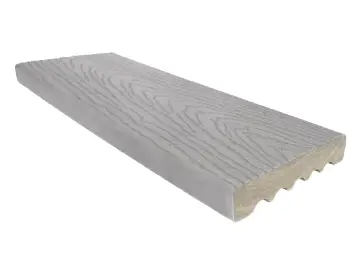
- Affordable Alternative to Premium Composite Decking
The first advantage I noticed was value. If you’re working within a reasonable budget, Veranda gives you many of the benefits of composite decking without demanding premium pricing.
While higher-end products may include additional luxury features, I never felt like I was settling for an inferior product. Instead, I felt I was getting strong performance for the money I spent.
- Minimal Maintenance Throughout the Year
One of the biggest reasons I switched from wood was maintenance.
With my previous deck, every season meant another project. I had to pressure wash, scrape peeling finishes, stain exposed areas, and repair damaged boards.
Veranda eliminated almost all of those chores.
Instead of dedicating weekends to maintenance, I simply rinse off dirt and occasionally scrub stubborn spots. That’s a huge quality-of-life improvement.
- Resistant to Rot and Insect Damage
Wood decks constantly battle moisture, termites, carpenter ants, and fungal decay.
Composite decking removes many of these concerns because insects aren’t interested in plastic-based materials, and moisture doesn’t penetrate the boards like untreated wood.
That extra peace of mind makes ownership much easier.
- Consistent Color and Attractive Finish
Unlike painted wood that chips or stained lumber that fades unevenly, Veranda maintains a consistent appearance much longer.
Although slight weathering may occur over many years, the deck continues looking clean without requiring constant cosmetic work.
- Comfortable Surface Texture
The textured finish provides reasonable traction without feeling rough underfoot.
Whether walking with shoes or sandals, I found the surface comfortable for everyday use.
- Eco-Friendly Material Composition
Knowing the decking incorporates recycled materials made me feel better about the purchase.
Instead of relying entirely on newly harvested lumber, composite decking helps reuse plastics and reclaimed wood fibers.
- Strong Structural Stability
I noticed very little movement after installation.
The boards stayed straight, felt solid, and created a firm walking surface that inspired confidence when entertaining family and friends.
- Reduced Long-Term Ownership Costs
Although composite decking costs more initially than pressure-treated lumber, I found myself saving money by avoiding annual stains, sealers, replacement boards, and maintenance supplies.
Over many years, those savings can become significant.
Cons Of Veranda Composite Decking
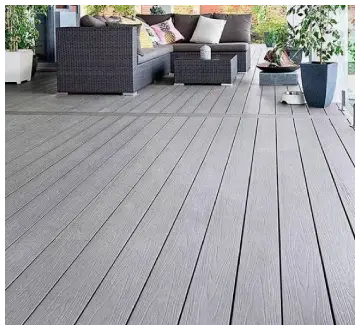
- Surface Can Become Hot
This remains my biggest complaint.
During hot summer afternoons, darker colors absorb heat faster than natural wood. If you regularly walk barefoot, you’ll definitely notice the temperature difference.
Adding outdoor rugs or choosing lighter colors can help reduce this issue.
- Higher Initial Investment Than Wood
While Veranda costs less than several premium composite brands, it’s still more expensive upfront than traditional treated lumber.
If your budget is extremely limited, that initial cost may feel substantial.
- Scratches Can Still Happen
Composite decking is durable but not indestructible.
Dragging heavy furniture or sharp metal objects across the surface may leave visible scratches.
Using protective pads underneath outdoor furniture helps reduce this risk.
- Limited Repair Options
If one board becomes badly damaged, repairing it isn’t always as simple as sanding wood.
In many cases, replacing the affected board produces the best result.
- Some Color Fading Over Time
Although fading happens gradually, years of direct UV exposure may slightly soften the original color.
Fortunately, this usually occurs evenly instead of creating patchy discoloration.
Maintenance Tips For Veranda Composite Decking
- Clean Dirt Before It Builds Up
The easiest way to keep your deck looking new is by cleaning it regularly instead of allowing dirt to accumulate.
I usually rinse the deck every couple of weeks and perform a more thorough cleaning every few months. This simple habit prevents grime from becoming difficult to remove later.
- Wash Spills Quickly
Outdoor dining naturally leads to spilled drinks, sauces, grease, or food residue.
Whenever something spills, I clean it promptly using mild soap and warm water. Quick action helps prevent stains from settling into the textured surface.
Even though composite decking resists staining better than wood, immediate cleaning always produces better results.
- Use Gentle Cleaning Products
Aggressive chemicals aren’t necessary.
I stick with mild household cleaners specifically intended for composite decking or simple dish soap.
Harsh solvents may damage the protective outer layer over time, so I avoid using anything unnecessarily strong.
- Remove Leaves and Organic Debris
Leaves may seem harmless, but when they remain wet for extended periods, they can encourage mildew growth and create stubborn stains.
I regularly sweep away leaves, grass clippings, flower petals, and pine needles to keep the deck clean and dry.
This only takes a few minutes but makes a noticeable difference.
- Prevent Standing Water
Although Veranda handles moisture better than wood, standing water should still be avoided whenever possible.
Keeping drainage areas clear helps water flow away naturally after heavy rain.
Good airflow underneath the deck also supports long-term performance.
- Protect Furniture Contact Points
Heavy chairs and tables can scratch almost any decking material.
I installed soft furniture pads beneath each chair and table leg, and they’ve worked extremely well.
Whenever I move heavy items, I lift them rather than dragging them across the boards.
- Avoid Metal Shovels During Winter
If you experience snow, use plastic snow shovels instead of metal ones.
Metal edges can scratch composite surfaces unnecessarily.
Gentle snow removal keeps the boards looking newer for much longer.
- Inspect the Deck Every Season
I like performing a quick seasonal inspection.
I check fasteners, railings, stair connections, drainage, and board spacing.
Finding small issues early helps prevent larger repairs later.
- Keep Mold-Prone Areas Dry
Shaded sections naturally stay wetter than sunny areas.
Whenever possible, I improve airflow by trimming nearby shrubs and preventing vegetation from growing too close to the deck.
Better air circulation helps minimize mildew.
- Follow Manufacturer Care Recommendations
Every composite decking manufacturer provides maintenance guidance.
Following those recommendations gives you the best chance of maximizing your deck’s lifespan while preserving warranty protection.
A little preventive care goes a long way.
Comparison Of Veranda With Other Brands
- Veranda vs Trex
Trex is generally considered the premium benchmark in composite decking.
From my perspective, Trex offers a wider selection of colors, more premium finishes, and stronger long-term warranties across certain product lines.
However, Veranda stands out when affordability becomes the deciding factor. If you want dependable composite decking without stretching your budget, Veranda offers impressive value while still delivering attractive results.
- Veranda vs TimberTech
TimberTech places a stronger emphasis on luxury appearance and advanced protective technology. The boards often feature deeper wood grain patterns and enhanced scratch resistance.
Veranda doesn’t attempt to compete directly in the luxury category. Instead, it focuses on delivering reliable everyday performance at a considerably lower price.
- Veranda vs Fiberon
Fiberon provides numerous premium collections with enhanced moisture resistance and upscale finishes.
I found Veranda easier to justify financially because it offers many practical benefits without requiring the larger investment associated with Fiberon’s higher-end collections.
- Veranda vs Deckorators
Deckorators emphasizes lightweight mineral-based technology in several product lines, creating excellent structural performance.
Veranda remains an attractive choice for homeowners primarily seeking affordability, attractive appearance, and reduced maintenance rather than specialized construction technology.
Is Veranda Composite Decking Worth Buying?
After living with Veranda composite decking, I can confidently say it meets the expectations I had before purchasing it.
It isn’t the most luxurious composite decking available, but it also doesn’t carry the highest price tag.
For homeowners who want attractive outdoor living space, dependable durability, easier maintenance, and reasonable long-term value, Veranda checks many important boxes.
If you’re replacing an aging wooden deck and want fewer maintenance headaches, I think you’ll appreciate what Veranda brings to the table.
Frequently Asked Questions (FAQ)
Trex generally offers more premium features, but Veranda provides excellent value for homeowners with a tighter budget.
Yes. It offers good durability, attractive appearance, and low maintenance at a competitive price.
The best choice depends on your budget and priorities, but Trex, TimberTech, Fiberon, Deckorators, and Veranda are all respected options.
With proper installation and regular care, Veranda composite decking can last 25 years or more.
Wrapping Up
After spending considerable time using Veranda composite decking, I believe it’s an excellent choice for homeowners who want dependable performance without paying premium prices.
It delivers attractive looks, solid durability, and impressively low maintenance while eliminating many frustrations associated with traditional wood decks.
Although it has a few compromises, especially regarding heat retention and scratch resistance, the overall value makes it a product I would comfortably recommend to anyone planning a long-lasting outdoor living space.
Recent Posts
I spent months comparing budget options against established names after my last set of tires wore out sooner than expected.My goal here is to share what I learned from putting Dextero and...
AquaTru Carafe Vs. Classic: Which Is Actually Fits Your Kitchen?
I decided to write this comparison after months of testing both the AquaTru Carafe and the Classic in my own kitchen. Tracking covered daily use.Taste stayed consistent. Refill frequency...