
If you’re searching for a minimalist training shoe that helps you feel more connected to the ground while lifting weights, the Vivobarefoot Motus Strength is one of the strongest options I’ve tried.
I believe it’s designed for people who want stability, natural movement, and long-term foot strength instead of thick cushioning.
If your workouts focus on strength training, functional fitness, bodyweight exercises, or mobility work, this shoe deserves serious attention.
Throughout this review, I’ll share my personal experience, the strengths, the drawbacks, and whether it’s truly worth your money.
My First Experience With The Vivobarefoot Motus Strength
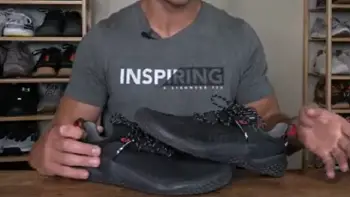
The first thing I noticed after putting on the Vivobarefoot Motus Strength was how different it felt compared to traditional gym shoes.
Instead of standing on a thick foam platform, I felt almost directly connected to the floor.
At first, that sensation surprised me because I had become used to heavily cushioned athletic shoes.
After wearing the shoes during several strength-focused workouts, I started appreciating what they were trying to achieve.
Squats immediately felt more stable because my feet weren’t wobbling on soft midsoles. During deadlifts, I felt much more balanced, and it became easier to maintain proper positioning from the floor to lockout.
One feature I particularly enjoyed was the wide toe box. My toes could spread naturally instead of being squeezed together.
That alone made longer gym sessions feel much more comfortable. I also noticed that my feet became more active throughout each exercise rather than relying on the shoe for stability.
Walking around the gym between sets felt completely natural. Even bodyweight exercises like lunges, planks, and step-ups benefited from the flexible sole. The shoe moved with my foot instead of restricting it.
That said, I wouldn’t recommend switching directly from highly cushioned trainers if you’ve never worn barefoot shoes before.
During my first week, my calves and foot muscles worked harder than expected because they were finally doing the job that thick foam had been handling.
The upper felt breathable throughout long sessions, and I never experienced uncomfortable hotspots or excessive rubbing. The fit remained secure even during lateral movements and kettlebell workouts.
After several weeks of regular training, I found myself reaching for these shoes more often than my conventional trainers.
While they aren’t perfect for every workout, they excel exactly where they’re intended to perform—strength training and natural movement.
Pros Of Vivobarefoot Motus Strength
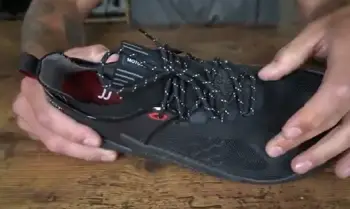
- Outstanding Ground Connection
One of my favorite qualities is how connected I feel to the floor.
Every squat, deadlift, and kettlebell movement feels more controlled because there isn’t excessive cushioning separating my feet from the ground.
That direct contact improves confidence while lifting heavy weights.
- Excellent Stability
Traditional running shoes often compress under heavy loads, making lifts feel unstable.
The Motus Strength avoids this issue by offering a firm platform that remains consistent throughout every repetition.
Whether I’m performing goblet squats or Romanian deadlifts, I never feel like the shoe is shifting underneath me.
- Spacious Toe Box
This is easily one of the biggest selling points.
Instead of squeezing my toes together, the shoe allows them to spread naturally. That extra room noticeably improves balance while also making longer training sessions more comfortable.
Over time, I found that my feet actually felt less fatigued after workouts.
- Flexible Yet Supportive
The sole bends naturally with every movement without becoming flimsy.
Exercises requiring mobility, such as lunges, split squats, and crawling movements, feel smooth because the shoe moves with your foot rather than fighting against it.
- Encourages Better Foot Strength
Unlike conventional trainers that do much of the work for your feet, the Motus Strength encourages your muscles to become more active.
After several weeks, I noticed better foot awareness and stronger balance during single-leg exercises.
- Lightweight Construction
Heavy training shoes sometimes become tiring after extended sessions.
The lightweight design makes it easy to forget you’re even wearing shoes.
That reduced weight also helps during dynamic exercises where agility matters.
- Breathable Upper
Even during warm gym sessions, the upper remained comfortable.
Airflow prevents excessive heat buildup, making long workouts much more enjoyable.
The material also dries relatively quickly after sweaty sessions.
- Excellent Build Quality
The stitching, outsole, and upper all feel premium.
After weeks of consistent use, I saw very little visible wear despite frequent lifting sessions.
The overall construction gives confidence that these shoes should last considerably longer than many mainstream gym trainers.
Cons Of The Vivobarefoot Motus Strength
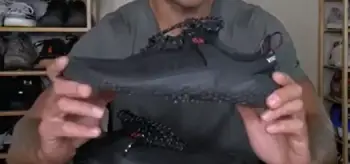
- Premium Price May Not Fit Every Budget
One of the biggest drawbacks of the Vivobarefoot Motus Strength is its premium price tag. Compared to many standard gym shoes, it requires a larger investment.
While the build quality and durable materials help justify the cost, it may not be the best choice for beginners or casual gym-goers who are unsure whether minimalist footwear suits their training style.
If you’re shopping on a tight budget, the upfront cost can feel difficult to justify.
- Minimal Cushioning Isn’t Ideal for Everyone
The shoe is intentionally designed with very little cushioning to provide maximum ground feel.
While this is a major advantage during strength training, it may feel too firm for people who are used to soft, heavily cushioned athletic shoes.
Wearing it for long walks, extended standing, or high-impact cardio sessions can become uncomfortable if you prefer extra shock absorption.
- Takes Time to Adapt
Transitioning to the Motus Strength isn’t something most people should rush.
If you’ve spent years wearing traditional trainers with thick midsoles and arch support, your feet, calves, and ankles may need several weeks to adjust.
During the early stages, it’s common to experience muscle fatigue or soreness as your feet begin working more naturally. A gradual transition is highly recommended.
- Not the Best Choice for Long-Distance Running
Although the shoe can handle short runs and warm-ups, it isn’t designed for extended road running or high-mileage training.
The minimalist sole provides very little impact protection compared to dedicated running shoes.
If your workouts regularly include long-distance runs, you’ll likely need a separate pair designed specifically for that purpose.
- Limited Arch Support
People who rely on structured arch support may find the Motus Strength less comfortable.
The shoe encourages your foot muscles to provide natural support rather than depending on built-in cushioning or corrective features.
While this philosophy works well for many users, individuals with specific foot conditions or those accustomed to supportive footwear may find the adjustment challenging.
- Specialized Rather Than All-Purpose
The Motus Strength excels in strength training, functional fitness, and natural movement, but it isn’t a true all-around athletic shoe.
If you frequently switch between lifting, running, court sports, and outdoor activities, you may find yourself needing additional footwear.
Its specialized design means it performs exceptionally well in the gym but isn’t the perfect solution for every type of workout.
Maintenance Tips For Vivobarefoot Motus Strength
- Clean Dirt Immediately
After every workout, I wipe away dust, chalk, and dirt using a soft cloth.
Removing debris early prevents long-term staining and keeps the upper looking fresh.
- Use Gentle Cleaning Products
Harsh chemicals can damage performance materials.
I prefer mild soap mixed with warm water for occasional deeper cleaning.
This approach keeps the fabric clean without weakening it.
- Air Dry Naturally
Whenever the shoes become wet, I allow them to dry naturally at room temperature.
Direct sunlight, heaters, or dryers can shorten the lifespan of the materials.
Patience helps preserve the shoe’s structure.
- Avoid Machine Washing
Although tossing them into a washing machine sounds convenient, repeated machine washing may weaken adhesives and reduce durability.
Hand cleaning is much safer over the long run.
- Rotate Your Training Shoes
If you train almost every day, rotating between two pairs gives each pair enough time to dry completely.
This habit reduces odor while extending overall lifespan.
- Keep the Outsole Clean
Tiny stones and debris occasionally become trapped inside the tread.
I remove them regularly to maintain reliable grip on gym floors.
- Store Properly
I always keep the shoes in a cool, dry place.
Avoid leaving them inside a hot car or damp gym bag for extended periods because excessive heat and moisture may affect the materials.
- Wear Them for Their Intended Purpose
Although they can handle casual walking, I avoid using them for rough outdoor activities that could unnecessarily wear down the outsole.
Saving them primarily for training helps maximize durability.
- Check for Wear Regularly
Every few weeks, I inspect the outsole and upper for early signs of damage.
Catching small issues early often prevents bigger problems later.
Let Them Breathe
After each workout, I remove the insoles and loosen the laces.
Allowing proper airflow helps control moisture and keeps unpleasant odors from developing.
Comparison Of Vivobarefoot Motus Strength With Other Brands
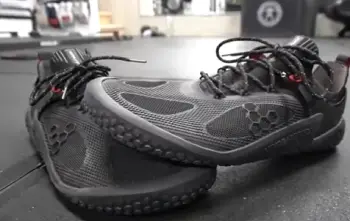
- Vivobarefoot Motus Strength vs Nike Metcon
The Nike Metcon has long been a favorite among gym enthusiasts because of its stable heel, durable construction, and versatility.
However, I found that it still feels like a traditional training shoe with more cushioning and a narrower toe box.
In contrast, the Vivobarefoot Motus Strength delivers a true barefoot experience with a zero-drop sole and a wider fit that allows your toes to spread naturally.
If your goal is to strengthen your feet and improve ground connection, the Motus Strength has the advantage.
If you prefer extra cushioning for mixed workouts, the Metcon may feel more comfortable.
- Vivobarefoot Motus Strength vs Reebok Nano
The Reebok Nano is designed as an all-purpose training shoe that performs well during lifting, short runs, agility drills, and CrossFit-style workouts.
It offers more padding and support, making it easier for beginners to wear right away. The Motus Strength, on the other hand, focuses on natural movement rather than cushioning.
I found it to be more stable for heavy lifts because there is less foam between my feet and the floor.
If versatility is your priority, the Nano is an excellent choice, while the Motus Strength is better suited for minimalist strength training.
- Vivobarefoot Motus Strength vs Xero Shoes
Xero Shoes share the same barefoot philosophy, offering lightweight designs with flexible soles and natural foot movement.
From my experience, the Motus Strength feels more premium in both materials and overall construction.
It also provides a more secure fit during demanding gym sessions. Xero Shoes are often more affordable, making them attractive for people who want to try barefoot footwear without spending as much.
If you’re looking for a refined gym-specific barefoot trainer, I believe the Motus Strength edges ahead.
- Vivobarefoot Motus Strength vs Inov-8 Training Shoes
Inov-8 produces several training shoes that combine stability with flexibility, making them popular among functional fitness athletes.
While they offer a lower profile than many traditional trainers, most models still include more cushioning than the Motus Strength.
I noticed that the Vivobarefoot shoe provides a closer connection to the floor, especially during squats and deadlifts.
If your training emphasizes heavy lifting and natural foot mechanics, the Motus Strength feels more purpose-built.
- Vivobarefoot Motus Strength vs TYR CXT-2 Trainer
The TYR CXT-2 Trainer is known for its supportive platform and solid performance during heavy lifting and CrossFit workouts.
It offers excellent durability and comfort, especially for athletes who like a structured training shoe. The Motus Strength takes a completely different approach by removing unnecessary cushioning and allowing your feet to move naturally.
I found that the TYR trainer feels more forgiving during longer workouts, while the Motus Strength rewards proper foot mechanics and delivers superior ground feedback.
Which One Would I Choose?
After comparing the Vivobarefoot Motus Strength with these popular competitors, I believe the best option depends on your training goals.
If you want maximum cushioning and versatility, shoes like the Nike Metcon or Reebok Nano are excellent choices.
If you’re committed to barefoot training, improving foot strength, and achieving exceptional stability during lifts, the Vivobarefoot Motus Strength stands out as one of the strongest options available.
It isn’t designed to be everything for everyone, but for strength-focused athletes who appreciate natural movement, it delivers an experience that few competitors can match.
Also Read: Is Nortiv 8 Hiking Boots Worth It?
Frequently Asked Questions (FAQ)
Yes. It offers excellent stability, ground feel, and natural foot positioning for lifting.
It combines premium construction, excellent grip, and a gym-focused design that performs exceptionally well for strength workouts.
Yes, but beginners should transition gradually to allow their feet and lower legs to adjust.
Yes. It works well for everyday casual use, although it’s primarily designed for strength training.
Final Verdict
After spending considerable time training in the Vivobarefoot Motus Strength, I genuinely believe it’s one of the best barefoot gym shoes available for serious strength-focused athletes.
It isn’t designed to please everyone, but that’s exactly why it performs so well in its intended role.
If you’re ready to improve foot strength, enjoy natural movement, and experience outstanding stability while lifting, I think it’s a worthwhile investment.
Just give your body enough time to adapt, and you’ll likely appreciate everything this minimalist trainer has to offer.
Recent Posts
I tried Meltoway Hair Dissolving Cream because I wanted a quick way to deal with unwanted body hair without reaching for a razor every few days. If you are looking for a convenient at-home...
If you’re considering a saffron-based supplement to support mood, appetite control, and everyday wellness, Happy Saffron Plus is worth considering.I like that it takes a familiar botanical...