
As I’ve navigated the world of hair styling tools over the years, I’ve come to appreciate how a good straightening brush can simplify my routine.
In this article, I aim to compare Wavytalk and Tymo, two standout options that promise smooth, frizz-free results.
Drawing from my experiences and thorough analysis, I’ll break down their features, strengths, and drawbacks to help you decide which might fit your hair needs best.
| Feature | Wavytalk | Tymo |
| Technology | Steam Hydro-Infusion for hydration | Ionic and PTC heating for even heat |
| Heat Settings | 4 levels (up to 420°F) | 5 levels (up to 410°F) |
| Heat-Up Time | 30 seconds | 20-30 seconds |
| Auto Shut-Off | 30 minutes | 60 minutes |
| Design | 3-in-1 brush with steam nozzles | 3D teeth with anti-scald shield |
| Price Range | $50-80 | $40-70 |
| Best For | Hydrated, shiny finishes | Quick, root-to-tip straightening |
| Cordless Option | No | Yes (some models) |
Understanding Hair Straightening Brushes
I’ve always found traditional flat irons a bit cumbersome, especially on busy mornings when I just want quick results without the hassle.
That’s where straightening brushes come in—they combine the detangling power of a brush with the smoothing heat of an iron.
Wavytalk and Tymo both fall into this category, but they approach the task differently. Wavytalk emphasizes moisture infusion to combat dryness, while Tymo focuses on ionic technology to seal the cuticle and reduce static.
In my trials, this distinction made a real difference depending on my hair’s condition that day.
When I first picked up a straightening brush, it was a game-changer for my wavy locks. No more clamping sections between plates; instead, I could glide through my hair like I was just brushing it. But not all brushes are created equal.
Some heat unevenly, leading to hot spots that damage strands, while others distribute warmth consistently for a polished look.
Analyzing these two brands, I’ve noticed Wavytalk’s steam feature adds a layer of care, almost like a mini spa treatment, whereas Tymo’s design gets closer to the roots for that sleek, just-left-the-salon vibe.
Key Differences Between Wavytalk And Tymo
The real value comes from understanding how they stack up directly:
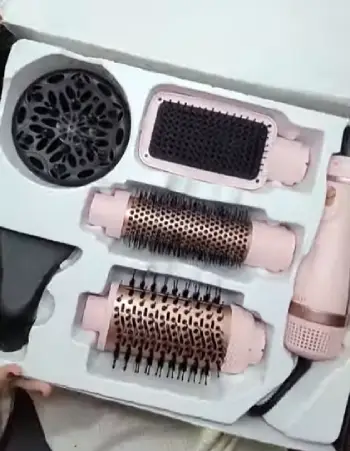
- Hydration vs. Ionization: Wavytalk’s steam adds moisture, while Tymo’s ions focus on shine and anti-frizz.
I prefer steam for winter dryness.
- Heat Options and Speed: Tymo offers more settings and faster heat-up; Wavytalk is close but emphasizes care over speed.
- Safety Features: Both anti-scald, but Tymo’s longer auto-off gives peace of mind.
- Suitability for Hair Types: Wavytalk for hydrated styles on medium hair; Tymo for thick or curly needing root lift.
- Price and Accessibility: Tymo often more affordable and available in cordless; Wavytalk premium for tech.
These differences helped me alternate between them based on my hair’s needs.
Key Features Of Wavytalk
Wavytalk stands out in my mind for its innovative approach to styling. Here’s what I’ve noted about its main attributes:
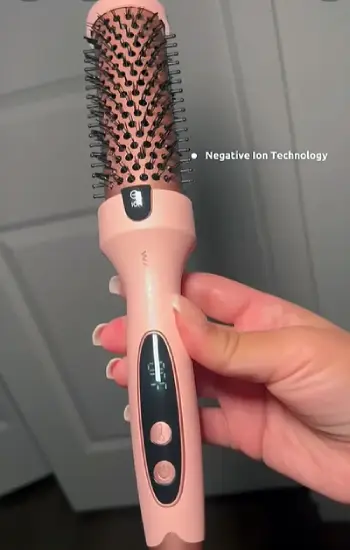
- Steam Hydro-Infusion Technology: This is the star of the show. It uses water to create vapor that penetrates the hair shaft, adding moisture as it straightens.
In my experience, this prevents that fried look I sometimes get from heat tools, leaving my hair feeling nourished rather than stripped.
- Multiple Temperature Settings: With four options ranging from lower heats for fine hair to higher for coarse types, it allows customization.
I usually stick to the mid-range for my medium-textured waves, and it heats up in about 30 seconds, which is perfect for my rushed routines.
- Anti-Scald Design: The brush has full coverage to protect your scalp and hands.
I’ve accidentally brushed too close to my skin with other tools, but this one feels safer, with bristles that don’t get overly hot on the outside.
- 3-in-1 Functionality: It acts as a straightener, comb, and hydrator all at once.
This multifunctionality means I can skip extra steps, like applying a separate serum for shine.
- Fast Styling Time: Claiming to style in 10 minutes, it lives up to that for shoulder-length hair like mine.
Fewer passes mean less exposure to heat, which aligns with my goal of maintaining healthy strands.
From an analytical standpoint, these features make Wavytalk ideal if hydration is your priority. I’ve used it after washing my hair, and the steam helps lock in moisture from my conditioner, resulting in a bouncy, healthy finish.
Pros Of Wavytalk
Based on my usage, Wavytalk has several advantages that make it a go-to for certain scenarios:
- Hydration Boost: The steam reduces breakage and adds shine, which is great for dry or color-treated hair. My ends felt softer after use compared to non-steam tools.
- Less Heat Damage: With fewer passes needed, it’s gentler overall. I noticed less split ends over time.
- Ergonomic Grip: Comfortable to hold, reducing hand fatigue during longer sessions.
- Shine Enhancement: Leaves hair looking glossy, almost like I’ve used a finishing oil.
- Quick Results for Busy Days: Styles fast, making it practical for everyday use.
These pros shine through when I want a nourished, voluminous straight style rather than pin-straight.
Cons Of Wavytalk
No tool is perfect, and Wavytalk has its downsides:
- Water Refill Needed: You have to add water for the steam, which can be a minor hassle if you forget.
- Shorter Auto-Off: Only 30 minutes, so it might turn off mid-style if you’re slow.
- Potential for Mixed Results on Very Thick Hair: Might require more passes for ultra-coarse textures.
- Higher Price Point: Slightly more expensive than basic brushes, though worth it for the tech.
- Limited Cordless Options: Most models are corded, limiting mobility.
In my analysis, these cons are minor but could matter if convenience is key.
Key Features Of Tymo
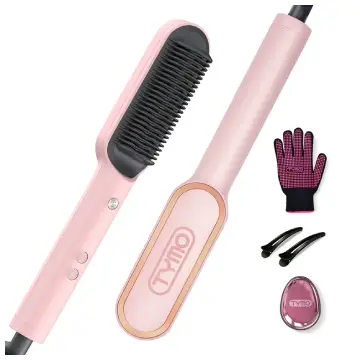
Tymo, on the other hand, impresses me with its efficiency and user-friendly design. Let’s look at what sets it apart:
- PTC Heating and 3D Brush Teeth: This tech ensures even heat distribution, reducing damage by up to 50% according to what I’ve read in product specs.
The teeth design straightens twice as effectively, getting right to the roots without pulling.
- Five Heat Settings: More options here, from 266°F for delicate hair to 410°F for stubborn curls.
I appreciate the granularity; on days when my hair is frizzier, I crank it up a notch without overdoing it.
- Ionic Technology: It releases negative ions to combat frizz and add shine.
In my tests, this left my hair smoother and less static-prone, especially in dry weather.
- Anti-Scald and Auto-Off: The exterior stays cool, and it shuts off after 60 minutes—handy if I’m forgetful.
Some models are cordless, which is a bonus for travel.
- Quick Heat-Up and Dual Voltage: Ready in 20 seconds, and it works worldwide.
This makes it versatile for someone like me who occasionally travels.
Analytically, Tymo’s features cater to speed and precision. I’ve found it excels at taming flyaways and providing a flat, straight look that’s long-lasting.
Pros Of Tymo
Tymo’s strengths lie in its reliability and versatility:
- Effective on Roots: Gets close to the scalp for a seamless straight look.
- Frizz Reduction: Ionic tech makes hair soft and manageable.
- Budget-Friendly: Often cheaper, with good value for features.
- Cordless Variants: Great for on-the-go styling.
- Longer Battery Life in Portables: Up to 2.5 hours in some models.
I’ve loved how it handles my waves without much effort, providing consistent results.
Cons Of Tymo
There are a few areas where Tymo falls short:
- Thicker Bristles: Can snag if not used carefully on tangled hair.
- No Steam Feature: Lacks hydration, so dry hair might need extra products.
- Heat Might Be Too Intense for Fine Hair: Highest settings could damage if not monitored.
- Bulkier Design: Some models feel heavier.
- Variable Durability Reports: A few users mention wear over time.
Analytically, these make it less ideal for very damaged hair.
How Wavytalk Performs In Real Life?
Let me share a typical day using Wavytalk.
I start by filling the water reservoir—it’s small but easy. Plugging it in, it heats up quickly, and I select 360°F for my waves.
As I brush, the steam releases, and I can feel it softening my strands.
One pass per section usually suffices, and in about 10 minutes, my hair is straight with a healthy sheen.
No dryness, no excessive heat smell. For someone with color-treated hair like mine, this prevents fading and keeps things vibrant.
But on humid days, I’ve noticed it doesn’t always hold as well without serum. Still, the overall health benefits make it a staple.
My Experience With Tymo
With Tymo, it’s all about efficiency. I turn it on, wait 20 seconds, and choose 374°F. The 3D teeth glide through, straightening from root to tip without tugging.
My hair ends up sleek and frizz-free, lasting through the day. The ionic boost adds that extra polish, making it look like I used a professional service.
For travel, the cordless version is a lifesaver—rechargeable and compact. However, without steam, I sometimes follow up with a hydrating spray.
Which One For Different Hair Types?
If your hair is fine or damaged, I’d lean toward Wavytalk for its gentle approach. For thick, curly hair, Tymo’s power wins.
Medium like mine? Both work, but choose based on hydration needs.
Maintenance And Longevity
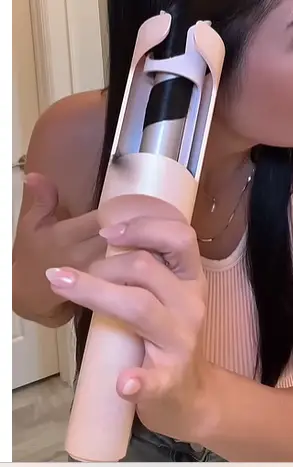
I’ve found that taking a few minutes to care for these brushes makes a huge difference in how long they last and how well they perform over time.
Neglecting buildup from hair products, natural oils, and shed strands can lead to uneven heating, reduced shine from ionic features, or even that annoying burnt smell during use.
Both Wavytalk and Tymo are user-friendly when it comes to upkeep, but their bristle designs mean slightly different approaches.
For Wavytalk, many models (especially the ionic or steam ones) include a mini cleaning brush right in the box, which is super handy.
I always start by unplugging it and letting it cool fully—no shortcuts here to avoid any mishaps. Then, I use the mini brush or a soft toothbrush to gently sweep out loose hair and dust from the bristles.
For tougher residue like product gunk, I dampen a soft cloth or paper towel with warm water (sometimes a tiny drop of mild dish soap), wipe down the bristles and base carefully, and follow up with a dry cloth.
On steam versions, users often remove small rubber plugs or unscrew parts for deeper access, but I stick to surface cleaning unless needed. I let it air dry completely, usually overnight.
Doing this every 1-2 weeks (or after heavy product days) keeps the ionic ions flowing strong and prevents matted bristles.
Cost-Benefit Analysis
When I weigh the price against what each brush actually delivers in my daily routine, the value picture becomes clear pretty quickly. Both are solid mid-range options, but they shine (or fall short) depending on your hair needs and how often you style.
Wavytalk usually lands in the $30–50 range, often closer to $35–40 during sales. For that money, you get reliable ionic shine, six temperature settings, dual voltage for travel, and fast-enough heating that fits busy mornings.
The biggest win is the low entry cost combined with noticeable results—smoother, less static hair without spending a fortune. It’s especially cost-effective if your hair is fine to medium and you want an everyday tool that doesn’t feel like a splurge.
The trade-off is slightly more passes on thicker sections, but at this price, I’m happy to spend an extra minute or two.
Tymo sits a bit higher, typically $40–60, averaging around $50. You pay extra for the 3D teeth design, quicker heat-up (20 seconds), and better grip on curly or coarse hair, which translates to fewer styling passes and less overall heat exposure.
In my experience, that efficiency adds up: shorter sessions mean less damage over time, potentially saving on deep conditioners or trims.
The volume boost at the roots is another perk that feels like bonus value—no need for a separate round brush on good hair days. It feels more like a “pro” investment, especially if textured hair is your reality.
Also Read: Is Wavytalk Hair Dryer Worth It?
Frequently Asked Questions (FAQ)
Yes, TYMO originated in China in 2019, with global operations including in the US.
It varies by needs, but TYMO and Wavytalk rank highly for affordability and results; premium options like GHD or Dyson excel for luxury.
Yes, with positive customer feedback, an official site, and presence on major retailers like Amazon.
TYMO often outperforms in durability and heat speed, while Lange is lighter and cheaper; choose TYMO for thicker hair.
Wrapping This Up
You and I both know choosing the right tool can transform your routine.
If hydration and shine are what you seek, go with Wavytalk—it’s been my pick for nourished results. For speed and root perfection, Tymo edges it out.
Ultimately, try based on your hair; either way, you’ll get smoother days ahead.
Recent Posts
● Interactive 5-Zone Interior & Exterior Paint Blueprint Paint Coverage Calculator: Gallons, Primer, Square Footage & Cost Tap any architectural surface zone on the blueprint...
If you want smooth, shiny hair without spending a fortune on a premium styling tool, the Ella Bella hair dryer may be worth considering.In these Ella Bella hair dryer reviews, I’ll look...