
I have spent a lot of time testing and living with both the WeatherTech FloorLiner and the FloorLiner HP in my own vehicles, and this article walks you through exactly how they compare so you can pick the right one for your daily drives, weather, and preferences.
| Feature | WeatherTech FloorLiner | WeatherTech FloorLiner HP |
| Material | High-density tri-extruded thermoplastic (HDTE) | Thermoplastic elastomer (TPE) |
| Feel underfoot | Firm, rigid, structured | Softer, flexible, rubber-like |
| Flexibility | Lower – holds shape firmly | Higher – drapes and flexes more |
| Temperature resistance | Strong overall | Excellent – resists cracking or curling in extremes |
| Underside grip | Carpet-grip features and retention | Anti-skid nibs plus updated retention |
| Retention system | Factory retention compatible | Factory retention with waterproof updates |
| Coverage | High walls, full footwell protection | High walls, full footwell protection |
| Cleaning | Easy | Often easier due to flexibility |
| Recyclability | Durable thermoplastic | 100% recyclable, latex-free |
| Typical price difference | Base price | Usually $10–$20 more per set |
| Best suited for | Heavy-duty use, trucks, SUVs, firm preference | Comfort, premium feel, easier handling |
| Warranty | Limited lifetime | Limited lifetime |
| Made in | USA | USA |
Key Differences between The WeatherTech FloorLiner And FloorLiner HP
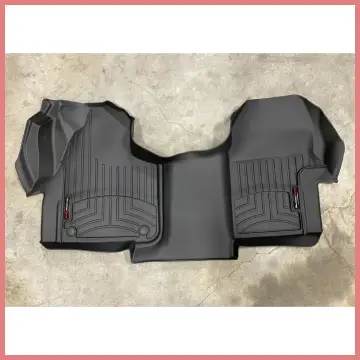
- Material composition: The original FloorLiner uses a high-density tri-extruded thermoplastic that feels solid and holds its molded shape with almost no give.
The FloorLiner HP switches to a thermoplastic elastomer that behaves more like a high-quality rubber compound without containing actual rubber or latex.
- Underfoot sensation: With the standard version you get a firm tray-like surface that stays put and feels technical under your feet.
The HP version softens that experience so your feet land on something closer to a premium rubber mat during long drives.
- Flexibility and installation: The rigid FloorLiner can take a bit more effort to maneuver into tight footwells or around pedals.
The HP flexes enough that you can nearly fold sections which makes seating it and removing it for cleaning noticeably smoother.
- Temperature behavior: Both handle heat and cold well yet the HP material is specifically formulated to avoid cracking or curling even when temperatures swing hard.
In winter and summer testing the HP stayed flatter and more compliant right out of the gate.
- Grip and retention details: The standard liner relies on its molded shape and factory retention posts for security.
The HP adds anti-skid nibs across the underside and updates the retention hardware with a more waterproof design for extra confidence.
- Availability and aesthetics: The original FloorLiner covers a wider range of vehicles while the HP is still expanding on a more selective list of models.
The HP also tends to carry a matte upscale look while the standard version keeps the classic WeatherTech texture.
Key features Of The WeatherTech FloorLiner
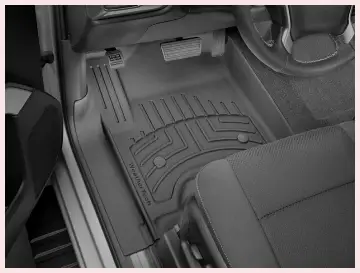
- Laser-measured custom fit: Every liner is mapped to the exact year make and model so the edges rise up the sides front and rear of the footwell.
Gaps stay minimal and the coverage behind the pedals remains especially thorough.
- Rigid high walls and channel system: The standing walls form a continuous barrier that traps water mud snow and debris.
Surface channels guide liquids into a lower reservoir area so messes stay contained instead of spreading.
- Durable HDTE construction: The material resists wear from daily entry and exit road salt and heavy boots.
It maintains its shape year after year and helps protect the underlying carpet for better resale value.
- Factory retention compatibility: The liner snaps into the vehicle’s existing posts or clips.
Once seated it does not shift underfoot during hard stops or aggressive driving.
- Easy cleanup surface: Dirt and liquids sit on top rather than soaking in.
A quick shake rinse with a hose or wipe with mild cleaner returns it to near-new condition in most cases.
- Color options and USA manufacturing: Black gray tan and cocoa are commonly available.
Production stays in the United States which supports consistent quality control across every piece.
Pros Of The WeatherTech FloorLiner
- Maximum structural rigidity: The firm material creates a true three-dimensional tray that keeps its form under heavy use. Trucks and SUVs with frequent muddy boots benefit from this unyielding barrier every single day.
- Proven long-term durability: Decades of real-world use show the HDTE holds up through years of salt sand and abrasion. Many owners report the liner still looking solid after the vehicle itself has been sold or traded.
- Excellent spill containment: High walls and deep channels handle large volumes of liquid without overflow. Coffee spills wet snow and trail mud stay right where they land until you clean them.
- Wide vehicle coverage: Availability spans a broader list of makes and models so finding an exact match is usually straightforward for most drivers.
- Strong value retention for the vehicle: By shielding the carpet completely the liner helps maintain interior condition. This support can lead to higher resale numbers when the time comes to sell.
- Familiar texture and grip: The classic surface gives reliable traction under shoes without feeling slippery when wet. It delivers the solid feedback many longtime users already trust.
Cons Of The WeatherTech FloorLiner
- Firmer underfoot feel: Some drivers find the rigid surface less comfortable on long highway runs or when wearing thinner shoes. It transmits more of the vehicle’s floor texture than a softer option would.
- Slightly more effort to install or remove: The stiffness means you may need to flex harder around pedals or in compact footwells. Cleaning still works well but the process can feel more physical each time.
- Potential for scuffing visibility: Heavy abrasion can leave marks that take more scrubbing to reduce. This shows especially when compared with the smoother surface of the HP version in some tests.
- Less forgiving in extreme cold initially: While durable the material can feel stiffer when first placed in freezing temperatures. It warms up from cabin heat but the initial placement requires a bit more patience.
Key features Of The WeatherTech FloorLiner HP
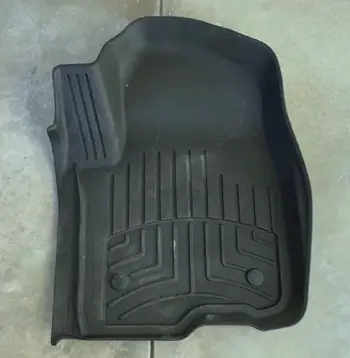
- Advanced TPE material: The rubber-like thermoplastic elastomer delivers flexibility without latex or traditional rubber.
It remains soft to the touch yet tough enough for daily abuse and extreme weather conditions.
- Anti-skid nibs and updated retention: Small nibs on the underside dig lightly into carpet for extra hold.
The retention hardware includes waterproof elements that reduce the chance of liquid sneaking past the attachment points.
- High walls with beveled edges: Coverage matches the original in height and reach.
Beveled edges help the walls stay upright instead of folding inward over time with repeated use.
- Temperature stability: The compound resists cracking in deep cold and does not soften excessively in high heat.
It lays flat more readily when first installed in winter conditions.
- 100 percent recyclable and family-safe: No latex PVC cadmium or lead appears in the formula.
The material is virtually odorless out of the box and fully recyclable at the end of its life.
- Premium matte finish: The surface looks cleaner and more modern in many interiors.
Channels and reservoirs still direct fluids away from your shoes exactly as they do on the standard liner.
Pros Of The WeatherTech FloorLiner HP
- Superior flexibility and comfort: The softer TPE makes every step feel more premium right from the first mile. Installation and removal become quicker tasks which matters if you clean the liners often.
- Better performance in temperature extremes: No cracking or curling appears even after repeated freeze-thaw cycles. The liner stays compliant and ready for immediate use in both summer heat and winter cold.
- Enhanced grip from anti-skid nibs: The underside texture adds security on carpeted floors. Combined with the updated retention system the HP stays planted during aggressive driving or sudden stops.
- Easier cleaning in practice: Flexibility lets you shake out debris more thoroughly and rinse every corner without fighting the shape. Many users notice less residual dirt after a simple wash.
- Eco-conscious and odor-free construction: Full recyclability and the absence of common irritants make it a cleaner choice. Households with kids or sensitivities often appreciate this extra peace of mind.
- Upscale appearance: The matte finish blends well with modern interiors. It avoids the more industrial look some associate with the original while still delivering full protection.
Cons Of The WeatherTech FloorLiner HP
- Higher price point: Expect to pay a modest premium typically in the ten-to-twenty-dollar range per set. The extra cost buys comfort and flexibility rather than dramatically more protection overall.
- Slightly narrower vehicle availability: Not every model offered for the original FloorLiner has an HP version yet. Checking fitment carefully is essential before you place an order.
- Softness may feel less bulletproof to some: Drivers who prefer maximum rigidity sometimes perceive the flexible material as less heavy-duty. Real-world containment remains excellent even if the feel differs.
- Potential for different wear characteristics: Over very long periods the softer compound can show scuffs differently. It still cleans well but may require occasional deeper attention in high-traffic areas.
Real-World Performance And Daily Use Considerations
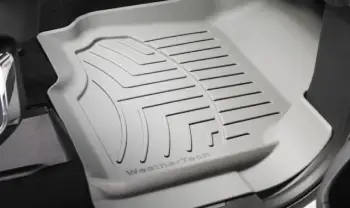
When I first installed the standard FloorLiner in a truck that sees construction sites and muddy trails the rigid walls immediately proved their worth.
Wet boots gravel and the occasional coffee mishap stayed contained. Cleanup involved pulling the liner dumping the debris and hosing it off.
The firm surface never shifted and after years the carpet underneath still looked new.
Switching to the FloorLiner HP in a daily driver sedan changed the experience. The softer feel was noticeable from the first mile. Getting the liner in and out of the tighter footwell took less wrestling.
Winter mornings no longer meant waiting for a stiff mat to relax. The anti-skid nibs kept everything locked even when the carpet was damp.
Both versions protected equally well against spills. The difference lived in comfort and handling convenience.
For families with kids or pets the HP’s easier cleaning cycle can save time. For work trucks that accumulate heavy debris the original’s structural toughness remains hard to beat.
Climate plays a role too. Extreme cold or heat swings favor the HP’s material stability. Milder regions let either option shine.
Price is rarely the deciding factor once you experience the protection both deliver. The small premium for the HP buys a more refined daily interaction.
If your vehicle is not yet supported by the HP line the original FloorLiner still stands as one of the most capable custom liners available.
Color choice matters less than fit and material preference. Black hides dirt best for most users while tan or cocoa can blend with lighter interiors.
Both products carry the same limited lifetime warranty so long-term support is equal.
Who Should Choose Which Liner?
Choose the standard FloorLiner if you want the firmest possible barrier drive a truck or SUV with heavy foot traffic or simply prefer the classic WeatherTech feel that has protected interiors for years.
It is the workhorse option that prioritizes structure and proven durability.
Choose the FloorLiner HP if comfort underfoot ranks high you value easier install and cleaning or you drive in climates with sharp temperature swings.
The premium material and updated grip features make it the refined choice for many modern vehicles and daily drivers.
In either case you gain laser-precise coverage that factory mats cannot match raised edges that actually contain messes and American manufacturing backed by a strong warranty.
The decision comes down to how the liner feels and handles in your specific vehicle rather than a clear winner on protection alone.
Frequently Asked Questions (FAQ)
There is no single best. Top contenders often include multi-strain formulas with high CFU counts and proven strains but individual needs vary widely.
Cost is a common complaint along with the subscription model some users find less flexible.
Bioma has built a following for its targeted formulas though reputation ultimately rests on personal results and third-party testing transparency.
Several options such as certain multi-strain or soil-based products are preferred by users seeking different strain profiles or price points. Results depend on the individual.
Wrapping Up
After living with both the WeatherTech FloorLiner and FloorLiner HP I can tell you the choice is less about which one protects better and more about which one fits the way you drive and live.
You now have a clear picture of the material differences the feel underfoot the practical pros and cons and the real-world scenarios where each shines.
Whichever you select you will gain serious interior protection that factory mats simply cannot deliver.
Take a look at your vehicle’s footwell consider your climate and cleaning habits and pick the liner that matches your priorities. Your carpets will thank you for years to come.
Recent Posts
● Interactive 5-Zone Interior & Exterior Paint Blueprint Paint Coverage Calculator: Gallons, Primer, Square Footage & Cost Tap any architectural surface zone on the blueprint...
If you want smooth, shiny hair without spending a fortune on a premium styling tool, the Ella Bella hair dryer may be worth considering.In these Ella Bella hair dryer reviews, I’ll look...