
I have spent years testing floor mats in my own vehicles across rainy seasons, muddy trails, and daily family hauls, and the WeatherTech vs Lasfit debate keeps coming up.
My goal here is to break down both brands side by side so you can decide which set protects your car’s floors best without wasting money or settling for a poor fit.
| Feature | WeatherTech | Lasfit |
| Material | HDTE or TPE (HP version softer) | Flexible TPE |
| Fit | Laser-measured custom | 3D-scanned custom |
| Sidewall Height | Tall, maximum containment | Raised but more moderate |
| Flexibility | Rigid to firm | Soft and pliable |
| Colors | Black, tan, gray, cocoa | Black only |
| Price (typical full set) | $200–$300+ | $130–$180 |
| Origin | Made in USA | US company, manufactured in China |
| Warranty | Limited lifetime | Limited lifetime |
| Best For | Extreme weather, brand trust | Everyday value, comfort |
Key Differences Between Weathertech And Lasfit
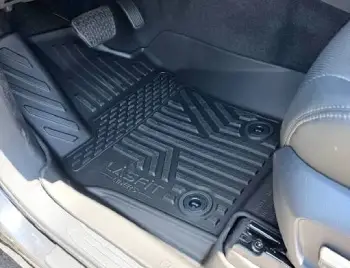
- Material Feel and Flexibility: WeatherTech’s standard FloorLiners use a high-density tri-extruded material that stays stiff.
You notice the firmness the moment you step in. Lasfit’s TPE feels softer underfoot and bends more easily when you install or remove the mats.
I prefer the Lasfit feel on long drives because it does not create that hard plastic sensation under my heels.
- Coverage and Edge Design: Both brands claim custom fit, yet Lasfit often extends further under the seats and around the footrest on many vehicles I have checked.
WeatherTech builds taller sidewalls that trap larger volumes of snow or spilled drinks.
The trade-off shows up when you try to vacuum or wipe around the edges—Lasfit’s lower profile sometimes makes cleaning the outer carpet easier.
- Price and Overall Value: WeatherTech sits in the premium range.
A complete front-and-rear set routinely tops two hundred dollars, and cargo liners cost extra.
Lasfit delivers a full set, sometimes including cargo protection, for noticeably less. After living with both, I find Lasfit gives most drivers ninety percent of the protection at a price that hurts less.
- Color Options and Aesthetics: WeatherTech lets you match tan or gray interiors.
Lasfit sticks to black. If your cabin is light-colored and you care about visual harmony, WeatherTech wins on looks alone.
Black still hides dirt better in daily use, which is why I rarely mind the single-color limit on Lasfit.
- Brand Reputation and Longevity Data: WeatherTech has decades of name recognition and widespread dealer presence.
Lasfit is newer and relies more on online reviews.
Real-world feedback shows both last years when treated reasonably, though WeatherTech’s thicker rigid versions sometimes resist scuffs longer in commercial or heavy-work settings.
Key Features Of WeatherTech Floor Mats
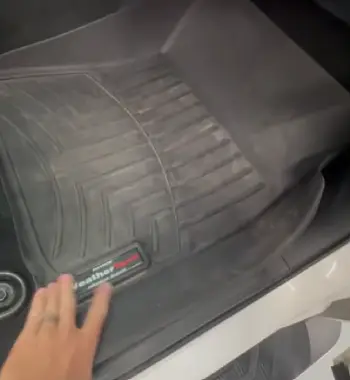
- Laser-Measured Precision: WeatherTech scans vehicle floors with lasers so the mats follow every contour.
The retention system usually clips into factory anchors, keeping the mat from sliding even when you slam on the brakes. In my trucks this system has never failed.
- Tall Sidewalls and Deep Channels: The raised edges and surface channels form a reservoir that holds snowmelt, mud, and coffee spills.
I once dumped an entire water bottle on a WeatherTech liner and watched the liquid stay contained until I could clean it.
That level of containment is hard to beat.
- High-Density Construction: The HDTE material resists cracking in extreme cold and stays dimensionally stable in heat.
Some versions now use a softer TPE called FloorLiner HP that improves flexibility without losing much strength.
Both versions clean with a simple hose rinse.
- Color Variety and Finish Options: Black, tan, gray, and cocoa let you coordinate with different interiors.
The surface texture provides decent traction even when wet, though some users report slight slipperiness until the mat breaks in.
USA Manufacturing and Warranty Support: Production in Illinois and a limited lifetime warranty give peace of mind.
If a mat warps or fails under normal use, the company typically replaces it.
That support network is one reason many long-term owners stay loyal.
Pros Of WeatherTech
- Superior Spill Containment: The tall walls and deep reservoirs handle heavy snow and large liquid spills better than most competitors.
If you live in a region with harsh winters or frequently carry wet gear, this feature alone can justify the higher cost.
- Proven Long-Term Durability: Rigid construction resists permanent deformation even after years of boots, tools, and pets.
I have seen WeatherTech liners look almost new after five seasons of abuse when cleaned regularly.
- Strong Brand Trust and Availability: You can buy them at many dealerships and specialty stores.
Color choices and extensive vehicle coverage mean you rarely need to settle for a universal mat.
- Excellent Factory Retention Compatibility: The mats lock into OEM anchors on most vehicles, eliminating the need for aftermarket clips in many cases.
That secure connection reduces the chance of the mat interfering with pedals.
Cons Of WeatherTech
- Higher Price Tag: Full sets and cargo liners add up quickly. For drivers who mainly need everyday protection, the cost can feel excessive compared with what Lasfit delivers.
- Stiffer Feel Underfoot: The rigid material can feel less comfortable on long drives. Some people notice the hardness especially when wearing thin-soled shoes.
- Bulkier Handling During Cleaning: Removing and reinstalling the stiff liners requires more effort, particularly in tight footwells. The weight and rigidity make hose-downs slightly more awkward.
- Occasional Fit Quirks on Certain Models: While laser measurement is accurate, a few vehicle generations show small gaps around pedals or under seats. Owners sometimes report edge curling after extreme temperature cycles.
Key Features Of Lasfit Floor Mats
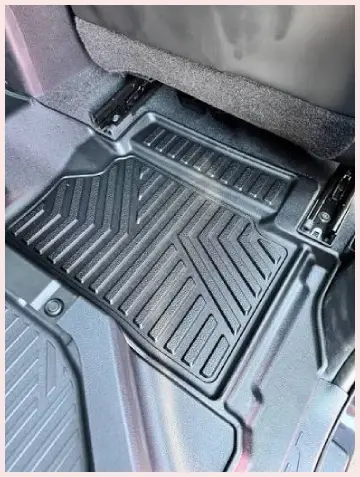
- 3D Scanning for Exact Contours: Lasfit maps the entire footwell, including areas under the seats and around the dead pedal.
The result is coverage that often looks more complete than some rigid liners. In my daily driver the mats sit flush with almost no gaps.
- Soft Yet Durable TPE Material: The thermoplastic elastomer stays flexible in freezing temperatures and does not crack.
It also remains nearly odor-free out of the box, which is a welcome change from older rubber mats that off-gassed for weeks.
The material feels rubbery rather than plastic, improving daily comfort.
- Raised Edges and Channel System: While the sidewalls are not as tall as WeatherTech’s, the channels still trap water, mud, and debris effectively for normal conditions.
The design spreads liquid so it does not pool in one spot, making wipe-downs faster.
- Anti-Slip Backing and Secure Fit: Small nibs or textured backing grip the carpet so the mats stay put.
I have driven over rough roads and never felt the mat shift under my feet. Removal takes a bit more effort because of that grip, but reinstallation is straightforward.
- Eco-Friendly Certification and Value Pricing: Many Lasfit mats carry GRS certification for recycled content and stay free of common toxins.
A full set often costs far less than comparable WeatherTech packages, and free shipping is common.
That combination makes upgrading an entire cabin more realistic for most budgets.
Pros Of Lasfit
- Outstanding Everyday Value: You get custom fit, full coverage, and solid protection at a price that leaves room in the budget for other accessories. Many owners report that the savings let them equip both front and rear plus cargo areas for less than one WeatherTech set.
- Comfortable Soft TPE Surface: The flexible material feels better underfoot and stays pliable in cold weather. Installation and removal are easier because the mats bend without fighting you.
- Nearly Complete Floor Coverage: Extended edges under seats and around footrests leave fewer unprotected spots. Dirt and water have fewer places to hide, which simplifies long-term carpet care.
- Odor-Free and Eco-Conscious Build: The material arrives without the strong chemical smell common in some older mats. Recycled content and non-toxic certifications appeal to families and environmentally aware drivers.
Cons of Lasfit
- Limited Color Selection: Black is the only option. If your interior is light tan or gray and visual matching matters, this restriction can be a deal-breaker.
- Moderate Sidewall Height: Extreme snow or large spills may overflow more easily than on WeatherTech’s taller walls. Drivers in severe climates sometimes prefer the extra containment of the premium brand.
- Less Brand Recognition: Newer market presence means fewer long-term independent tests compared with WeatherTech. Some buyers still feel safer with the established name.
- Manufacturing Origin Considerations: Production occurs in China even though the company is U.S.-based. A few buyers prefer fully domestic manufacturing for supply-chain or quality-control reasons.
Material And Construction Analysis
WeatherTech’s HDTE core creates a tray-like structure that holds its shape under heavy loads.
The surface channels are deep and purposeful, directing liquid toward the center reservoir. When I tested both brands side by side after a muddy weekend, the WeatherTech liner held more liquid before any risk of overflow.
The newer FloorLiner HP softens that rigidity while keeping most of the strength, giving buyers a middle ground.
Lasfit’s TPE is thinner in places yet remains tough enough for daily abuse. The material stretches slightly then returns to form, which helps it conform to uneven floors.
Temperature swings affect it less dramatically than some rigid plastics. After two winters of use in my secondary vehicle, the Lasfit mats showed no cracking or permanent creases once they settled flat.
Both materials resist most common chemicals and clean with water. Neither absorbs odors the way carpet mats do.
The difference shows mainly in how the mat interacts with your feet and how much force you need to handle it during maintenance.
Fit And Installation Experience
I installed both brands in the same model year truck to compare. WeatherTech snapped into the factory anchors with a solid click.
The tall walls required a bit of coaxing around the door sills. Once seated, the mat stayed locked even during aggressive driving.
Lasfit required no special tools and settled into place with moderate pressure. The flexible edges tucked under the seats more completely on my particular truck.
Removal for cleaning took more effort because the grip was strong, yet the soft material made it less of a wrestling match than the rigid WeatherTech version.
Both brands warn against stacking mats or blocking pedals. Proper installation is straightforward if you follow the vehicle-specific instructions.
I have never had either brand shift enough to create a safety issue when installed correctly.
Cleaning And Maintenance Reality
Both clean with a garden hose and mild soap. WeatherTech’s slicker surface lets dirt slide off quickly, though the rigid shape can make it harder to shake out debris trapped in deep channels.
Lasfit’s softer texture sometimes holds fine grit a bit longer, yet the overall flexibility lets you flex the mat and rinse thoroughly.
I dry both brands in the sun or with a towel. Neither retains water for long. Over years of ownership I have noticed that regular cleaning keeps either set looking nearly new. Neglect will leave stains on both, but the materials themselves do not degrade from occasional harsh scrubbing.
Price, Value, And Long-Term Ownership
WeatherTech’s premium pricing reflects brand strength, domestic production, and maximum containment design.
If you keep a vehicle for a decade and face severe weather, the investment often pays for itself in preserved carpet value at trade-in time.
Lasfit targets drivers who want most of that protection without the full premium outlay. My experience shows the quality difference is smaller than the price gap.
For most daily drivers, family vehicles, and light-duty trucks, Lasfit delivers excellent results at a more approachable cost.
Full sets that include cargo liners further improve the value equation.
Warranty support exists on both sides. WeatherTech’s longer track record may give some buyers more confidence, yet Lasfit has honored claims in the reviews I have followed.
Real-World User Perspective After Multiple Seasons
I have run WeatherTech in one vehicle and Lasfit in another for several years.
The WeatherTech set has survived salt, heavy snow, and construction-site mud with almost no visible wear. The taller walls saved the carpet more than once when snowmelt exceeded expectations.
The Lasfit set has handled similar conditions with only slightly more attention to cleaning after major messes.
Comfort and ease of handling remain clear advantages. Guests often comment on how soft the floor feels compared with the rigid liners in my other car.
Neither brand has failed structurally. Edge curling appeared mildly on an older WeatherTech set after extreme heat cycles, but a short period in the sun flattened it.
Lasfit arrived with shipping creases that disappeared within a day of warm weather.
Also Read: Comparison Of Husky And WeatherTech Floor Mats
Frequently Asked Questions (FAQ)
It depends on priorities. Lasfit often matches or exceeds WeatherTech on fit, comfort, and value for everyday use, while other brands like Husky offer different trade-offs.
Yes. Reviews and multi-year ownership reports confirm solid construction, accurate fit, and reliable protection at a competitive price.
Yes. The company is based in the United States, but manufacturing takes place in China.
No single brand wins for every driver. WeatherTech leads in extreme containment and recognition. Lasfit leads in value and comfort for most daily drivers. Match the brand to your climate, budget, and vehicle use.
Wrapping Up
I started this comparison because I wanted clear answers for my own vehicles and for anyone else facing the same choice.
After living with both WeatherTech and Lasfit, I see strengths on each side. WeatherTech still owns the premium space with taller walls and decades of trust.
Lasfit delivers the protection most of us actually need while treating the budget more kindly and feeling better underfoot every day.
You now have the details on materials, fit, cleaning, price, and real ownership experience. Weigh your climate, how hard you use the vehicle, and how much you want to spend. Either brand will keep your carpets cleaner than stock mats.
Pick the one that matches your priorities and you will notice the difference the first time mud or snow hits the floor.
The right choice is the one that works for your life, not the one with the biggest reputation alone.
Recent Posts
● Interactive 5-Zone Interior & Exterior Paint Blueprint Paint Coverage Calculator: Gallons, Primer, Square Footage & Cost Tap any architectural surface zone on the blueprint...
If you want smooth, shiny hair without spending a fortune on a premium styling tool, the Ella Bella hair dryer may be worth considering.In these Ella Bella hair dryer reviews, I’ll look...