
I set out to settle the Wenzel versus Coleman sleeping bag debate after years of car camping with both brands in everything from mild summer nights to chilly fall mornings.
My goal is simple: give you a clear, real-user breakdown so you can pick the bag that actually matches how and where you sleep outdoors without wasting money or waking up cold.
| Feature | Wenzel | Coleman |
| Typical Price Range | $30–$90 | $35–$100 |
| Common Shapes | Rectangular and mummy | Rectangular and mummy |
| Temperature Ratings | 0°F to 50°F (self-reported) | 0°F to 50°F (self-reported) |
| Insulation | Synthetic (Insul-Therm, Omega II) | Synthetic (Holofill, Coletherm, Fiberlock) |
| Liner Feel | Soft flannel or brushed polyester | Soft flannel or tricot |
| Weight (typical adult) | 4–7 lbs | 5–9 lbs |
| Best For | Budget car camping, roomy sleep | Value, availability, family use |
| Packability | Bulky | Bulky |
| Zipper Features | Self-repairing, draft tubes on higher models | ZipPlow no-snag, Thermolock draft tubes |
| Durability Reputation | Decent for the price | Strong for the price |
My Real-World Experience With Both Brands
I have spent more nights than I can count in Wenzel and Coleman bags. Most of those nights happened in the back of a truck.
Others took place under a simple tarp. Some occurred inside a basic dome tent during weekend trips. Neither brand makes technical backpacking gear.
Both focus on affordable, straightforward bags. These bags work when you drive to the campsite. You want something soft.
You want something warm. You avoid spending premium dollars.
What stands out to me is how similar the two feel in everyday use. Both rely on synthetic fill. This fill keeps working even if a little moisture sneaks in. Both offer rectangular designs. These designs let me stretch out the way I do at home. Both can leave you colder than the number on the label. This happens if you trust that rating without adding a solid sleeping pad. Layers help too.
Still, small differences matter once you start comparing specific models side by side.
Key Differences Between Wenzel And Coleman Sleeping Bags
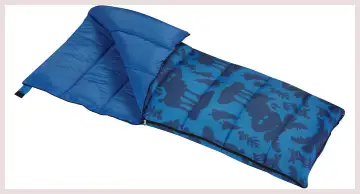
- Price and Availability: Coleman bags show up almost everywhere. Big box stores carry them. Online shops stock them.
Sporting goods shops sell them. Wenzel models appear more often at Walmart. Online retailers also list them.
Coleman usually costs a few dollars more for comparable specs. The difference rarely exceeds fifteen to twenty dollars on mid-range options.
- Insulation and Warmth Feel: Wenzel leans on Insul-Therm fills. Omega II fills appear as well. Coleman uses Holofill. Coletherm shows up frequently.
Fiberlock completes the list. In my testing Coleman’s higher-end models hold loft a bit longer.
The Heritage Big and Tall performs this way over multiple seasons. Wenzel’s thicker rectangular bags can feel just as warm. This holds true on the first few trips.
- Shape and Roominess: Both brands offer roomy rectangular bags. More form-fitting mummy styles exist too.
Wenzel’s older Grande-style bags felt especially spacious.
Coleman’s Big and Tall versions fit taller sleepers more comfortably. Feet avoid restriction in these models.
- Zipper and Draft Control: Coleman’s ZipPlow system reduces fabric snags. It works better than most budget zippers I have used.
Wenzel includes insulated draft tubes. These appear on colder-rated models. The tubes help. The zipper itself sometimes catches more easily.
- Long-Term Durability: After three or four seasons of regular use Coleman bags in my gear closet show less loft loss.
Wenzel bags start fine. They compress faster if stored tightly for long periods.
Key Features Of Wenzel Sleeping Bags
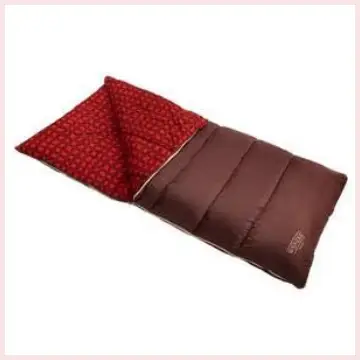
- Synthetic Insulation Options: Most Wenzel bags use non-allergenic polyester fills. Insul-Therm ranks among them. Omega II appears as well.
These fills trap air well. They continue insulating when damp. This suits damp campsites.
- Soft Liners: Many models feature cotton flannel. Brushed polyester liners show up too. The flannel ones feel like old-school camping gear.
They add a cozy factor right when you climb in.
- Rectangular and Mummy Choices: Rectangular bags open fully into blankets. Mummy styles like the Windy Pass include drawstring hoods.
Draft collars appear on these models. Heat retention improves as a result.
- Simple Packing Systems: Elastic straps come standard. Basic stuff sacks appear too. These work for car camping. They do not compress the bag tightly.
Temperature Range Variety: Options run from warm-weather forty to fifty degree bags.
Models rated to zero degrees exist for colder nights.
Pros Of Wenzel Sleeping Bags
- Strong Value for Warmth: You get a lot of insulation for the money. Thicker models keep me comfortable on nights that dip into the thirties. A decent pad pairs well with them.
- Spacious Feel: Rectangular designs give real room to move. Side sleepers appreciate the extra width. Restless campers notice it too.
- Soft Familiar Liners: Flannel interiors create an instant cozy sensation. The feel matches home bedding more than technical gear.
- Easy to Find at Low Prices: Frequent sales make it simple to pick up a solid bag. The budget stays intact.
- Decent Initial Performance: New Wenzel bags loft well. They deliver the warmth they promise for the first couple of seasons.
Cons Of Wenzel Sleeping Bags
- Optimistic Temperature Ratings: A bag labeled zero degrees often feels more like a twenty to twenty-five degree bag in real conditions. I always plan for ten to fifteen degrees warmer than the label.
- Bulk and Weight: These bags take up significant trunk space. They feel heavy if you ever need to carry them any distance.
- Faster Loft Loss: After repeated packing the fill compresses more noticeably. Storage for long periods speeds this process.
- Zipper Reliability: Some models snag more than I like. This occurs especially when the fabric shifts during sleep.
- Limited Technical Features: Fewer refined details appear. Advanced draft collars stay rare. Highly compressible designs remain uncommon compared with premium brands.
Key Features Of Coleman Sleeping Bags
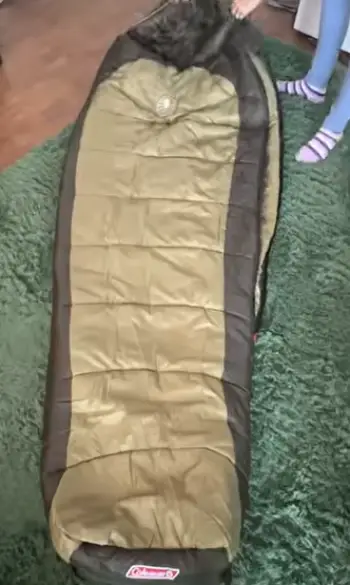
- Proven Synthetic Fills: Holofill 808 appears frequently. Coletherm shows up as well. These hollow-fiber synthetics provide solid loft.
They recover reasonably after compression.
- Comfort-Focused Liners: Flannel linings on models like the Heritage series feel soft against skin. Tricot liners on lighter bags add a smooth surface. The surface warms quickly.
- Smart Zipper Designs: The ZipPlow system reduces heat loss along the zipper line. Thermolock draft tubes do the same.
Both cut down on annoying snags during nighttime adjustments.
- Big and Tall Sizing: Several Colem
an bags accommodate sleepers up to six feet seven inches. This matters if you run tall. Camping partners benefit too.
- Versatile Construction: Many bags unzip completely into quilts. They zip together with a matching bag for couples.
Internal pockets hold small items. A headlamp fits. A phone fits as well.
Pros Of Coleman Sleeping Bags
- Excellent Everyday Value: Models like the Brazos deliver reliable comfort. The Heritage does the same. Prices make sense for occasional camping. Family use benefits as well.
- Better Long-Term Warmth Retention: The fill holds its loft longer in my experience. The bag stays closer to its original performance after several years.
- User-Friendly Details: No-snag zippers improve the experience. Draft tubes help. Occasional internal pockets make night-time use smoother.
- Wide Size Options: Big and Tall versions solve the common problem of feet pressing against the end of the bag.
- Broad Availability: Easy to buy. Easy to replace. Easy to find matching accessories. Second bags appear readily.
Cons Of Coleman Sleeping Bags
- Still Optimistic Ratings: Like Wenzel the printed temperature numbers run optimistic. A thirty degree bag performs better closer to forty degrees for many sleepers.
- Heavy and Bulky: These remain car-camping bags. You will not want to hike far with one on your back.
- Basic Materials: Outer shells feel functional rather than premium. Liners follow the same pattern. They hold up for the price. Wear shows sooner than technical fabrics.
- Packing Frustration: Stuffing some models back into their sacks requires patience. Muscle helps too.
- Less Exciting Design: The bags prioritize function over any modern aesthetic. Ultralight features stay absent.
How Temperature Ratings Really Work For These Brands?
Both companies list a single temperature number. In practice that number sits closer to a lower limit than a true comfort rating.
I treat any Wenzel bag as roughly ten to fifteen degrees warmer than the label for planning purposes. Coleman bags receive the same treatment.
A solid closed-cell pad makes a bigger difference than the bag alone. An inflatable pad works too. Without a pad ground cold drains heat. The thickness of the fill matters less in that case.
Synthetic insulation shines here. It handles humidity better than down. On damp nights near lakes both brands keep insulating. Light rain produces the same result. That reliability is why I still reach for them on casual trips.
Comfort And Sleep Quality From A User Perspective
I sleep on my side. I move around. Rectangular bags from either brand give me the freedom I need. Mummy styles trap heat better.
They can feel restrictive after a few hours. Coleman’s Big and Tall rectangular options win for taller friends who join trips.
Wenzel’s softer flannel liners sometimes edge out on pure coziness. This shows during the first season.
Noise levels stay low with both. You will not hear constant crinkling. Some lightweight technical bags produce that sound. The trade-off is bulk when packing the car.
Durability And Care Over Multiple Seasons
I wash both brands in a large front-loading machine. Gentle cycles work best. I air-dry them. Low heat serves as an alternative.
Coleman bags seem to bounce back with slightly more loft after washing. Wenzel bags benefit from being stored loosely. Compression for months harms them. Neither likes being left in a hot garage all summer.
Zippers hold up for several years of weekend use. Seams do the same. Heavy daily use will show wear faster on both. Rough handling produces the same effect. This matches expectations at this price level.
Who Should Choose Wenzel?
Pick Wenzel if you want maximum room. A soft liner on a tight budget helps. Their thicker rectangular bags work well for car campers.
These campers value sprawling out. They do not mind a bit more bulk. The brand suits beginners. Families stocking multiple bags without high cost benefit too.
Who Should Choose Coleman?
Choose Coleman when you want slightly better long-term performance. Easier zippers appeal. Wider availability matters. Their Big and Tall models solve sizing issues for many adults. The brand also feels more consistent across different temperature ratings in my experience.
Practical Buying Advice From My Trips
Match the bag to your actual conditions. Avoid planning for the coldest night you might face once a year. For summer a thirty to forty degree rated bag from either brand works fine. Early fall follows the same pattern.
For late fall step up to a zero to twenty degree model. Mild winter car camping requires the same. Add layers. Include a quality pad. Always check current dimensions. Taller average heights need this step. Partners benefit from it as well.
Test the zipper in the store. Do it right after delivery. A smooth zipper saves frustration at two a.m. Temperatures drop then.
Also Read: Is JanSport Right Pack Backpack Worth It?
Frequently Asked Questions (FAQ)
Yes for budget car camping. Their bags offer solid warmth at low prices. Comfort follows. Temperature ratings run optimistic. Long-term loft can fade.
Coleman ranks high. Kelty appears next. The North Face follows. REI Co-op stays popular. Marmot completes the list across different price points.
Yes for the price. They provide reliable warmth. Useful features appear. Decent durability suits casual camping. Family use works too.
No single best brand exists. Coleman works well for car camping. Similar value brands follow the same pattern. Technical brands like Marmot suit backpacking better. The North Face handles colder conditions well.
Final Thoughts
After comparing both brands across many nights outdoors I see them as close cousins rather than rivals. Coleman edges ahead slightly for durability.
Zipper design improves the edge. Size options contribute too. Wenzel holds its own on pure value. Initial coziness remains strong.
This shows especially in roomy rectangular forms. Your decision comes down to specific model features. Current pricing plays a role. Extra length may matter. The softest liner possible could decide it.
I still keep examples of both in my gear collection. When the trip is casual the campsite stays reachable by car.
The forecast stays above freezing. Either brand delivers solid sleep. The budget remains intact. Focus on the details that match your sleep style. Add a good pad. You will wake up ready for the next day outside.
Recent Posts
● Interactive 5-Zone Interior & Exterior Paint Blueprint Paint Coverage Calculator: Gallons, Primer, Square Footage & Cost Tap any architectural surface zone on the blueprint...
If you want smooth, shiny hair without spending a fortune on a premium styling tool, the Ella Bella hair dryer may be worth considering.In these Ella Bella hair dryer reviews, I’ll look...